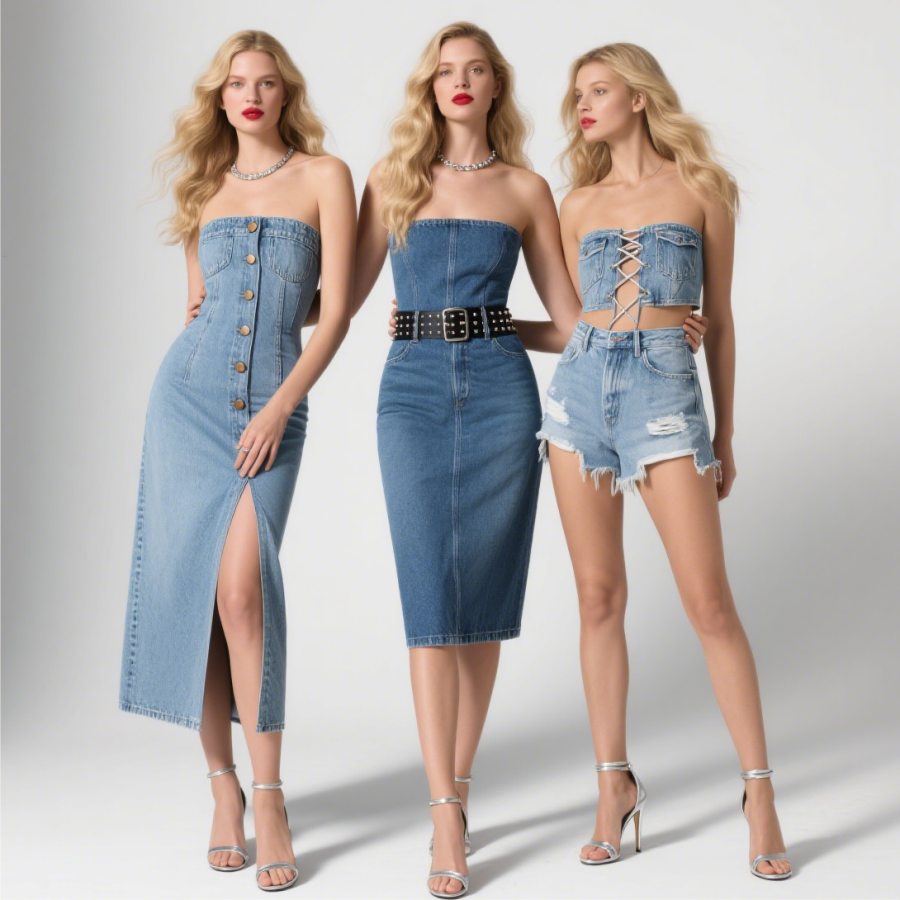
Click to open expanded view
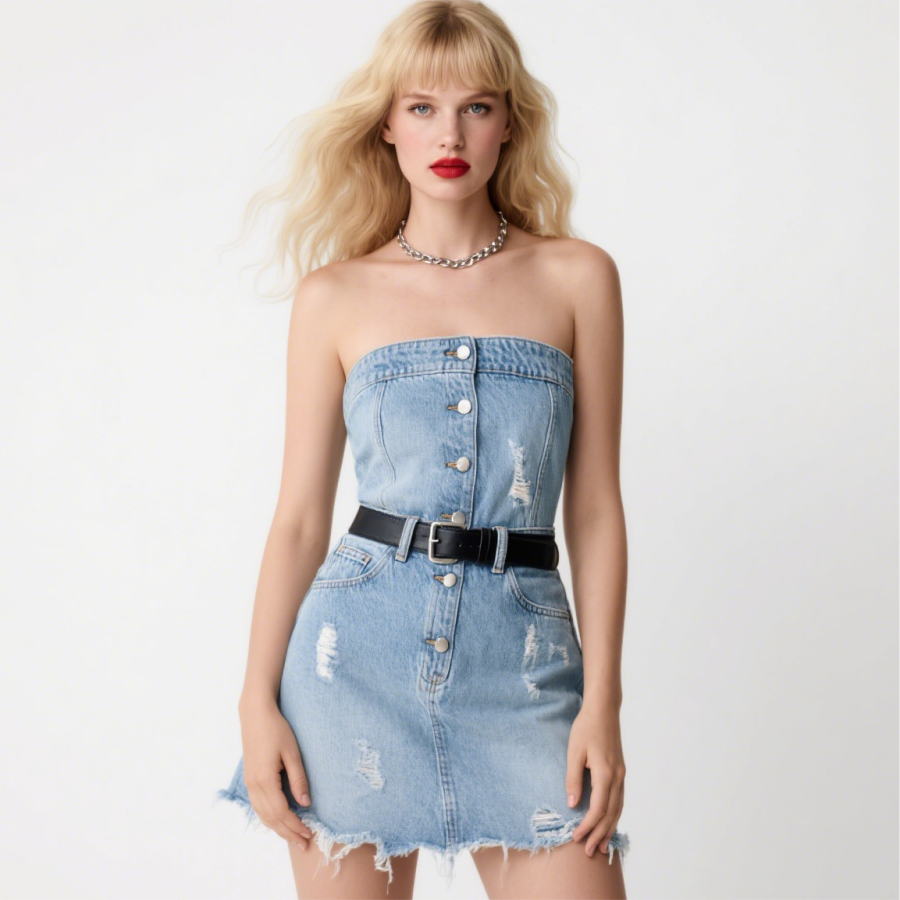
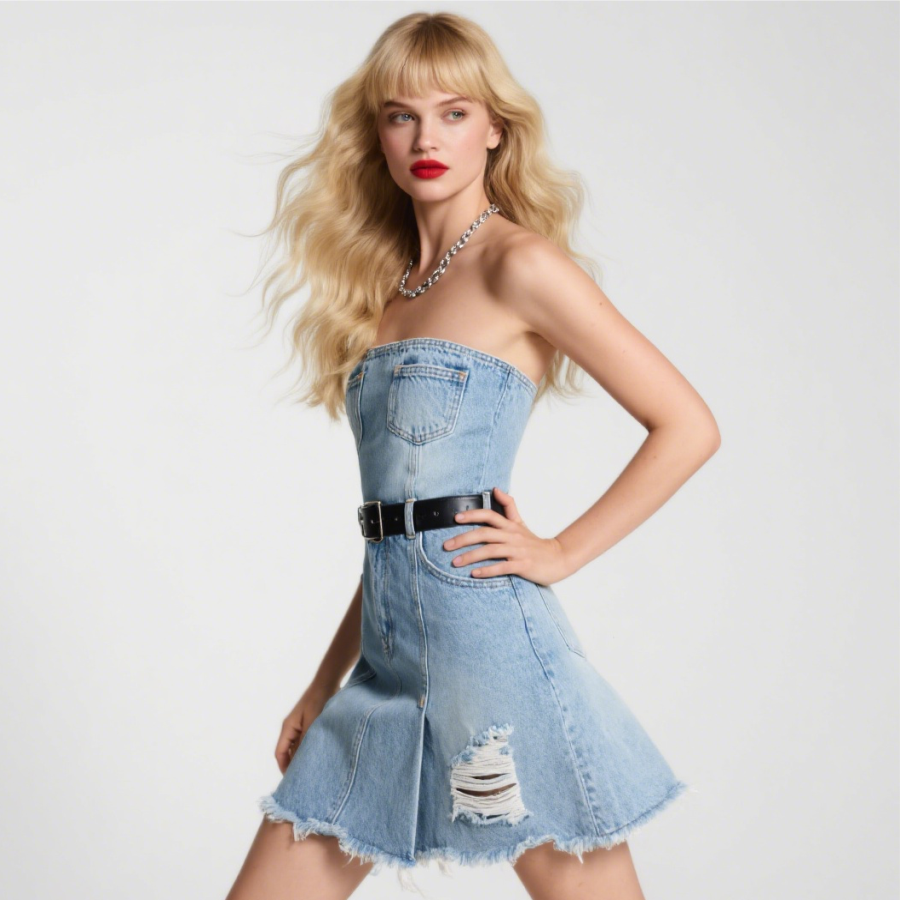
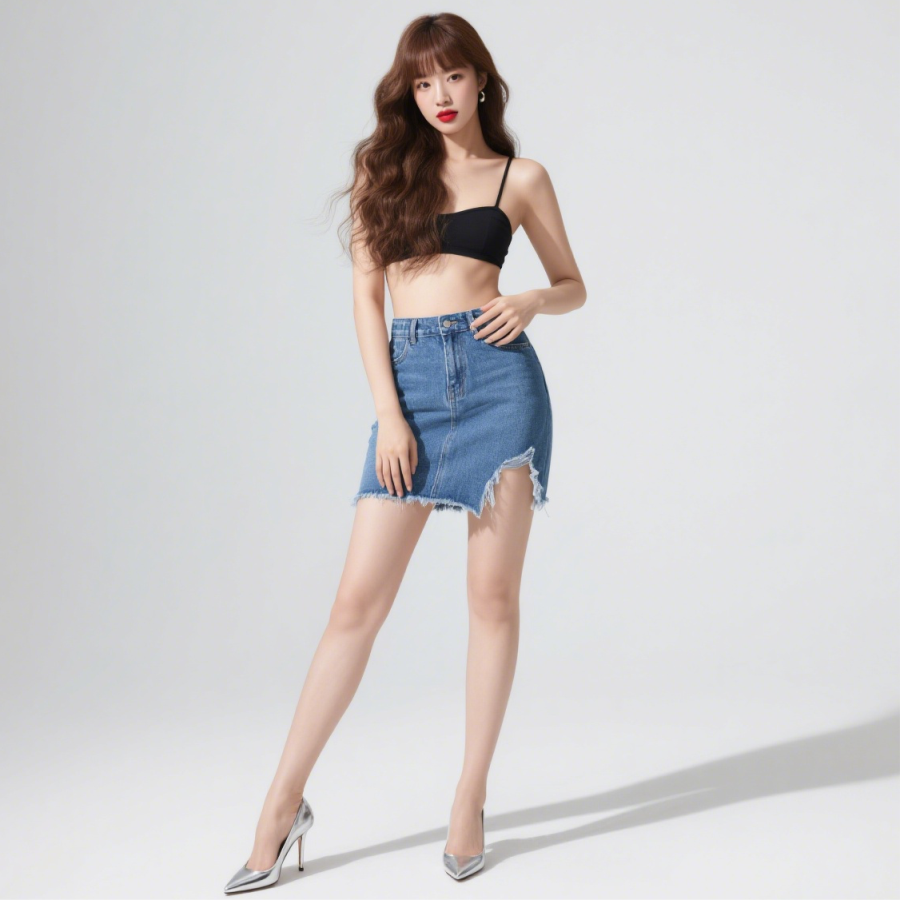
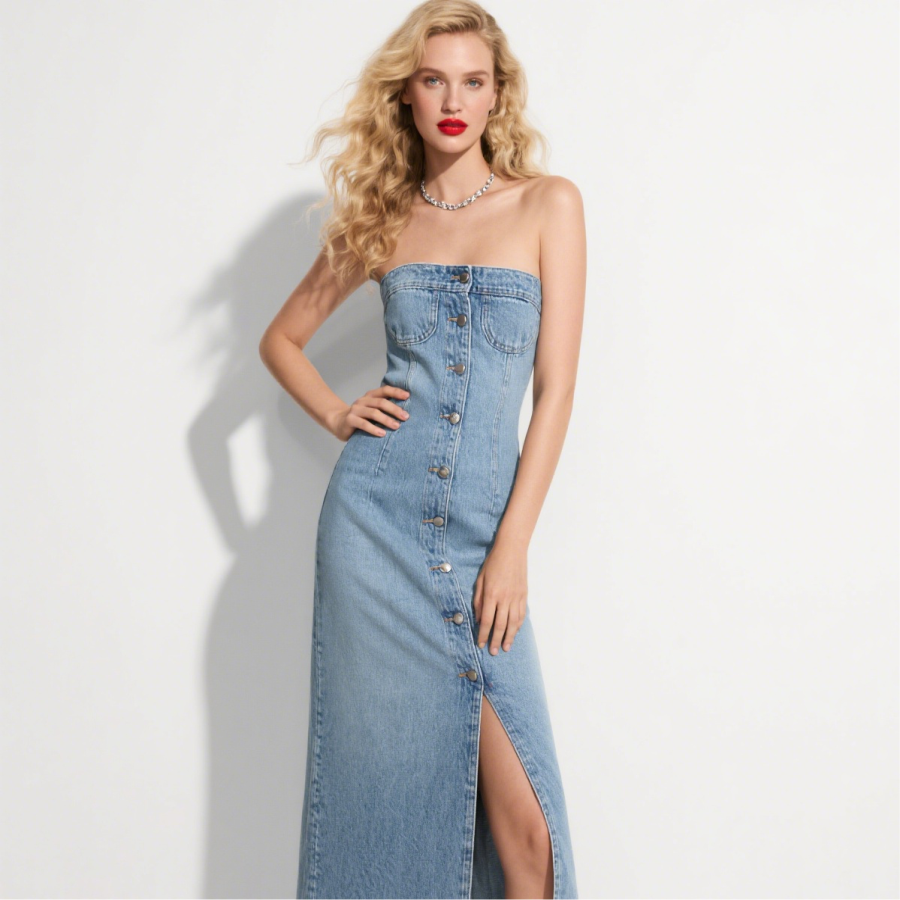
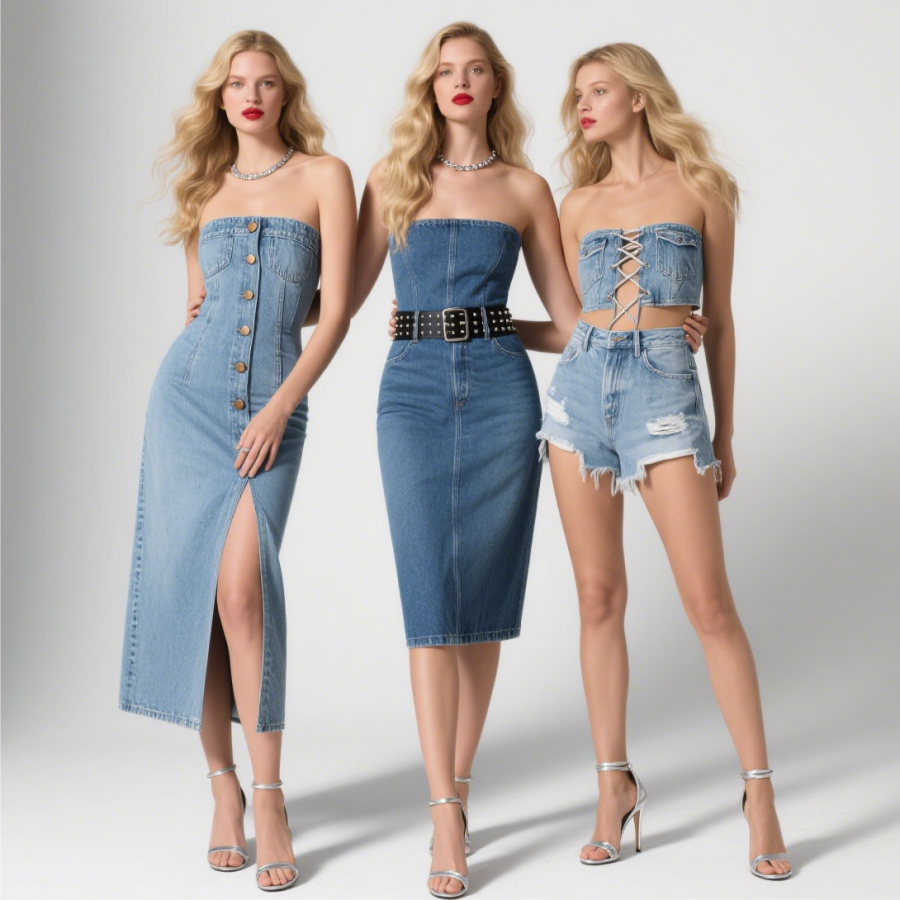
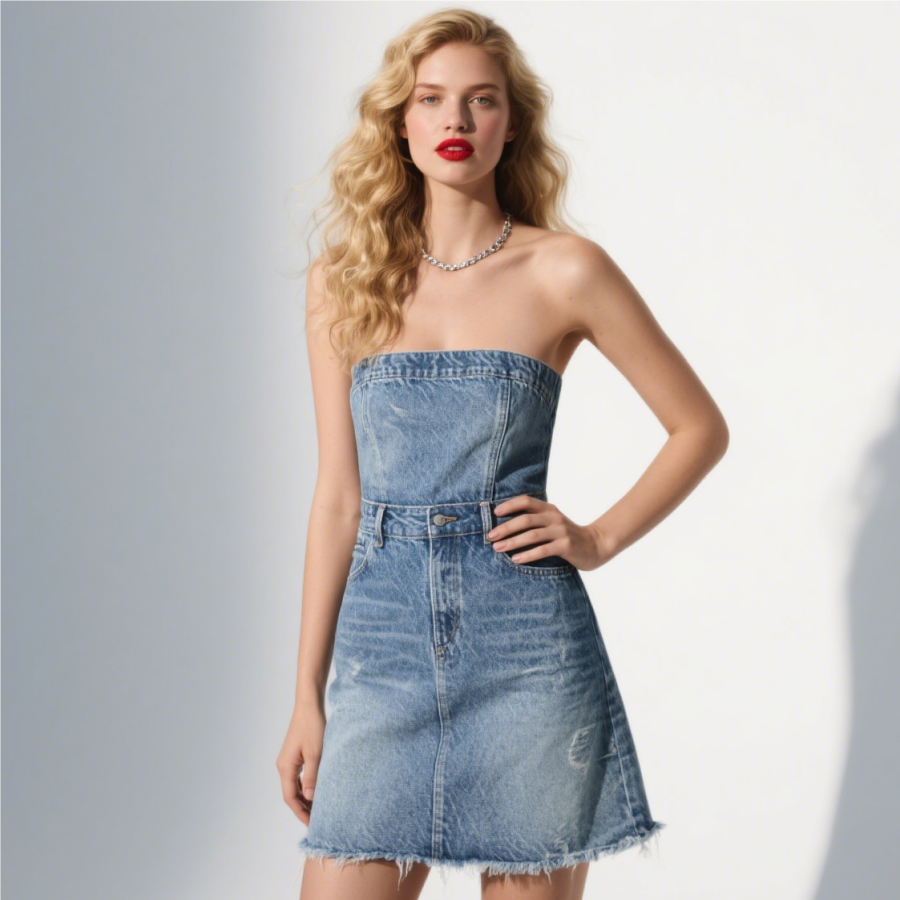
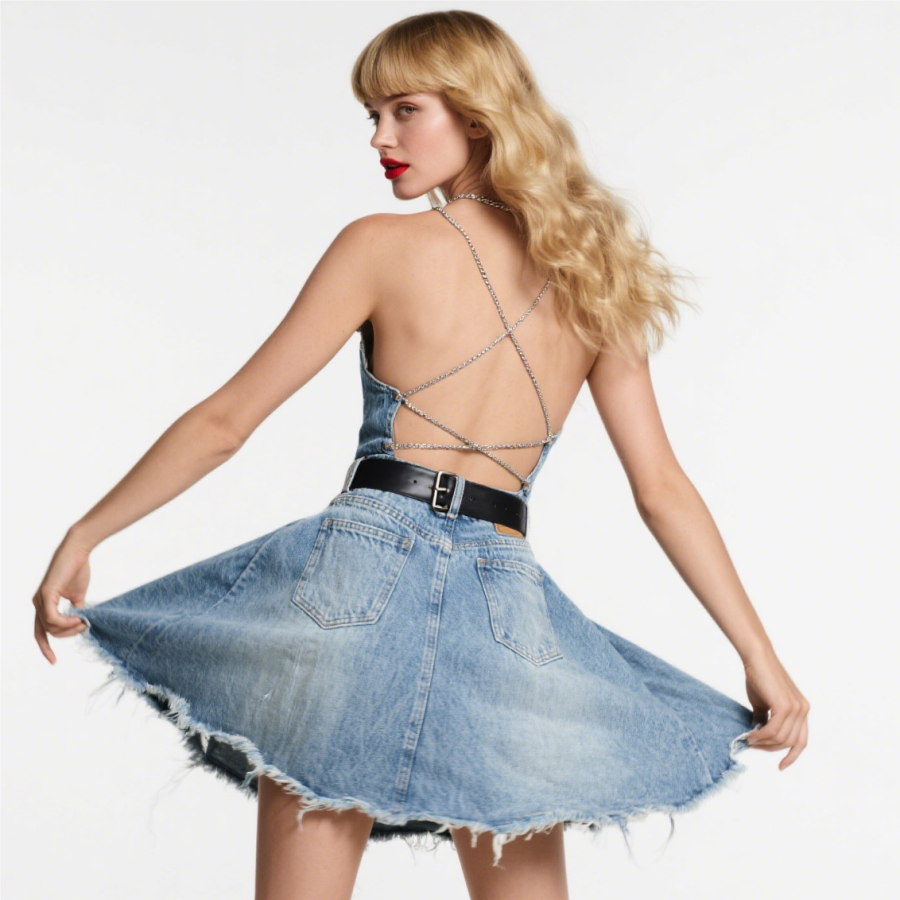
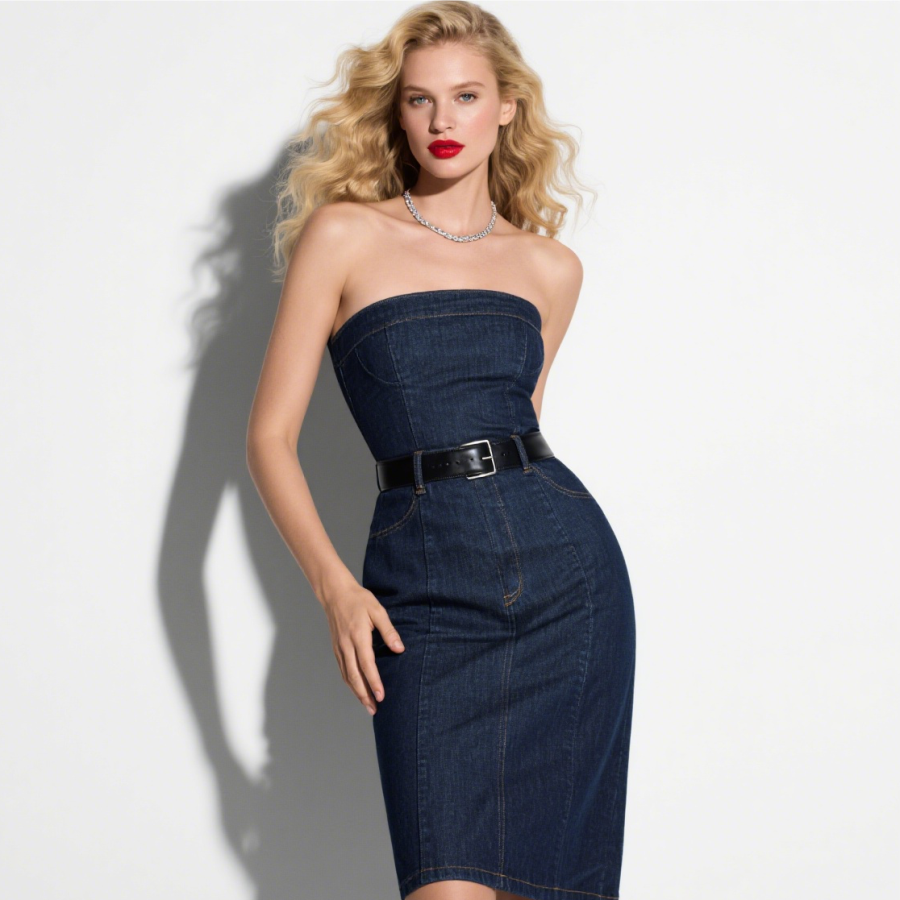
Custom denim skirt
Cowboy clothing washing is a key process that endows it with a unique style and improves the wearing experience. The core elements can be divided into three modules: pre washing preparation, core washing process, and post washing treatment. Each link is interrelated and directly affects the final product effect.
1. Preparation elements before washing water
2. Core washing process elements
3. Elements of post-treatment after washing water

1. Control of denim fabric characteristics
Raw material properties: Clearly define the cotton content of the fabric (usually 80% -98%), whether it contains elastic fibers (such as spandex), and whether the elastic fabric needs to control the washing tension to prevent deformation. For Khmer fabrics, pay special attention to the shrinkage rate (the shrinkage rate of conventional non pre shrunk fabrics is 3% -5%).
Organizational structure: Distinguish between twill fabric (mainly 3/1 twill), plain weave fabric, etc. After washing, the texture of twill fabric is clearer, and it is necessary to avoid distortion of the texture.
Fabric pretreatment status: Confirm whether it has undergone desizing and boiling. Undesized fabrics are prone to color spots when washed, and desizing processes need to be added in advance.
2. Adaptation of clothing structure and accessories
Structural details: The waistband, crotch, and hems of jeans, which are prone to stress, need to be reinforced before washing to prevent deformation or cracking after washing.
Washing resistance of accessories: Metal buttons and zippers need to be tested for acid and alkali resistance (commonly used enzymes and oxalic acid in washing water) and temperature resistance to avoid rusting or fading; The printing and embroidery parts need to confirm their washability to prevent the patterns from falling off.
2、 Core washing process elements
1. Basic washing water (removing impurities and pre shrinking)
Process parameters: water temperature of 50-60 ℃, washing time of 15-20 minutes, bath ratio of 1:10-1:15 (weight ratio of fabric to water), adding neutral detergent (such as denim specific washing powder), the main function is to remove surface dust and residual slurry on the fabric, while achieving preliminary shrinkage and stable size.
Attention: The water temperature of the elastic fabric should be lowered to below 40 ℃ to avoid aging of the spandex; Dark fabrics need to be treated with anti staining agents to prevent fading and contamination.
2. Stylish washing water (creating visual effects)
(1) Fading process
Stone washing/grinding: Put floating stones (natural volcanic stones) or artificial stones together with denim clothing into the washing machine, use the stones to rub the surface of the fabric, achieve partial or overall fading, and create a retro and vintage feeling. Parameters: Stone to fabric weight ratio of 1:1-1:3, rotation speed of 20-30 revolutions per minute, time of 30-60 minutes, suitable for thick denim fabrics (such as 12oz or more).
Enzyme washing: Using cellulose enzymes (acidic, pH 4.5-5.5) to decompose the surface fibers of the fabric, achieving a mild fading effect. Compared to stone washing, it is more environmentally friendly and less likely to damage the fabric. Parameters: Enzyme dosage of 1% -3% (relative to fabric weight), water temperature of 45-55 ℃, time of 20-40 minutes, suitable for light to moderate fading needs, especially for elastic denim.
Chemical washing: By using chemical agents such as potassium permanganate (KMnO4) and sodium hypochlorite to oxidize fabric pigments, rapid and effective fading can be achieved, which can be used to create local strong contrast effects such as "holes" and "cat whiskers". Attention: It is necessary to strictly control the concentration of the drug (0.5% -2%) and the duration of action (5-15 minutes). Subsequently, oxalic acid should be used for neutralization to prevent residual drug damage to the skin.
(2) Texture based craftsmanship
Sand washing: Use sandpaper or sand particles to physically rub parts of the clothing (such as pant legs and pocket edges) to create a delicate, white texture. Manual operation is required to control the force and avoid fabric damage.
Snowflake washing: the potassium permanganate solution is attached to the surface of the fabric by spray or immersion, and the irregular "snowflake like" white spots are formed after washing. Parameters: the potassium permanganate concentration is 0.8% -1.2%, and the drying time is 10-15 minutes, which is suitable for creating a personalized fashion style.
3. Functional washing water (enhances wearing experience)
Soft washing water: After washing, add a softener (such as cationic softener) at a dosage of 0.5% -1%, water temperature of 30-40 ℃, and time of 10-15 minutes to reduce fabric roughness and improve skin friendliness. It is suitable for close fitting denim clothing (such as denim underwear and tight jeans).
Anti shrinkage washing water: Through the combination process of "high-temperature pre shrinkage+mechanical stretching", the fabric shrinkage rate is controlled within 1%. The specific process is: boiling at a water temperature of 80-90 ℃ for 20 minutes, and then stretching and shaping on a shaping machine, suitable for products that require high dimensional stability (such as workwear denim clothing).
3、 Elements of post-treatment after washing water
1. Neutralization and cleaning
For fabrics washed with chemicals or enzymes, neutralizing agents (such as baking soda to neutralize acidic enzymes and oxalic acid to neutralize alkaline agents) should be used to adjust the pH value to 6-7 (close to the pH of human skin) to avoid residual agents irritating the skin; Subsequently, rinse with clean water 2-3 times to ensure that there are no residues of detergent or medication.
2. Shaping and drying
Shaping: Use a shaping machine (temperature 130-150 ℃, speed 15-20 meters/minute) to calibrate the size of the washed clothing, fix the pattern, especially for key dimensions such as pants length and waist circumference, and control the error within ± 1cm.
Drying: Use drum drying (temperature 60-70 ℃, time 30-40 minutes) or natural air drying. When drying, the clothing should be placed flat to avoid wrinkles; Dark fabrics are recommended to be dried at low temperatures to prevent excessive fading.
3. Quality inspection
Check the color fastness of the washed clothing (rubbing color fastness ≥ level 3, washing color fastness ≥ level 3), dimensional stability (shrinkage rate ≤ 3%), fabric integrity (no damage or snagging), and accessory condition (normal use of buttons and zippers) to ensure compliance with industry standards (such as the washing requirements for denim shirts in GB/T 2660-2022 "Shirts").