- Language
Can you do smart control without the Internet
Even without network access, intelligent control can still be implemented. The core of intelligent control is the closed-loop logic of "perception-decision-execution", while network is more used for multi-device collaboration, remote interaction or data upload, and is not a necessary condition for all intelligent control scenarios.

It can be understood from the following aspects:
From a fundamental logic perspective, localized intelligent control systems can operate independently of network connectivity. The core logic in many smart control scenarios can be executed locally: After sensors collect data, it is directly transmitted to local controllers (such as microcontrollers, PLCs, or embedded chips). These controllers then perform calculations using predefined algorithms (like fuzzy control or PID regulation) or locally stored decision models before sending commands to actuators. For example, in a home smart thermostat, when the temperature sensor detects water temperature, the local chip automatically adjusts heating power based on preset temperatures – an entire process requiring no internet connection. Similarly, a smart robotic vacuum cleaner can navigate paths, avoid obstacles, and perform cleaning tasks without remote control capabilities, relying instead on built-in gyroscopes and collision sensors for path planning and obstacle avoidance.
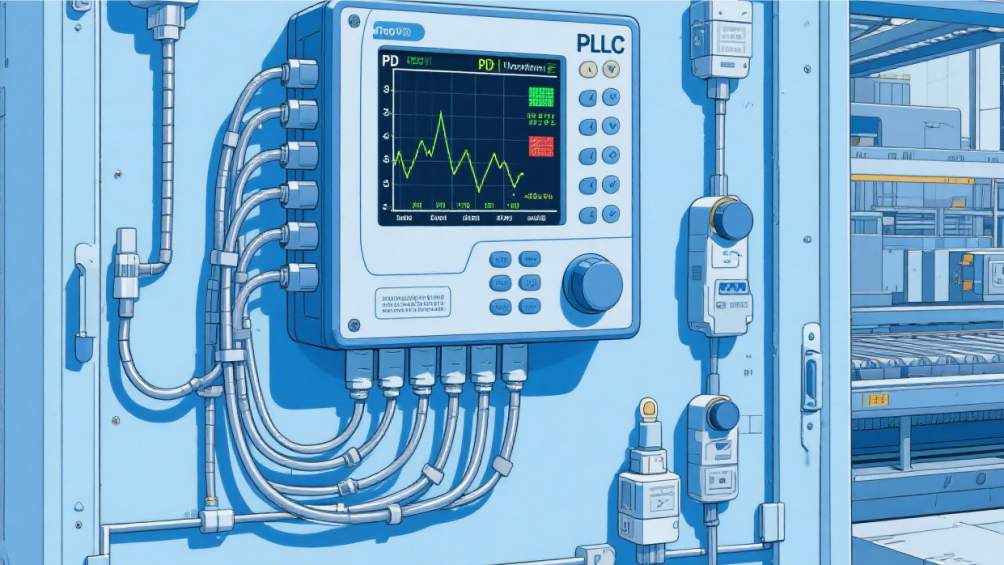
From a technical standpoint, local hardware and pre-programmed capabilities form the foundation of network-free intelligent control. The controller's computing power, locally stored algorithm models, and hardware coordination between sensors and actuators collectively establish this control framework. For instance, smart machine tools in industrial settings store machining parameters and control logic via local PLCs, receive real-time position signals from tool sensors, and automatically adjust cutting speeds and feed rates—all without external network dependency. Similarly, intelligent irrigation systems in agricultural greenhouses trigger preset algorithms through local temperature/humidity sensors. When soil moisture falls below thresholds, the controller directly activates water pumps for irrigation, eliminating network intervention.
In practical applications, single-device, fixed-logic, and short-range intelligent control systems are more readily implemented in network-free environments. These scenarios require minimal equipment coordination or remote intervention, with relatively fixed operational logic. Examples include: locally controlled smart lighting (activated by infrared sensors detecting human presence), fingerprint-verified door locks (with stored data verified on-site), and pre-programmed drone flight paths (with flight trajectories and attitude controls embedded in onboard controllers). The "intelligence" in these implementations lies in automated response and precise execution of predefined logic, rather than relying on networked data transmission.
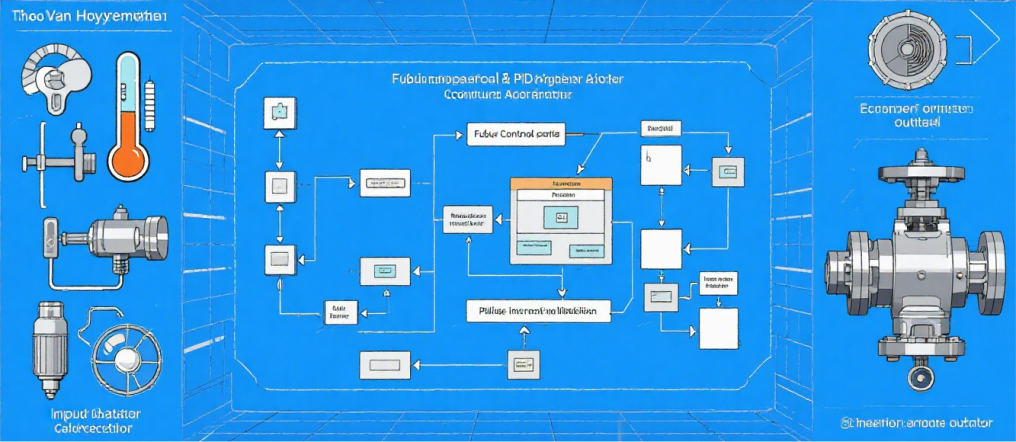
However, intelligent control in offline environments faces several limitations. First, multi-device coordination is unachievable. For example, smart home systems requiring synchronized lighting, curtain control, and air conditioning operations depend on network connectivity – without it, devices operate independently. Second, remote interaction and real-time updates are unavailable: users cannot adjust parameters via mobile apps, and controllers lack access to cloud-based algorithm optimizations or new features. Third, adaptive capabilities in complex scenarios remain constrained. Big data-driven dynamic decision-making (such as real-time traffic light timing optimization) relies on global network data, rendering these systems fixed-pattern operations when offline.
In conclusion, intelligent control systems can not only be implemented without network connectivity but also demonstrate stable performance in numerous localized and standalone operational scenarios. The core mechanism relies on local hardware's capabilities in sensing, computing, and execution to automate preset logic. While network infrastructure primarily expands the collaborative scope, remote interaction capabilities, and dynamic optimization potential of intelligent control systems, it should not be considered a "necessary prerequisite" for their functionality.
-
Aliyun VS Baidu Cloud
Jul 19, 20254754
-
The Importance of Network Cabling for Smart Factories
Jul 19, 20254740
-

Full analysis of wiring test tools
Jul 19, 20254734
-

Enterprise network cabling
Jul 19, 20252411
-

-

Can you do smart control without the Internet
Jul 19, 20253490
-
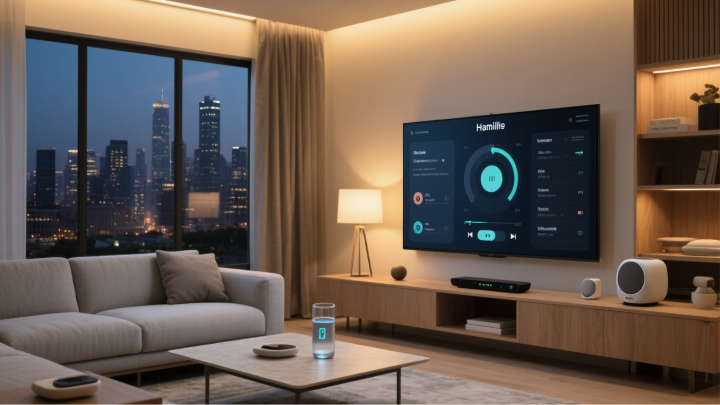
Principle of whole house intelligent control
Jul 18, 20253498
-
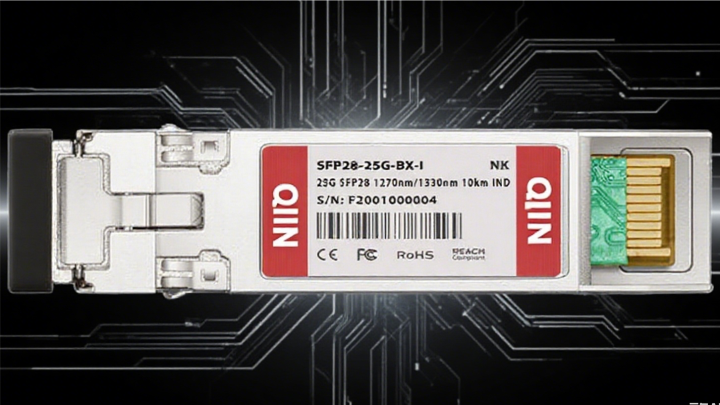
Specifications and functions of light modules
Jul 18, 20254624
-

Fiber optic engineering
Jul 18, 20252417
-
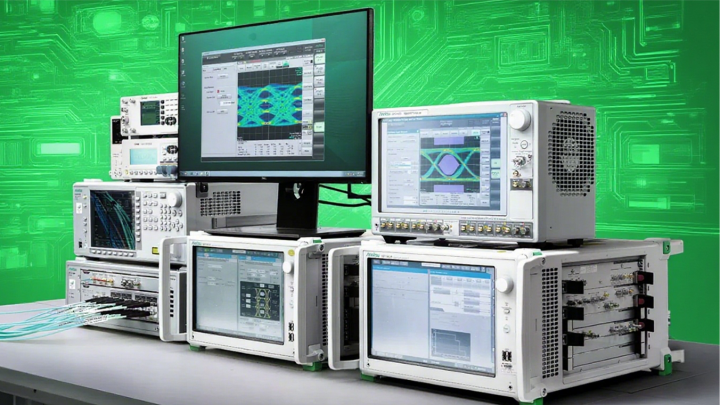
Common classifications and their specific types:
Jul 18, 2025172
-

Parking fee system
Jul 14, 2025327
-

Video face recognition big data system
Jul 14, 20253409
-

Starlink is a low-orbit satellite launched by SpaceX
Jul 14, 20254628
-

5G base station project
Jul 14, 20253724
-
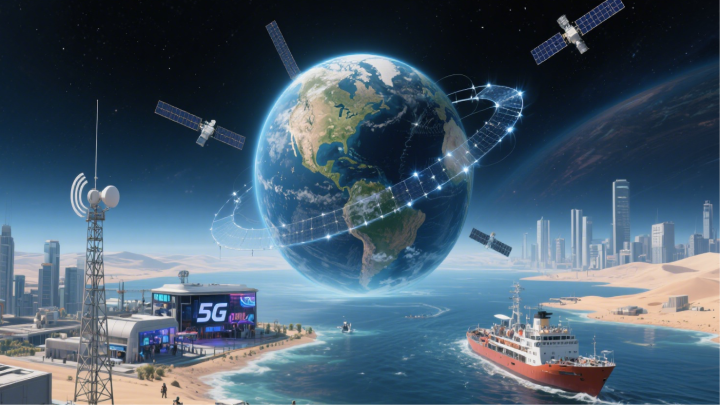
5G and Starlink overview
Jul 14, 20254732
-
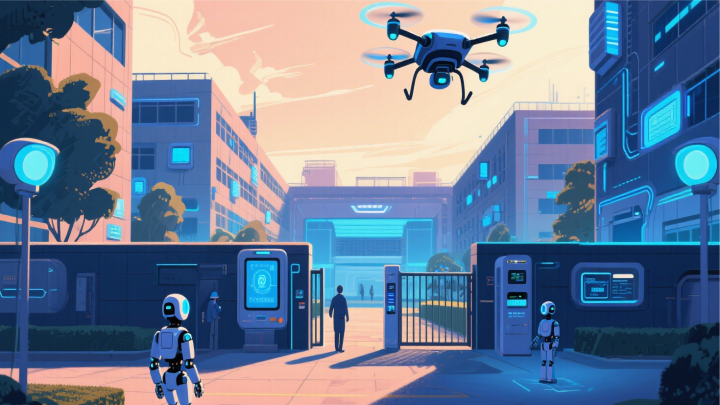
Enterprise LAN security access control system project
Jul 14, 20253512
-

Internet data centers are the nerve center of the digital economy
Jul 14, 20252415
-
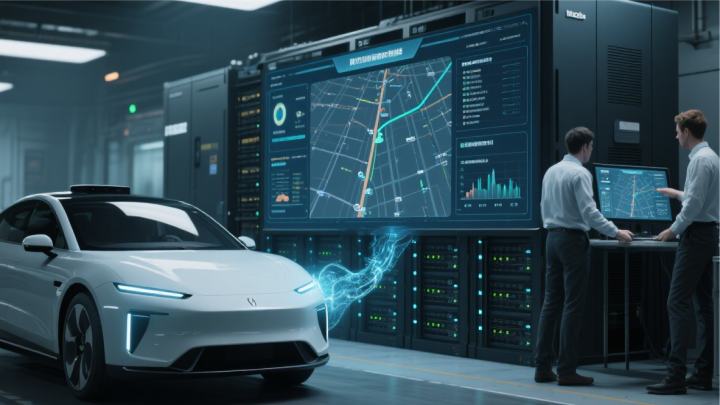
Internet Data Center (IDC)
Jul 11, 20254605
-
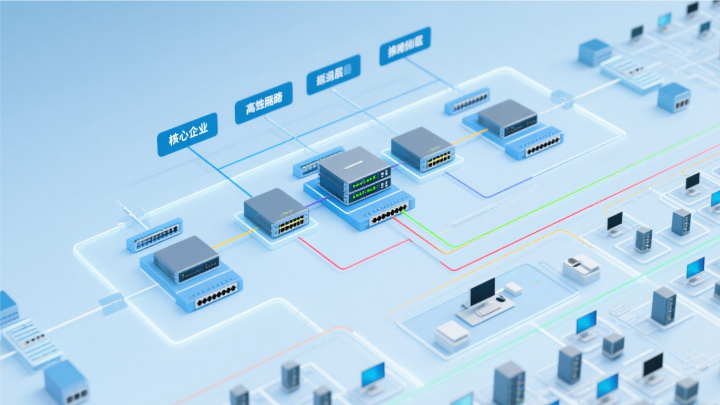
Enterprise LAN solutions
Jul 10, 20253312
-
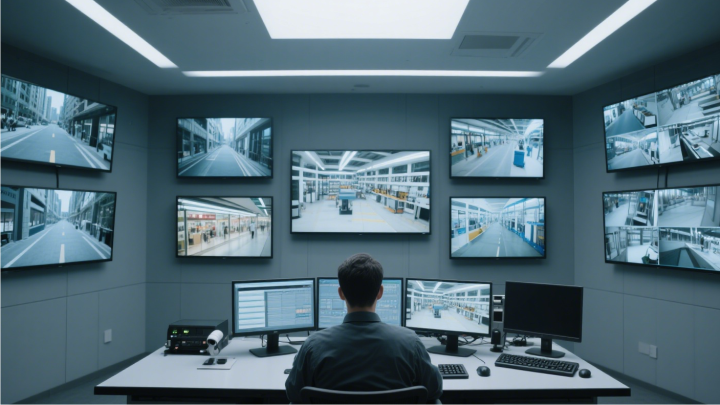
Video transmission theory
Jul 10, 20258882
-

Patented technology and marked RJ45 crystal head
Jul 10, 202533731
-

The relationship between network and intelligent control
Nov 30, 20245257
-

Advantages and disadvantages of intelligent control
Nov 30, 20244601
-
Video Streaming Data Center
Nov 30, 20244626
-
-

Computer Centre
Nov 30, 20243364