- Language
100MHz UTP Network Patch Cord

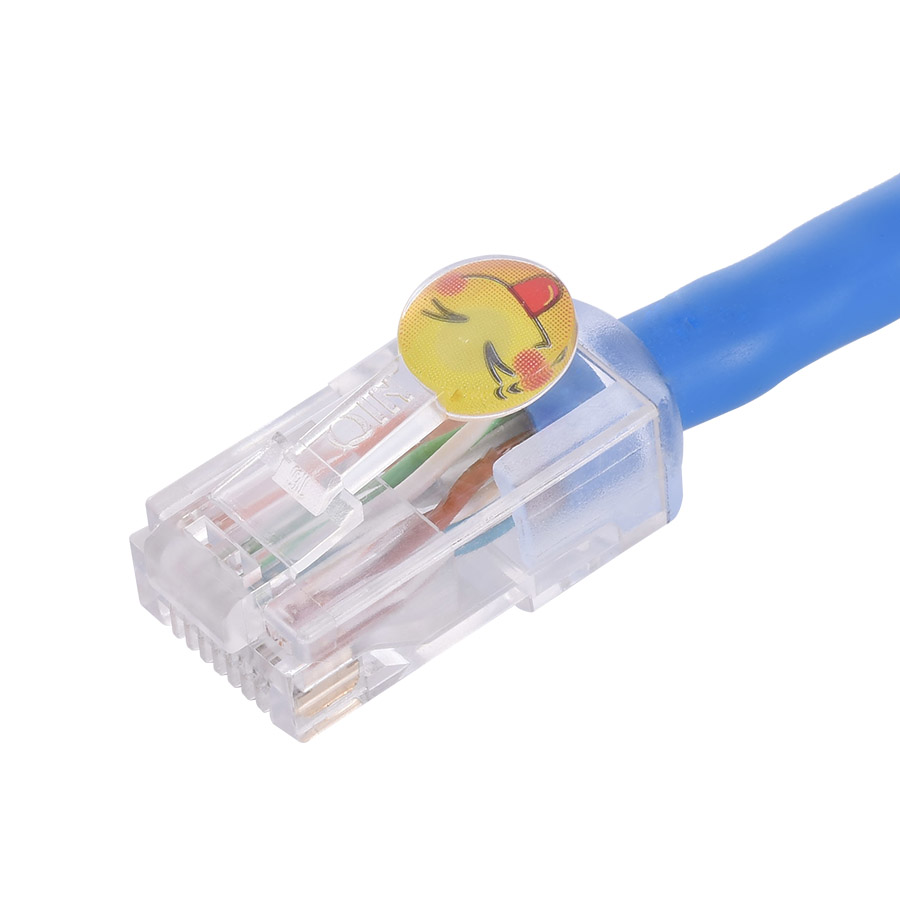
The 100MHz UTP network patch cord—where UTP stands for Unshielded Twisted Pair—is a widely used cabling solution designed to operate at a bandwidth of 100 megahertz (MHz), making it suitable for supporting data transmission speeds of up to 1 gigabit per second (1Gbps) over distances of up to 100 meters (when compliant with Category 5e standards) or 100Mbps (for Category 5 standards). As an unshielded cable, it does not include metallic shielding layers, which gives it several advantages, including a lightweight design, increased flexibility, and lower cost compared to shielded alternatives. This makes it a popular choice for home networks, small to medium-sized businesses (SMBs), educational institutions, and any environment where electromagnetic interference (EMI) and radio frequency interference (RFI) are minimal.
A defining feature of the 100MHz UTP patch cord is its reliance on twisted pair technology to maintain signal integrity. The cable consists of four pairs of copper conductors, each twisted at a specific ratio to reduce crosstalk—the unwanted transfer of signals between adjacent pairs. For Cat5e-compliant models (the most common type of 100MHz UTP cable), the twist ratio is tighter and more precise than that of standard Cat5 cables, further minimizing crosstalk and enabling reliable 1Gbps transmission. This design ensures that even when multiple devices are connected to the network simultaneously, the cable can handle data flow without significant signal degradation or errors.
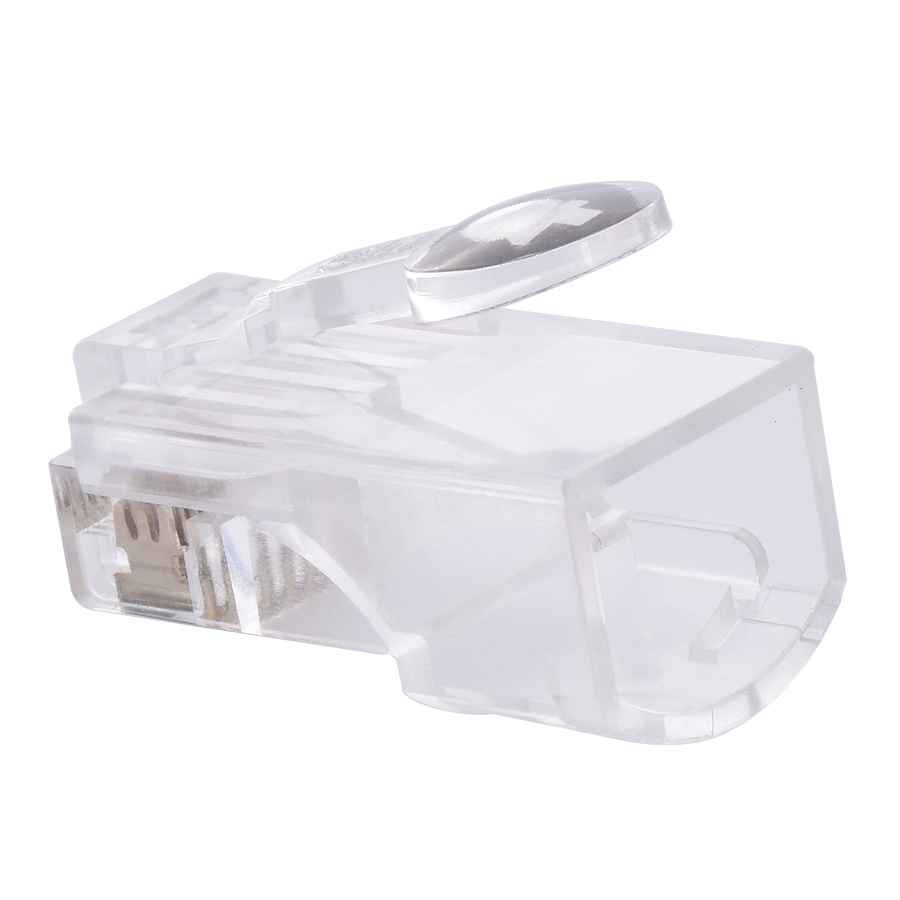
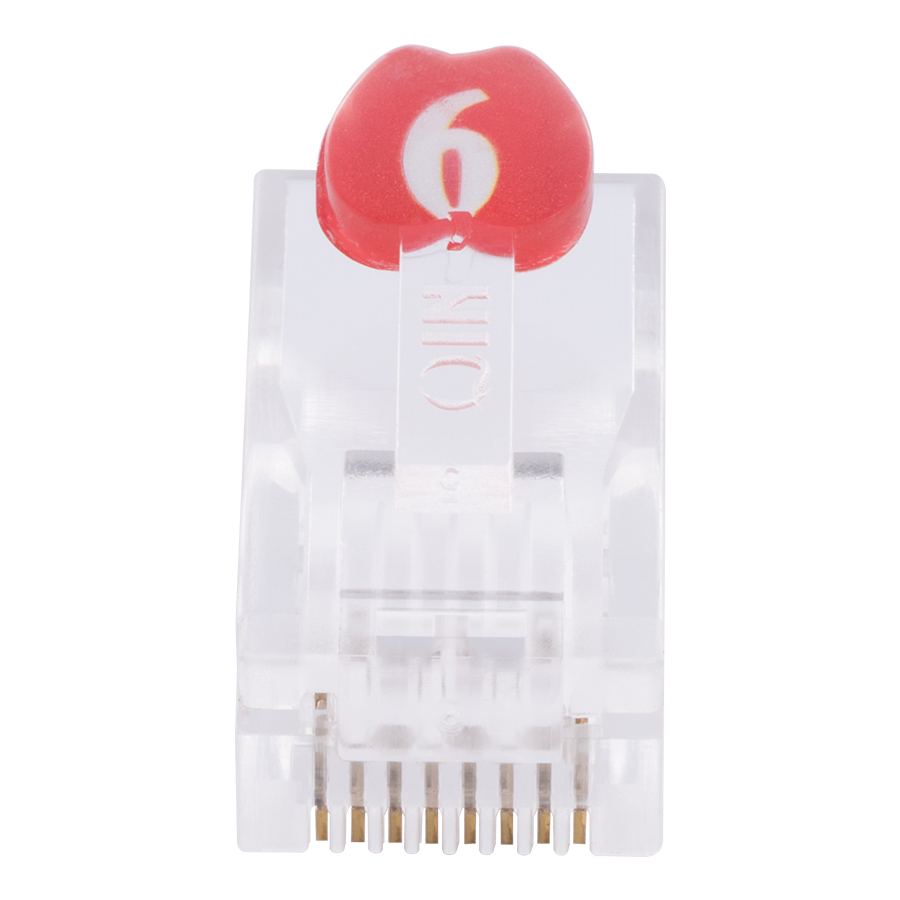
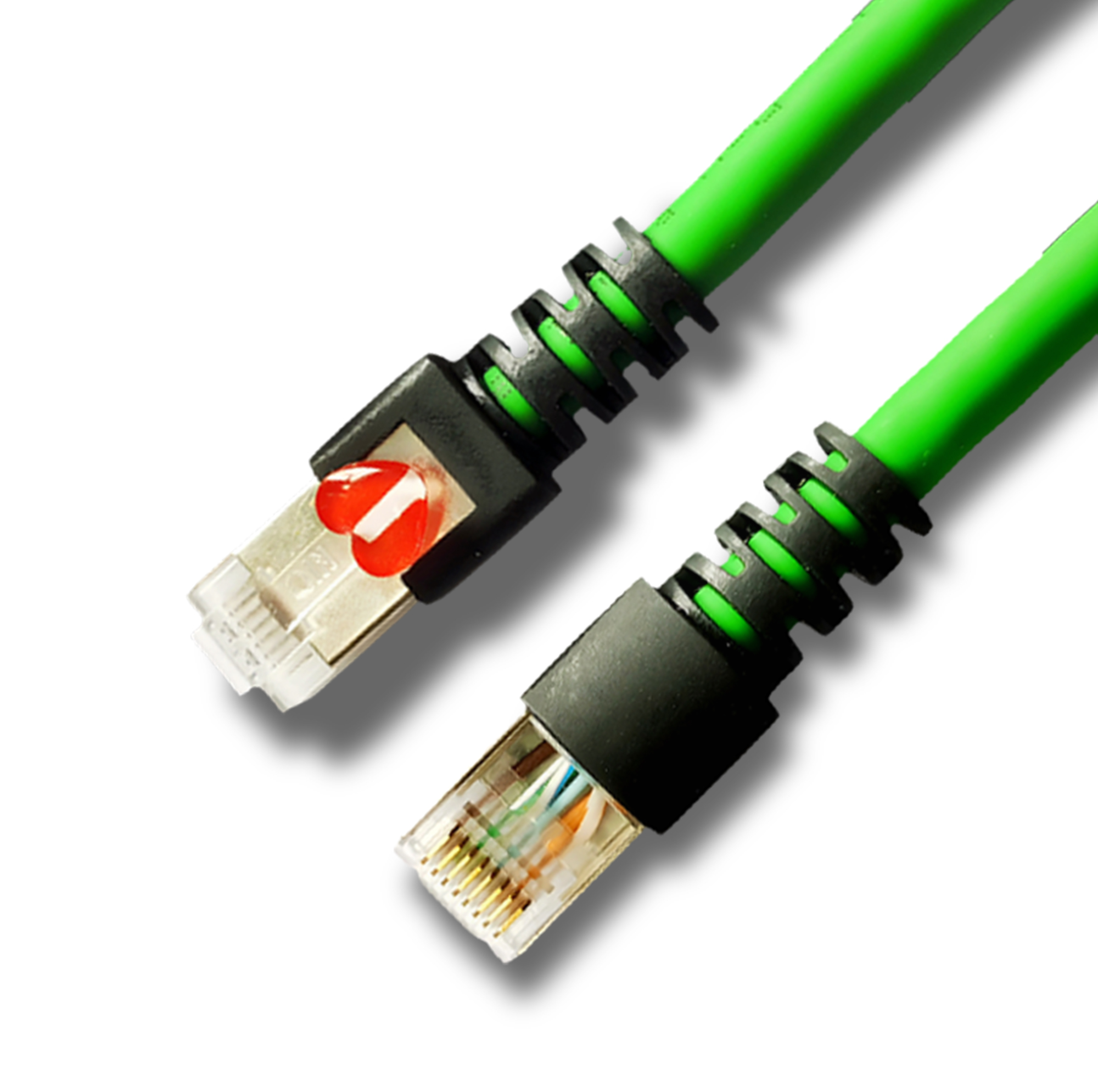
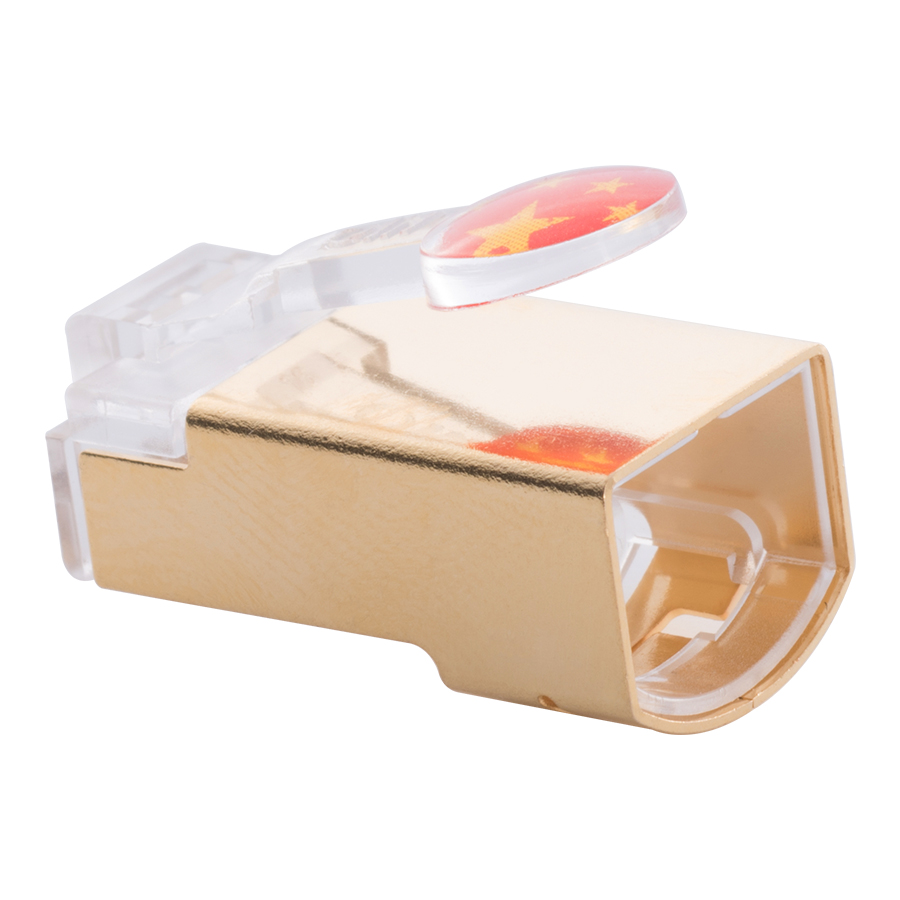
In terms of construction, the 100MHz UTP network patch cord is built for ease of use and durability. The copper conductors are typically 24 AWG, a gauge that balances conductivity and flexibility—thick enough to ensure efficient signal flow, yet thin enough to keep the cable lightweight. The outer jacket is most commonly made from PVC, which provides resistance to wear, tear, and minor environmental damage (such as dust or accidental spills). PVC is also cost-effective, contributing to the cable’s affordability. For environments where fire safety is a concern (e.g., schools, hospitals, or public buildings), LSZH jackets are available as an upgrade, offering flame-retardant properties and low smoke emission. The RJ45 connectors are often gold-plated to enhance conductivity and prevent corrosion, ensuring a stable connection over time. Many models also feature snagless boots, which protect the connector from damage during installation or removal, extending the cable’s lifespan.
Compatibility is a key strength of the 100MHz UTP patch cord. It works with a wide range of Ethernet devices, including routers, switches, desktop computers, laptops, printers, IP cameras (standard resolution), and network-attached storage (NAS) devices that support 10/100/1000BASE-T standards. Its unshielded design means it performs best in low-interference environments—such as residential homes or offices with few electronic devices generating EMI. In settings with high interference (e.g., near industrial machinery or power lines), a shielded cable may be preferable, but for most everyday use cases, the 100MHz UTP patch cord delivers reliable performance. Its combination of affordability, flexibility, and compatibility makes it a staple in both home and small business networks, proving that unshielded cables remain a practical choice for standard bandwidth needs.
Read recommendations:
RJ45 Jack Dust Cover/180 Degree Cat5e RJ45 Keystone Jack With Dust Cover
LEG 77210 Multi-support Single Socket Mosaic German Std - 2P+E w/o Shutters with Screw White
-
-
-
-
-
-
-
-
-
-
Network Patch Cord Cat8
Oct 23, 202592
-
Network Rack Wall Mount with Glass Door
Jan 07, 202679
-
Network Rack Wall Mount 9U
Jan 06, 202675
-

Network Cable Management Tray
Oct 30, 202573
-
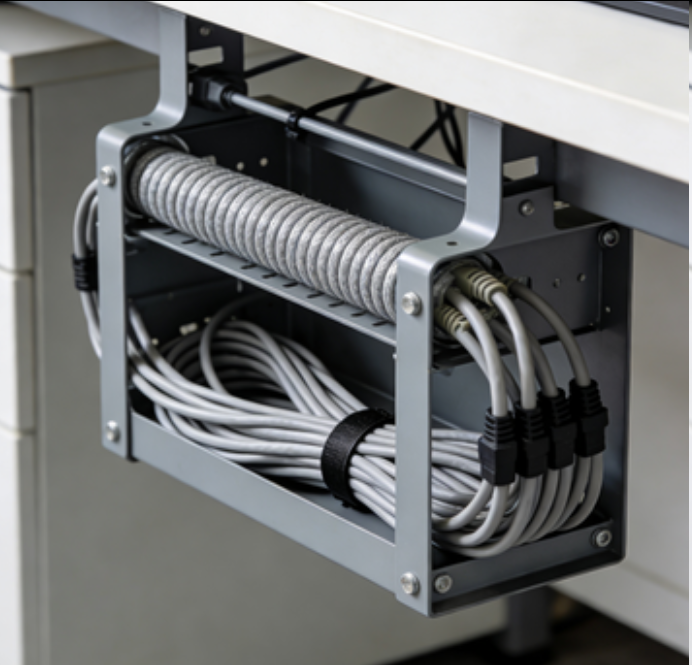
Network Cable Management Under Desk
Dec 25, 202572