- Language
Low-Bandwidth 100Mbps Network Patch Cord
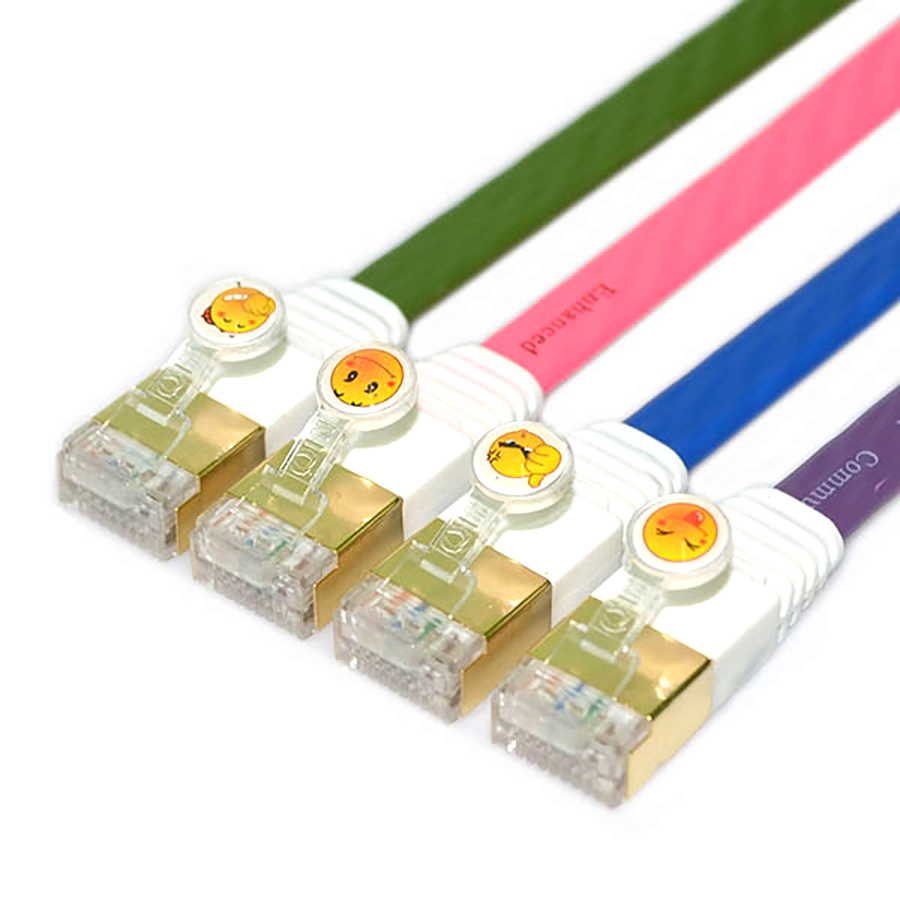
The low-bandwidth 100Mbps network patch cord is a straightforward, cost-effective cabling option tailored for environments where high-speed data transmission is not a requirement, and basic network connectivity suffices. As its name indicates, it supports a maximum data transfer speed of 100 megabits per second (100Mbps) and operates at a relatively low bandwidth—typically aligned with Category 5 (Cat5) standards, which offer a bandwidth of up to 100 megahertz (MHz). This makes it an ideal choice for settings such as small home offices, residential homes, small retail stores, or older office spaces that rely on simple network tasks, including web browsing, sending and receiving emails, streaming standard-definition videos, and sharing small files (under 1GB).
One of the key attributes of the low-bandwidth 100Mbps patch cord is its simplicity in design and functionality. Unlike higher-category cables that incorporate complex features to reduce crosstalk or support high speeds, this patch cord features four twisted pairs of copper conductors (usually 26 AWG or 24 AWG) with a basic twist ratio. While it does not include advanced shielding or a longitudinal separator, its design is optimized to minimize signal loss and crosstalk just enough to ensure reliable performance for its intended use cases. This simplicity also translates to a lightweight and flexible structure, making it easy to install, route through tight spaces (such as behind furniture or along baseboards), and store when not in use.
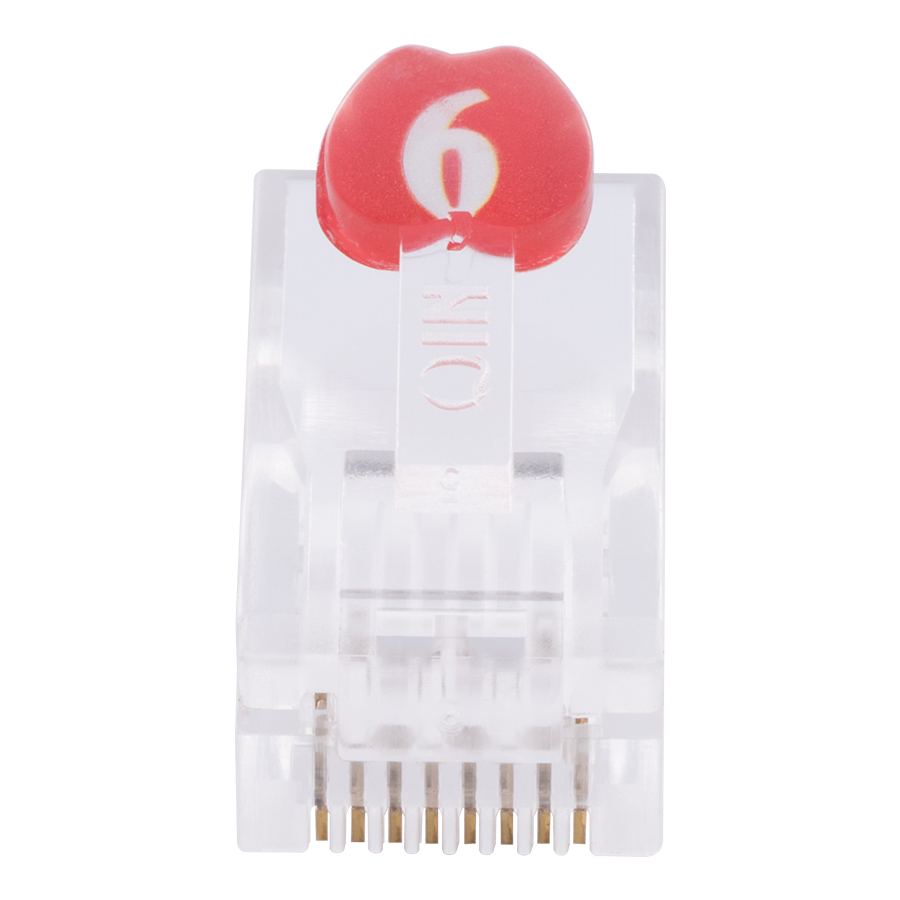
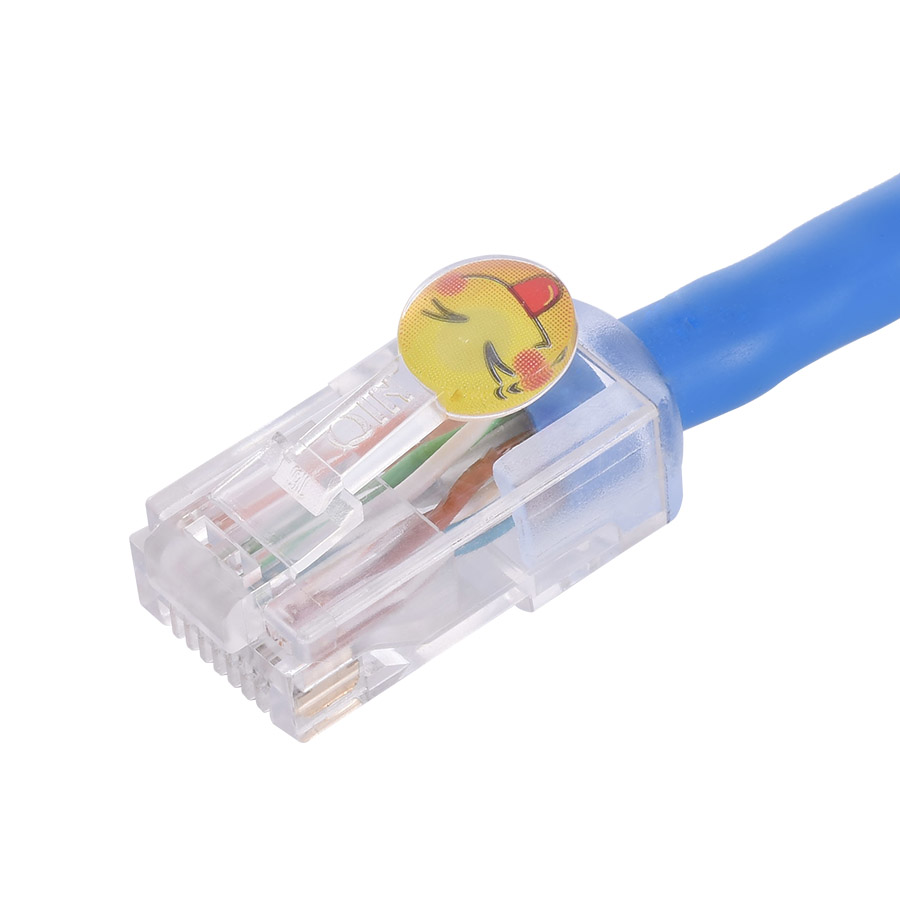
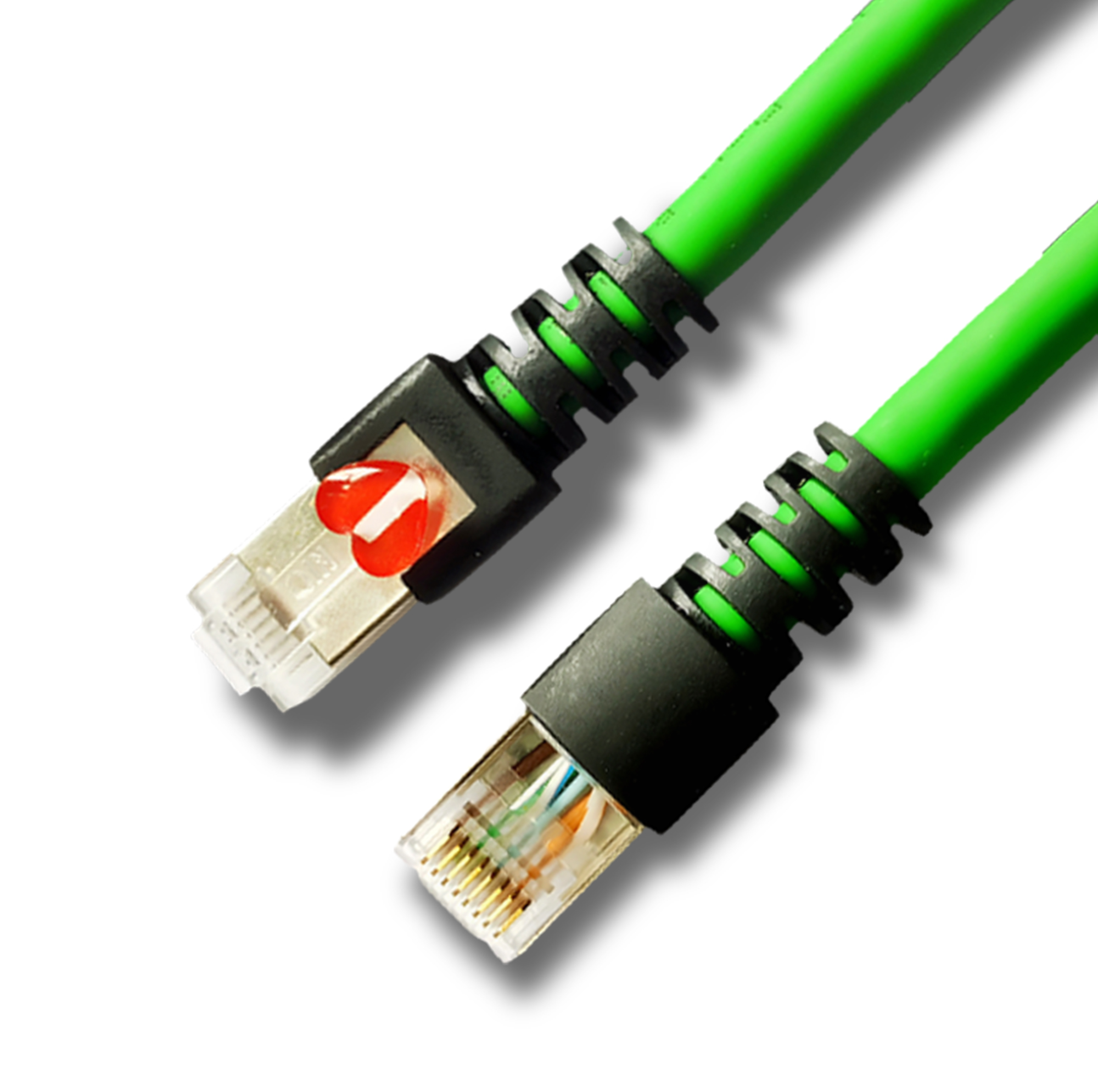
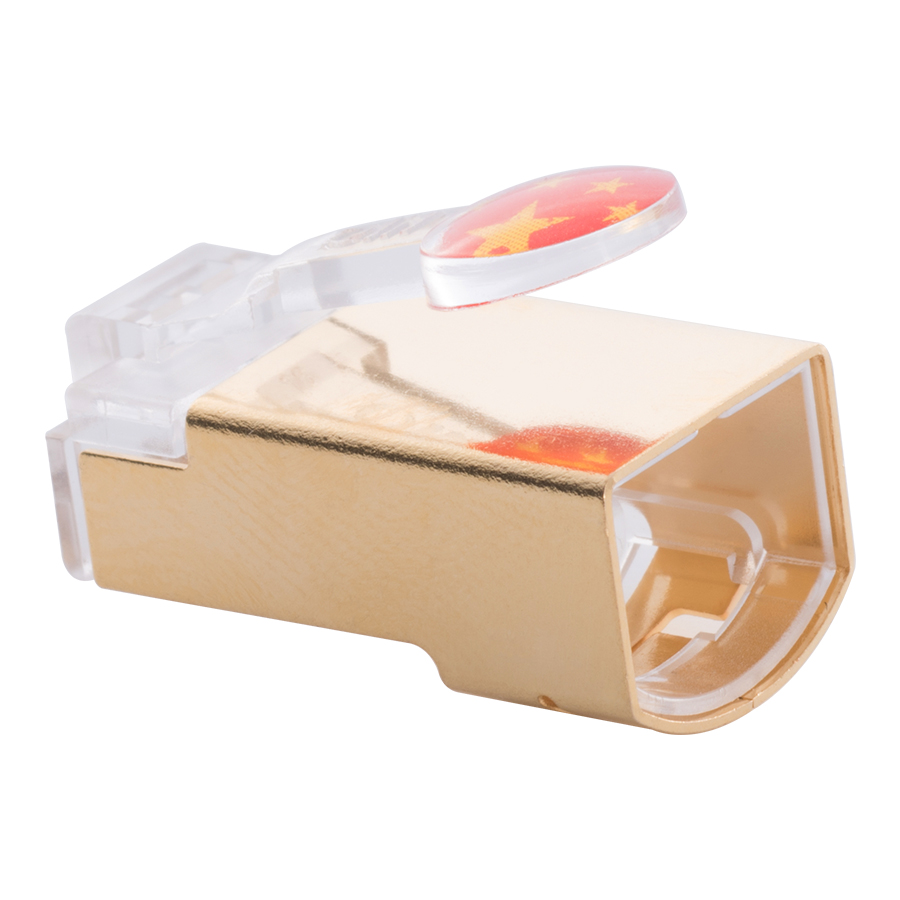
In terms of construction, the low-bandwidth 100Mbps network patch cord prioritizes durability for everyday use. The outer jacket is typically made from PVC (Polyvinyl Chloride), a affordable and robust material that resists minor wear and tear, dust, and occasional exposure to low levels of moisture. For users who prioritize environmental safety, some models offer LSZH (Low Smoke Zero Halogen) jackets, which emit minimal smoke and toxic fumes in the event of a fire—though this is less common for basic, low-bandwidth cables due to cost considerations. The RJ45 connectors at both ends are often plated with nickel or a thin layer of gold to ensure a secure, corrosion-resistant connection, preventing intermittent connectivity issues that can arise from poor contact.
Compatibility is another major advantage of this patch cord. It works seamlessly with legacy network devices that support 10/100BASE-T Ethernet, including older routers, switches, desktop computers, laptops, printers, and smart TVs that do not require high-speed connectivity. Its backward compatibility with 10Mbps devices also makes it a versatile option for organizations or individuals with mixed-age network equipment. Additionally, its low cost—significantly lower than 1Gbps or higher-speed cables—makes it a budget-friendly choice for those looking to set up a basic network without overspending. Whether used to connect a home computer to a router, link a point-of-sale (POS) system in a small shop, or provide temporary connectivity for a guest device, the low-bandwidth 100Mbps network patch cord delivers consistent, reliable performance for basic network needs.
Read recommendations:
Customized Punch Down Dual Idc 8P8C 90 Degree Utp Cat6 Rj45 Keystone Jack
LEG 77010 French Type Mosaic Energy Saving Switch 1 Way Switch 10AX (2 modules) White
RSH Graffiti Zigbee Bluetooth Mesh Three in One Multimode Gateway
-
-
-
-
-
-
-
-
-
-
Network Patch Cord Cat8
Oct 23, 202592
-
Network Rack Wall Mount with Glass Door
Jan 07, 202679
-
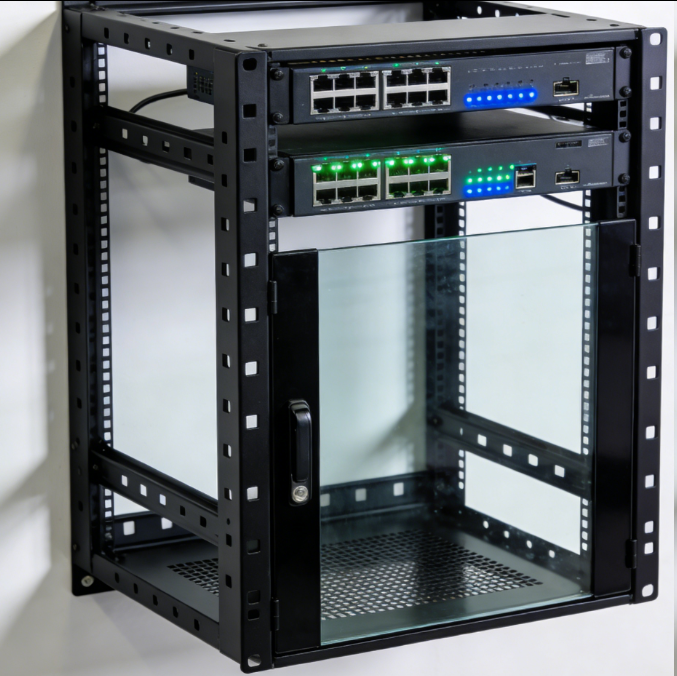
Network Rack Wall Mount 9U
Jan 06, 202675
-

Network Cable Management Tray
Oct 30, 202573
-
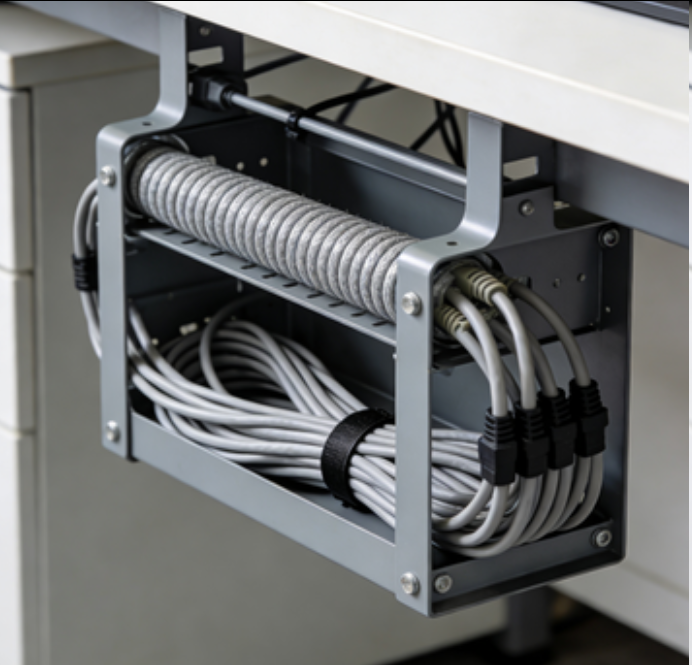
Network Cable Management Under Desk
Dec 25, 202572