- Language
Mid-Bandwidth Network Patch Cord
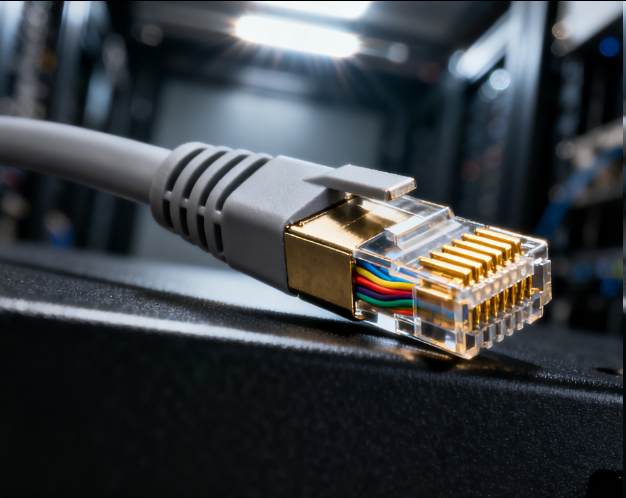
Mid-bandwidth network patch cords are designed to balance performance and cost, making them ideal for small to medium-sized networks where high-speed data transfer is necessary but not at the expense of budget. Typically falling under categories like Cat5e or Cat6, these cables support frequencies up to 100–250 MHz, enabling reliable 1 Gigabit Ethernet (1GBase-T) and, in some cases, 2.5 Gigabit Ethernet (2.5GBase-T) over distances of up to 100 meters. Their versatility makes them suitable for office environments, home networks, and educational institutions.
The construction of mid-bandwidth patch cords often includes four twisted pairs of copper conductors, which reduce crosstalk and electromagnetic interference (EMI). While they lack the advanced shielding of higher-category cables, their performance is sufficient for most everyday applications, such as streaming, file sharing, and VoIP communications. Some models may incorporate partial shielding or foil-wrapped pairs to enhance signal integrity in moderately noisy environments.
When selecting mid-bandwidth patch cords, it’s essential to consider future-proofing. While Cat5e is widely used, upgrading to Cat6 provides better headroom for emerging technologies. Additionally, ensuring the cables meet TIA/EIA-568 standards guarantees compatibility with industry-grade networking equipment. For environments with moderate interference, such as offices with multiple wireless devices, mid-bandwidth patch cords offer a reliable and economical solution.
Read recommendations:
LEG 77000 French Type Mosaic Energy Saving Switch 1 Way Switch 10AX (1 module) White
-
-
-
-
-
-
-
-
-
-
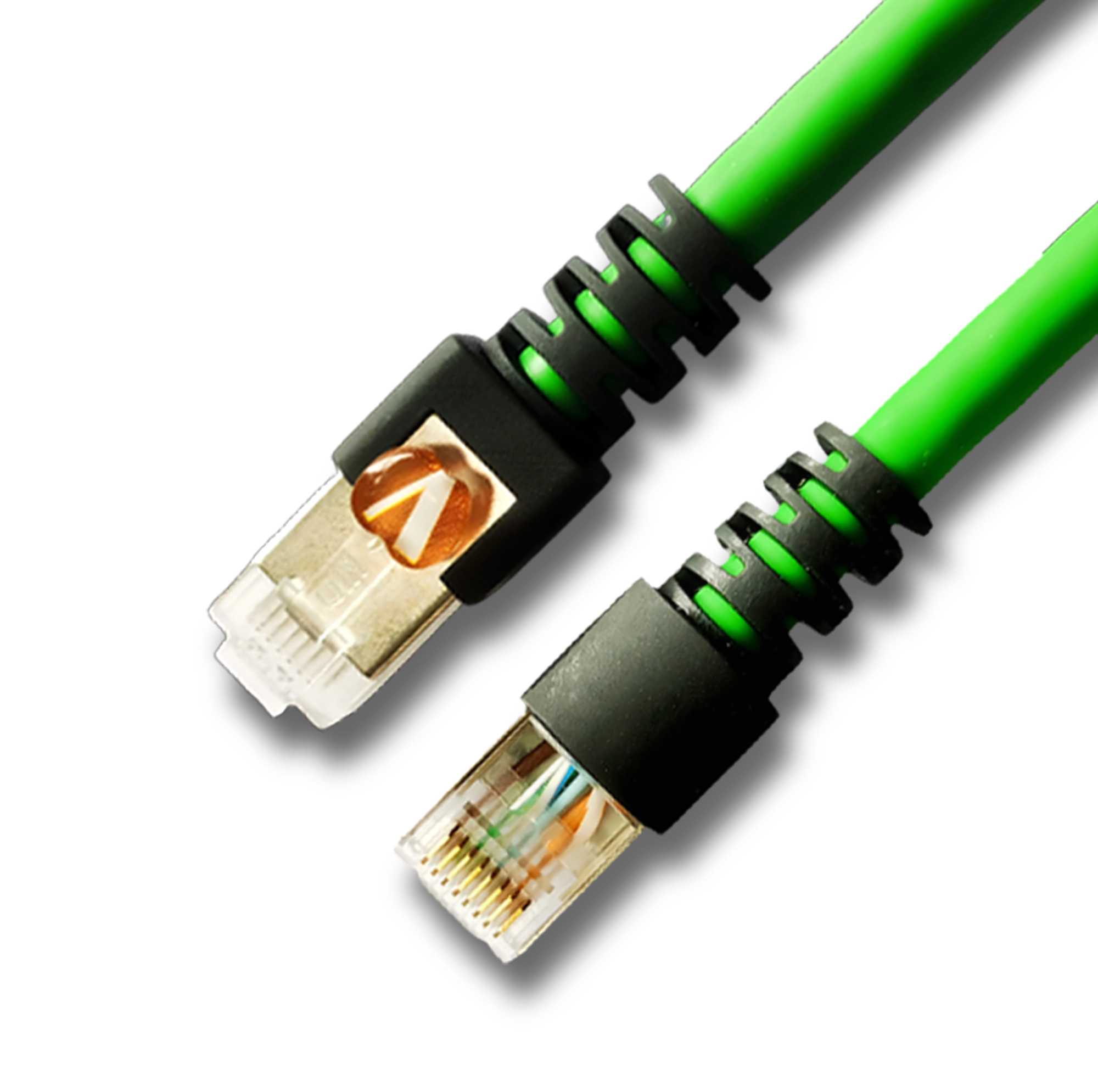
Network Patch Cord Cat8
Oct 23, 202592
-
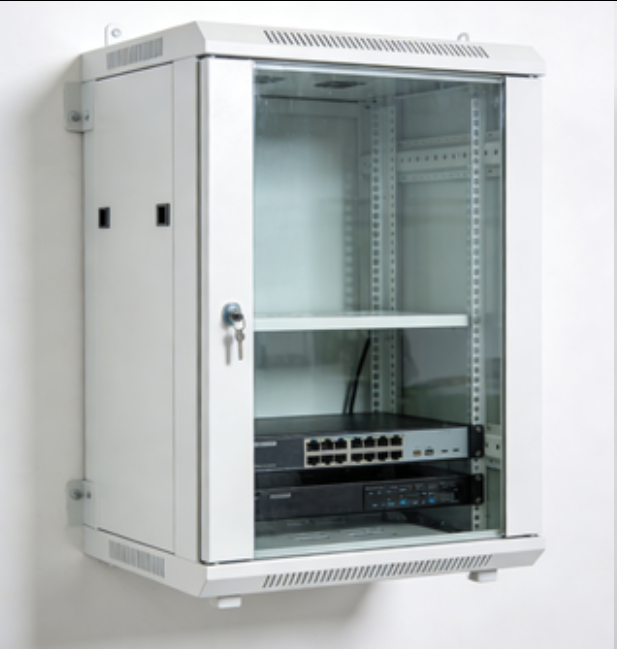
Network Rack Wall Mount with Glass Door
Jan 07, 202679
-
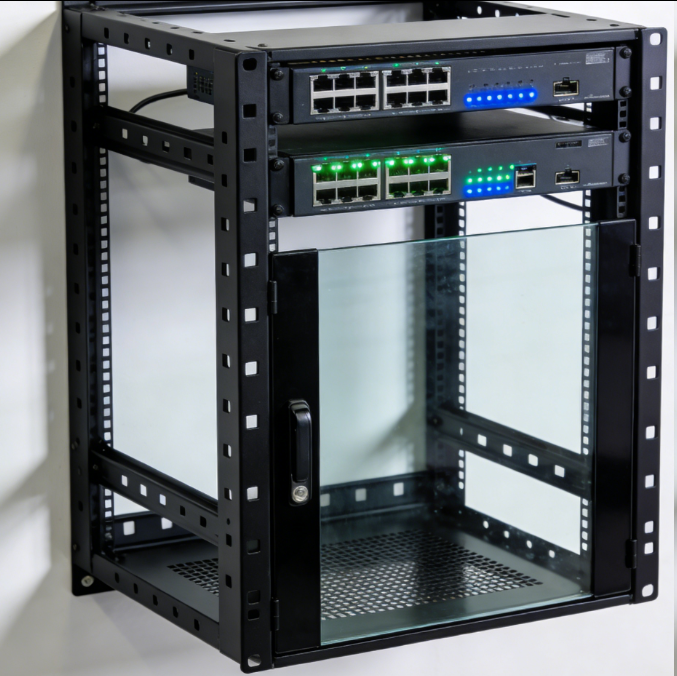
Network Rack Wall Mount 9U
Jan 06, 202675
-

Network Cable Management Tray
Oct 30, 202573
-
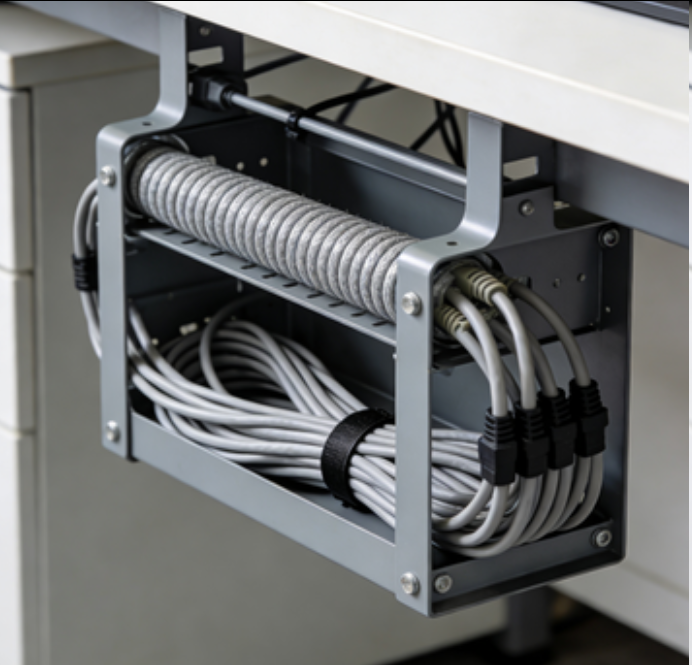
Network Cable Management Under Desk
Dec 25, 202572