- Language
Network Cable Management for Server Rack
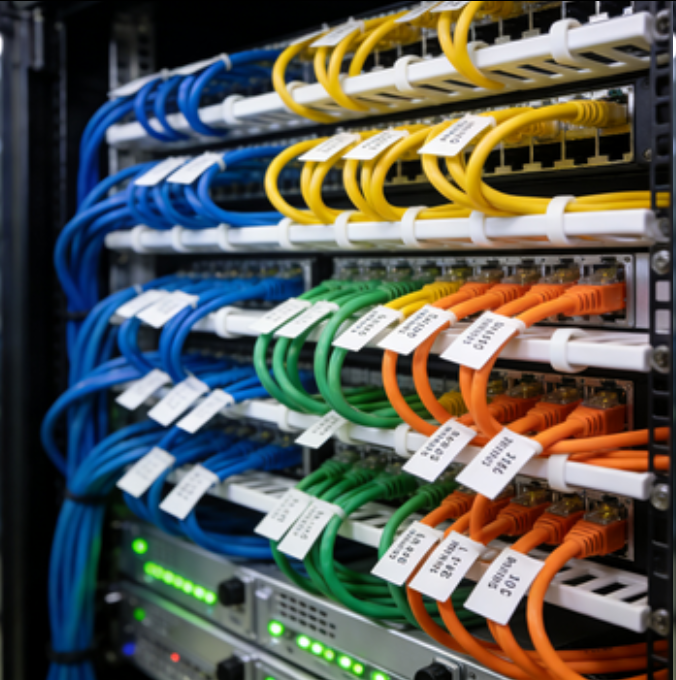
Network cable management within a server rack is a critical aspect of maintaining a reliable, efficient, and organized data center or server room environment. Server racks house a multitude of servers, switches, routers, and other networking equipment, all of which are connected by numerous cables. Without proper management, these cables can quickly become a tangled mess, leading to increased maintenance time, potential cable damage, and reduced network performance.
The first step in effective cable management for server racks is planning the cable layout. Before installing any equipment or cables, it's important to create a detailed plan that outlines the cable routes, connection points, and cable types. This plan should take into account factors such as the location of network ports on the equipment, the type of cables (e.g., Ethernet, fiber - optic), and the desired cable routing paths. By having a clear plan in place, it becomes easier to ensure that cables are routed in an organized and efficient manner.
Once the plan is established, the next step is to use appropriate cable management tools. Rack - mount cable managers are essential for organizing cables within the server rack. These managers come in various forms, including horizontal and vertical types. Horizontal cable managers are typically installed at the front or rear of the rack and are used to route cables that run from side to side, such as those connecting switches to servers. Vertical cable managers, on the other hand, are installed along the vertical rails of the rack and are used to manage cables that need to be routed up and down between different levels of the rack.
In addition to cable managers, cable trays can also be used to support and organize cables within the server rack. Cable trays provide a flat surface or channels where cables can be laid out, preventing them from sagging or tangling. They can be installed horizontally or vertically within the rack, depending on the cable routing requirements. Cable ties and clips are also commonly used to bundle and secure cables, ensuring that they remain in place and do not interfere with the operation of the equipment.
Proper cable labeling is another important aspect of cable management for server racks. Labels should be attached to each cable at both ends, indicating the source and destination of the cable. This makes it easier for technicians to identify and troubleshoot cables, especially in large and complex server racks. Additionally, cable labeling helps with future upgrades and maintenance, as it allows for quick and easy identification of cables that need to be added, removed, or replaced. Overall, effective cable management for server racks is essential for ensuring the reliable and efficient operation of the network infrastructure.
Read recommendations:
LEG 77000 French Type Mosaic Energy Saving Switch 1 Way Switch 10AX (1 module) White
-
-
-
-
-
-
-
-
-
-
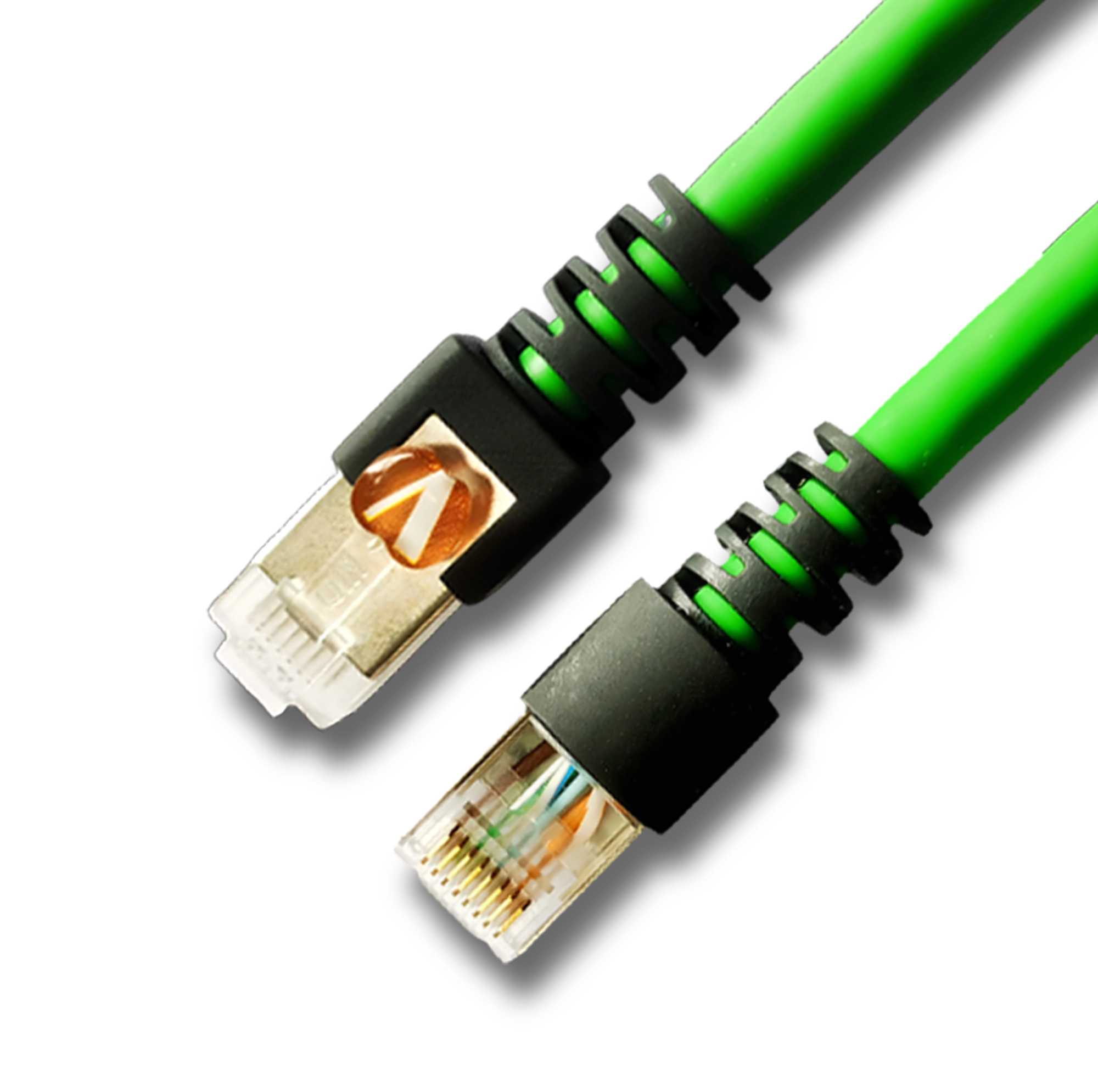
Network Patch Cord Cat8
Oct 23, 202592
-
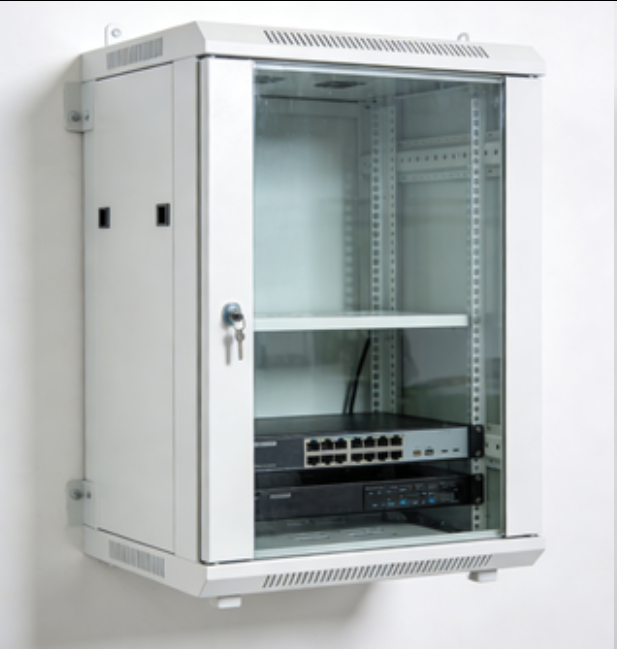
Network Rack Wall Mount with Glass Door
Jan 07, 202679
-
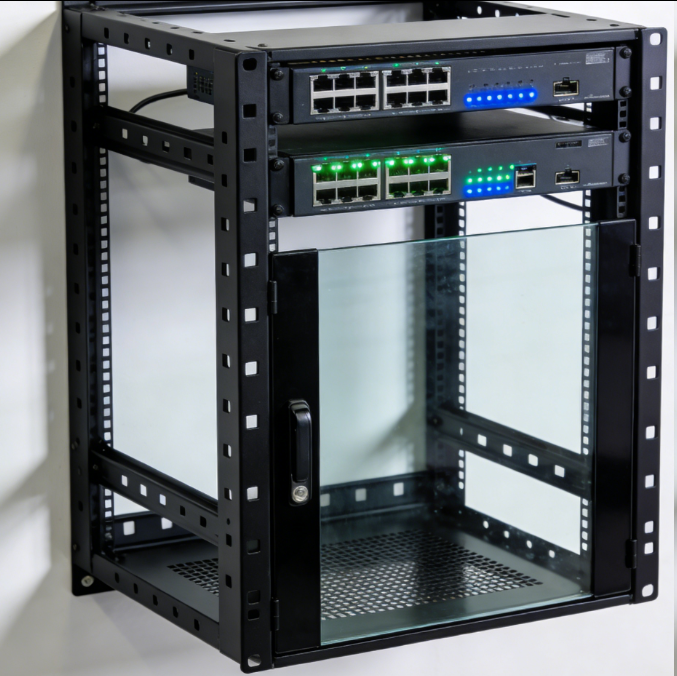
Network Rack Wall Mount 9U
Jan 06, 202675
-

Network Cable Management Tray
Oct 30, 202573
-
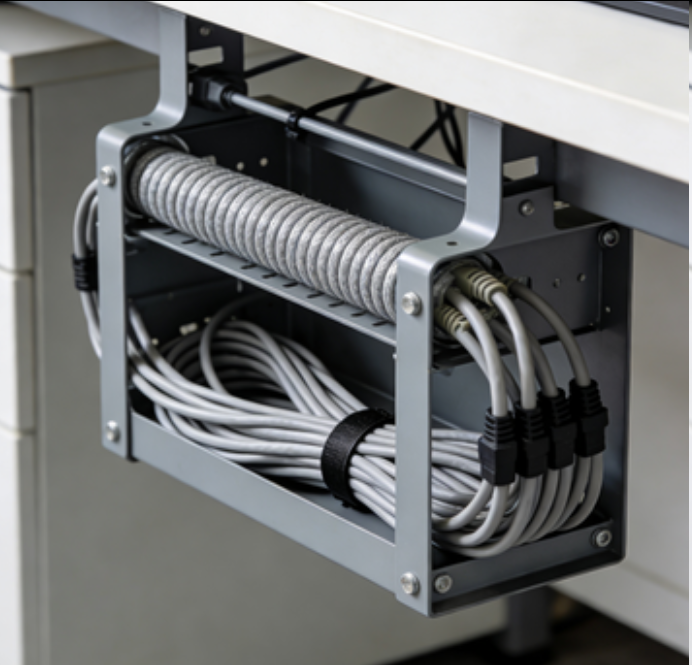
Network Cable Management Under Desk
Dec 25, 202572