- Language
Network Cable Manager Metal Body
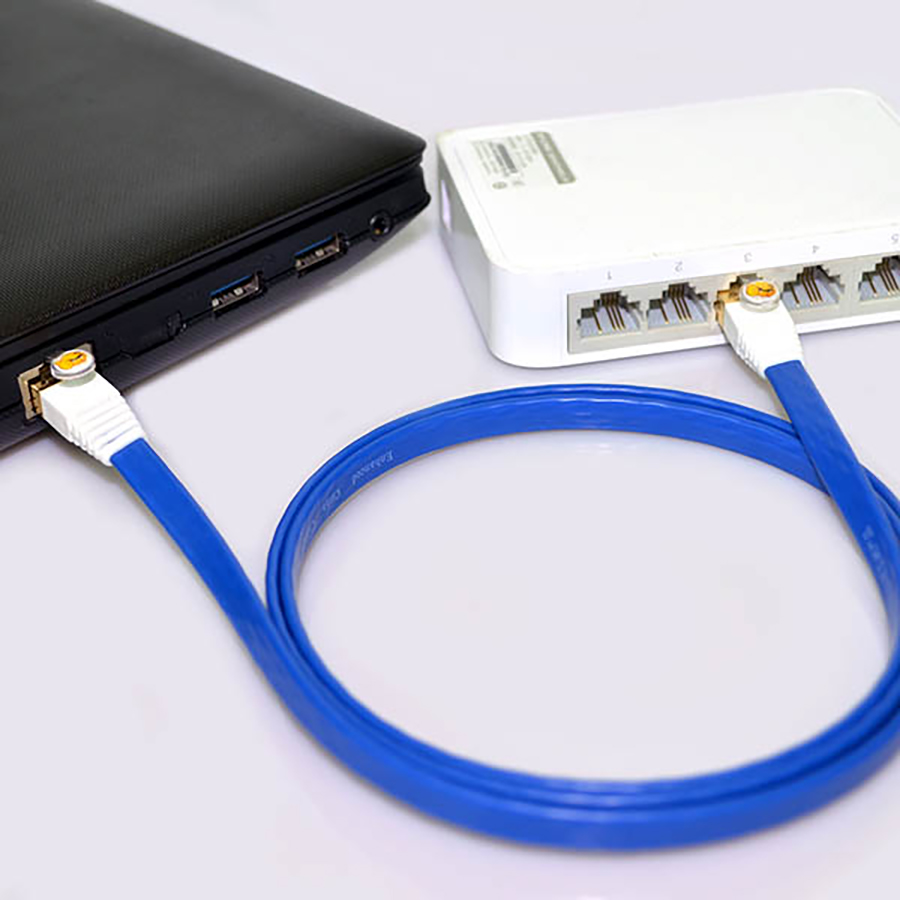
A network cable manager with a metal body stands out for its exceptional durability, robustness, and high - performance capabilities in various networking environments. The use of metal in its construction endows it with several key advantages that make it a preferred choice for demanding network setups, especially in industrial, data center, and enterprise - level applications.
The primary benefit of a metal - bodied network cable manager is its superior strength and durability. Metals such as steel or aluminum are renowned for their ability to withstand physical stress, impact, and heavy usage. In a busy data center or server room, where cables are frequently connected, disconnected, and re - routed, the metal body can endure the constant manipulation without deforming or breaking. This ensures that the cable manager remains functional over an extended period, reducing the need for frequent replacements and minimizing maintenance costs.
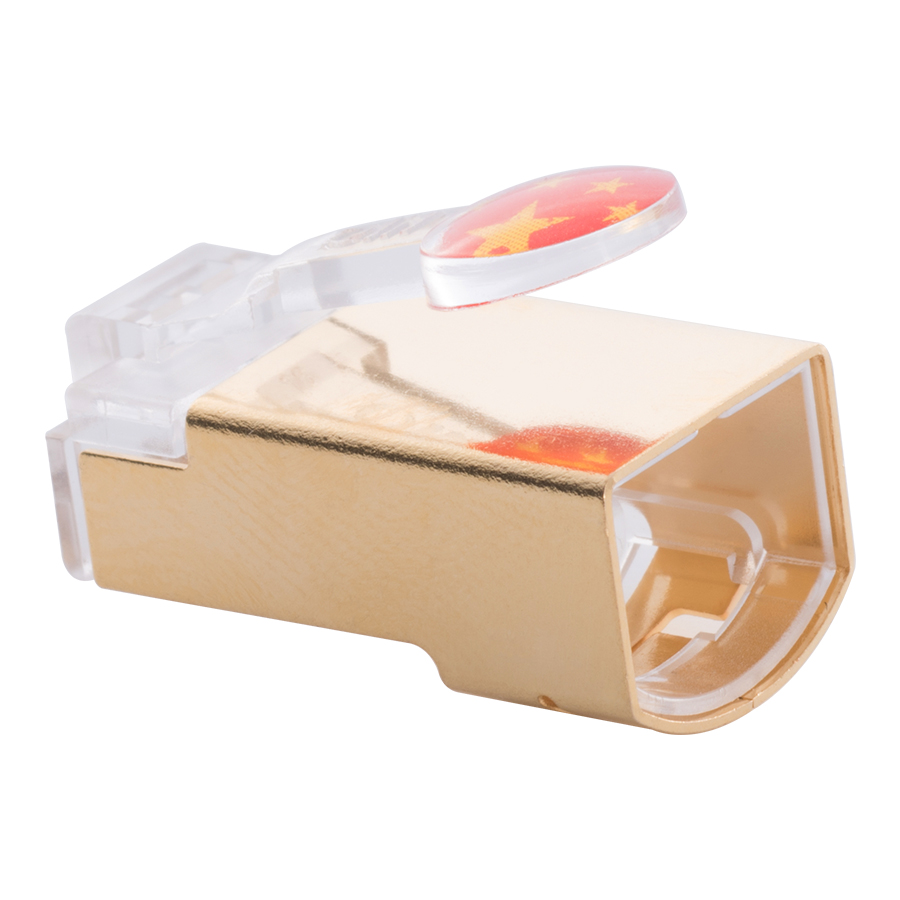
Metal also offers excellent protection against electromagnetic interference (EMI) and radio - frequency interference (RFI). These interferences can disrupt the signal transmission of network cables, leading to data loss or degraded network performance. The metallic enclosure of the cable manager acts as a shield, blocking external electromagnetic and radio - frequency signals from interfering with the data - carrying cables inside. This shielding property is crucial for maintaining the integrity and reliability of high - speed data transfer, especially in environments with a high density of electronic equipment that emits electromagnetic radiation.
In terms of heat dissipation, metal - bodied cable managers have an edge over their counterparts made from other materials. In network racks, heat generated by servers, switches, and other devices can accumulate around the cables. Metal, being a good conductor of heat, helps to dissipate this heat more efficiently, preventing the cables from overheating. Overheating can cause the insulation of the cables to degrade and reduce the lifespan of the cables, as well as impact the performance of connected devices. By effectively managing heat, the metal - bodied cable manager contributes to the overall stability and longevity of the network infrastructure.
Installation of network cable managers with metal bodies often involves secure mounting options. They typically come with sturdy brackets and screws that allow for a firm attachment to network racks or cabinets. The weight and solidity of the metal body also add to the stability of the installation, ensuring that the cable manager can support the weight of multiple cables without sagging or shifting. Additionally, metal cable managers often feature a sleek and professional appearance, enhancing the overall aesthetic of the network setup while providing top - notch functionality.
Read recommendations:
LEG 77210 Multi-support Single Socket Mosaic German Std - 2P+E w/o Shutters with Screw White
-
-
-
-
-
-
-
-
-
-
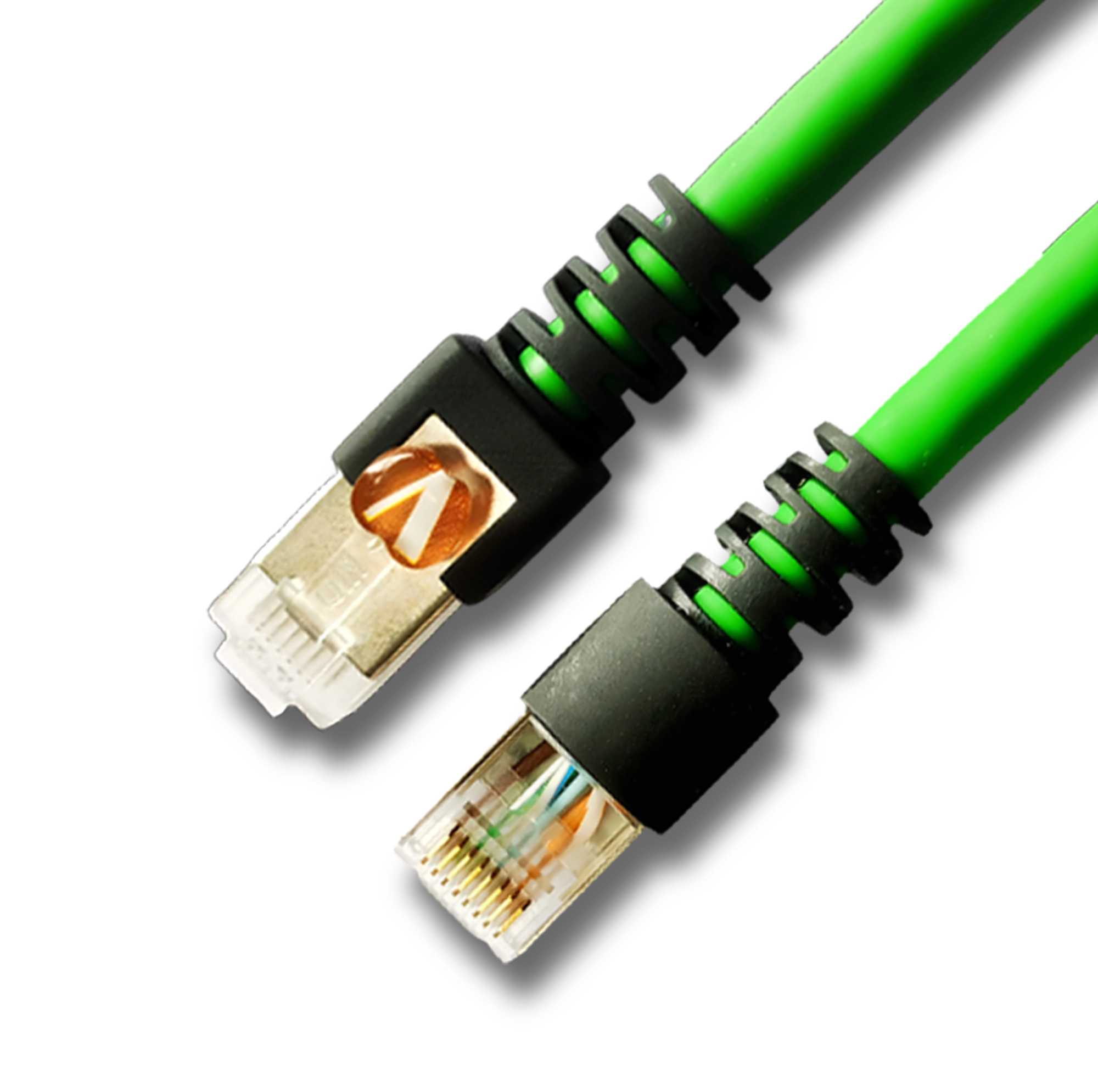
Network Patch Cord Cat8
Oct 23, 202592
-
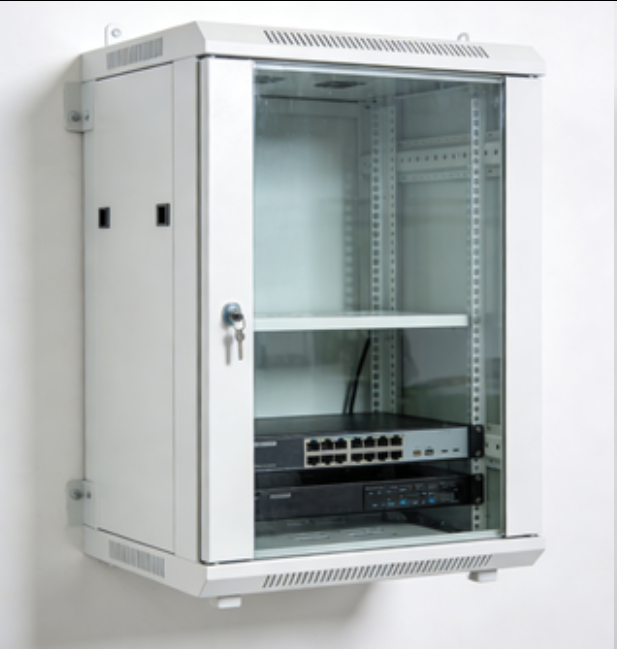
Network Rack Wall Mount with Glass Door
Jan 07, 202679
-
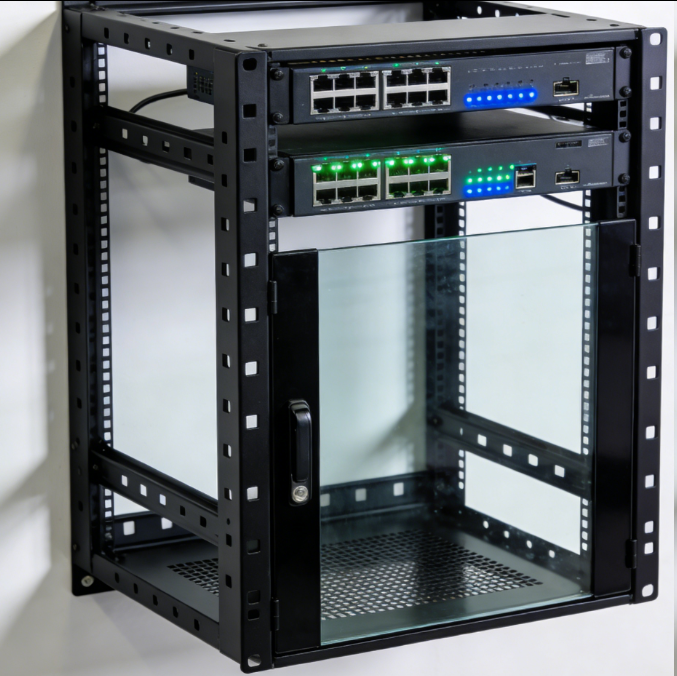
Network Rack Wall Mount 9U
Jan 06, 202675
-

Network Cable Management Tray
Oct 30, 202573
-
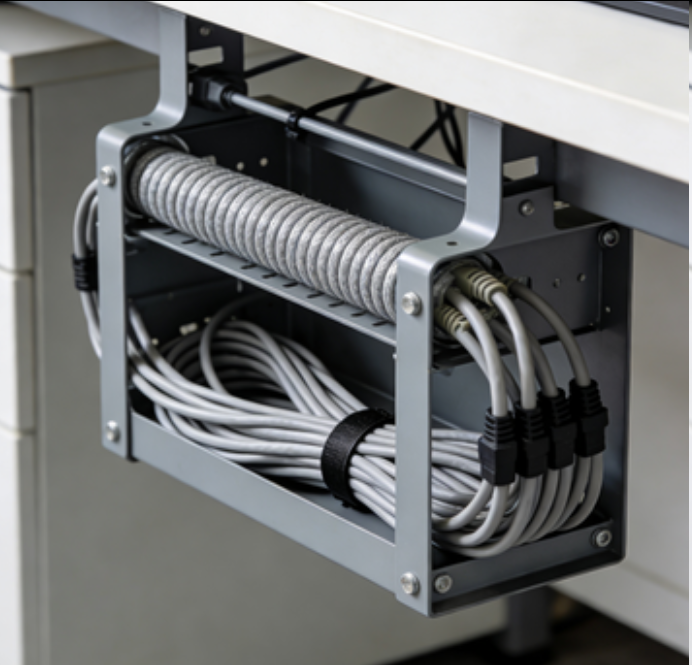
Network Cable Management Under Desk
Dec 25, 202572