- Language
Network Patch Leads Shielded
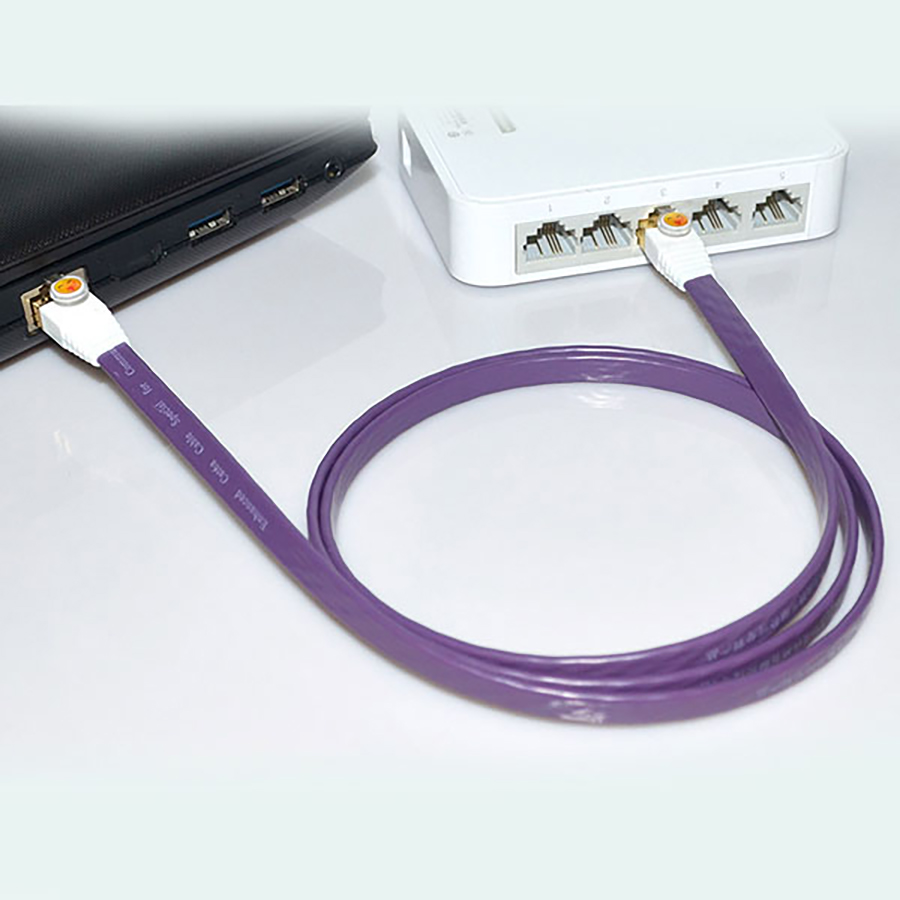
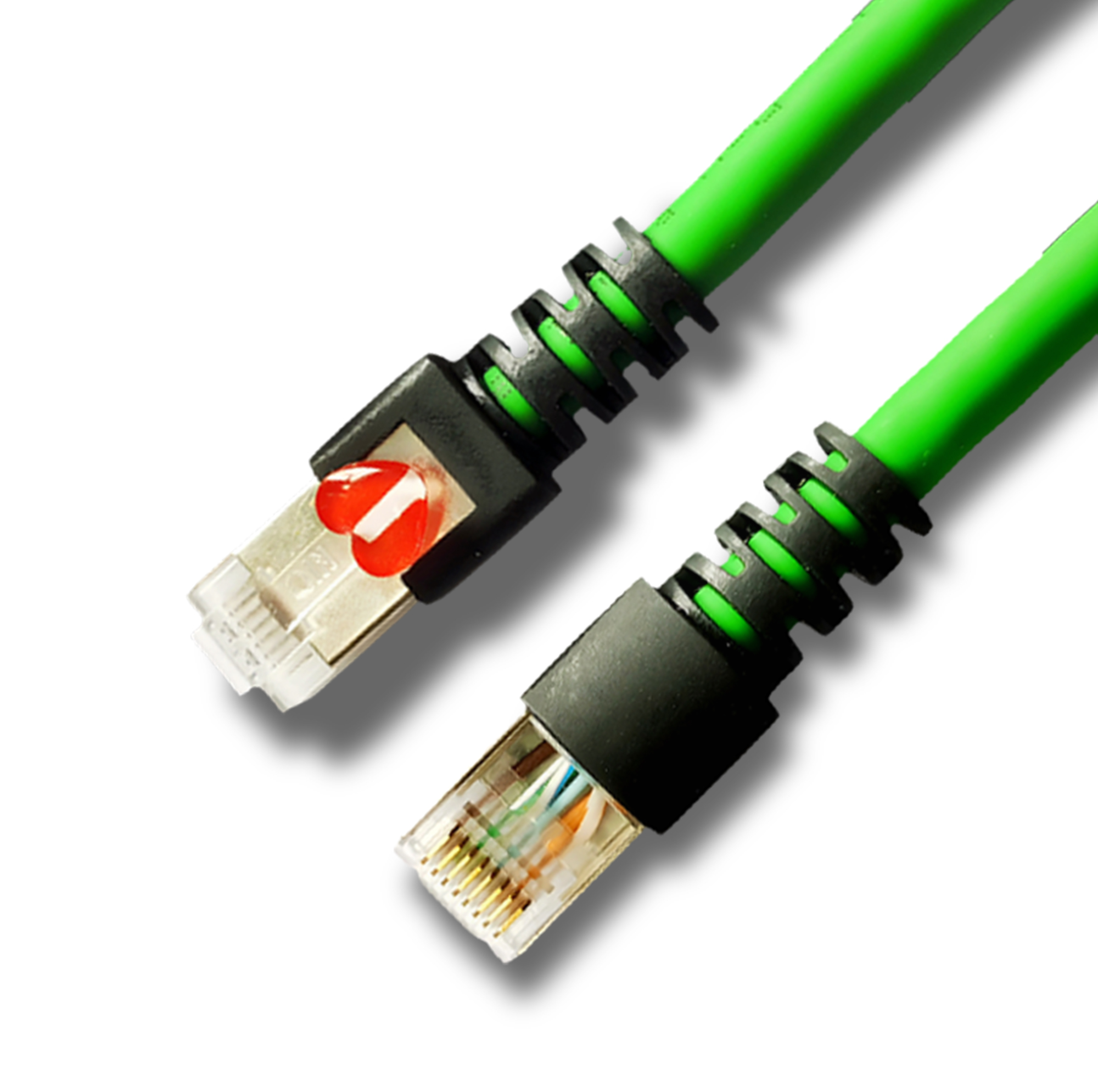
Shielded network patch leads are engineered with enhanced protection mechanisms to combat electromagnetic interference (EMI) and crosstalk, making them a crucial choice for maintaining signal integrity in challenging network environments. In today's digital landscape, where electronic devices and wireless signals abound, the risk of interference disrupting data transmission is significant. Shielded patch leads offer a reliable solution to safeguard the accuracy and efficiency of network connections.
The primary feature of shielded network patch leads is the inclusion of various shielding layers. Typically, these leads incorporate one or more of the following shielding types: foil shielding, braided shielding, or a combination of both. Foil shielding, usually made of aluminum or copper, is applied as a thin layer around the individual wire pairs or the entire cable assembly. It effectively blocks external electromagnetic fields from interfering with the electrical signals within the cable. Braided shielding, on the other hand, consists of interwoven strands of metal wire, often copper, which provides a more robust and flexible barrier. The braided structure allows for better protection against physical damage while still offering excellent electromagnetic shielding.
This shielding not only protects the data being transmitted from external interference but also reduces crosstalk, which occurs when signals from one wire pair leak into adjacent pairs. Crosstalk can degrade signal quality and lead to data errors. By minimizing crosstalk, shielded patch leads ensure that each wire pair can transmit data independently and accurately. This is particularly important in high - speed networking applications, such as 10 Gigabit Ethernet or higher, where even the slightest interference can cause significant performance issues.
Shielded network patch leads are especially suitable for environments with high levels of electromagnetic noise. In industrial settings, for example, where machinery and electrical equipment generate strong electromagnetic fields, shielded patch leads can maintain stable network connections. Data centers also benefit from these leads, as the dense concentration of servers, switches, and other networking devices can create a complex electromagnetic environment. Using shielded patch leads in such environments helps prevent data loss, system crashes, and other connectivity problems, ensuring the smooth operation of critical network infrastructure.
However, it's important to note that proper installation of shielded patch leads is essential to maximize their effectiveness. The shielding layers must be correctly grounded to function properly. If the grounding is inadequate or incorrect, the shielding may not be able to divert interfering signals effectively, rendering the shielding less useful. Additionally, shielded patch leads may be slightly stiffer and bulkier compared to unshielded ones due to the additional shielding materials. This can impact cable management, especially in tight spaces within network racks or cabinets. But with careful routing and the use of appropriate cable management tools, these challenges can be overcome. Overall, shielded network patch leads are a vital component for maintaining reliable and high - performance network connections in environments prone to electromagnetic interference.
Read recommendations:
LEG 77111 Mosaic Socket French Std 2P+E Automatic Terminals Surface White
-
-
-
-
-
-
-
-
-
-
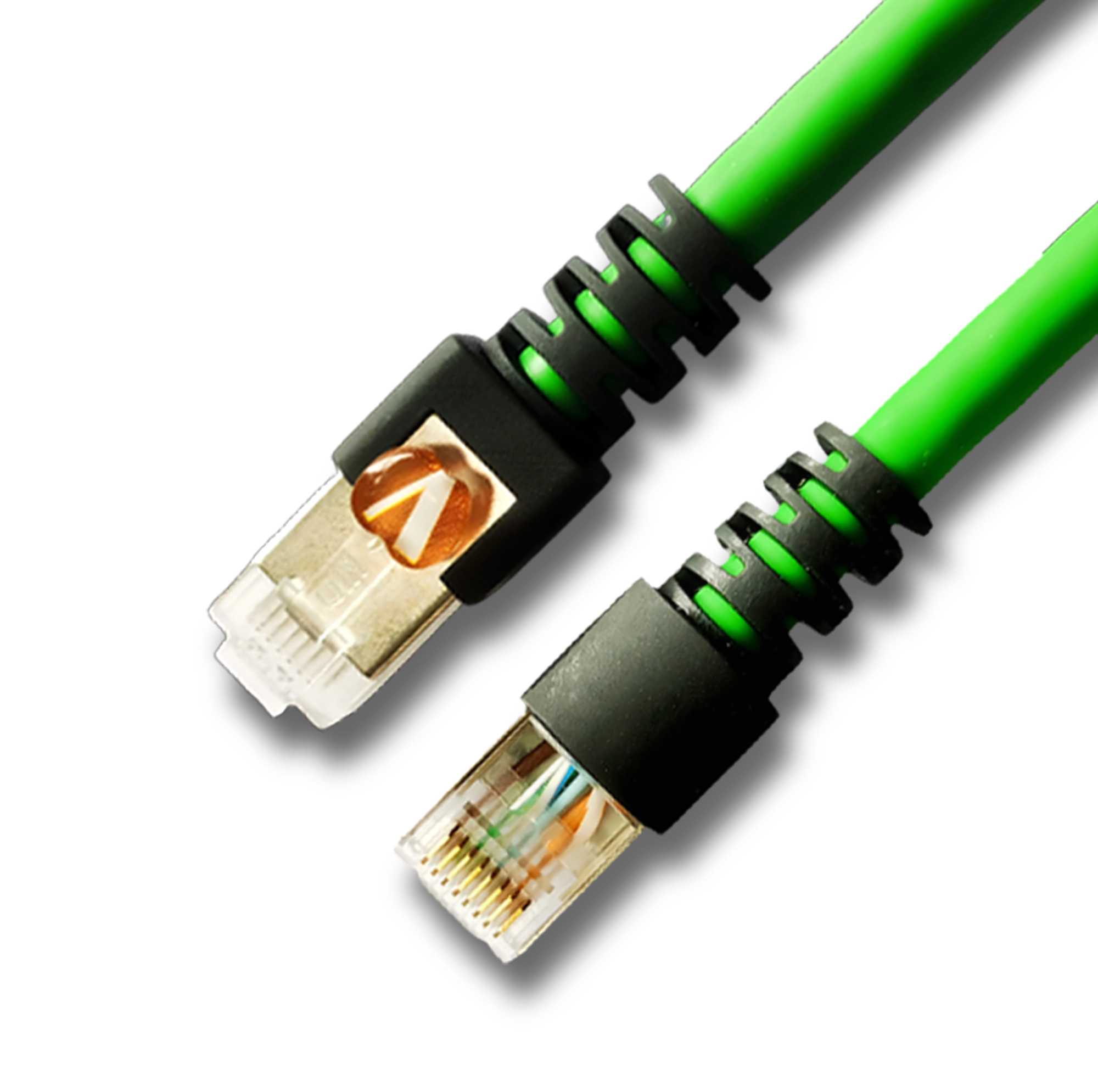
Network Patch Cord Cat8
Oct 23, 202592
-
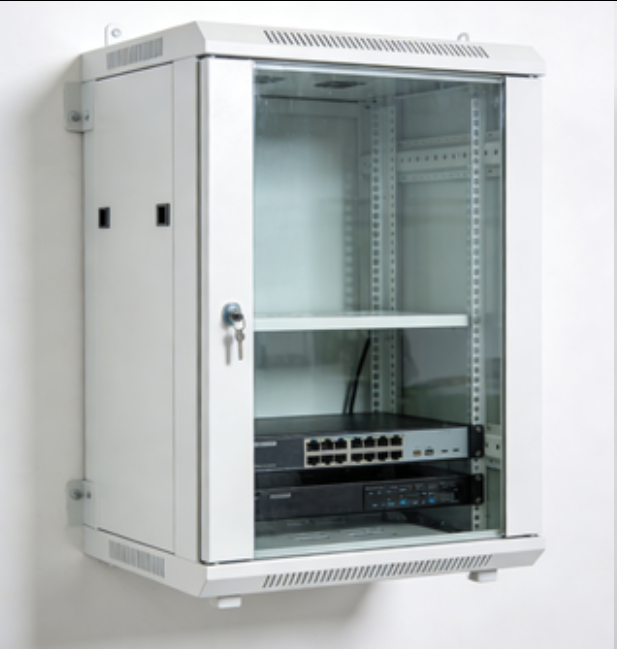
Network Rack Wall Mount with Glass Door
Jan 07, 202679
-
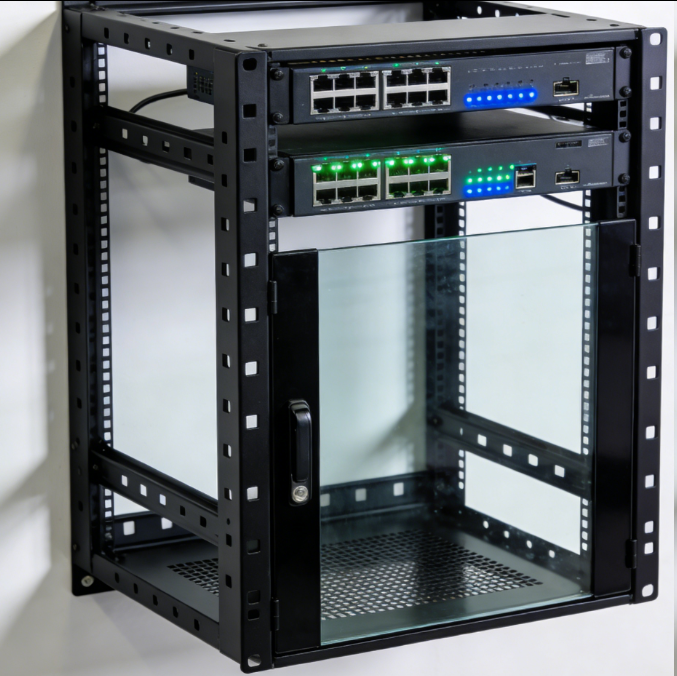
Network Rack Wall Mount 9U
Jan 06, 202675
-

Network Cable Management Tray
Oct 30, 202573
-
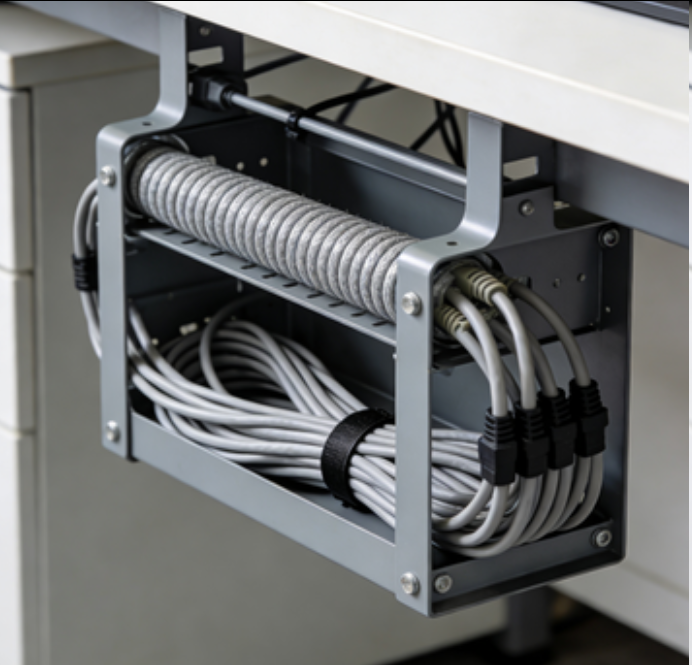
Network Cable Management Under Desk
Dec 25, 202572