- Language
Shielded Gigabit Network Patch Cord
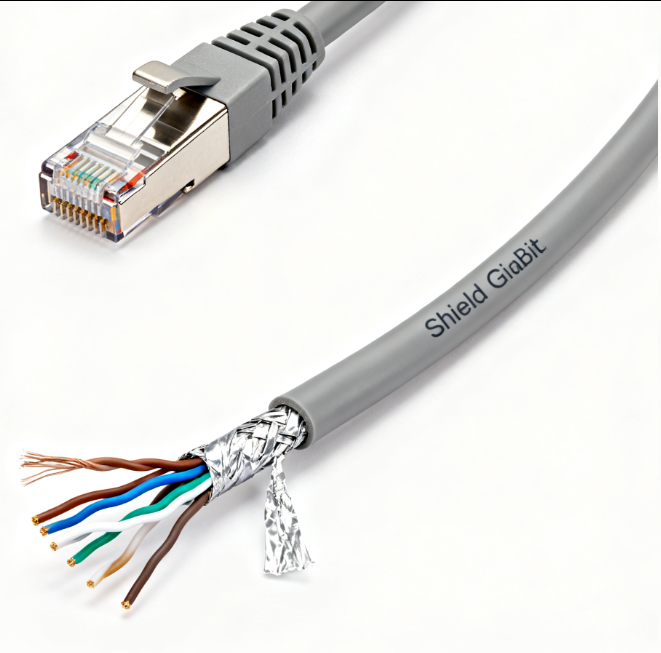
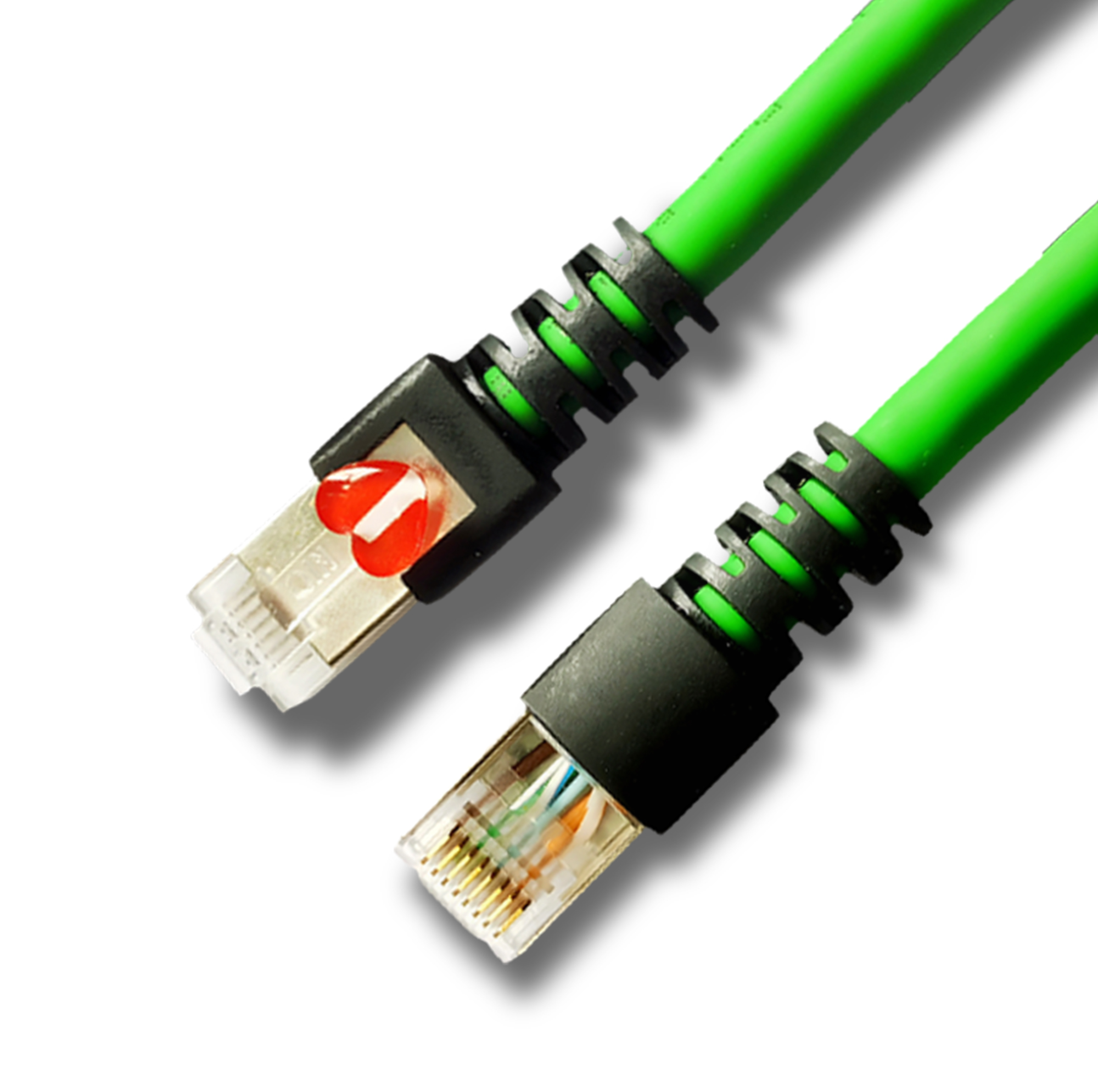
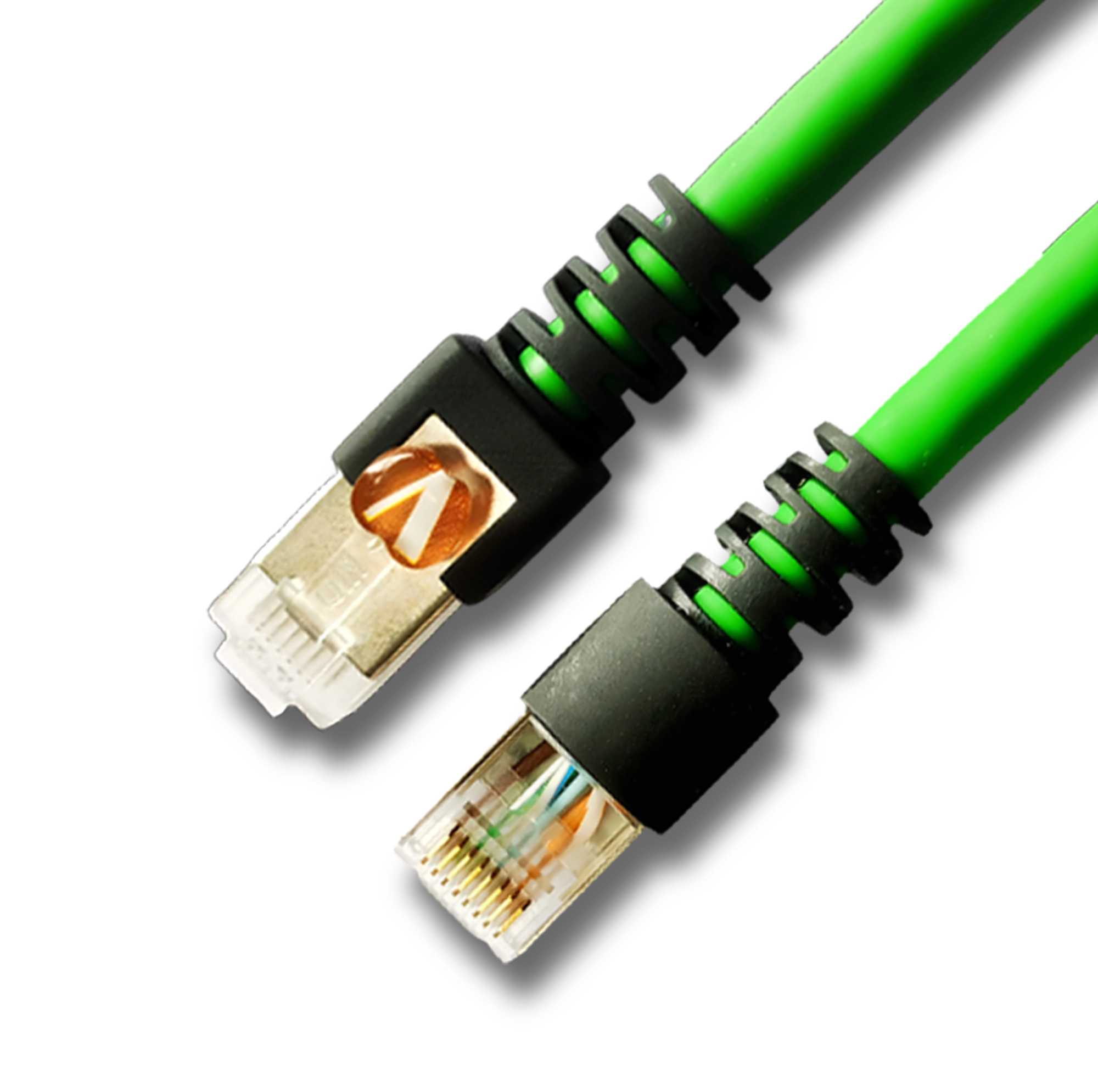
The shielded gigabit network patch cord is a specialized cabling solution designed to deliver reliable 1-gigabit per second (1Gbps) data transmission while providing robust protection against electromagnetic interference (EMI) and radio frequency interference (RFI). Unlike unshielded gigabit cables, this patch cord incorporates a metallic shielding layer—typically either foil (FTP, Foil-Shielded Twisted Pair) or braided (STP, Shielded Twisted Pair)—that acts as a barrier to block external interference from sources like power cables, industrial machinery, fluorescent lighting, and dense server racks. This makes it an ideal choice for environments where interference is a common issue, such as industrial facilities, busy office buildings with high device density, or data centers with limited space between cables.
At the core of the shielded gigabit patch cord’s performance is its ability to maintain signal integrity even in EMI-prone settings. The shielding layer surrounds the four twisted pairs of copper conductors, preventing external electrical signals from disrupting the 1Gbps data stream and also containing internal signals to reduce crosstalk between adjacent pairs. This is crucial for gigabit networks, where even minor signal degradation can lead to reduced speed, packet loss, or network downtime—issues that can significantly impact productivity in business environments or disrupt critical operations in industrial settings. The cable typically complies with Category 6 (Cat6) or Category 5e (Cat5e) standards, with Cat6 offering better performance due to its higher bandwidth (250MHz vs. 100MHz for Cat5e) and stricter crosstalk specifications, ensuring more stable 1Gbps transmission over distances of up to 100 meters.
In terms of construction, the shielded gigabit network patch cord is built to withstand the demands of interference-rich environments. The copper conductors are usually 24 AWG, twisted at a tight ratio to further minimize crosstalk and signal loss. The shielding layer—whether foil or braided—varies in design: FTP cables use a thin, flexible foil that provides excellent coverage for individual pairs, while STP cables use a braided copper or aluminum layer that offers greater durability and better protection against physical damage. Some models also include a drain wire, which is attached to the shielding layer and grounded to dissipate any accumulated electrical charge, further enhancing interference protection. The outer jacket is typically made from PVC or LSZH material, with LSZH being preferred in enclosed spaces like server rooms or public buildings due to its fire safety properties.
The shielded gigabit patch cord is highly compatible with a wide range of 1Gbps Ethernet devices, including gigabit switches, routers, servers, desktop computers, and high-resolution IP cameras. It is also backward compatible with lower-speed devices (10/100Mbps), allowing organizations to integrate it into existing networks without replacing older equipment. Its versatility extends to various installation scenarios: it can be used to connect devices in a factory control room, link workstations in a crowded office, or connect servers in a small data center. Additionally, the cable’s durability—thanks to its shielding layer and robust jacket—ensures a long service life, reducing the need for frequent replacements and lowering maintenance costs. For businesses and organizations that require reliable gigabit connectivity in interference-prone environments, the shielded gigabit network patch cord offers the perfect balance of performance, protection, and compatibility.
Read recommendations:
LEG 77273 Multi-support Triple Socket Mosaic - 3 x 2P+E Automatic Terminals German Standard Red
Smart Switch Outlet 2 Gang with Wireless APP Remote Control Compatible with Legrand Faceplate
-
-
-
-
-
-
-
-
-
-
Network Patch Cord Cat8
Oct 23, 202592
-
Network Rack Wall Mount with Glass Door
Jan 07, 202679
-
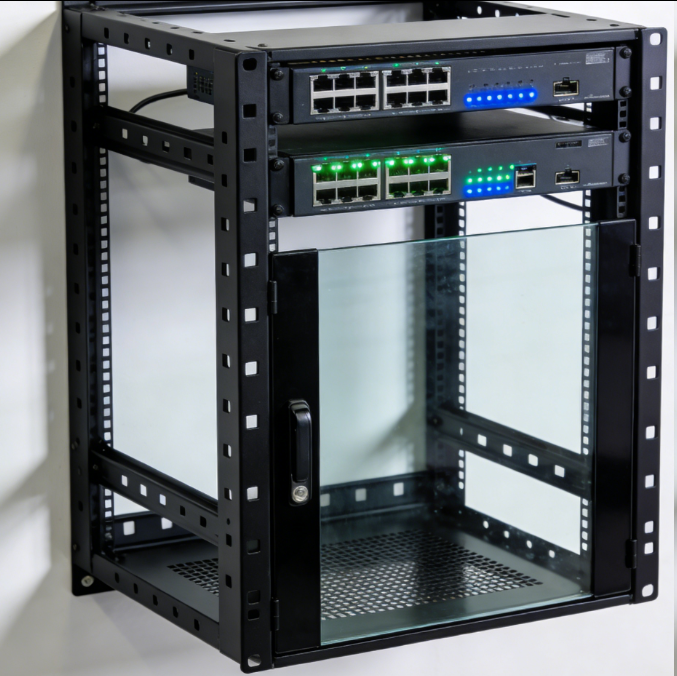
Network Rack Wall Mount 9U
Jan 06, 202675
-

Network Cable Management Tray
Oct 30, 202573
-
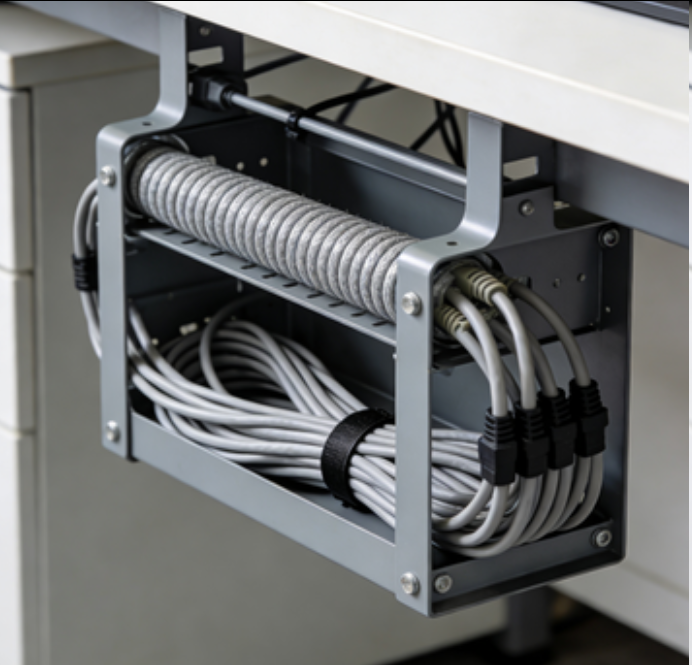
Network Cable Management Under Desk
Dec 25, 202572