- Language
Wide-Bandwidth Network Patch Cord

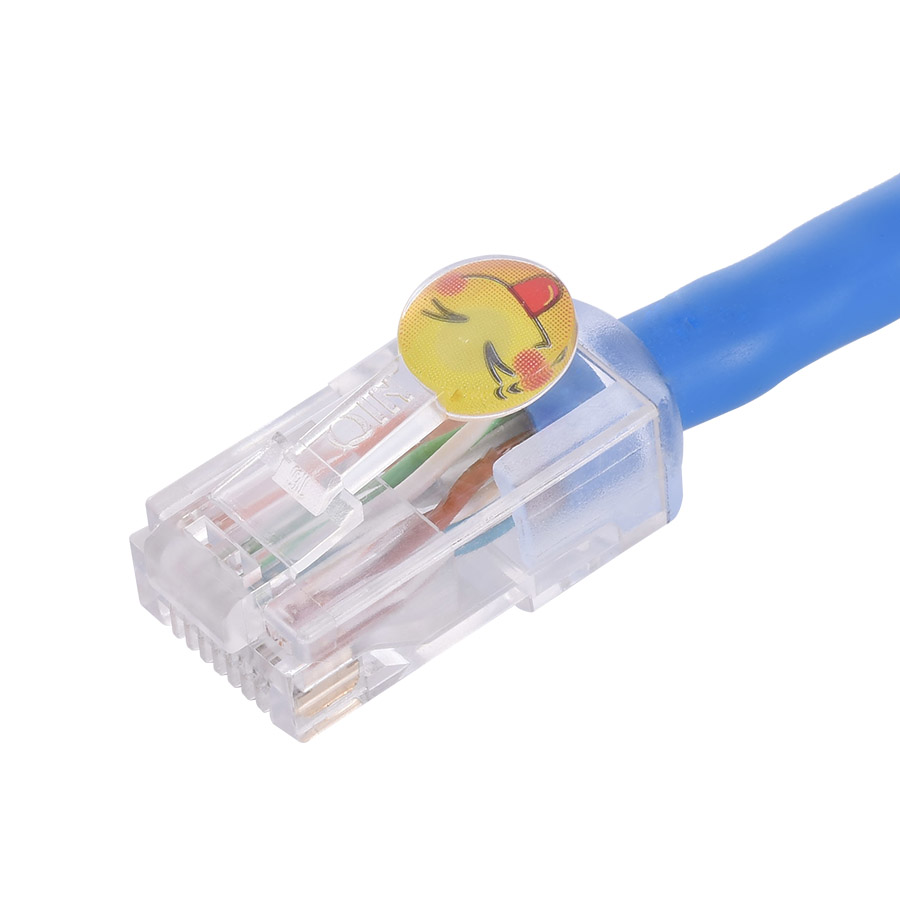
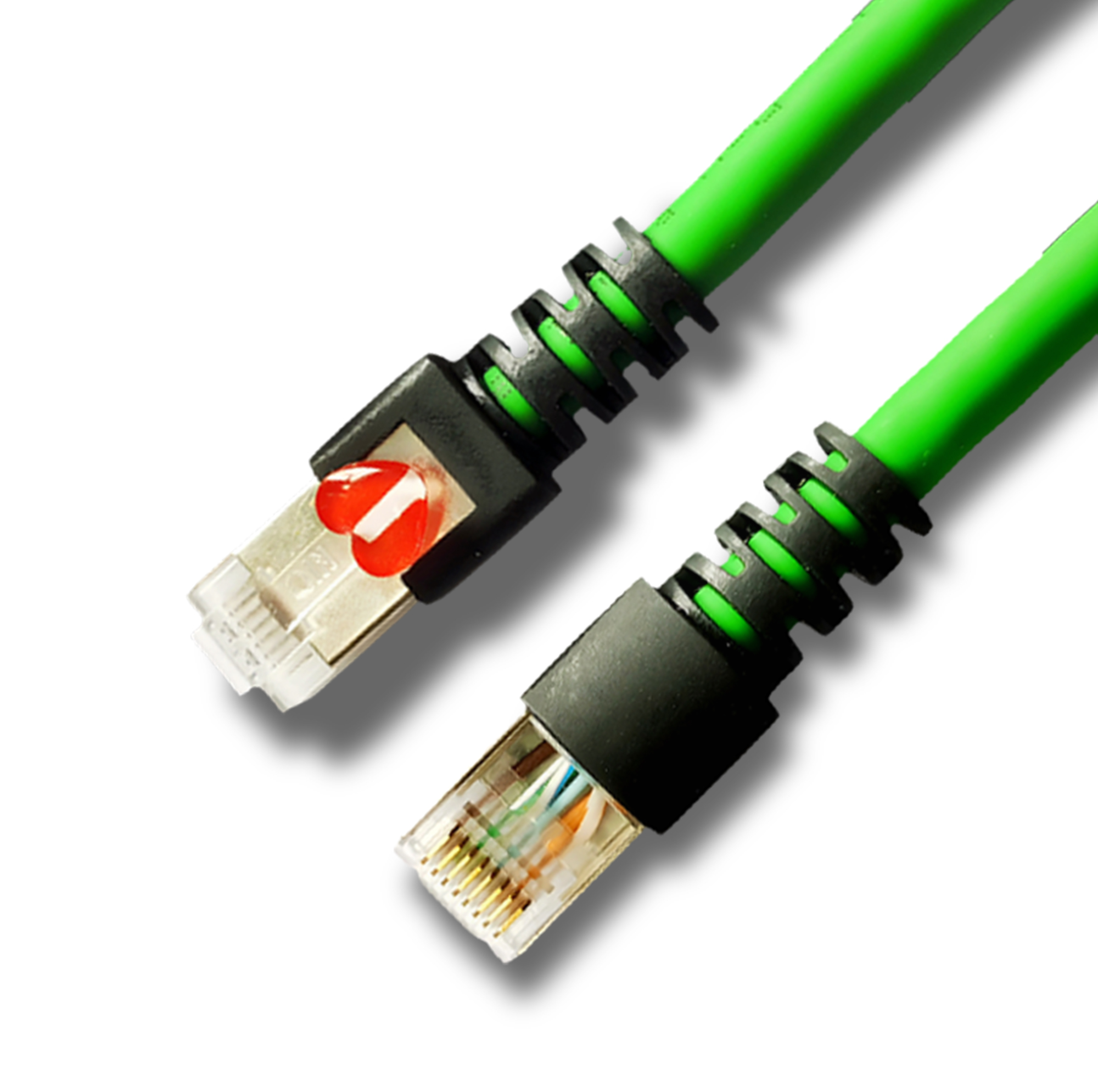
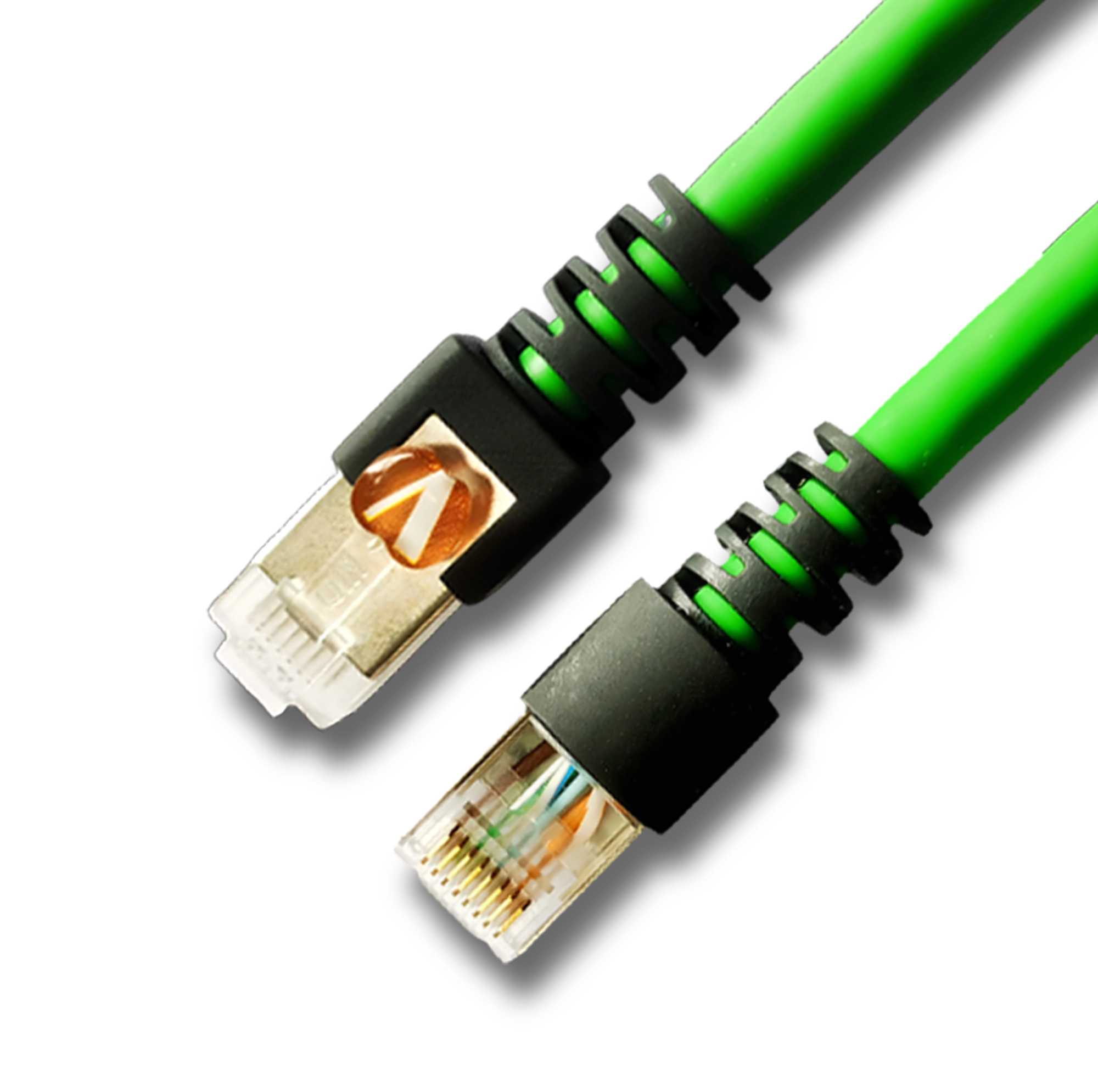
A wide-bandwidth network patch cord is engineered to support the highest frequencies and data rates available in copper cabling, making it ideal for cutting-edge networking applications. These cables, typically classified as Cat8 or higher, operate at frequencies up to 2000 MHz and enable 25 or 40 Gigabit Ethernet (25GBase-T/40GBase-T) over short distances (up to 30 meters). Their ultra-high performance makes them suitable for data centers, high-performance computing, and financial trading floors where speed and reliability are paramount.
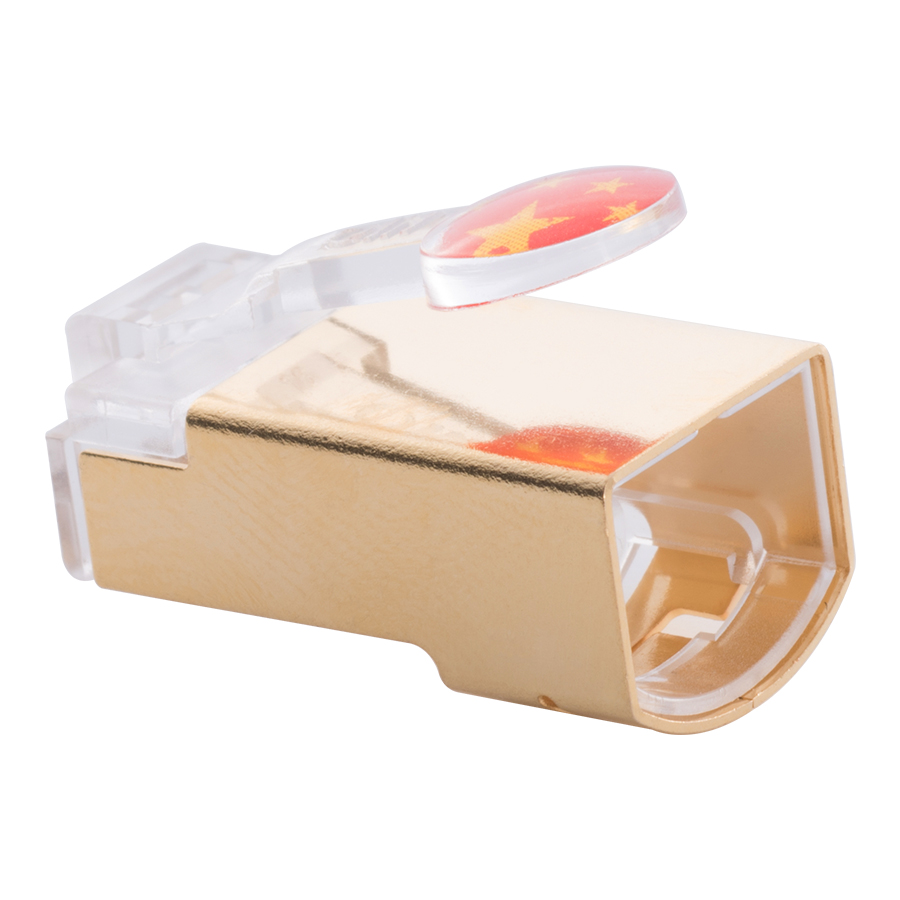
The construction of wide-bandwidth patch cords involves advanced shielding techniques, such as individual pair shielding with an overall braided shield, to eliminate crosstalk and EMI. The connectors are often non-standard, like GG45 or TERA, which are optimized for higher frequencies but require compatible hardware. Some models also feature low-smoke zero-halogen (LSZH) jackets for safety in enclosed spaces.
Despite their superior performance, wide-bandwidth patch cords are not necessary for all applications. They are best suited for environments where the latest networking standards are in use. For most office or home networks, lower-category cables like Cat6 or Cat6A provide sufficient bandwidth at a lower cost. However, for organizations investing in future-proof infrastructure, wide-bandwidth patch cords offer a scalable solution that can accommodate emerging technologies.
Read recommendations:
LEG 77000 French Type Mosaic Energy Saving Switch 1 Way Switch 10AX (1 module) White
New Smart Touch Control Faceplate Wifi Smart Swith Socket for Home Or Hotel System
-
-
-
-
-
-
-
-
-
-
Network Patch Cord Cat8
Oct 23, 202592
-
Network Rack Wall Mount with Glass Door
Jan 07, 202679
-
Network Rack Wall Mount 9U
Jan 06, 202675
-

Network Cable Management Tray
Oct 30, 202573
-
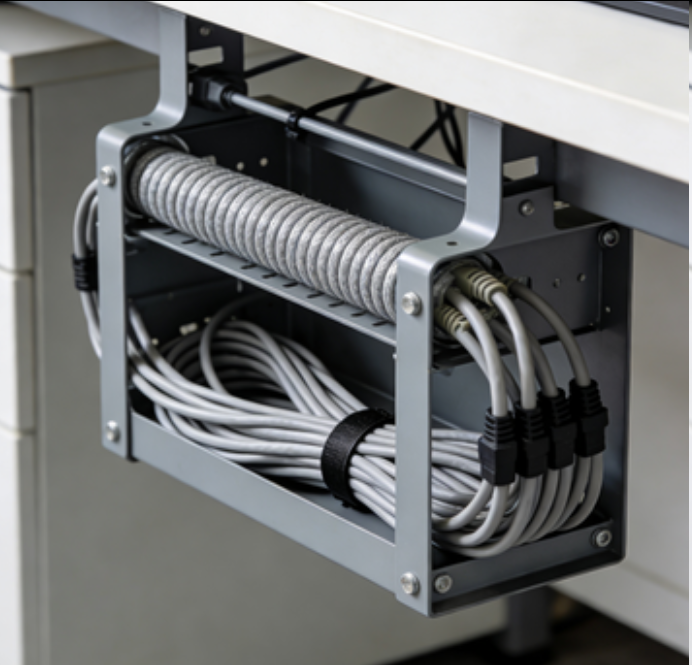
Network Cable Management Under Desk
Dec 25, 202572