- Language
Cat6 UTP CCA patch lead
Cat6 UTP CCA Patch Lead: Technical Analysis and Application Guide
In the gigabit network transmission system, the performance of the wiring system directly determines the stability and efficiency of data transmission. As a core component of network connectivity, the Cat6 UTP CCA Patch Lead (Category 6 Unshielded Twisted Pair Copper-Clad Aluminum Patch Cord) is widely used in multi-scenario network architectures such as enterprise offices, data centers, and smart homes, relying on precise technical design, balanced performance, and cost-effective advantages. This article will comprehensively analyze the technical value of the product from the dimensions of technical principles, core characteristics, performance advantages, and application scenarios.
I. Core Technical Parameters and Principle Architecture
The Cat6 UTP CCA Patch Lead is strictly designed in accordance with the ANSI/TIA-568-C.2 Category 6 standard, and its core architecture and technical parameters provide a solid guarantee for efficient transmission:
1. Conductor Material: Precise Adaptation of Copper-Clad Aluminum (CCA)
The product adopts CCA conductors with a specification of 24AWG (0.51mm). Compared with pure copper conductors, the CCA material achieves a balance between "conductivity and cost control" through a composite structure of "aluminum core base material + copper layer cladding": the aluminum core ensures the lightweight and toughness of the conductor, while the outer high-purity copper layer (copper layer thickness ≥ 0.05mm) guarantees excellent conductivity. The transmission impedance is stably controlled at 100±15Ω, meeting the impedance matching requirements for signal transmission specified in the Category 6 standard. At the same time, the DC resistance of the CCA conductor is ≤85Ω/100m, which is much lower than the Category 6 standard threshold, effectively reducing attenuation loss during signal transmission.
2. Unshielded (UTP) Structure and Twist Pitch Design
It adopts an Unshielded Twisted Pair (UTP) structure, and improves anti-interference ability through precise twisting design of 4 pairs of twisted pairs. The twist pitch of each pair of wires is optimally matched (differential twist pitch design for different wire pairs), which can effectively suppress Near-End Crosstalk (NEXT) and Far-End Crosstalk (FEXT) between adjacent wire pairs. In addition, the interior of the cable is filled with flame-retardant polyester fiber, which enhances the tensile strength and structural stability of the cable, and improves the convenience during construction.
3. Compliance with Key Transmission Parameters
In accordance with the Category 6 standard, the transmission frequency of this patch cord can reach 250MHz, far exceeding that of Category 5 cables (100MHz), supporting 10Gbps gigabit Ethernet transmission, and the transmission distance can reach 55m in a standard environment; Insertion Loss ≤24.0dB (250MHz), Return Loss ≥10.0dB (250MHz), Crosstalk Attenuation (NEXT) ≤-39.1dB (250MHz), all parameters meet the strict requirements of gigabit networks for signal integrity.
II. Core Technical Characteristics and Performance Advantages
Based on precise technical design, the Cat6 UTP CCA Patch Lead has the following core advantages, adapting to multi-scenario network transmission needs:
1. Efficient Anti-Interference and Stable Signal Transmission
The optimized twisted pair stranding process and wire pair isolation design enable the product to have excellent resistance to Electromagnetic Interference (EMI) and Radio Frequency Interference (RFI). Even in scenarios with dense office equipment and complex electromagnetic environments, it can effectively reduce the impact of interfering signals on transmitted data, ensure the integrity of data frame transmission, and reduce packet loss rate and bit error rate.
2. Cost-Effective with Balanced Cost and Performance
Compared with pure copper conductors, CCA copper-clad aluminum material greatly reduces raw material costs while ensuring core conductivity, making the product have a higher cost-effective advantage. For medium and large enterprise office networks, park networking and other scenarios that are cost-sensitive and require guaranteed gigabit transmission performance, it is a high-quality alternative to pure copper patch cords, which can control wiring costs while meeting network performance requirements.
3. Lightweight Design for Convenient Construction and Operation & Maintenance
The density of CCA conductors is only 1/3 of that of pure copper, making the overall weight of the patch cord lighter, which is more convenient to operate during wiring construction (such as ceiling wiring and jumper arrangement in cabinets) and reduces construction intensity. At the same time, the outer layer of the cable adopts a PVC flame-retardant sheath (complying with UL94 V-0 flame-retardant standard), which has good wear resistance and aging resistance, and the service life can reach more than 15 years, reducing the cost of later operation and maintenance replacement.
4. Wide Compatibility for Adapting to Multiple Device Interfaces
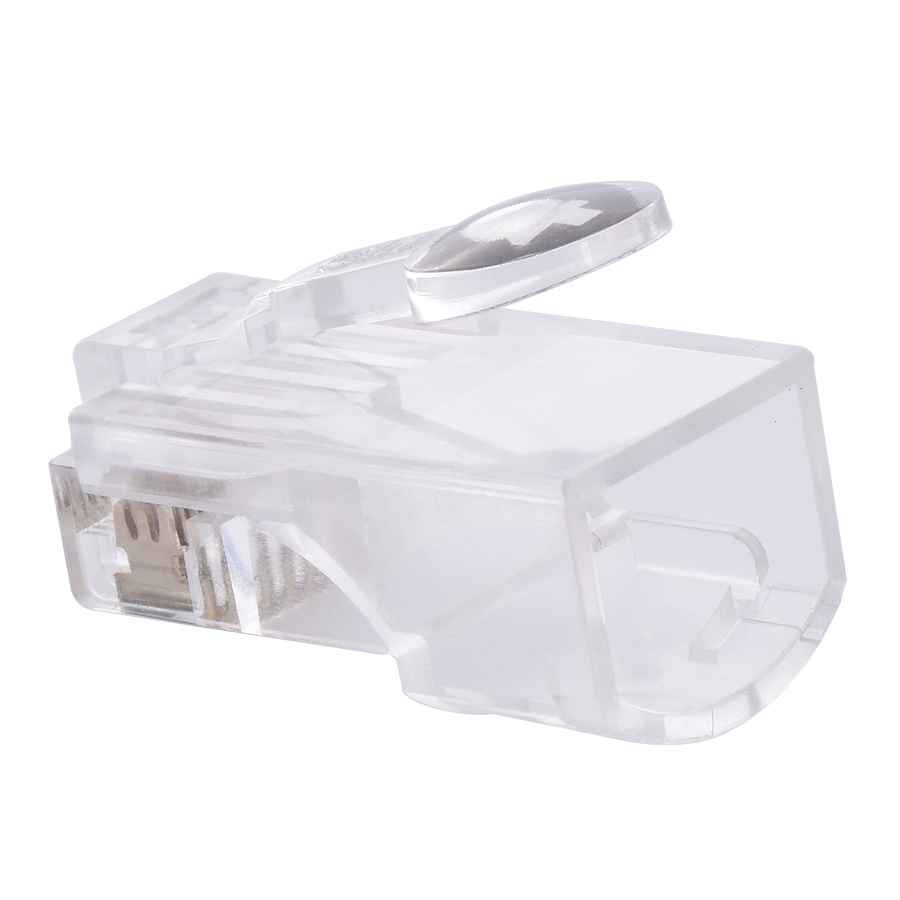
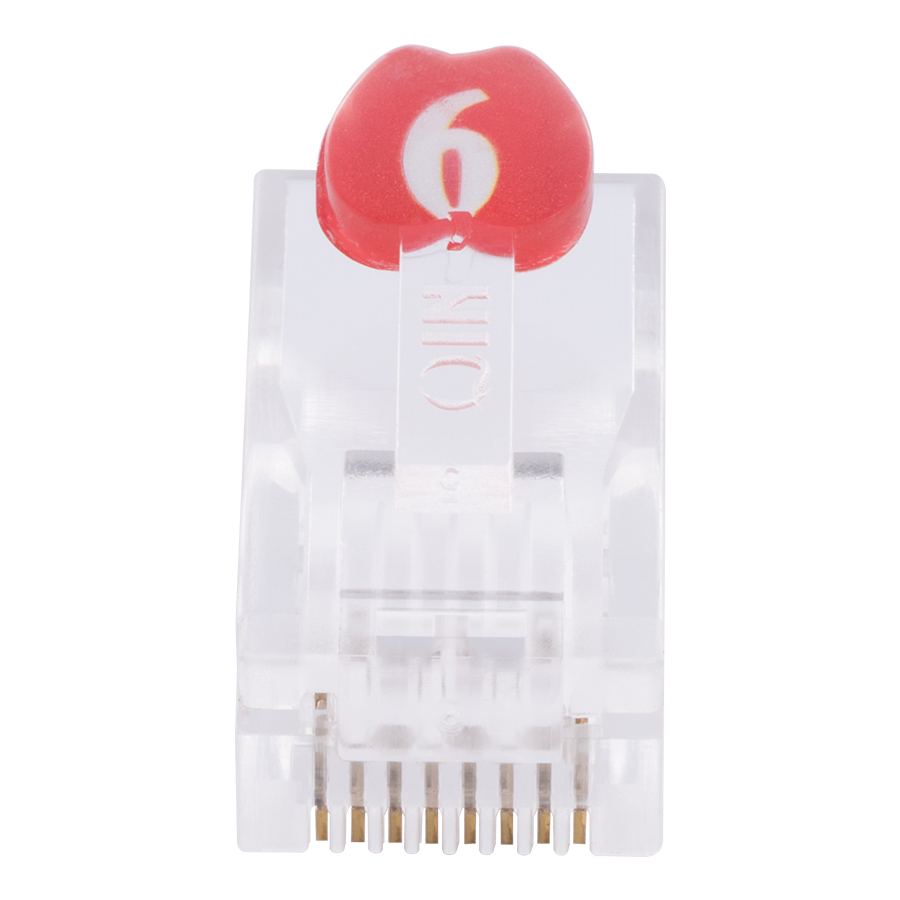
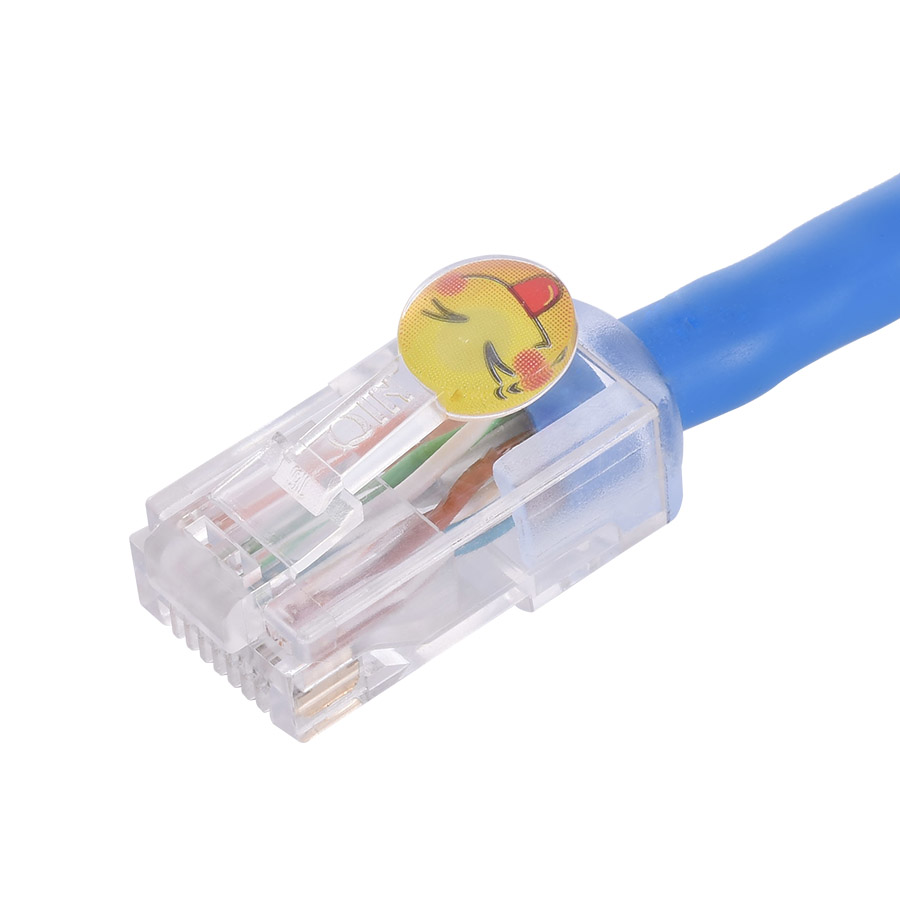
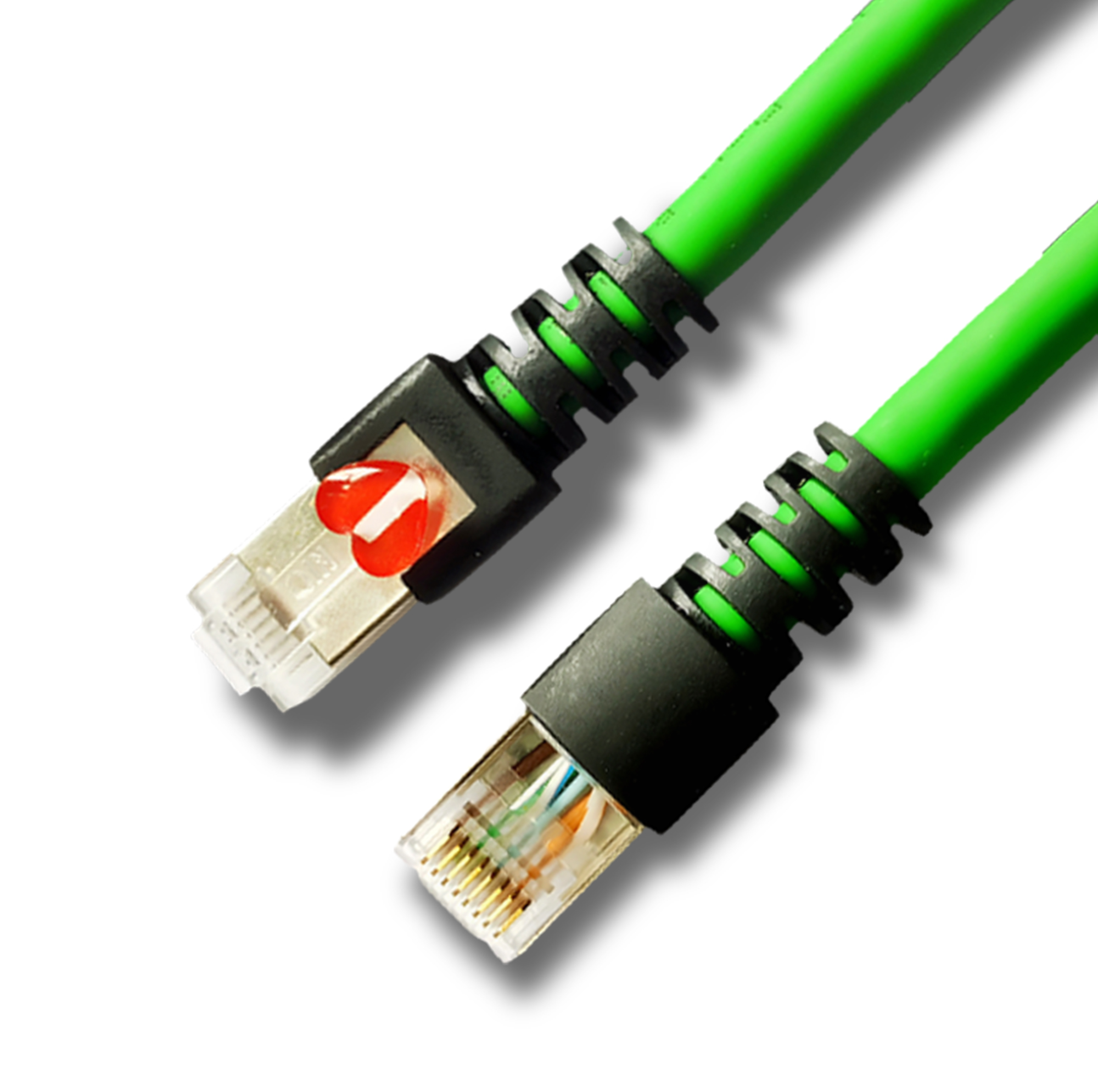
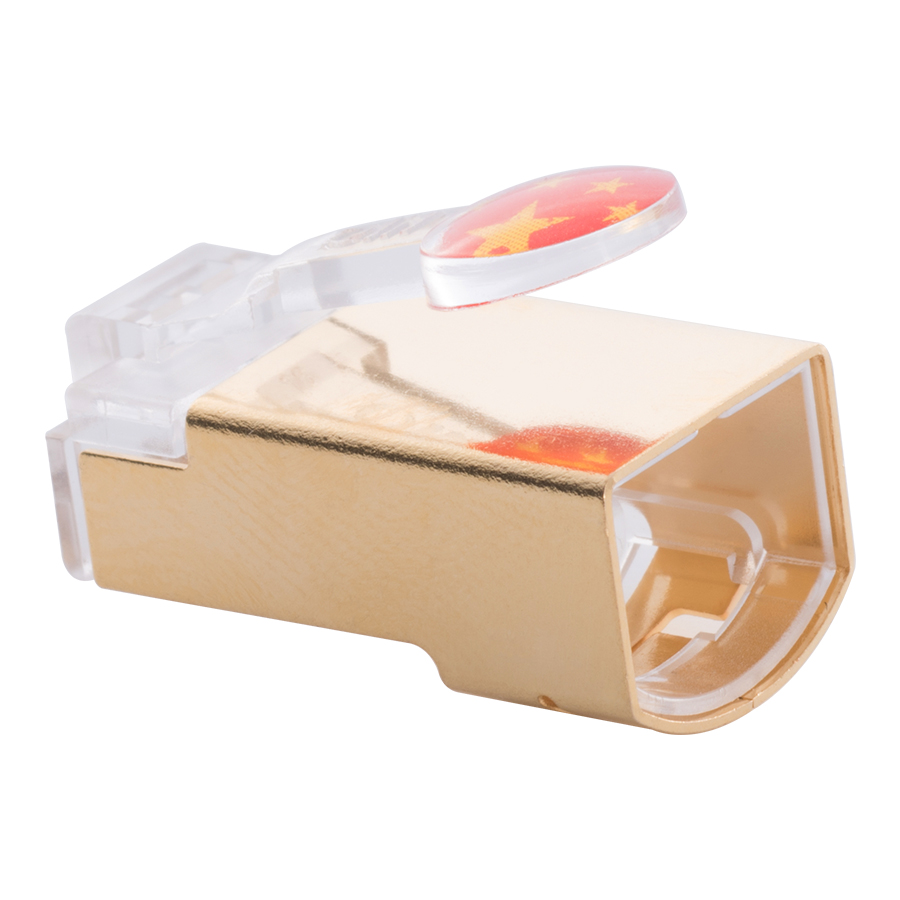
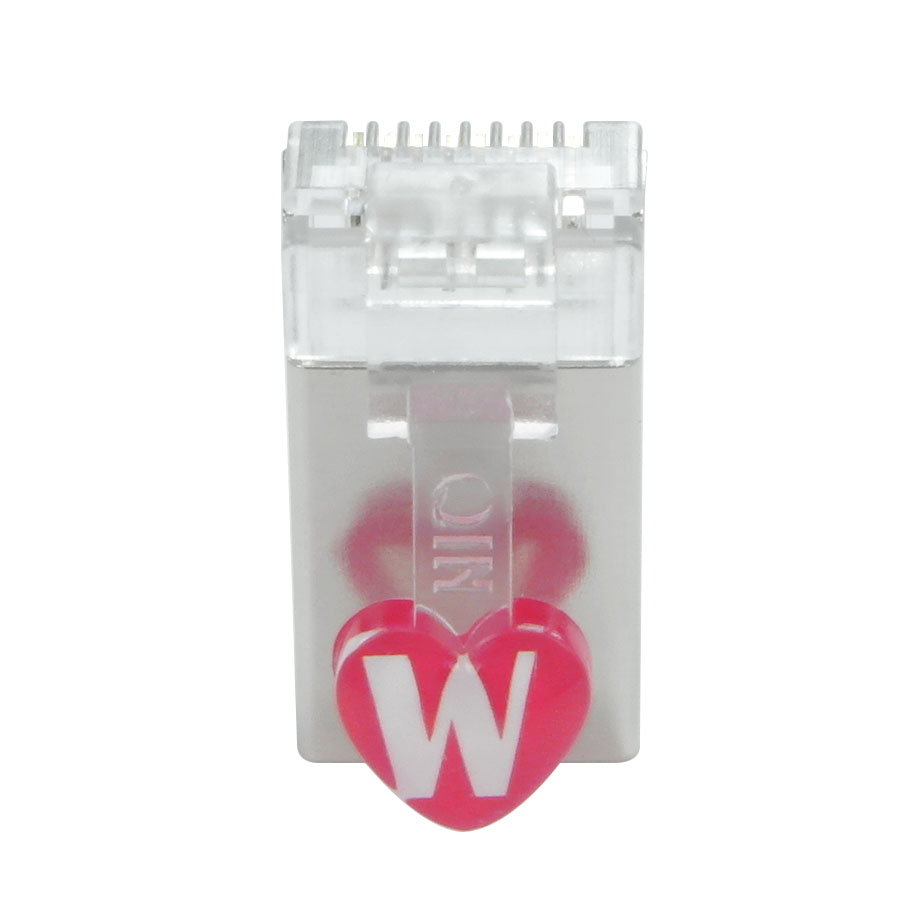
Both ends of the patch cord adopt 8P8C RJ45 crystal heads, and the contacts of the crystal heads adopt 50μin gold plating process, which has excellent conductivity and oxidation resistance, and the plug-in life is ≥1000 times. The product is perfectly compatible with RJ45 interfaces of various network devices such as routers, switches, servers, PC terminals, and surveillance cameras, supporting plug-and-play and adapting to mainstream network protocols such as TCP/IP and Ethernet.
III. Application Scenarios and Application Value
Combining its performance characteristics and cost advantages, the Cat6 UTP CCA Patch Lead is widely used in the following scenarios, providing stable connection guarantees for different network architectures:
1. Enterprise Office and Park Networks
In enterprise office network wiring, this patch cord can be used as the connection medium between terminal devices (PCs, printers, IP phones) and network switches, supporting gigabit data transmission and meeting high-frequency data interaction needs such as file transmission, video conferencing, and cloud office in office scenarios. Its lightweight and easy-to-construct characteristics also adapt to the large-area wiring needs of park networks, reducing construction and later maintenance costs.
2. Data Centers and Computer Room Environments
In short-distance connections (≤55m) between servers, storage devices and switches in data centers, this patch cord can ensure the stability of large-scale parallel data transmission by virtue of its stable transmission performance and high compatibility. At the same time, the flame-retardant sheath design meets the fire safety requirements of computer rooms and reduces fire hazards.
3. Smart Home and Surveillance Systems
In smart home networking, it can be used for network connection of smart gateways, cameras, smart TVs and other devices, supporting high-definition video stream transmission and interactive data interaction between devices; in security surveillance systems, it is adapted to the connection between network cameras and NVR video recorders, ensuring real-time and smooth transmission of 1080P/4K high-definition surveillance videos.
4. Education and Medical Industry Scenarios
In the network wiring of school computer rooms and multimedia classrooms, this patch cord can meet the gigabit transmission needs of multiple terminals accessing simultaneously, supporting applications such as online teaching and resource sharing; in hospital outpatient registration systems and ward monitoring systems, its stable transmission performance can ensure the safe and efficient transmission of medical data.
IV. Selection and Usage Notes
To give full play to the performance advantages of the Cat6 UTP CCA Patch Lead, the following points should be noted during selection and use:
Selection Adaptation: Select the patch cord of corresponding length according to the transmission needs of the network architecture (conventional length 0.5m-5m), avoiding signal attenuation caused by excessively long cables and affecting wiring flexibility due to excessively short cables.
Usage Environment: Avoid using in environments with strong electromagnetic interference (such as near industrial frequency converters and high-voltage equipment), high temperature and humidity, or friction with sharp objects to prevent sheath damage or signal interference.
Construction Specifications: Avoid excessive pulling (pulling force ≤100N) or bending (bending radius ≥8 times the cable diameter) during wiring to prevent conductor breakage or insulation damage, which will affect transmission performance.
Compatibility Verification: Before use, confirm the compatibility between the patch cord and the network device interface, ensure that the crystal head is plugged tightly without looseness, and avoid transmission interruption caused by poor contact.
V. Summary
Centered on the Category 6 standard, the Cat6 UTP CCA Patch Lead achieves the triple advantages of "efficient transmission, stable anti-interference, and cost-effectiveness" through the precise adaptation of CCA conductors, optimized stranding process and unshielded structure design. Its wide compatibility and adaptable scenarios make it a core connection component in network architectures such as medium and large enterprises, data centers, and smart homes. During selection and use, following standard selection criteria and construction requirements can give full play to its technical value and provide a solid guarantee for the stability and efficiency of network transmission.
-
-
-
-
-
-
-
-
-
-
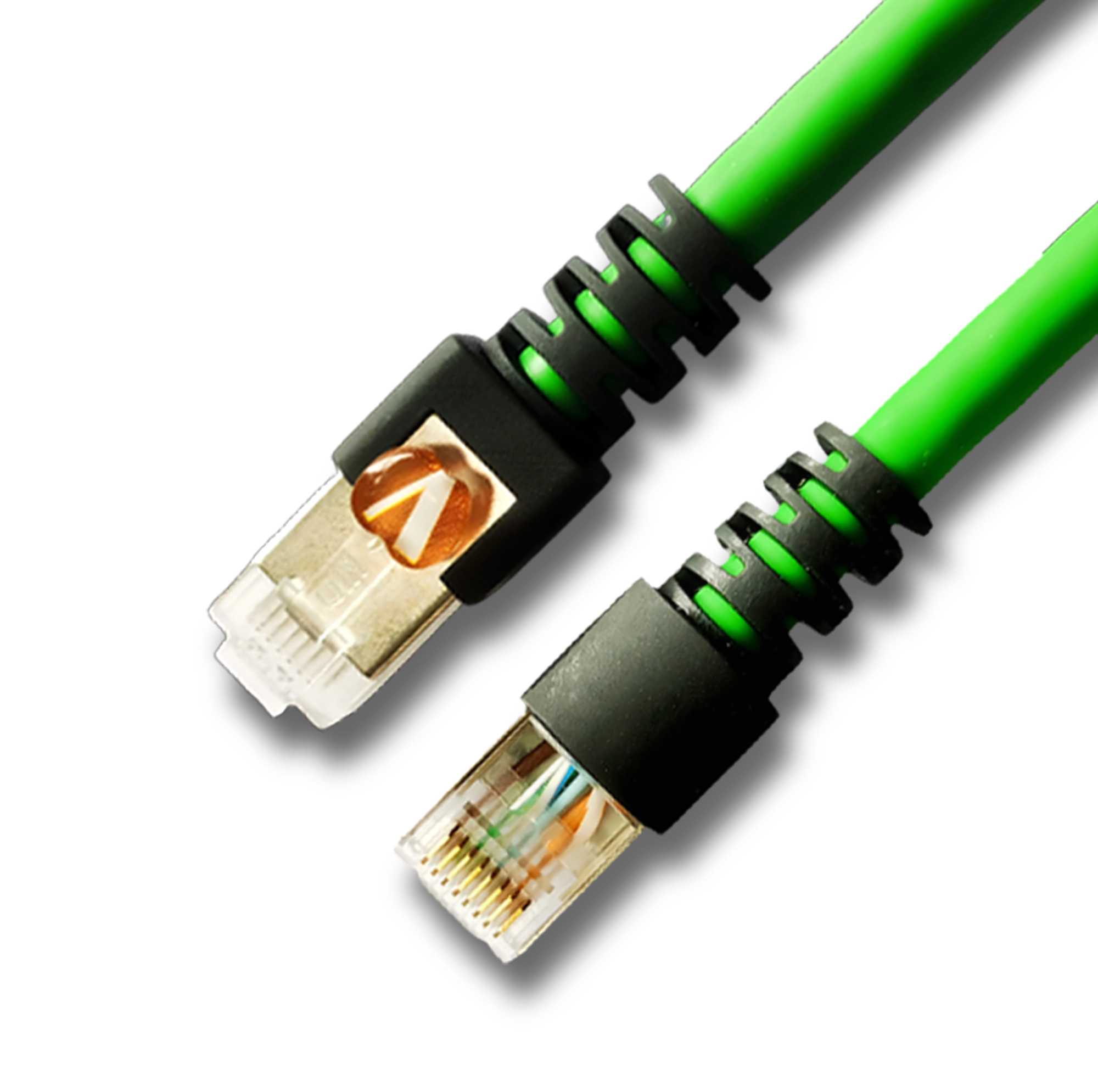
Network Patch Cord Cat8
Oct 23, 202592
-
Network Rack Wall Mount with Glass Door
Jan 07, 202679
-
Network Rack Wall Mount 9U
Jan 06, 202675
-

Network Cable Management Tray
Oct 30, 202573
-
Network Cable Management Under Desk
Dec 25, 202572