- Language
Low temperature resistant outdoor fiber optic cable
1. Product Overview
The low temperature resistant outdoor fiber optic cable is specifically designed for outdoor communication deployments in extreme low-temperature environments. It integrates low-temperature-adapted materials, enhanced structural protection, and optimized fiber performance, enabling reliable operation in temperatures as low as -55℃. The cable combines excellent cold resistance, low transmission loss, and robust mechanical strength, meeting the communication needs of backbone networks, access networks, and critical infrastructure in frigid regions, high-altitude areas, and areas with harsh winter conditions.
2. Core Structural Features
• Low-Temperature-Resistant Sheath: Adopts modified HDPE (High-Density Polyethylene) or LSZH (Low Smoke Zero Halogen) sheath with special cold-resistant additives. The sheath maintains flexibility and toughness at ultra-low temperatures (-55℃), avoiding brittleness and cracking caused by cold contraction. It also features UV resistance, abrasion resistance, and corrosion resistance, adapting to complex outdoor weather conditions.
• Fiber Configuration: Uses ITU-T G.652D/G.657A2 low-loss fibers with excellent low-temperature stability, available in 2–144 core counts. The fibers are encapsulated in tight-buffered (900μm) or loose-tube designs; loose tubes are filled with low-temperature-resistant water-blocking gel (non-freezing at -55℃) and wrapped in longitudinal water-blocking tape to achieve full-length water resistance, preventing moisture ingress and ice formation that could damage fibers.
• Central Strength Member: High-modulus FRP (Fiber Reinforced Plastic) or galvanized steel wire serves as the central core, providing superior tensile strength (1200–2000N) and anti-buckling performance. It resists cold contraction and thermal expansion, maintaining the cable’s structural integrity during low-temperature installation and operation, and preventing fiber breakage caused by external tension or deformation.
• Buffer & Insulation Layer: Between the fiber bundle and sheath, a high-elasticity buffer layer (made of cold-resistant EVA or rubber) is added to absorb stress from temperature changes, reducing the impact of cold contraction on fibers. For direct burial scenarios, an optional steel tape armor layer is available to enhance crush resistance (≥3500N/100mm) and mechanical protection.
• Anti-Cold-Contraction Design: Optimized stranding pitch and sheath thickness balance the cable’s flexibility and structural stability, minimizing length changes caused by temperature fluctuations (-55℃ to +70℃). This design avoids fiber micro-bending and transmission loss degradation in extreme temperature cycles.
3. Key Technical Advantages
• Superior Low-Temperature Adaptability: Operates reliably in a wide temperature range of -55℃ to +70℃, maintaining sheath flexibility and fiber performance even in prolonged ultra-low-temperature environments. Passes low-temperature impact, bending, and torsion tests, with no structural damage or performance degradation.
• Stable Transmission Performance: Complies with ITU-T standards, featuring low insertion loss (≤0.36dB/km at 1310nm, ≤0.22dB/km at 1550nm) and high return loss (≥50dB) at ultra-low temperatures. The low-temperature-resistant fiber and gel ensure minimal loss variation (.05dB/km) across the entire operating temperature range, supporting 10G/40G/100G Ethernet and WDM systems.
• Exceptional Mechanical Reliability: Tensile strength up to 2000N (steel core version) and excellent anti-bending performance (static bending radius ≥10D, dynamic bending radius ≥20D) at low temperatures. Resists impact, compression, and torsion, withstanding harsh installation conditions (e.g., winter construction, high-altitude aerial suspension) and long-term environmental stress.
• Comprehensive Environmental Durability: Beyond low-temperature resistance, the cable offers UV stabilization, ozone resistance, and corrosion resistance (against acid, alkali, and salt spray). The dual water-blocking system (water-blocking tape + low-temperature gel) prevents moisture ingress and ice formation, extending the service life to over 25 years in extreme environments.
• Easy Installation & Compatibility: The cold-resistant sheath and flexible structure simplify installation in low-temperature conditions (no need for pre-heating), reducing construction difficulty and labor costs. Compatible with standard cable accessories (connectors, splice closures) and supports aerial, duct, and direct burial installation methods.
4. Typical Applications
• Outdoor communication networks in frigid zones, high-altitude mountainous areas, and northern regions with long cold winters
• Backbone networks, metropolitan area networks (MAN), and access networks (FTTH/FTTB) in cold climates
• Direct burial, aerial, and duct deployments in low-temperature environments (e.g., tundra, polar regions, high-plateau grasslands)
• Critical communication infrastructure: cold-region industrial parks, rural broadband, snow resort facilities, and high-altitude scientific research stations
• Emergency communication networks and temporary deployments in winter disaster areas
• Outdoor fiber links in areas with large temperature fluctuations (e.g., day-night temperature differences in deserts or plateaus)
-
-
-
-
-
-
-
-
-
-
Network Patch Cord Cat8
Oct 23, 202592
-
Network Rack Wall Mount with Glass Door
Jan 07, 202679
-
Network Rack Wall Mount 9U
Jan 06, 202675
-

Network Cable Management Tray
Oct 30, 202573
-
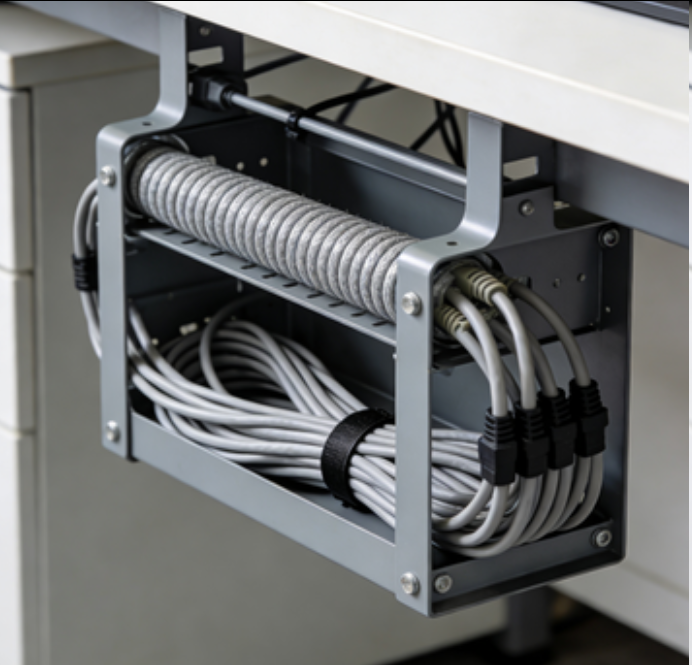
Network Cable Management Under Desk
Dec 25, 202572