- Language
cat6 sftp outdoor cable
Cat6 SFTP Outdoor Cable: Technical Design, Weather Resistance, and Performance
Cat6 SFTP (Shielded Foiled Twisted Pair) outdoor cable is engineered to deliver reliable high-speed data transmission in harsh external environments, combining the performance advantages of Cat6 cabling with robust protective features tailored for outdoor deployment. Designed in compliance with TIA/EIA 568-C.2 and ISO/IEC 11801 standards, this cable addresses the unique challenges of outdoor use—including extreme temperatures, moisture, UV radiation, and electromagnetic interference (EMI)—while maintaining the technical capabilities required for modern network applications.
Core Technical Specifications
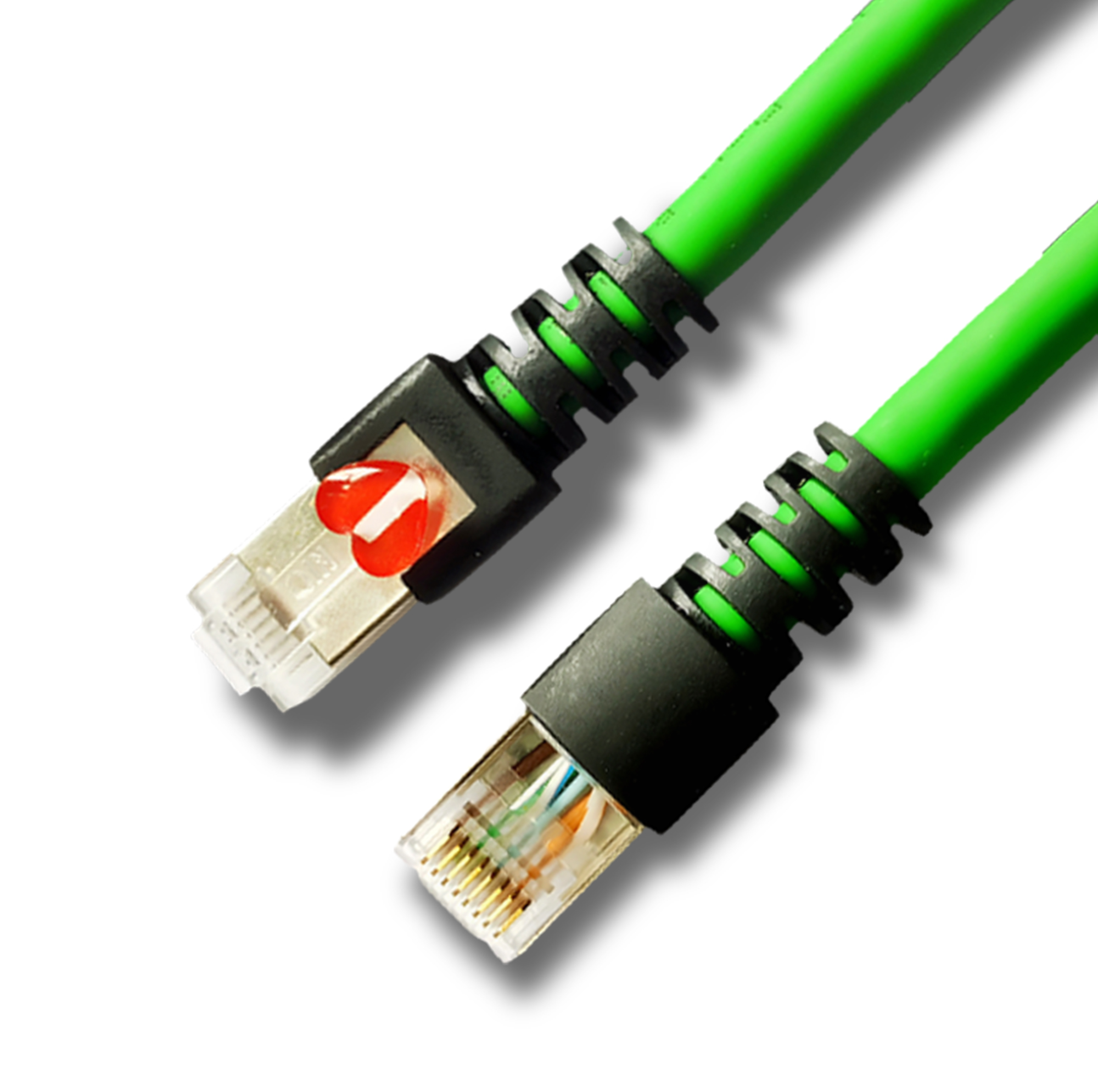
At its core, Cat6 SFTP outdoor cable retains the performance benchmarks of Cat6 category: supporting a bandwidth of up to 250 MHz and data transmission rates of 10 Gbps over distances of up to 55 meters. Its SFTP structure is a key technical differentiator: each of the four twisted wire pairs is individually wrapped in aluminum foil, supplemented by an overall braided shield (typically tinned copper) and an integrated drain wire for effective grounding. This dual-shielding design minimizes near-end crosstalk (NEXT), far-end crosstalk (FEXT), and external interference, ensuring signal integrity even in EMI-rich outdoor settings such as industrial zones or areas near power lines.
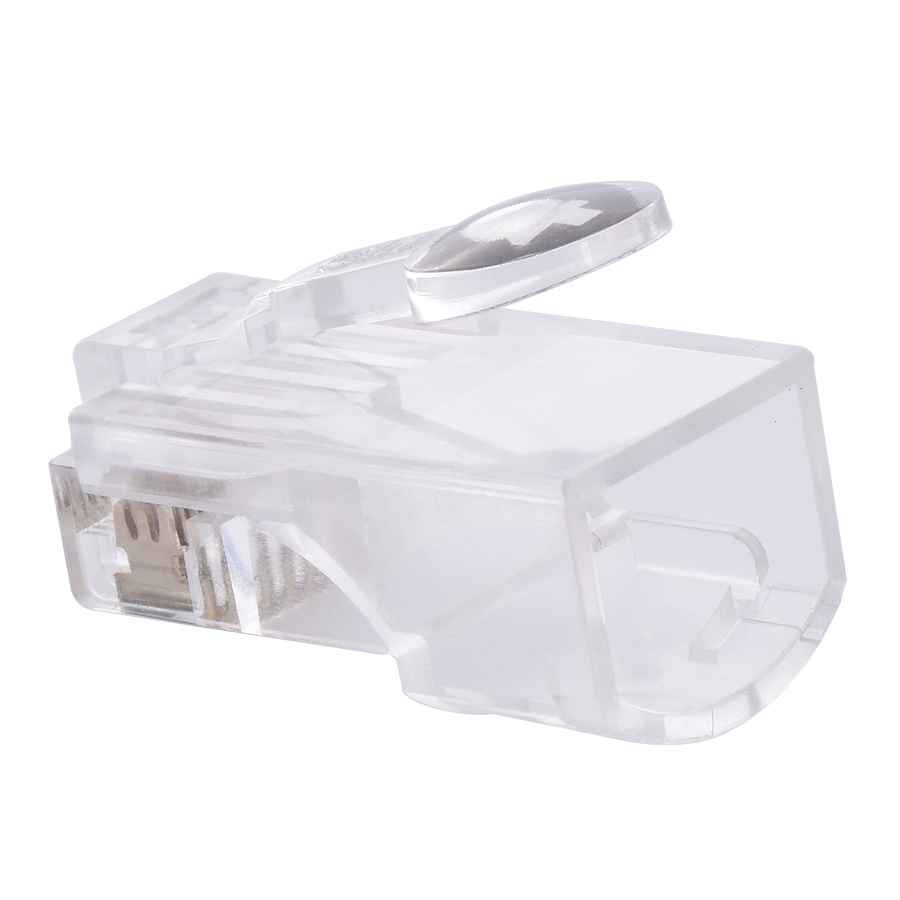
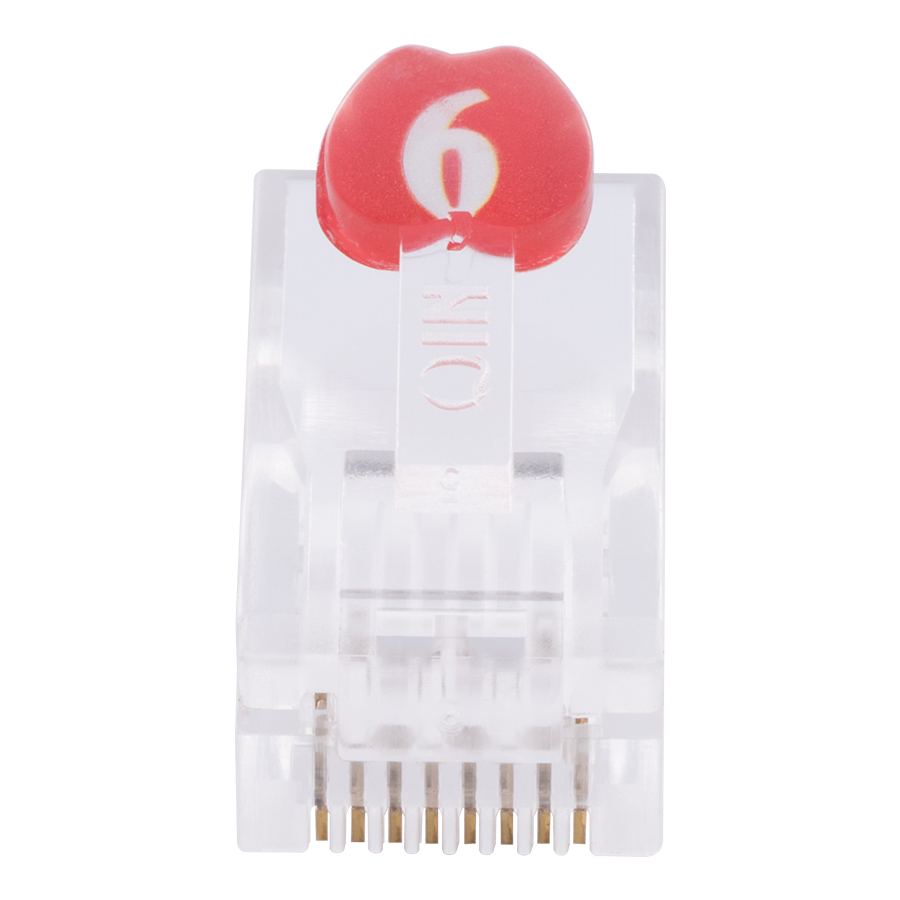
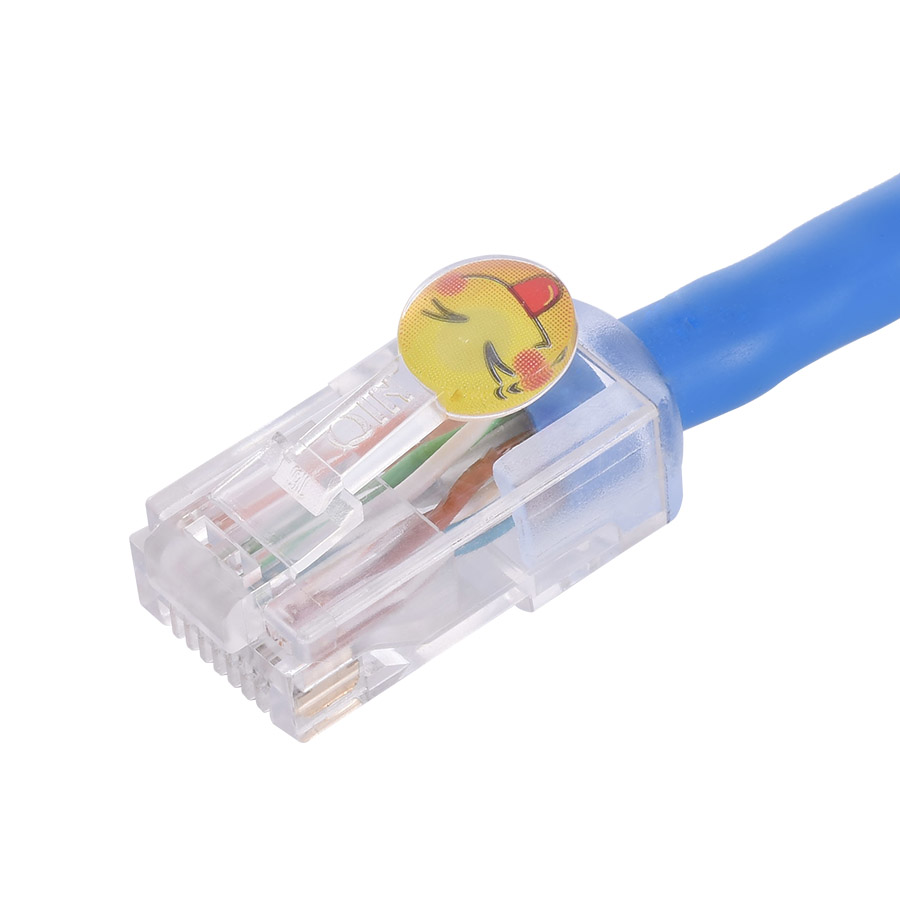
The cable features 8-position, 8-contact (8P8C) compatibility with standard RJ45 connectors, enabling seamless integration with outdoor-rated patch panels, switches, and access points. Conductors are typically constructed from high-purity oxygen-free copper (OFC) in 23 or 24 AWG gauge, optimizing conductivity and reducing signal attenuation—critical for maintaining performance over outdoor runs that may span longer distances than indoor cabling.
Outdoor-Specific Protective Design
To withstand outdoor conditions, the cable incorporates specialized protective features that directly influence its durability and performance:
Jacket Material: The outer sheath is manufactured from weather-resistant materials such as high-density polyethylene (HDPE), low-smoke zero-halogen (LSZH), or UV-stabilized PVC. These materials resist UV radiation, preventing degradation and brittleness caused by prolonged sun exposure. LSZH variants offer additional safety benefits, emitting minimal smoke and toxic fumes in case of fire, making them suitable for public areas or environmentally sensitive locations.
Weather Resistance: The cable is engineered to tolerate extreme temperature ranges, typically from -40°C to +75°C, ensuring functionality in both freezing winters and scorching summers. It also features moisture-resistant construction, with tightly sealed shielding layers and a water-blocking design (such as gel-filled or tape-wrapped cores) to prevent water ingress, which can cause conductor corrosion and signal loss.
Mechanical Durability: The outer jacket is abrasion-resistant and tear-proof, capable of withstanding physical stress during installation (e.g., pulling, trenching) and resisting damage from rodents, debris, or environmental wear. Some variants include a reinforced strength member (such as aramid yarn or steel tape) to enhance tensile strength, supporting overhead or underground deployment without compromising structural integrity.
Material Quality and Compliance
Raw material selection is critical to the cable’s outdoor performance and longevity:
Conductors: High-purity OFC is preferred over copper-clad aluminum (CCA) for superior conductivity, corrosion resistance, and long-term reliability—essential for outdoor runs where maintenance is difficult.
Insulation: Each conductor is insulated with high-density polyethylene (HDPE), which offers excellent electrical insulation properties and resistance to temperature fluctuations.
Shielding: The foil layers (aluminum with polyester backing) and braided shield (tinned copper) provide 95%+ coverage, ensuring effective EMI/RFI shielding. The drain wire (tinned copper) facilitates proper grounding, a requirement for maximizing shielding performance.
Compliance: Reputable cables meet international standards for flame retardancy (UL94 V-0), environmental safety (RoHS), and outdoor use (e.g., IEEE 802.3 standards for Ethernet compatibility), ensuring compatibility with global network infrastructure.
Application Scenarios
Cat6 SFTP outdoor cable is ideal for network deployments requiring high-speed, interference-resistant connectivity in external environments:
Outdoor Campus Networks: Connecting buildings, offices, or facilities across large campuses (e.g., universities, industrial parks, business complexes) where underground or overhead cabling is necessary.
Industrial Environments: Deployed in factories, refineries, or construction sites to link outdoor sensors, machinery, and control systems, withstanding EMI from industrial equipment and harsh weather.
Security and Surveillance: Supporting IP cameras, access control systems, and video analytics in outdoor security networks, ensuring stable data transmission for real-time monitoring.
Smart City Infrastructure: Powering outdoor IoT devices, smart streetlights, traffic management systems, and environmental sensors, where reliable connectivity in varying weather conditions is critical.
Residential and Commercial Outdoor Spaces: Extending network coverage to patios, gardens, or outdoor work areas, or connecting remote structures (e.g., garages, guest houses) to the main network.
Installation Best Practices
Proper installation is essential to maximize the cable’s performance and lifespan in outdoor settings:
Grounding: Ensure the drain wire and braided shield are properly grounded at both ends (or as per local electrical codes) to eliminate ground loops and maximize EMI protection.
Bending and Tensile Limits: Adhere to the cable’s minimum bending radius (typically 4-6 times the cable diameter) and avoid exceeding tensile strength limits during pulling to prevent damage to the shielding or conductors.
Deployment Methods: For underground runs, use conduit or direct burial-rated variants to protect against moisture and physical damage. For overhead deployment, use messenger wire or support structures to reduce tension on the cable.
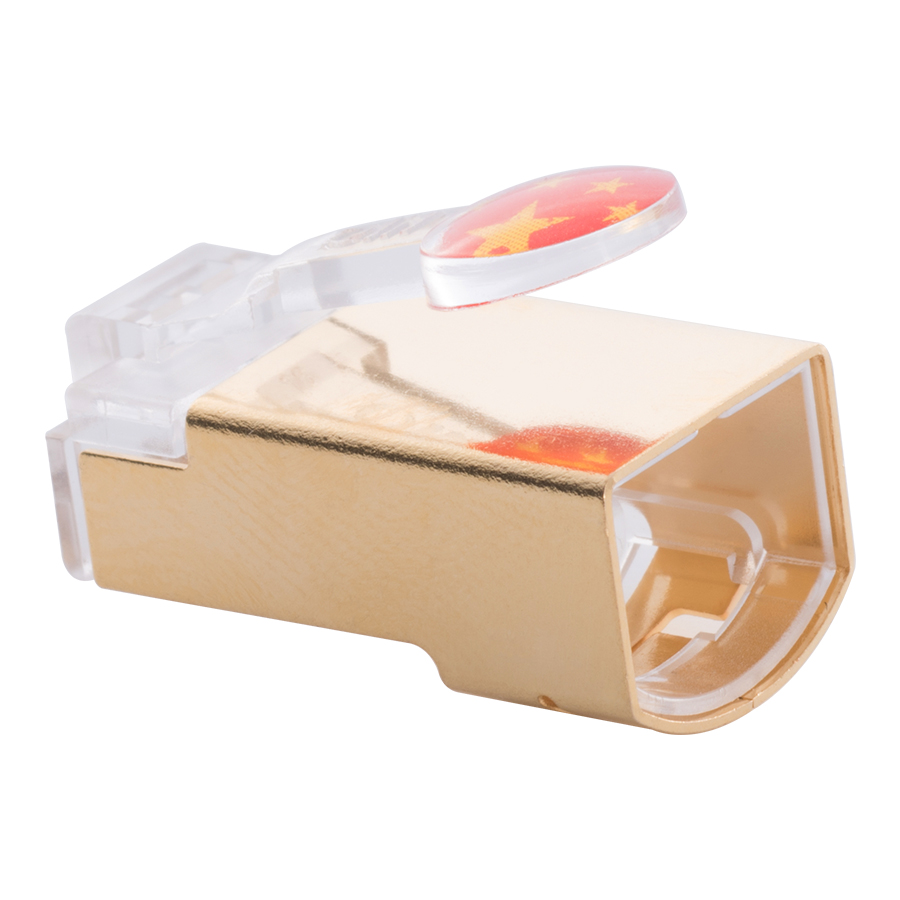
Connector Protection: Use outdoor-rated, IP67 or higher waterproof connectors and junction boxes to seal terminations against moisture, dust, and debris. Avoid terminating the cable in exposed locations without proper protection.
Avoid Extreme Exposure: Minimize direct exposure to sharp objects, chemical substances, or prolonged submersion in water. In coastal areas, select cables with corrosion-resistant materials to withstand salt spray.
In summary, Cat6 SFTP outdoor cable combines the high-performance capabilities of Cat6 cabling with specialized protective design, making it a reliable solution for outdoor network deployments. Its dual-shielding structure, weather-resistant materials, and compliance with global standards ensure stable, interference-free data transmission in even the harshest external environments. Whether for industrial, commercial, or residential use, it delivers the speed and durability required to support modern outdoor network applications.
-
-
-
-
-
-
-
-
-
-
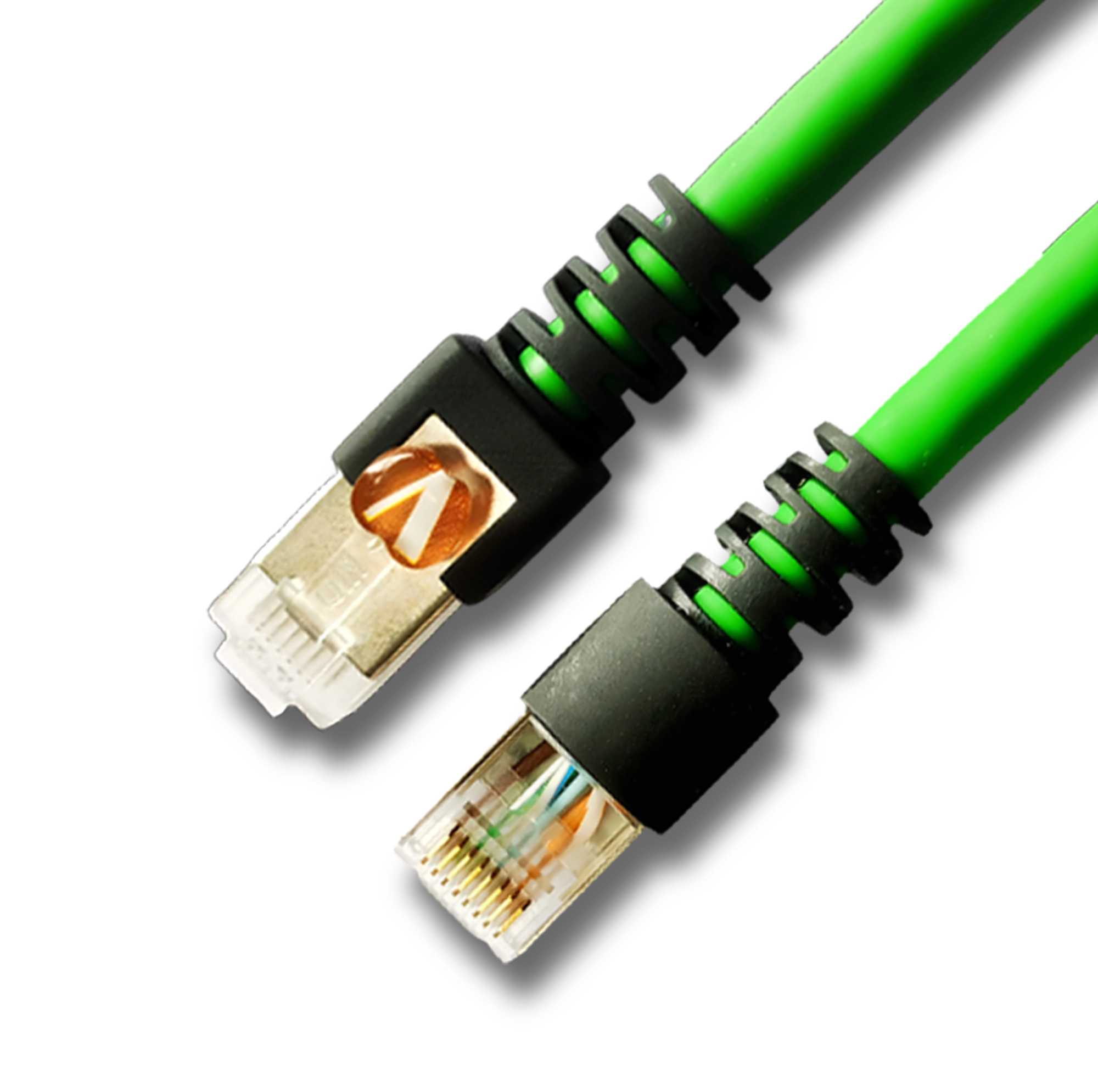
Network Patch Cord Cat8
Oct 23, 202592
-
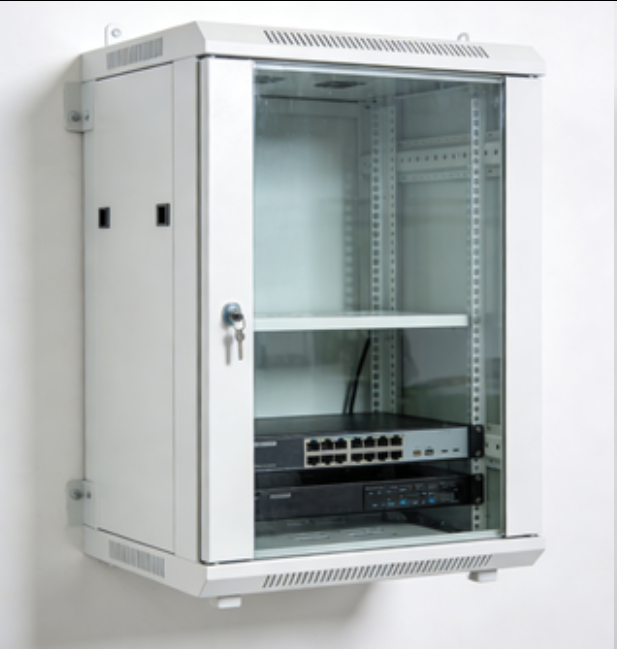
Network Rack Wall Mount with Glass Door
Jan 07, 202679
-
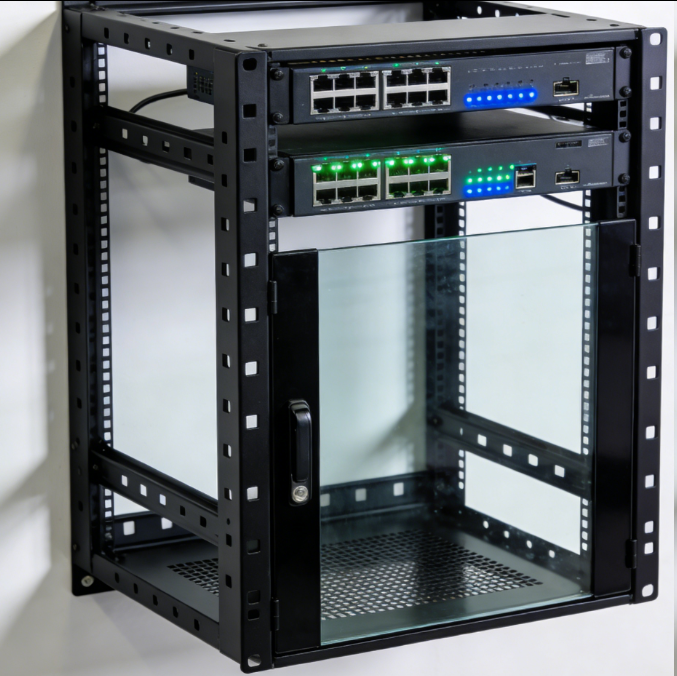
Network Rack Wall Mount 9U
Jan 06, 202675
-

Network Cable Management Tray
Oct 30, 202573
-
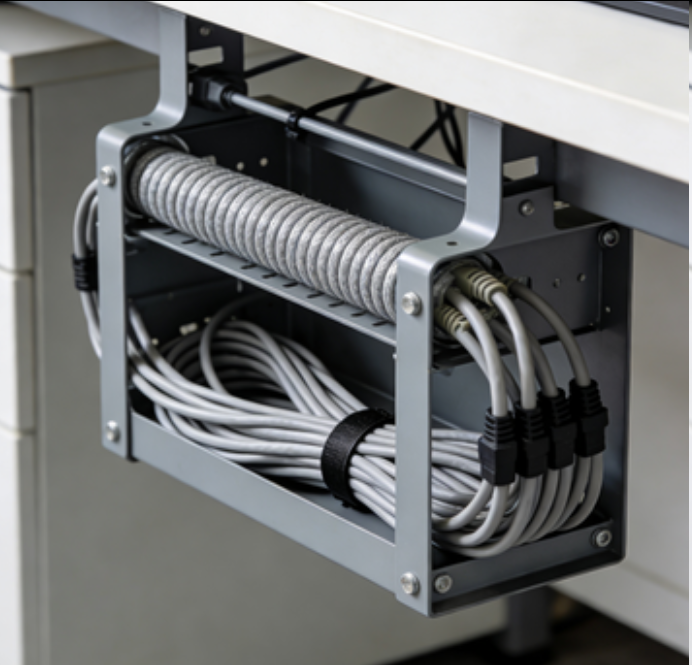
Network Cable Management Under Desk
Dec 25, 202572