- Language
china cat6 patch cord price
China Cat6 Patch Cord Price: Technical Drivers and Cost Dynamics
China has emerged as a key manufacturer of Cat6 patch cords, offering products that balance technical compliance, performance reliability, and competitive pricing. These patch cords, designed to meet global standards for high-speed data transmission, have their price points shaped by a combination of technical specifications, material quality, production processes, and market factors. Understanding these drivers is essential for selecting a product that aligns with performance needs and budget constraints.
Core Technical Specifications Shaping Value
Cat6 patch cords adhere to rigorous standards including ANSI/TIA-568.2-D and ISO/IEC 11801, supporting a bandwidth of 250 MHz and transmission rates up to 10 Gbps over distances of 55 meters. The technical design directly influences production costs, starting with conductor materials—high-purity oxygen-free copper (OFC) delivers superior conductivity and signal integrity, making it more costly than copper-clad aluminum (CCA) alternatives. Conductor gauge also plays a role, with 23 AWG and 24 AWG being common specifications, where thicker gauges (lower AWG numbers) offer lower resistance but higher material costs.
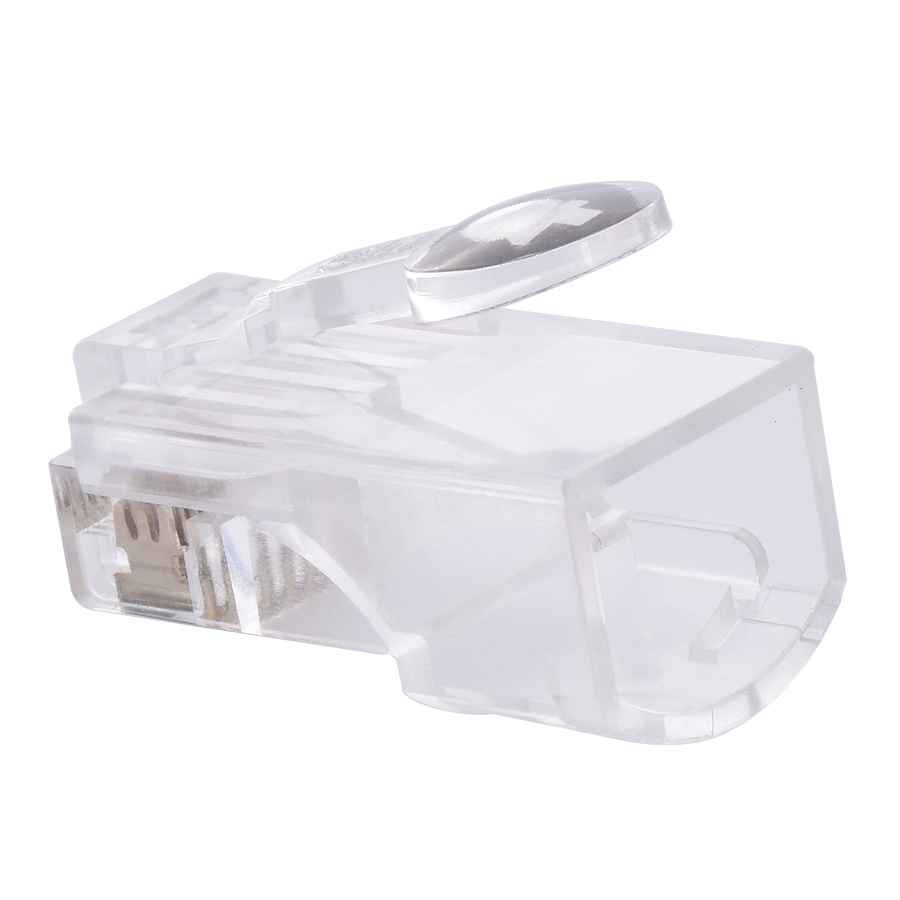
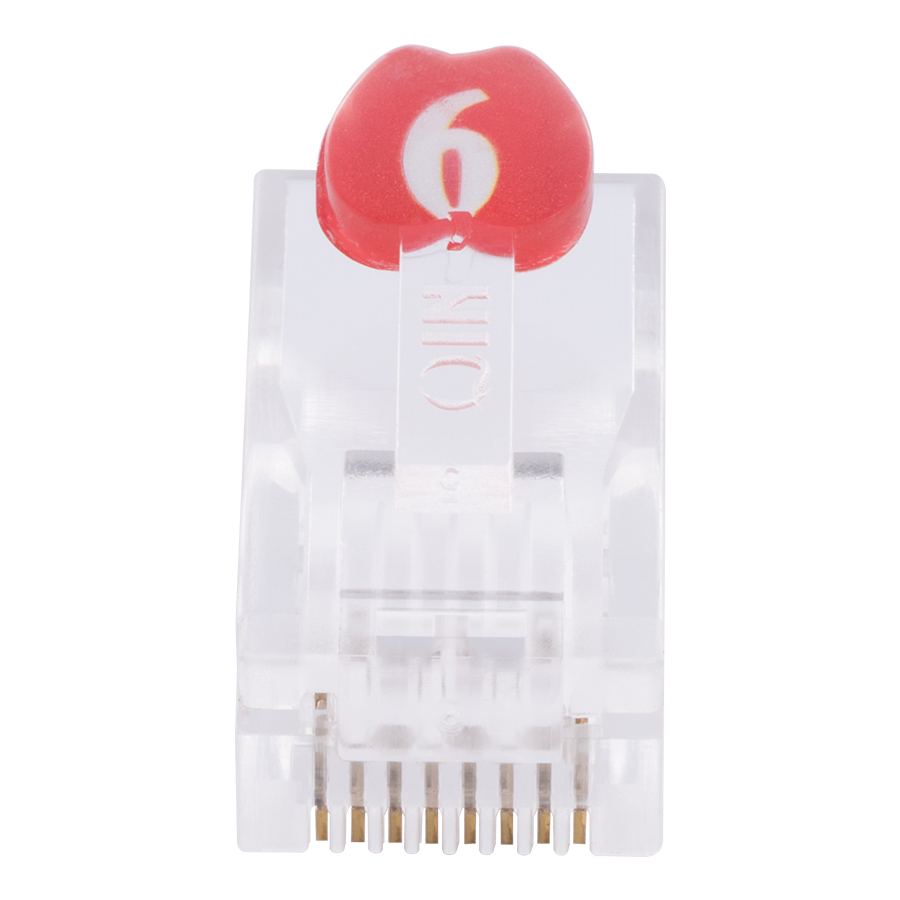
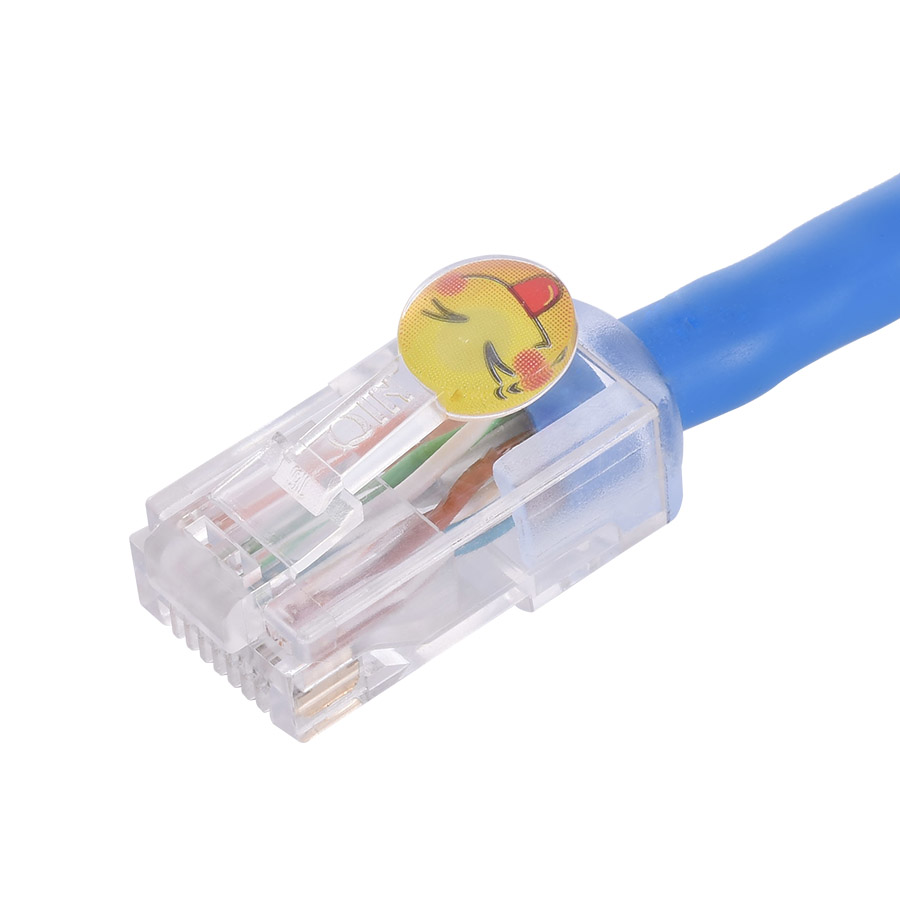
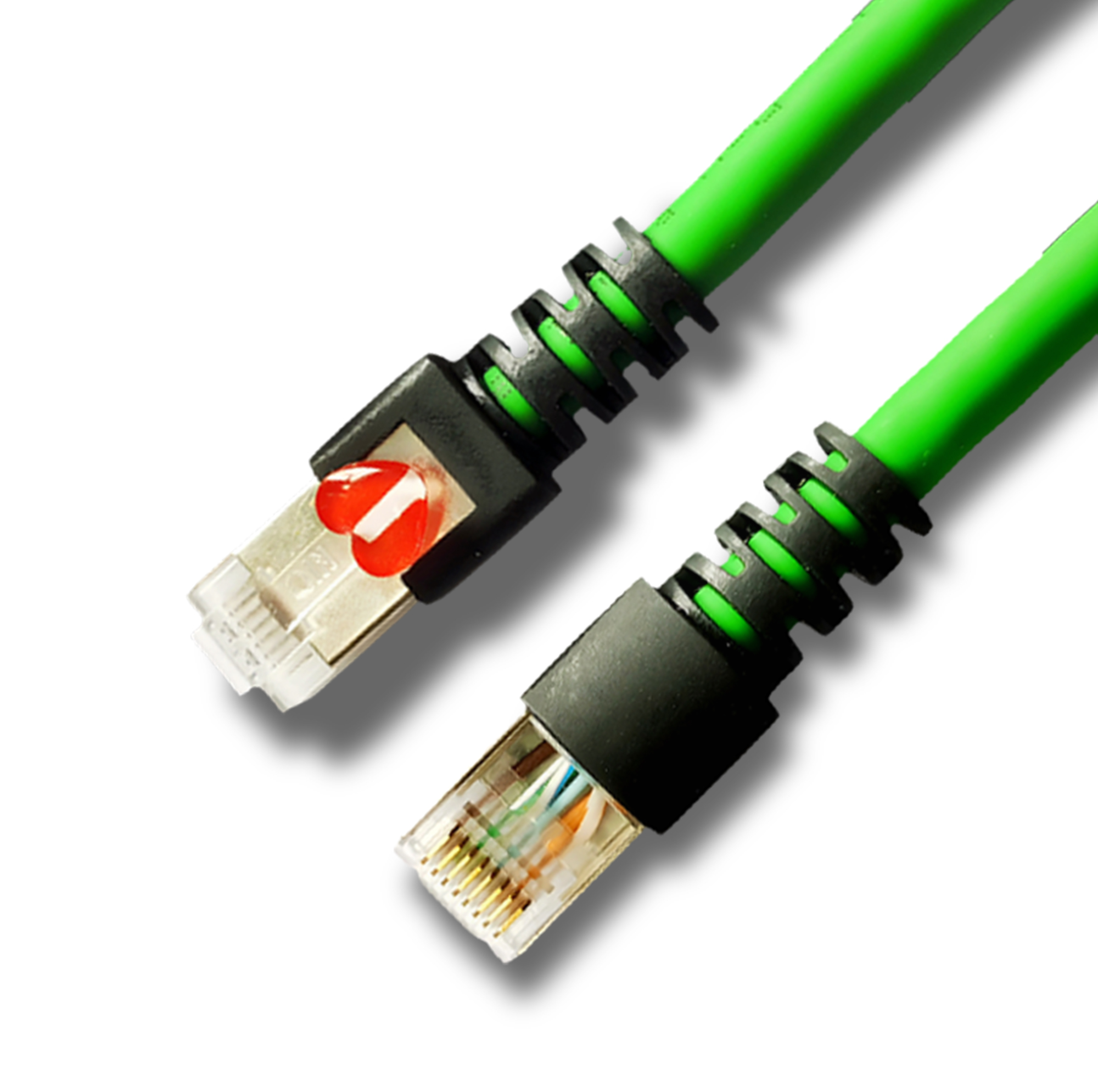
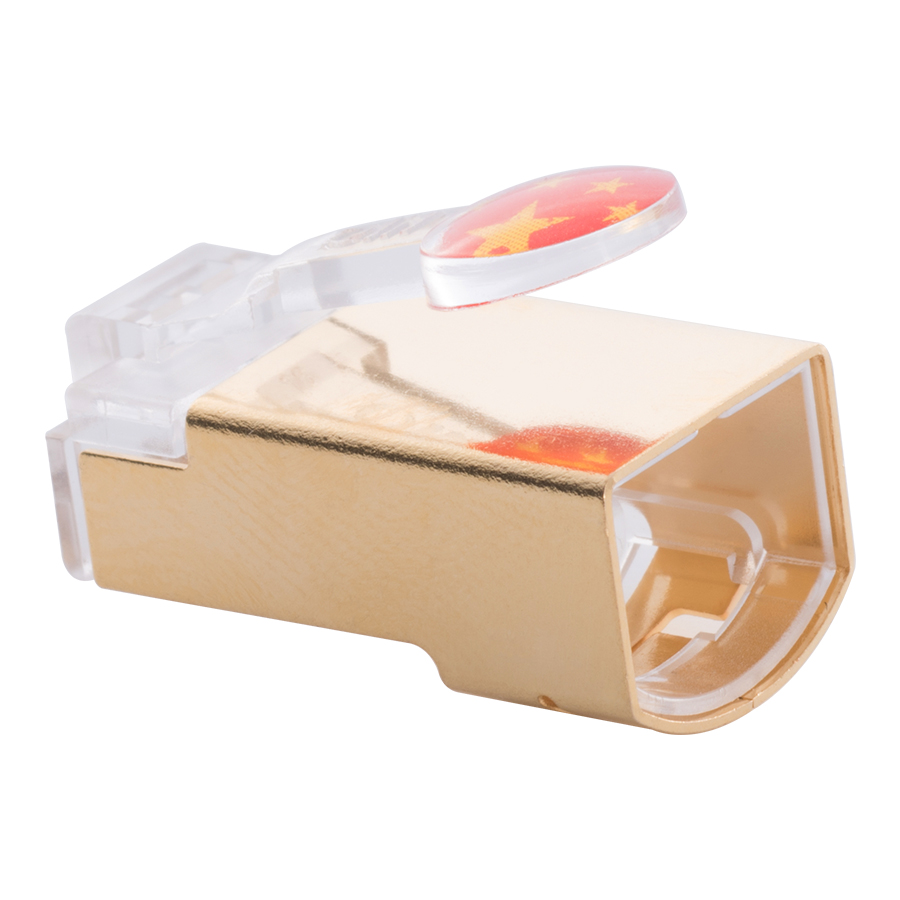
Shielding configuration is another critical technical factor. Unshielded (UTP) variants, featuring a cross-shaped PE skeleton to reduce crosstalk, are more cost-effective for general use. Shielded versions (F/UTP or S/FTP) incorporate aluminum foil or copper braid layers to block electromagnetic interference (EMI), increasing production complexity and price—making them suitable for industrial or high-density data center environments. Termination quality also impacts cost, with gold-plated RJ45 connectors (25μ" to 50μ" plating) ensuring corrosion resistance and stable contact, outperforming standard plating in durability and signal transmission.
Key Factors Influencing Pricing
Material Quality and Sourcing
Raw material costs dominate the price structure. Oxygen-free copper conductors, high-density polyethylene (HDPE) insulation, and flame-retardant jackets (PVC, LSZH, or CMP-rated) command higher prices due to their performance and compliance with safety standards. Environmentally friendly materials meeting RoHS requirements may also increase costs, as manufacturers invest in low-toxin formulations and testing.
Production Standards and Certification
Compliance with international certifications (UL, ETL, CE) involves rigorous testing for crosstalk, return loss, and flame resistance, adding to production overhead. Products that undergo 100% Fluke testing to verify performance consistency are typically priced higher than untested alternatives. Precision manufacturing processes, such as tight 绞合 (twisting) of wire pairs and consistent insulation thickness, require advanced equipment and quality control, further reflecting in the final price.
Order Volume and Customization
Bulk purchasing leverages economies of scale, with larger orders (100+ units) often attracting volume discounts. Customization—including non-standard lengths (from 1m to 100m), specialized jacket colors, or plenum-rated (CMP) sheaths for air-handling spaces—introduces additional setup and material costs. Standard lengths (1m, 2m, 5m) are more competitively priced due to mass production efficiency.
Market and Logistic Factors
Regional demand fluctuations, especially during peak construction or IT upgrade seasons, can affect short-term pricing. Transportation costs for raw materials and finished products, along with compliance with export regulations, also contribute to price variations. Manufacturers with integrated production facilities (from conductor drawing to final assembly) often offer more competitive prices by reducing supply chain margins.
Application-Specific Pricing Alignment
The intended use case should guide cost decisions. For residential or small office networks, UTP Cat6 patch cords with 24 AWG CCA conductors and standard plating provide cost-effective performance for gigabit applications. Enterprise networks and data centers benefit from OFC conductors and 50μ" gold-plated connectors, justifying higher prices with reduced signal loss and longer service life (up to 750+ plug-in cycles).
Outdoor or industrial applications require LSZH jackets and shielded designs to withstand harsh conditions (-40°C to +75°C operating temperatures), increasing prices but ensuring reliability in extreme environments. PoE-compatible variants, supporting IEEE 802.3bt standards for power delivery, are priced slightly higher due to enhanced conductor capacity to handle both data and power transmission.
Cost-Optimization Tips for Buyers
To balance performance and budget, prioritize technical specifications that match the application—avoid over-investing in shielding for low-interference environments. Verify certification documents to ensure compliance without paying for unnecessary premium features. Bulk ordering standard lengths reduces per-unit costs, while partnering with manufacturers offering flexible MOQs (minimum order quantities) accommodates smaller projects cost-effectively.
Inspect key components: ensure connectors have uniform gold plating and jackets feature clear standard markings (Cat6, flame rating, length). Avoid overly low-priced products that may use substandard materials, as they often suffer from signal degradation, poor durability, or non-compliance with safety standards—leading to higher long-term replacement costs.
In summary, China’s Cat6 patch cord pricing reflects a harmony of technical performance, material quality, and market dynamics. By understanding how conductor materials, shielding, certification, and order volume drive costs, buyers can select products that deliver reliable performance without unnecessary expenditure. Whether for residential, enterprise, or industrial use, the competitive manufacturing landscape in China offers a wide range of options, from cost-effective standard models to high-performance specialized solutions, catering to diverse networking needs.
-
-
-
-
-
-
-
-
-
-
Network Patch Cord Cat8
Oct 23, 202592
-
Network Rack Wall Mount with Glass Door
Jan 07, 202679
-
Network Rack Wall Mount 9U
Jan 06, 202675
-

Network Cable Management Tray
Oct 30, 202573
-
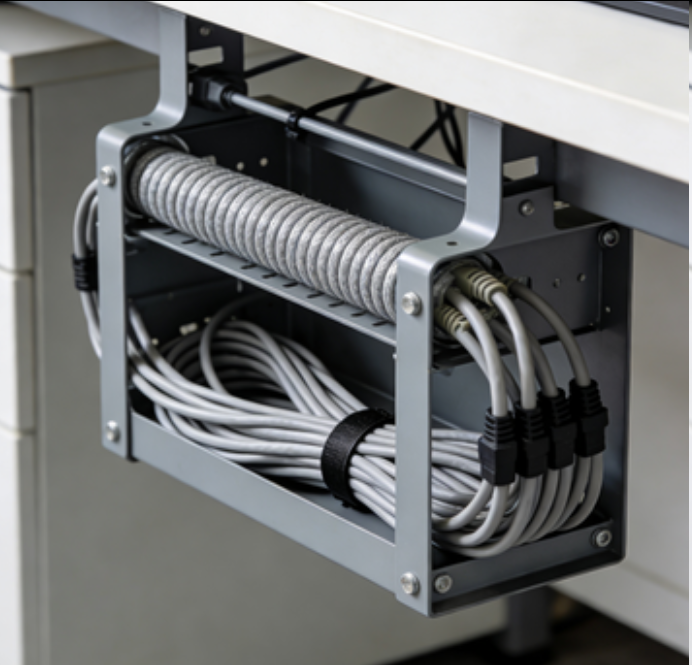
Network Cable Management Under Desk
Dec 25, 202572