- Language
Network Cable Management Solution
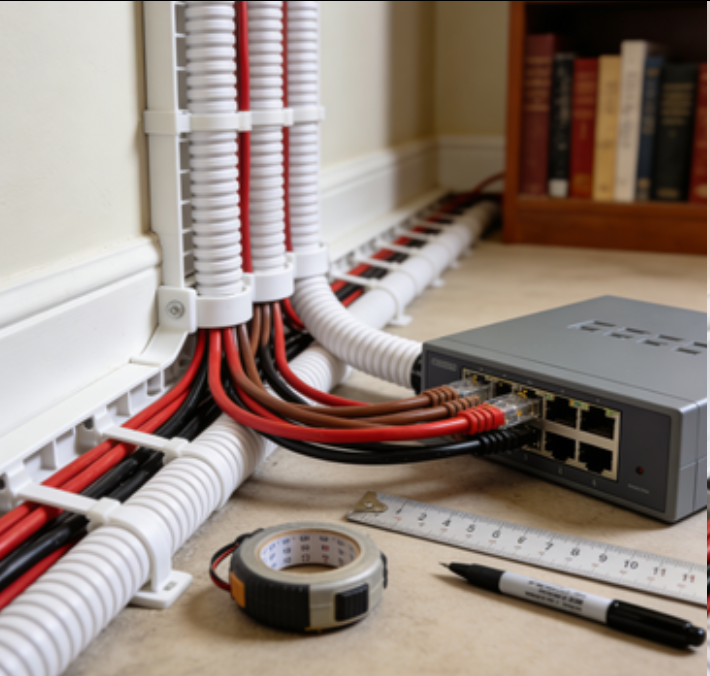
A comprehensive network cable management solution encompasses a range of strategies, tools, and practices aimed at organizing, protecting, and optimizing the performance of network cables within an infrastructure. In today's digital age, where networks are the backbone of businesses, organizations, and even homes, an effective cable management solution is crucial for ensuring reliable and efficient network operations.
At the core of a cable management solution is the organization of cables. This involves using various cable management tools such as cable trays, racks, clips, and ties to route and secure cables in an orderly manner. Cable trays, for instance, provide a flat surface or channels where cables can be laid out and guided, preventing them from tangling and making it easier to identify and manage individual cables. Network racks, on the other hand, offer a structured framework for housing network equipment and organizing the associated cables. By using rack - mount cable managers, cables can be neatly routed and separated, reducing the risk of interference and improving the overall appearance of the rack.
Another important aspect of a cable management solution is cable protection. Cables are vulnerable to physical damage from factors such as accidental pulls, abrasion, and bending. To address this, protective measures such as cable sleeves, conduits, and jackets can be employed. Cable sleeves are flexible tubes that can be slipped over cables to protect them from scratches and cuts. Conduits, on the other hand, are rigid or flexible pipes that provide a more robust form of protection, especially in environments where cables are exposed to heavy traffic or potential damage.
A cable management solution also takes into account the future growth and scalability of the network. As networks expand and new devices are added, the cable infrastructure needs to be able to accommodate these changes. This can be achieved through the use of modular cable management systems that allow for easy addition or removal of components. For example, modular cable trays with removable dividers can be adjusted to fit different cable sizes and quantities, while modular rack - mount cable managers can be upgraded or extended as needed.
In addition to physical organization and protection, a cable management solution also includes proper documentation. Keeping detailed records of cable routes, connections, and equipment locations is essential for effective network management. This documentation can be in the form of diagrams, spreadsheets, or specialized software, and it helps technicians quickly identify and troubleshoot issues, as well as plan for future network upgrades. Overall, a well - designed network cable management solution is essential for maintaining a reliable, efficient, and scalable network infrastructure.
Read recommendations:
LEG 77210 Multi-support Single Socket Mosaic German Std - 2P+E w/o Shutters with Screw White
Graffiti WiFi Circuit Breaker RMDZT-1PNL 63A (DJ)
-
-
-
-

-
-
-

-
-
-
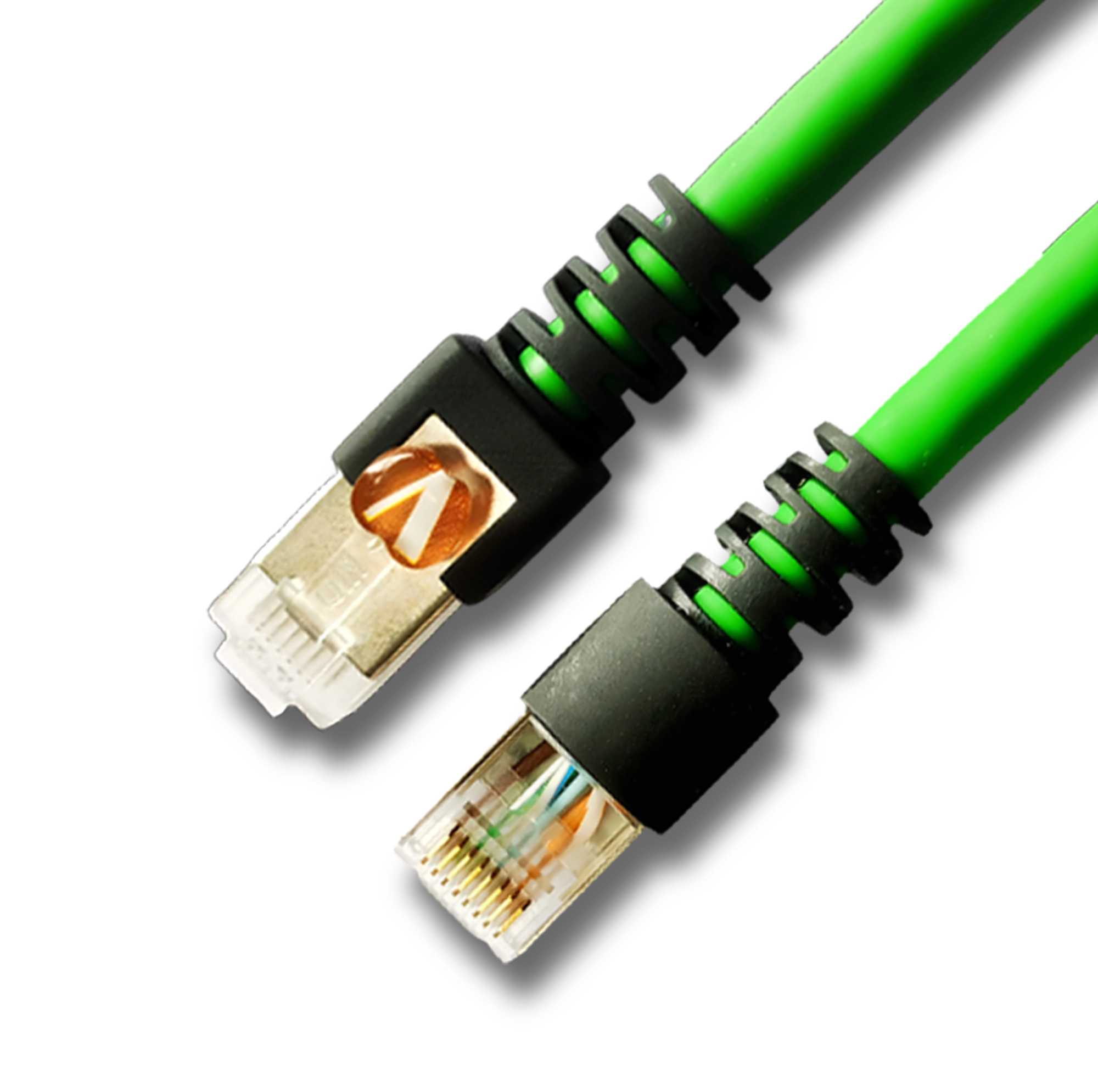
Network Patch Cord Cat8
Oct 23, 202592
-
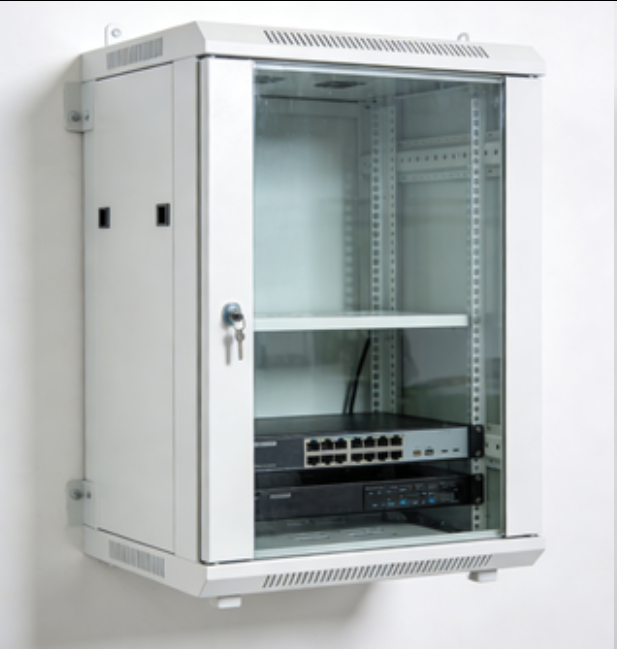
Network Rack Wall Mount with Glass Door
Jan 07, 202679
-
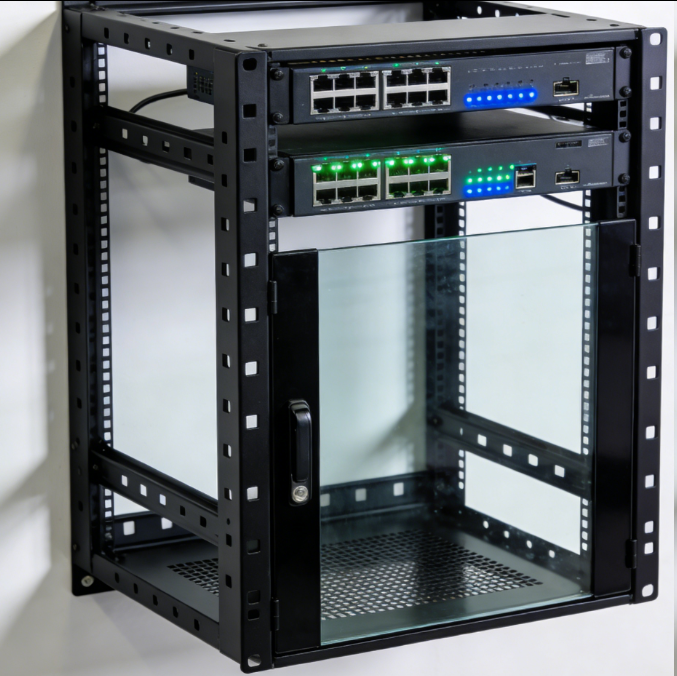
Network Rack Wall Mount 9U
Jan 06, 202675
-

Network Cable Management Tray
Oct 30, 202573
-
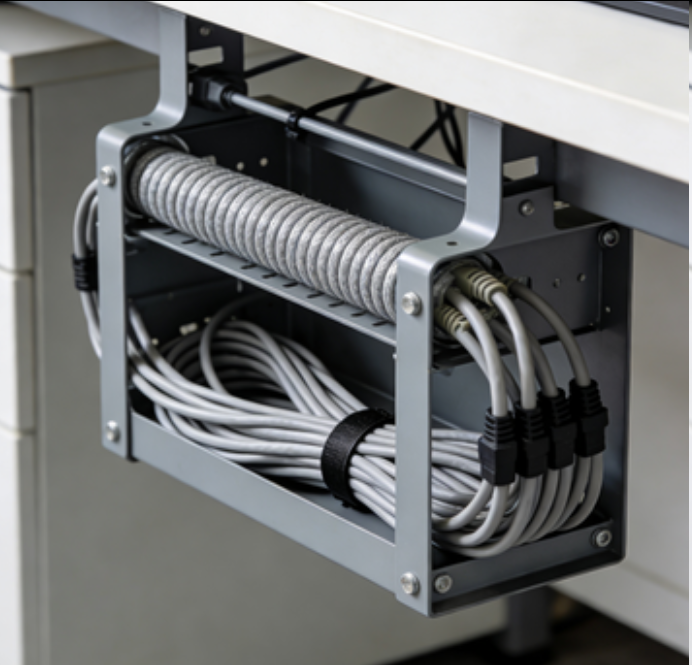
Network Cable Management Under Desk
Dec 25, 202572