- Language
Network Patch Panel Rear Cable Support
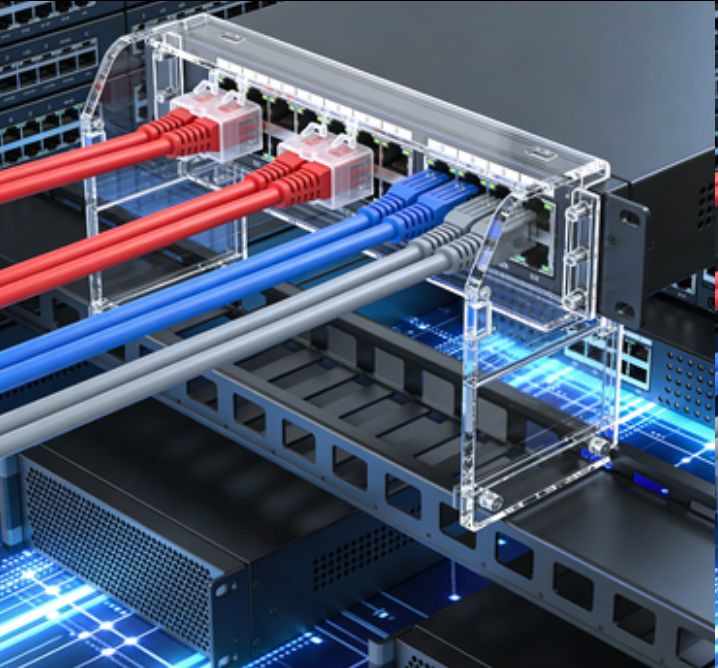
The rear cable support of a network patch panel is a vital yet often overlooked feature that plays a crucial role in maintaining the integrity, organization, and performance of a network infrastructure. While the front - facing ports of a patch panel are where the visible connections to network devices are made, the rear of the panel is where the majority of the cable management and termination work occurs, and proper cable support is essential for ensuring the long - term reliability of the network.
One of the primary functions of the rear cable support is to prevent cable strain and damage. When Ethernet cables are terminated on the back of the patch panel, they can be subject to various forces, such as pulling, bending, and twisting, especially during installation, maintenance, or when adding new connections. Rear cable support systems, which can include cable ties, clips, brackets, or specialized cable management trays, are designed to secure the cables in place, reducing the stress on the cable terminations and the patch panel ports. By keeping the cables properly supported, the risk of loose connections, broken conductors, or damaged insulation is significantly minimized, ensuring a stable and consistent electrical connection over time.
In addition to protecting the cables, rear cable support also contributes to better cable organization. In a busy network environment, a large number of cables may be connected to a patch panel, and without proper support and organization, they can quickly become tangled and disorganized. This not only makes it difficult to identify and manage individual cables but also increases the risk of crosstalk, where signals from one cable interfere with those of adjacent cables. Rear cable support systems help to separate and route the cables in an orderly manner, ensuring that they are properly spaced and aligned. This improves the overall aesthetics of the network infrastructure and also enhances the performance of the network by reducing interference and signal degradation.
Furthermore, the rear cable support of a network patch panel can facilitate easier maintenance and troubleshooting. When a network issue arises, technicians need to be able to quickly access and trace the cables connected to the patch panel. A well - organized rear cable support system makes it easier to identify and follow the cables, reducing the time and effort required to diagnose and resolve problems. For example, if there is a connectivity issue with a particular port on the patch panel, a technician can more easily trace the corresponding cable on the back of the panel to check for any issues, such as a loose connection or a damaged cable segment.
There are different types of rear cable support solutions available, and the choice depends on the specific requirements of the network and the patch panel. Some patch panels come with built - in rear cable management features, such as integrated cable trays or clips, while others may require the installation of external cable support accessories. Regardless of the type, proper rear cable support is an essential aspect of network patch panel design and installation, contributing to the overall reliability, organization, and maintainability of the network infrastructure.
Read recommendations:
LEG 77211 Socket Outlet Mosaic German Std 2P+E Auto term - 2 Mod - White Antimicrobial
EU standard 16A 20A smart plug
-
-
-
-
-
-
-
-
-
-
Network Patch Cord Cat8
Oct 23, 202592
-
Network Rack Wall Mount with Glass Door
Jan 07, 202677
-
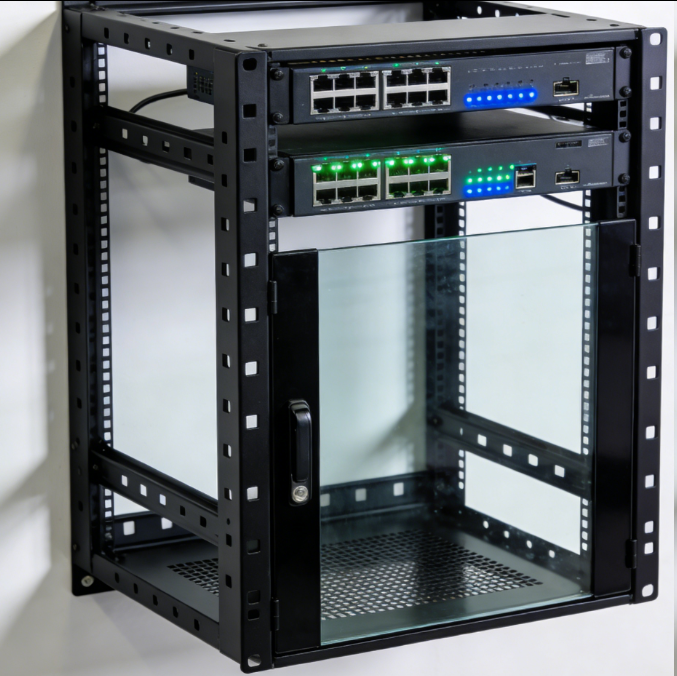
Network Rack Wall Mount 9U
Jan 06, 202675
-

Network Cable Management Tray
Oct 30, 202573
-
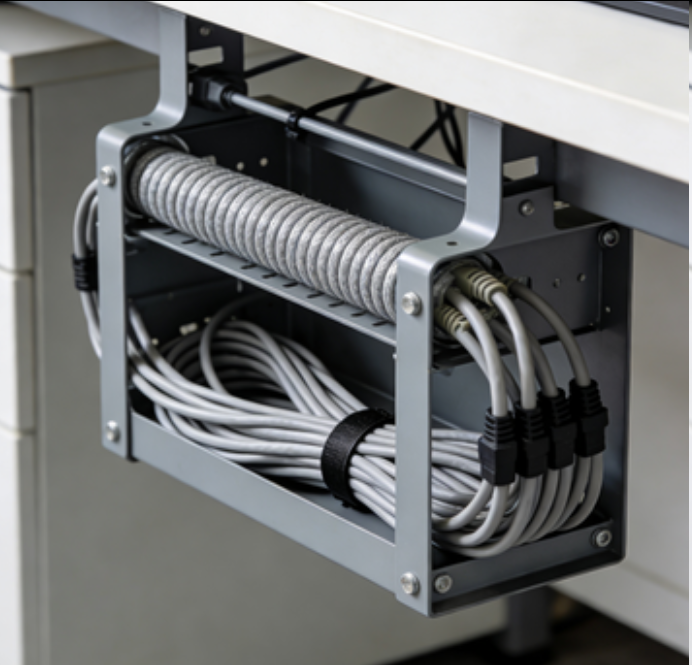
Network Cable Management Under Desk
Dec 25, 202572