- Language
Network Rack 42U Load Capacity
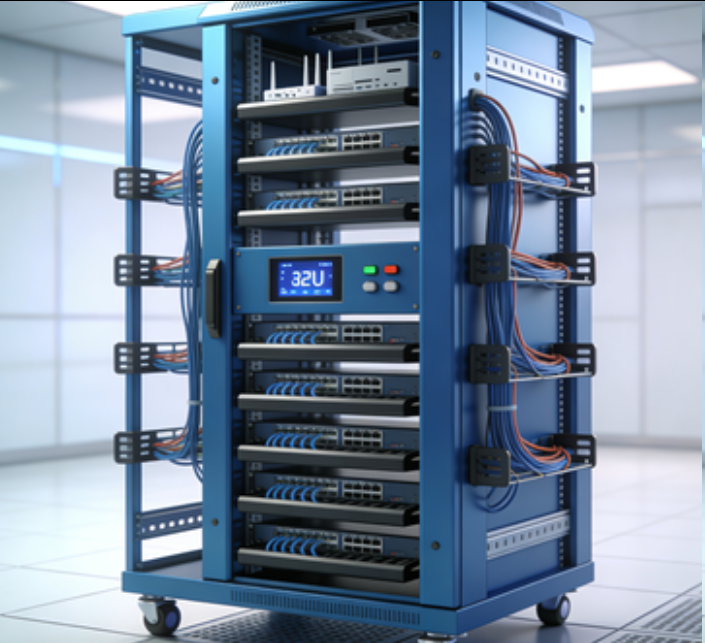
The load capacity of a 42U network rack is a crucial factor that determines its suitability for housing various network equipment. Standing at 73.5 inches in height, a 42U rack is designed to accommodate a substantial amount of gear, but its ability to support the weight of these devices safely and effectively is of utmost importance. Understanding the load capacity helps network administrators make informed decisions about equipment placement, ensuring the stability of the rack and the reliability of the network infrastructure.
Typically, 42U network racks are constructed from heavy - duty materials such as steel or high - quality aluminum alloys, which contribute significantly to their load - bearing capabilities. Steel racks are renowned for their exceptional strength. High - gauge steel frames, reinforced with cross - braces and sturdy side panels, can support extremely heavy loads. These racks often have a static load capacity ranging from 1000 pounds to 3000 pounds or even more, depending on the specific design and construction quality. This allows them to house multiple high - performance servers, large - capacity storage arrays, and powerful network switches, all of which can be quite heavy. For example, enterprise - grade servers equipped with multiple processors, extensive memory modules, and large - capacity hard drives can weigh several dozen pounds each. A 42U steel rack with a high load capacity can easily support a cluster of such servers without compromising its structural integrity.
Aluminum 42U racks, while generally lighter in weight compared to steel racks, also offer considerable load - bearing strength. Advanced manufacturing techniques and the use of high - strength aluminum alloys enable these racks to support loads ranging from 500 pounds to 1500 pounds or more. Aluminum racks are often preferred in environments where weight is a concern, such as in facilities with floor load restrictions or in installations where portability is required. Despite their lighter weight, they are designed to provide stable support for a wide range of network equipment, including switches, routers, and smaller - sized servers.
The load capacity of a 42U network rack is not only determined by the material but also by its design features. The distribution of weight within the rack is critical. Racks with evenly spaced and robust mounting rails can distribute the weight of the equipment more effectively, reducing stress on any single point. Additionally, the base and feet of the rack play a vital role. A wide and sturdy base with anti - slip feet helps to evenly distribute the load across the floor, preventing the rack from tipping over. Some high - end 42U racks may also feature adjustable feet, which can be used to level the rack on uneven surfaces, further enhancing its stability and load - bearing capacity.
When planning the installation of equipment in a 42U rack, it is essential to consider the cumulative weight of all the devices. Overloading a rack can lead to structural damage, instability, and potential safety hazards. Network administrators should carefully review the weight specifications of each piece of equipment and ensure that the total load does not exceed the rated capacity of the rack. By doing so, they can maintain the integrity of the rack, protect the network equipment, and ensure the smooth operation of the entire network infrastructure.
Read recommendations:
JACK C6 180 Degree Rotary Type, cat6 Toolless keystone jack
LEG 77216 Socket Outlet Mosaic German Std 2P+E Auto term - 2 Mod - Green Antimicrobial
Smart Switch Outlet 1 Gang with Wireless APP Remote Control Compatible with Legrand Faceplate
-
-
-
-

-
-
-

-
-

-
Network Patch Cord Cat8
Oct 23, 202592
-
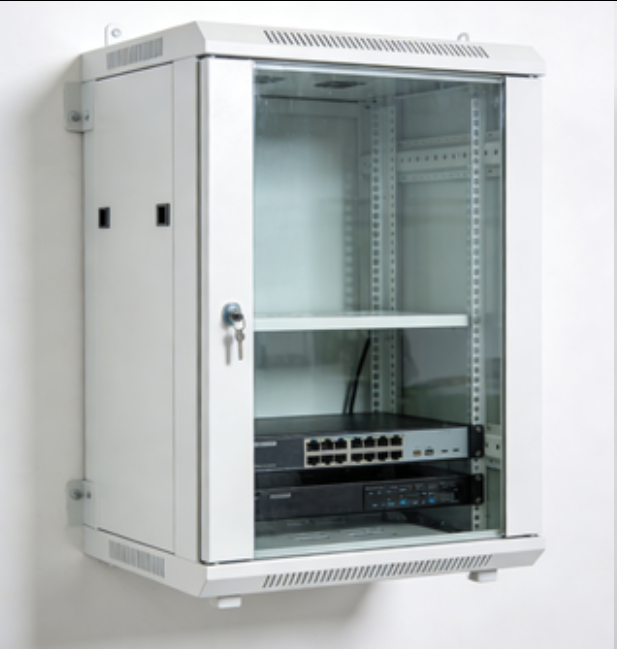
Network Rack Wall Mount with Glass Door
Jan 07, 202679
-
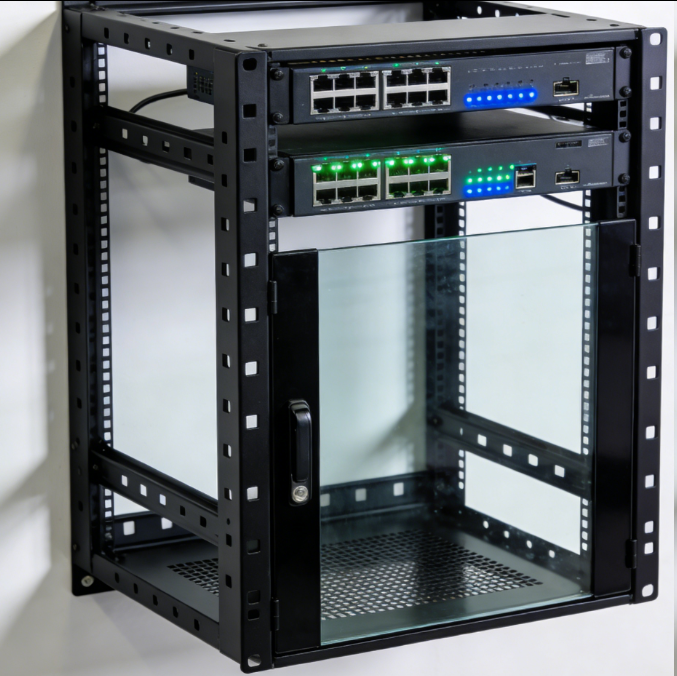
Network Rack Wall Mount 9U
Jan 06, 202675
-

Network Cable Management Tray
Oct 30, 202573
-
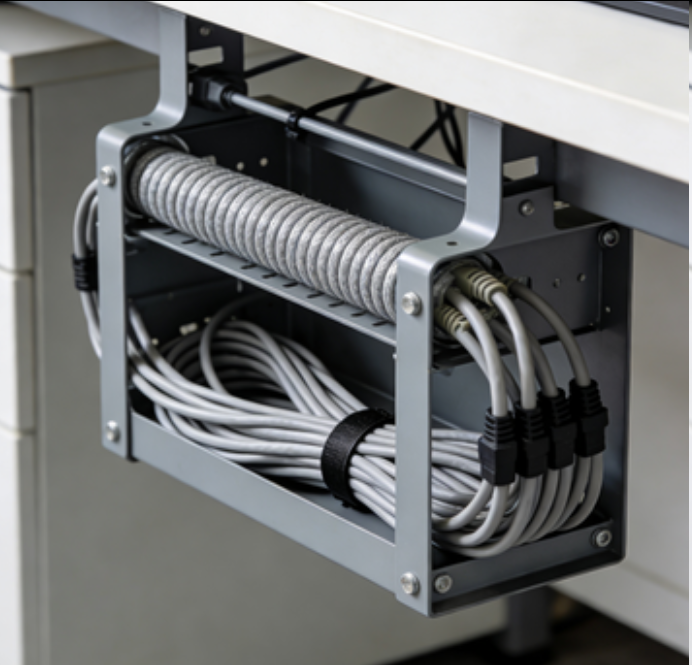
Network Cable Management Under Desk
Dec 25, 202572