- Language
SSTP (Shielded Screened Twisted Pair) Network Patch Cord
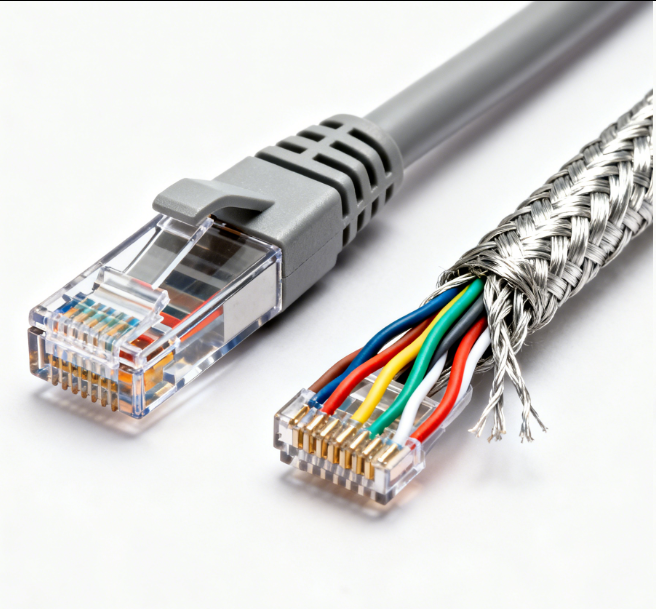
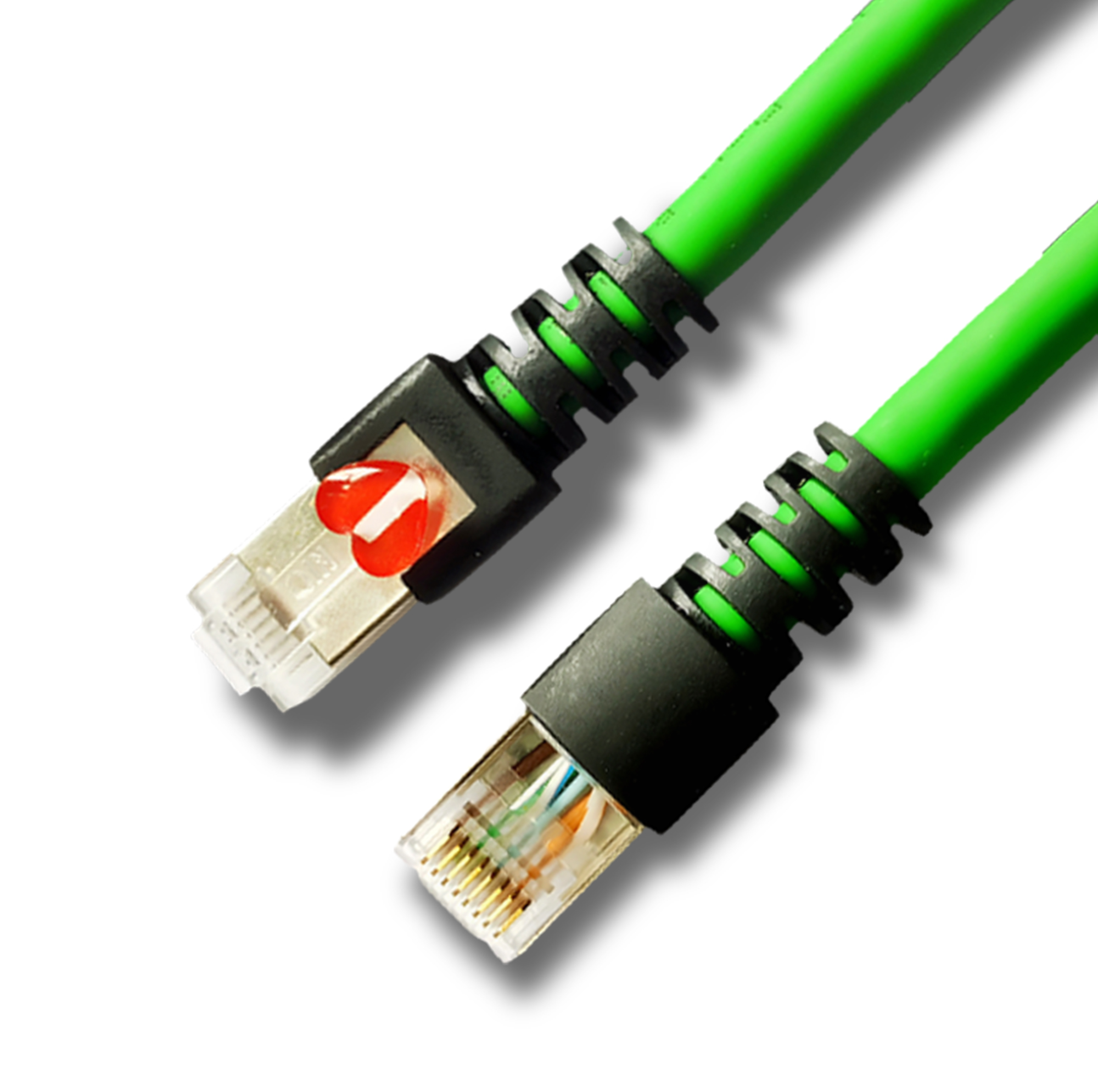
SSTP network patch cords—also known as “Double-Shielded Twisted Pair”—offer the highest level of EMI protection among common patch cord types, featuring a dual-shield design: an inner foil shield around each individual twisted wire pair, plus an outer braided shield around the entire bundle of pairs. This dual-layer shielding creates a “double barrier” against EMI, blocking even the strongest external interference and eliminating almost all internal crosstalk or signal leakage.
The structure of an SSTP cord is more complex than other types: each of the four wire pairs is insulated and wrapped in foil (inner shield), all four foiled pairs are bundled together with a drain wire for the inner shields, then the entire bundle is wrapped in a braided metal shield (outer shield) with a second drain wire, and finally encased in a thick, durable outer jacket (often LSZH or ruggedized PVC for harsh environments). The inner foil shields prevent crosstalk between individual pairs (a common issue in high-frequency applications), while the outer braided shield blocks external EMI from sources like radio transmitters, radar systems, or high-voltage power lines.
SSTP cords are designed for extreme environments where EMI is severe or signal integrity is mission-critical, such as military communications systems, aerospace applications (e.g., aircraft avionics), industrial control systems (e.g., power plants or oil refineries with heavy machinery), or high-frequency data centers (supporting 25 Gbps or 100 Gbps Ethernet over Cat8 cables). For example, in a military vehicle, SSTP cords connecting communication devices ensure that signals are not intercepted or disrupted by enemy jamming or nearby vehicle electronics.
In addition to superior EMI protection, SSTP cords offer excellent durability: the dual shields and thick outer jacket make them resistant to physical damage, moisture, and temperature extremes (-40°C to 85°C for industrial-grade models). However, their complex design comes with tradeoffs: SSTP cords are the thickest, least flexible, and most expensive of all patch cord types. They also require precise installation: both the inner foil shields and outer braided shield must be properly grounded (using their respective drain wires) to avoid ground loops or noise.
SSTP is not necessary for most residential or small business applications, but it is indispensable in environments where even minimal signal loss or EMI interference could lead to safety risks, financial losses, or mission failure. When selecting SSTP cords, it is important to choose high-quality models with high shield coverage (e.g., 95%+ braided shield coverage) and compatible connectors (with metal shells to support dual grounding) to ensure optimal performance.
Read recommendations:
Top Sale High Quality RJ45 8P8C Shielded Cat6a Glod-plated Keystone Jack
LEG 571042 Multi Standard Socket - 2P+E Unswitched - Shuttered - 2 Modules - Alu
-
-
-
-
-
-
-
-
-
-
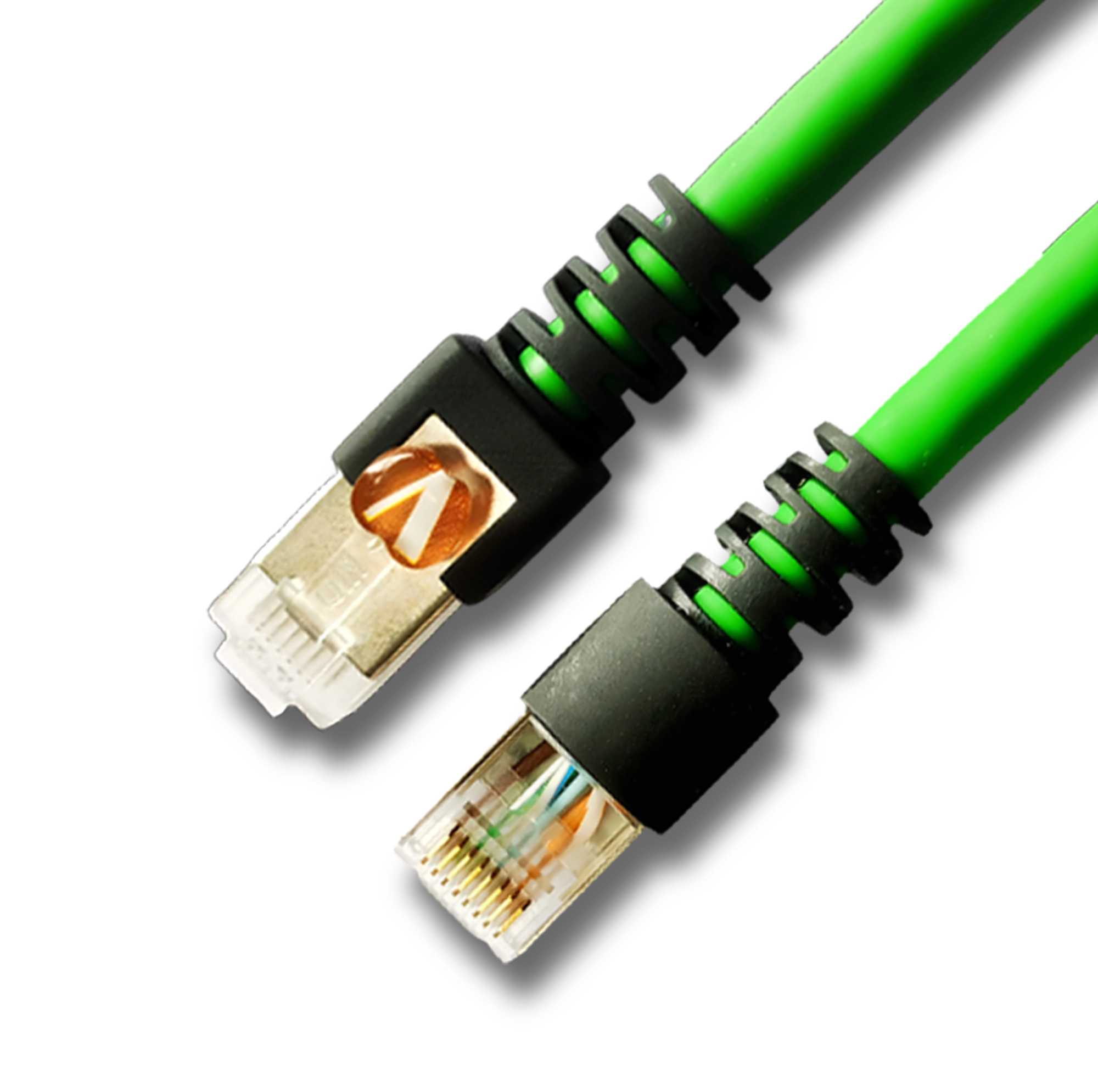
Network Patch Cord Cat8
Oct 23, 202592
-
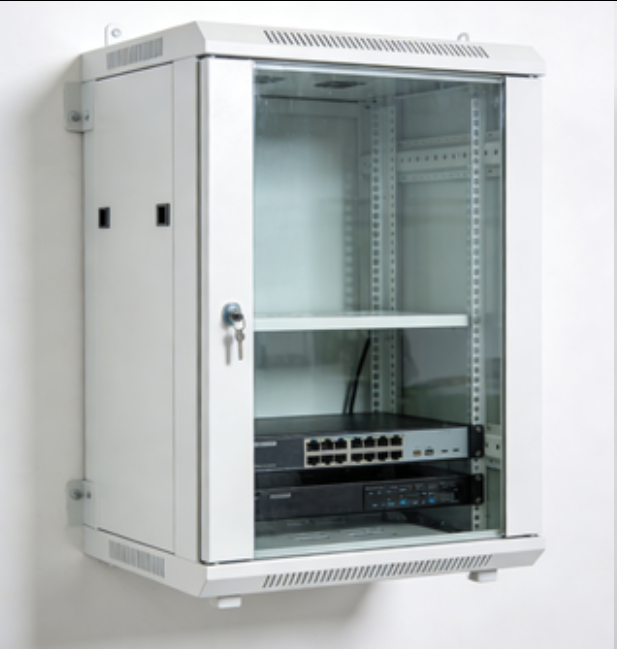
Network Rack Wall Mount with Glass Door
Jan 07, 202679
-
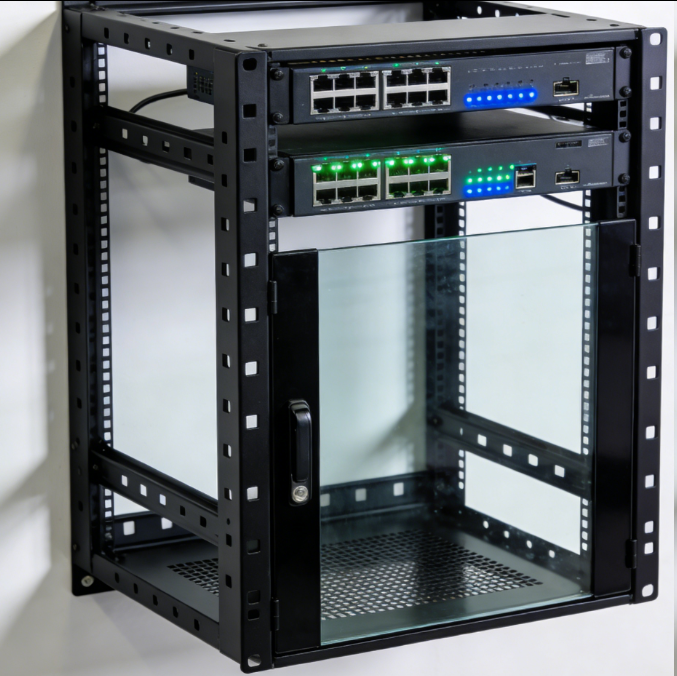
Network Rack Wall Mount 9U
Jan 06, 202675
-

Network Cable Management Tray
Oct 30, 202573
-
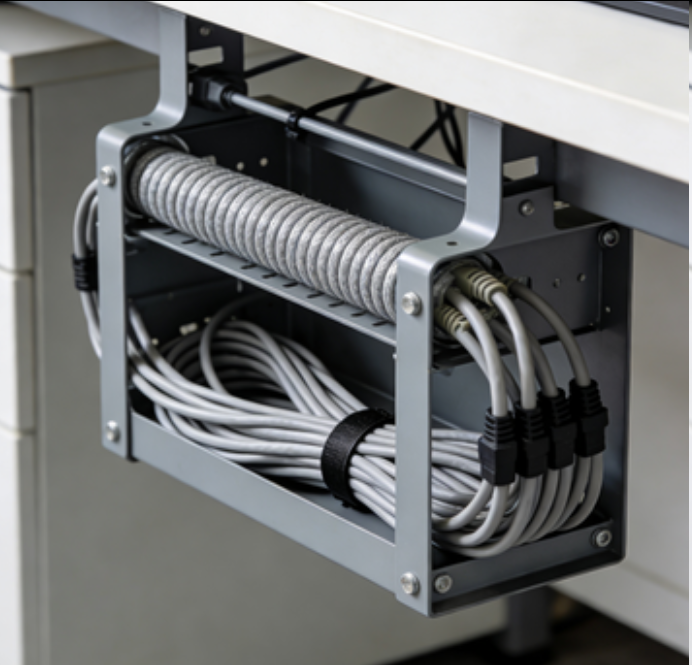
Network Cable Management Under Desk
Dec 25, 202572