- Language
Computer Room Network Patch Cord

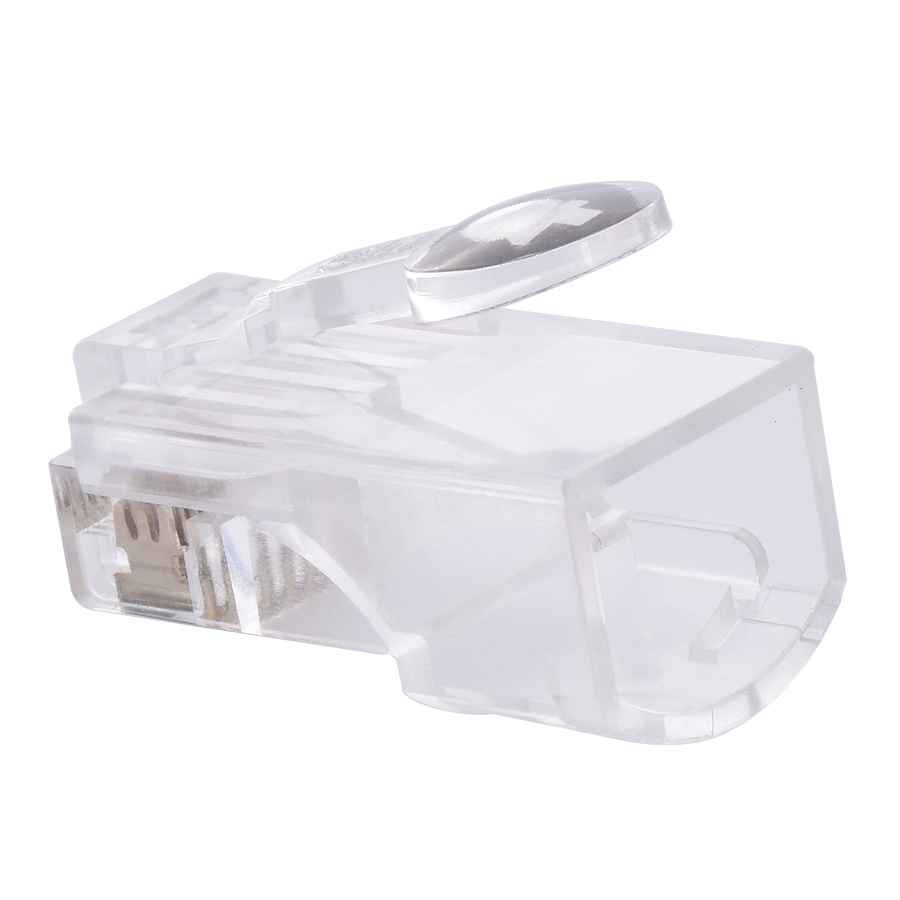
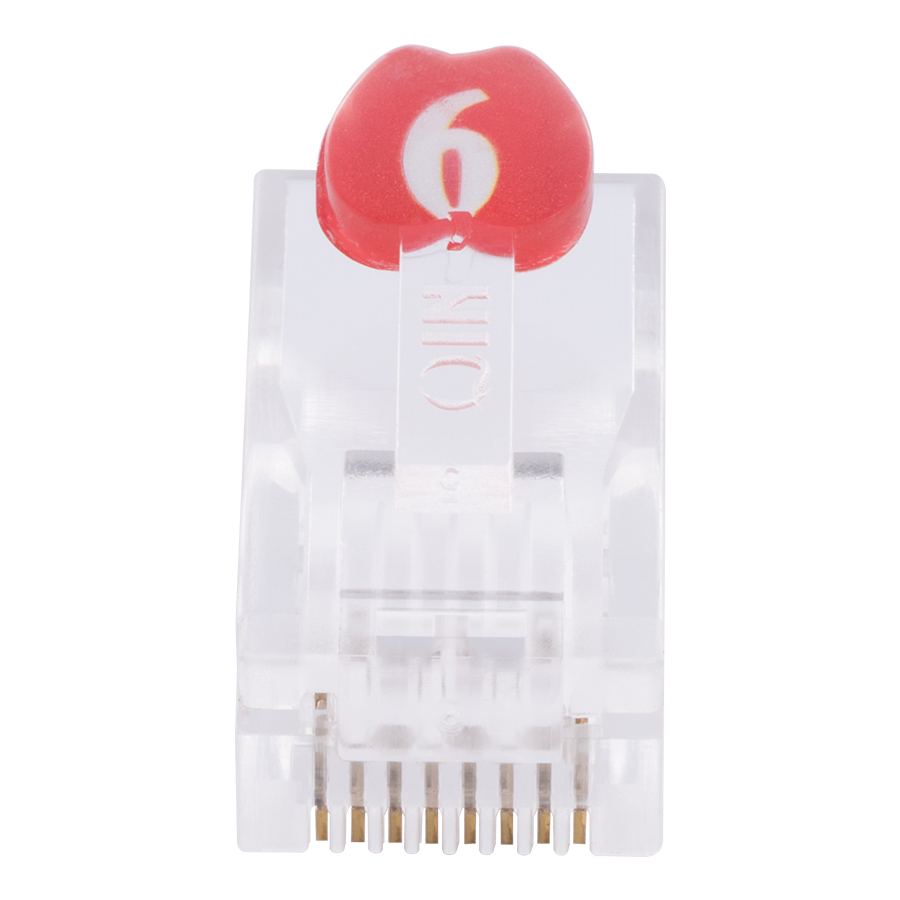
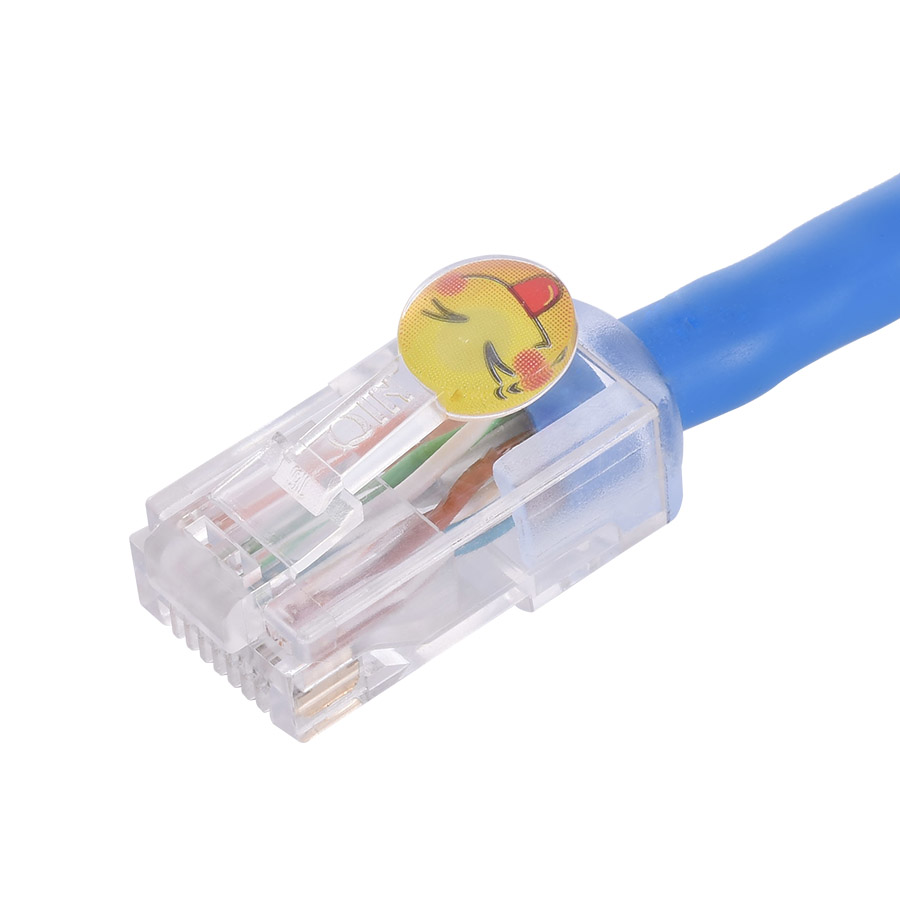
Network patch cords in computer rooms are critical for establishing reliable connections between servers, switches, and networking devices. These cables must balance performance, durability, and flexibility to meet the demands of dynamic IT environments. Typically constructed with twisted-pair copper conductors, they reduce electromagnetic interference (EMI) and crosstalk, ensuring stable data transmission. Computer room patch cords often adhere to Cat5e, Cat6, or Cat6A standards, supporting frequencies up to 250–500 MHz and enabling 1–10 Gigabit Ethernet (1GBase-T/10GBase-T) over distances of up to 100 meters.
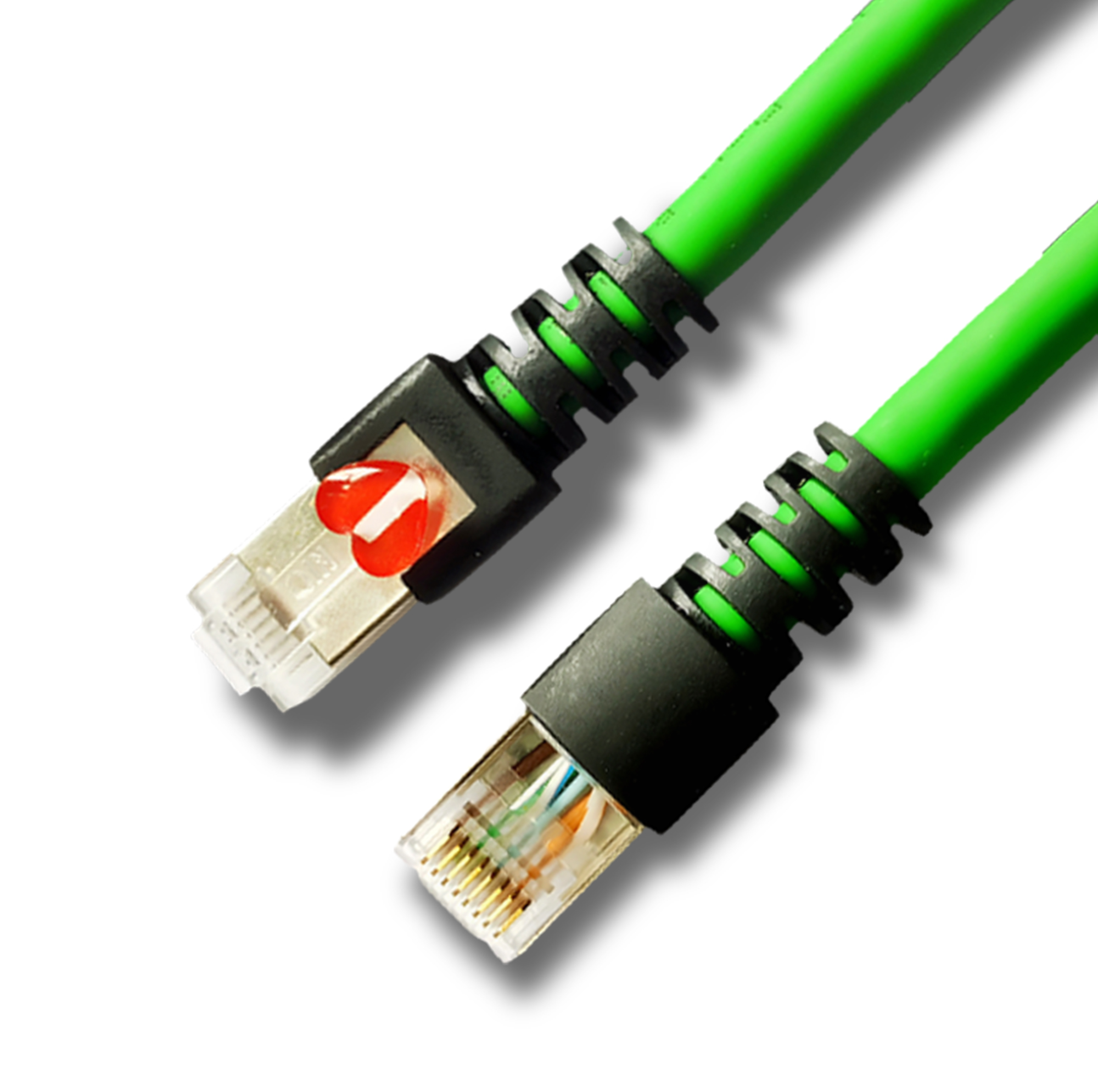
Durability is a key consideration in computer rooms, where cables are frequently moved or reconfigured. Many patch cords feature strain relief boots on RJ45 connectors to prevent damage during handling, while low-smoke zero-halogen (LSZH) jackets reduce toxic fume emissions in case of fire, complying with safety standards for enclosed spaces. Some models also incorporate color-coded designs to simplify cable management and troubleshooting.
When selecting patch cords for a computer room, it’s essential to match the cable’s specifications with the network’s infrastructure. For instance, Cat6A patch cords are ideal for 10GBase-T applications, while Cat5e suffices for 1GBase-T. Proper installation techniques, such as avoiding sharp bends and maintaining cable separation, are also critical to maintaining signal integrity and preventing performance issues.
Read recommendations:
LEG 77217 Socket Outlet Mosaic German Std 2P+E Auto term - 2 Mod - Orange Antimicrobial
-
-
-
-
-
-
-
-
-
-
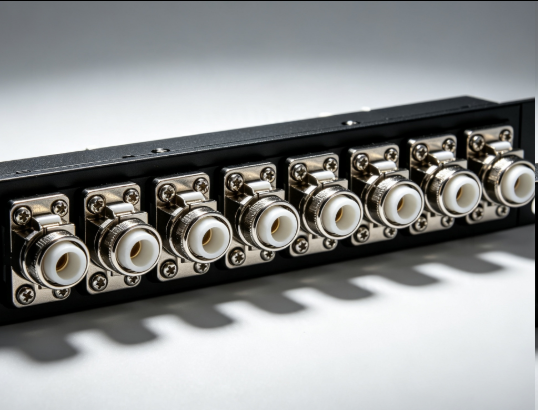
Flange Type Fixed Fiber Optic Adapter for Rack Panel
Sep 19, 2026956
-
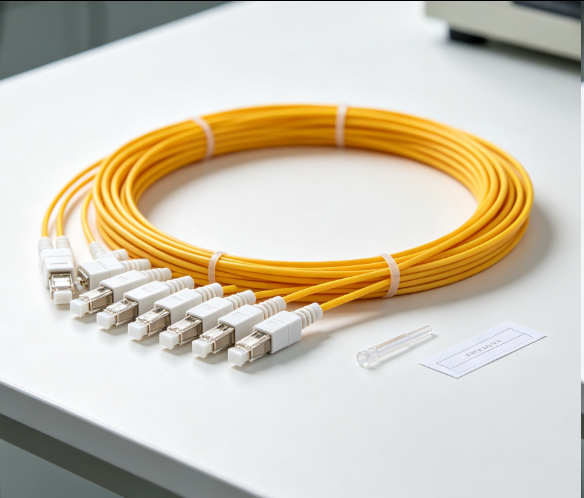
Fiber Pigtail 12 Cores SC UPC Single Mode
Sep 04, 2026930
-
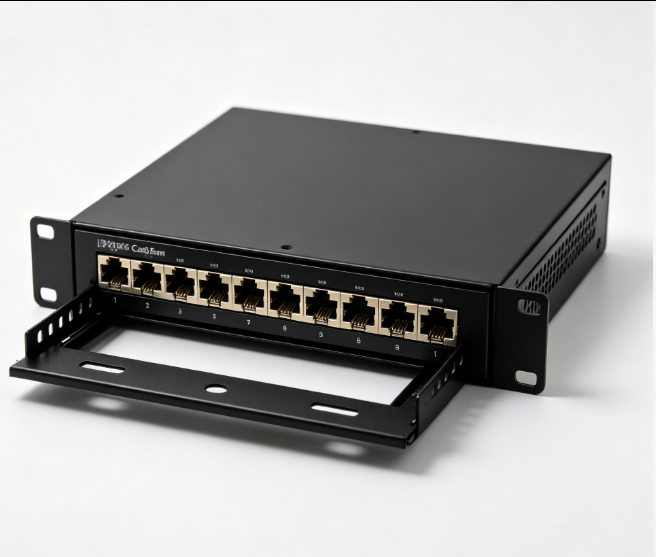
12 Port Cat6 Patch Panel Small Cabinet
Sep 12, 2026929
-
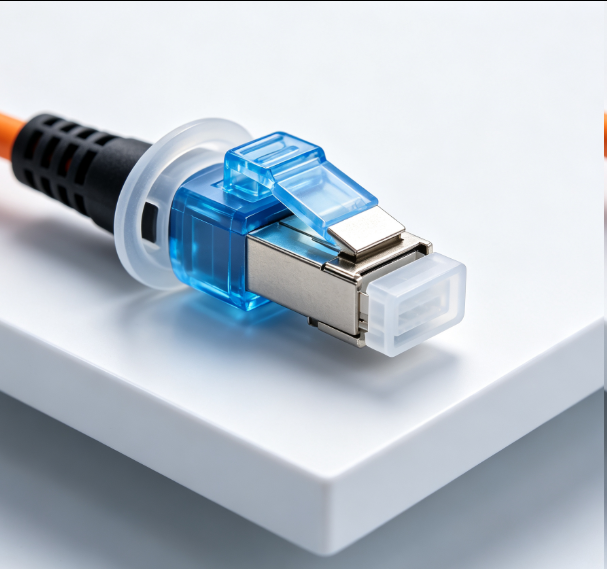
Dust Cap Equipped Fiber Patch Cable Protective
Sep 03, 2026929
-
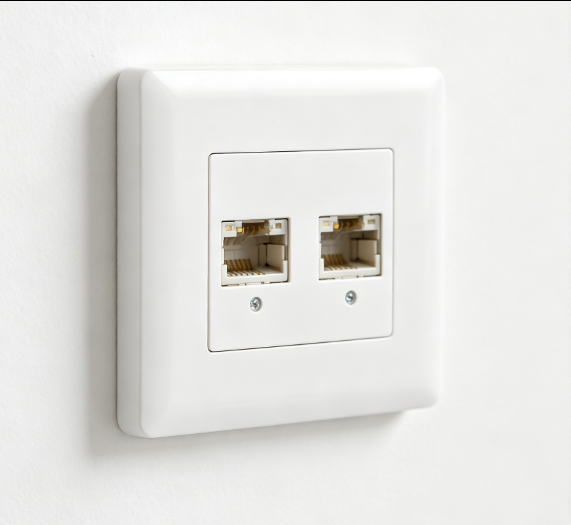
EU Standard Network Faceplate
Sep 11, 2026927