- Language
FTP Cat6 Network Patch Cord

The FTP (Foil-Shielded Twisted Pair) Cat6 network patch cord is a specialized cabling solution that combines the high-performance capabilities of Category 6 (Cat6) standards with the interference protection of foil shielding, making it an ideal choice for networks that require a balance between speed, reliability, and cost-effectiveness. Cat6 itself is a widely adopted standard, supporting data transmission speeds of up to 1 gigabit per second (Gbps) at 100 meters and up to 10 gigabits per second (10 Gbps) at shorter distances (up to 55 meters), making it suitable for a range of applications from small businesses to medium-sized enterprise networks. The addition of FTP shielding elevates its performance by mitigating the impact of electromagnetic interference (EMI) and radio frequency interference (RFI), which can otherwise degrade signal quality in busy environments.
The shielding in an FTP Cat6 patch cord consists of a thin, flexible metallic foil (usually aluminum or copper) that wraps around each pair of twisted copper conductors. This foil layer creates a protective barrier, preventing external interference from sources like power cables, fluorescent lighting, or nearby electronic equipment from penetrating the cable and disrupting signal transmission. It also helps contain internal signals, reducing crosstalk between adjacent wire pairs—a common issue in high-speed networks where signals can leak and interfere with one another. This combination of Cat6 performance and FTP shielding ensures that the patch cord delivers consistent, error-free data transmission, even in environments with moderate levels of interference.
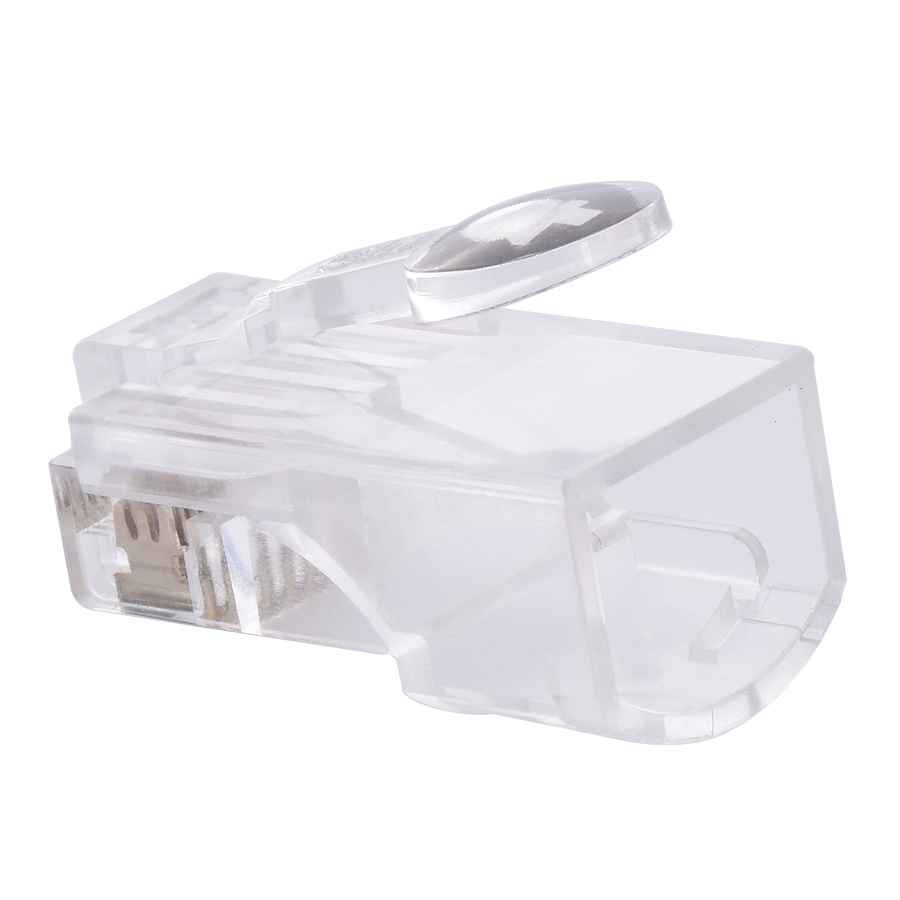
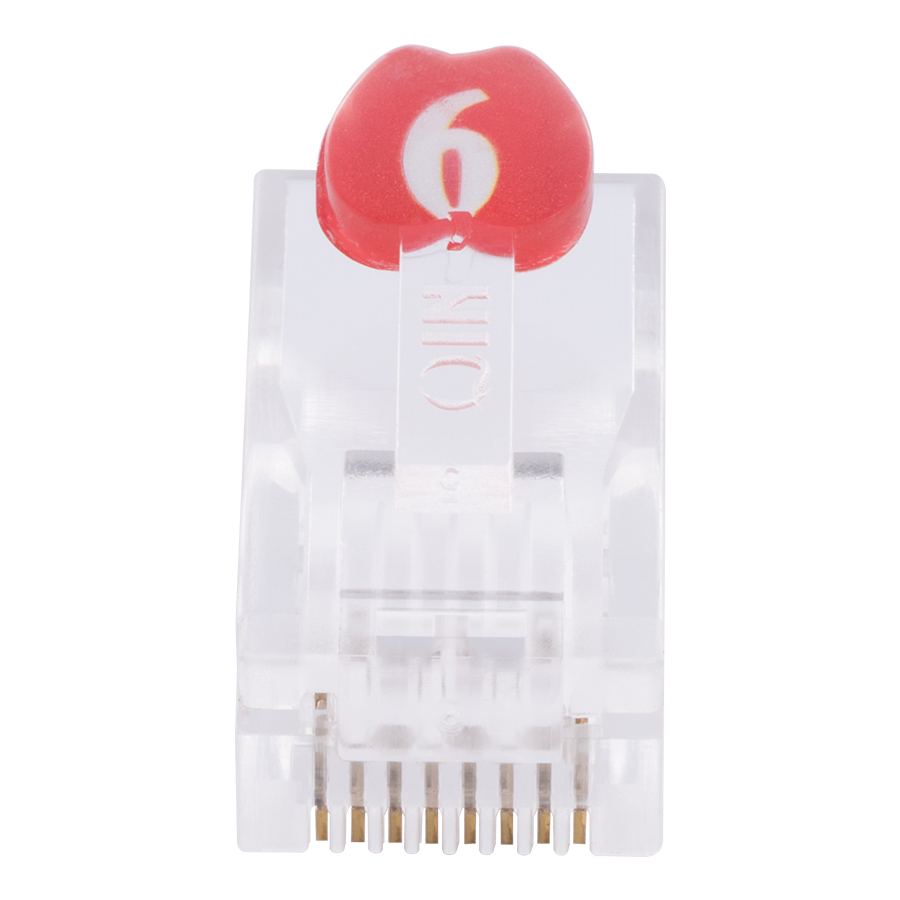
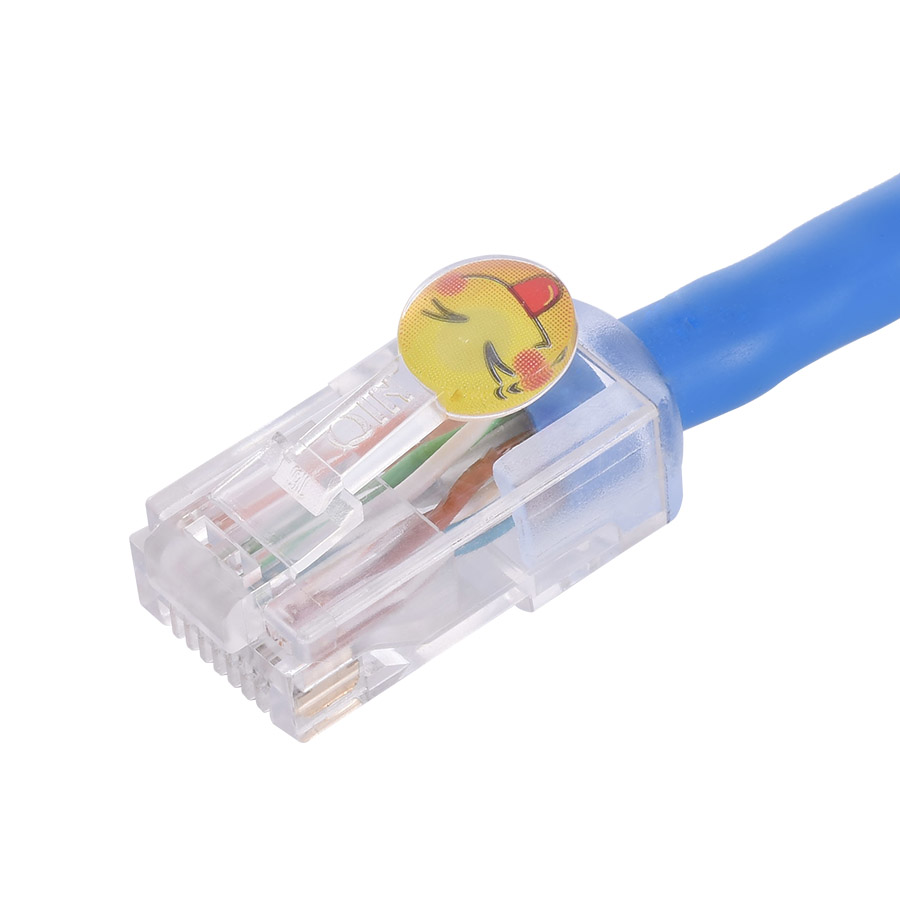
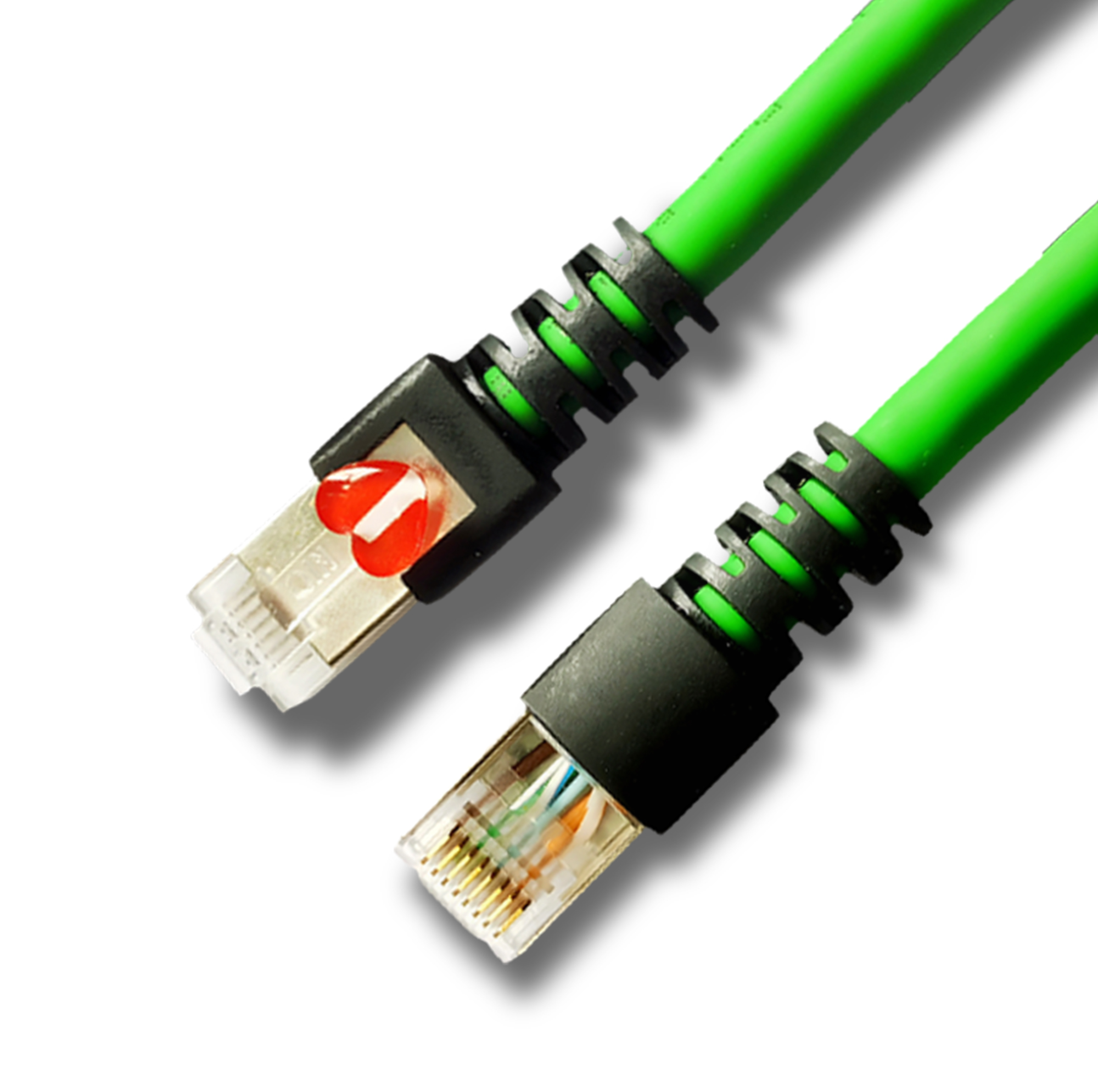
In terms of construction, the FTP Cat6 network patch cord is built to last. The copper conductors are typically 24 AWG (American Wire Gauge) or 23 AWG, offering a good balance of conductivity and flexibility. The outer jacket is usually made from PVC (Polyvinyl Chloride) for general-purpose use or LSZH (Low Smoke Zero Halogen) for applications where fire safety is a priority, such as in schools, hospitals, or public buildings. LSZH jackets emit minimal smoke and toxic fumes in the event of a fire, making them a safer choice for enclosed spaces. The connectors—often RJ45 plugs—are gold-plated to ensure a secure, low-resistance connection, reducing the risk of signal loss or intermittent connectivity.
The FTP Cat6 patch cord is highly versatile and compatible with a wide range of network devices, including routers, switches, desktop computers, laptops, IP cameras, and network-attached storage (NAS) devices. It is commonly used in office environments, retail stores, and small data centers where the network needs to support bandwidth-intensive tasks like video conferencing, cloud-based applications, and large file transfers. Its ability to handle 10-Gbps speeds at shorter distances also makes it a cost-effective alternative to higher-category cables like Cat6a for organizations that don’t require full 100-meter 10-Gbps coverage. Additionally, the foil shielding is thinner and more flexible than the braided shielding used in STP (Shielded Twisted Pair) cables, making the FTP Cat6 patch cord easier to route through tight spaces and around corners. Overall, the FTP Cat6 network patch cord offers a practical solution for networks that need reliable high-speed connectivity with moderate interference protection, without the higher cost of more advanced shielded cables.
Read recommendations:
LEG 77272 Multi-support Double Socket Mosaic - 2 x 2P+E Automatic Terminals German Standard Red
Single mode armored outdoor fiber optic cable
Cat6 Patch Cord: Pass Fluke Test, Build a Solid Line of Defense for High-Speed Transmission Quality
-
-
-
-
-
-
-
-
-
-

Media Converter Network Patch Cord
Jun 27, 2026904
-
Network Cable Bandwidth Capacity
Jul 06, 2026895
-
UY2 Connector for Telephone Wire
Jul 08, 2026892
-
Wall-mounted Network Cabinet
Jun 30, 2026878
-
Four-Port Network Faceplate
Jul 03, 2026875