- Language
FTTH Indoor Fiber Optic Cable
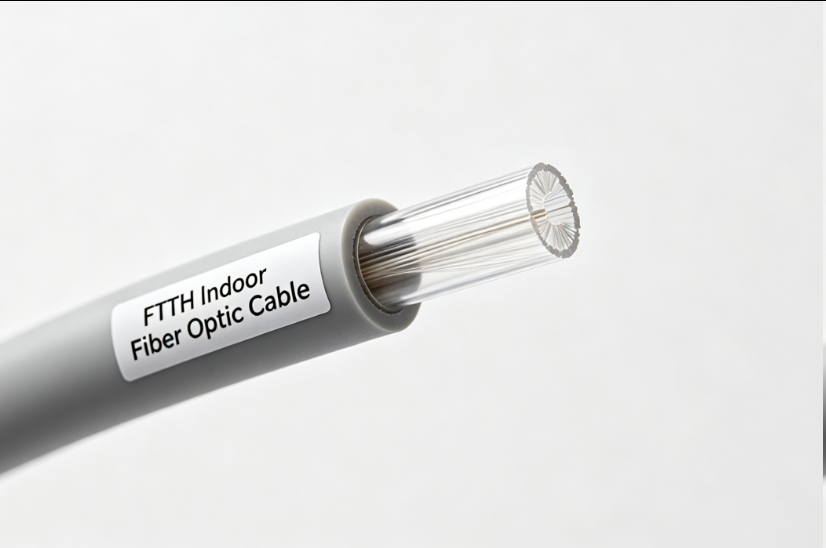
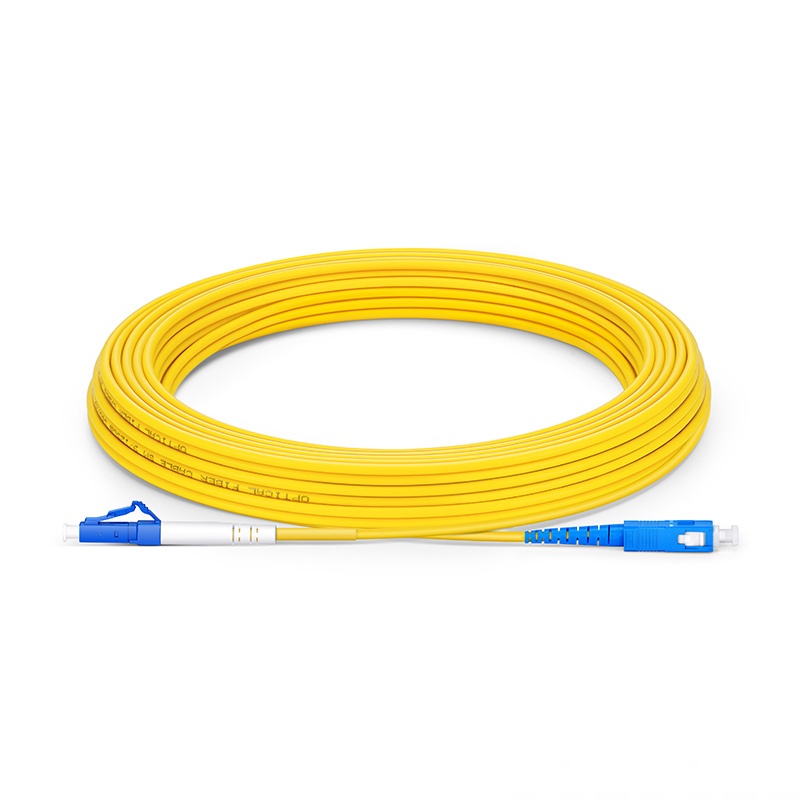
FTTH (Fiber to the Home) indoor fiber optic cable is a critical component in the last-mile connectivity of fiber-optic networks, specifically designed to deliver high-speed broadband services from the building’s distribution point directly to residential or commercial end-users. Unlike outdoor FTTH cables that need to withstand harsh environmental conditions, indoor cables prioritize flexibility, compactness, and compliance with indoor safety standards, making them suitable for installation in wall cavities, conduits, cable trays, and along baseboards within homes, apartments, offices, and other indoor spaces. These cables are engineered to minimize signal loss while adapting to the tight bends and limited installation spaces commonly found indoors, ensuring reliable data transmission for applications such as high-definition video streaming, online gaming, video conferencing, and smart home connectivity.
The structural design of FTTH indoor fiber optic cables is optimized for indoor use, typically featuring a flat or round profile with a small diameter to facilitate easy routing through narrow ducts and around obstacles. Most indoor FTTH cables use single-mode fibers (usually G.657A1 or G.652D) due to their low attenuation and ability to support long-distance transmission, even in tight bending scenarios. The cable core is protected by a dielectric strength member, often made of fiberglass-reinforced plastic (FRP), which provides mechanical stability without adding excessive weight or rigidity. The outer jacket is typically made of LSZH (Low Smoke Zero Halogen) material, which is flame-retardant, non-toxic, and emits minimal smoke when burned—critical for ensuring safety in enclosed indoor environments. Technical specifications include an operating temperature range of -40°C to +70°C, tensile strength of up to 80N, and attenuation levels as low as 0.3dB/km at 1550nm and 0.4dB/km at 1310nm, ensuring consistent performance across various indoor installation scenarios. These cables are also available in different fiber counts (1 to 4 fibers) to meet the needs of single-dwelling or multi-dwelling units, and their color-coded fibers simplify installation and maintenance.
In addition to their structural and technical advantages, FTTH indoor fiber optic cables comply with international standards such as ISO/IEC 11801 and TIA/EIA 568.3-D, ensuring compatibility with other network components. They are widely used in residential complexes, office buildings, hospitals, and educational institutions, forming the backbone of modern indoor fiber networks. The flexibility and durability of these cables make them ideal for both new construction and retrofitting projects, as they can be easily routed through existing structures without causing damage. With the growing demand for high-speed internet services, FTTH indoor fiber optic cables continue to play a pivotal role in enabling reliable, high-bandwidth connectivity for end-users, supporting the expansion of digital services and smart technologies in indoor environments.
Read recommendations:
LEG 77210 Multi-support Single Socket Mosaic German Std - 2P+E w/o Shutters with Screw White
-
-
-
-
-
-
-
-
-
-
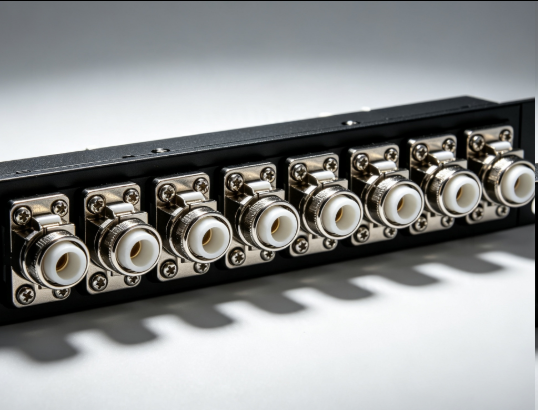
Flange Type Fixed Fiber Optic Adapter for Rack Panel
Sep 19, 2026955
-
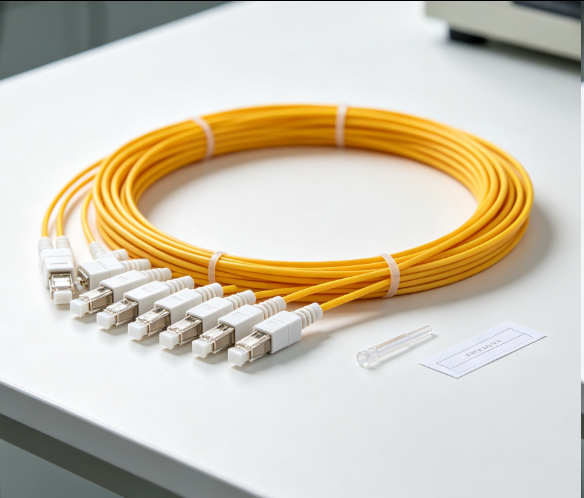
Fiber Pigtail 12 Cores SC UPC Single Mode
Sep 04, 2026930
-
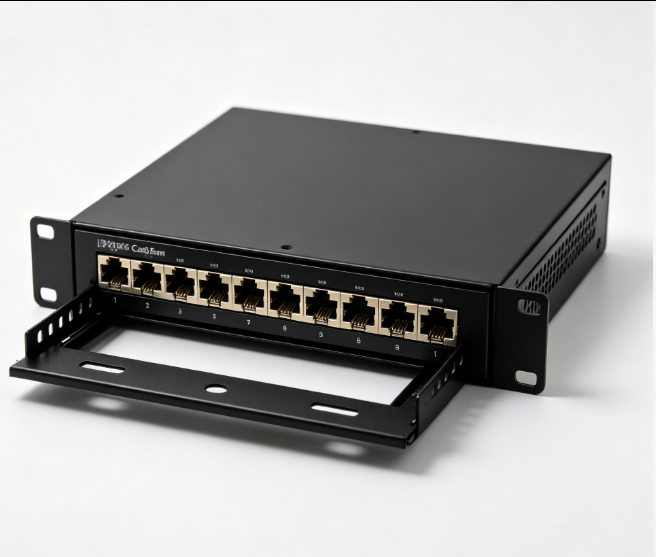
12 Port Cat6 Patch Panel Small Cabinet
Sep 12, 2026929
-
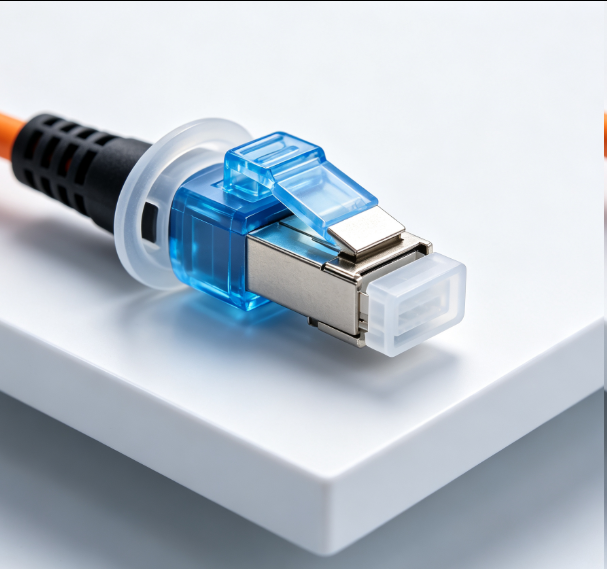
Dust Cap Equipped Fiber Patch Cable Protective
Sep 03, 2026929
-
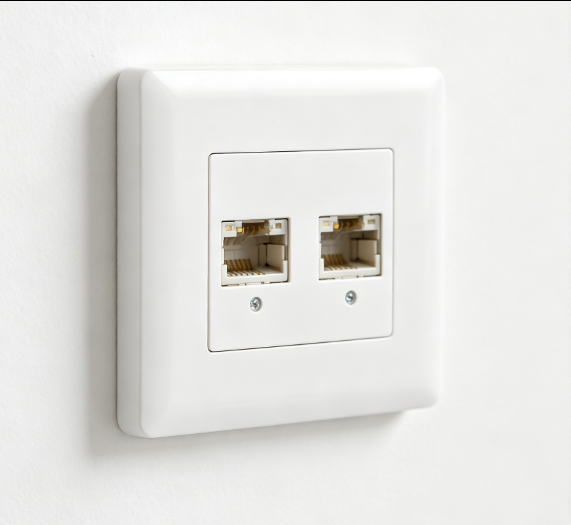
EU Standard Network Faceplate
Sep 11, 2026927