- Language
High-Density Network Patch Cord
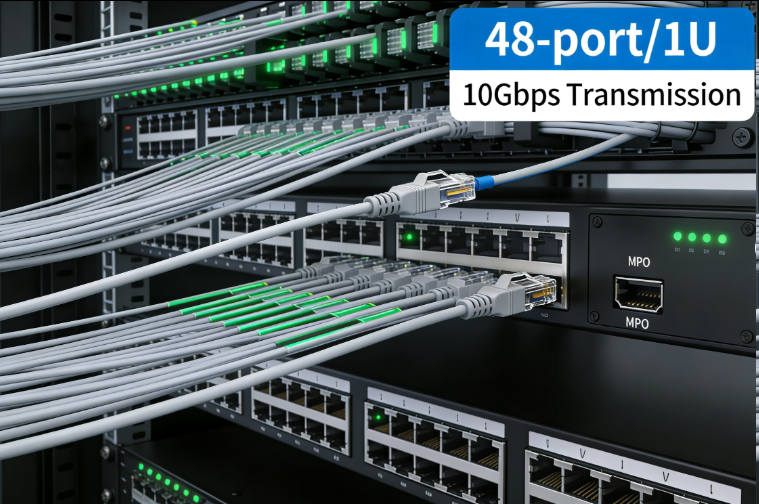
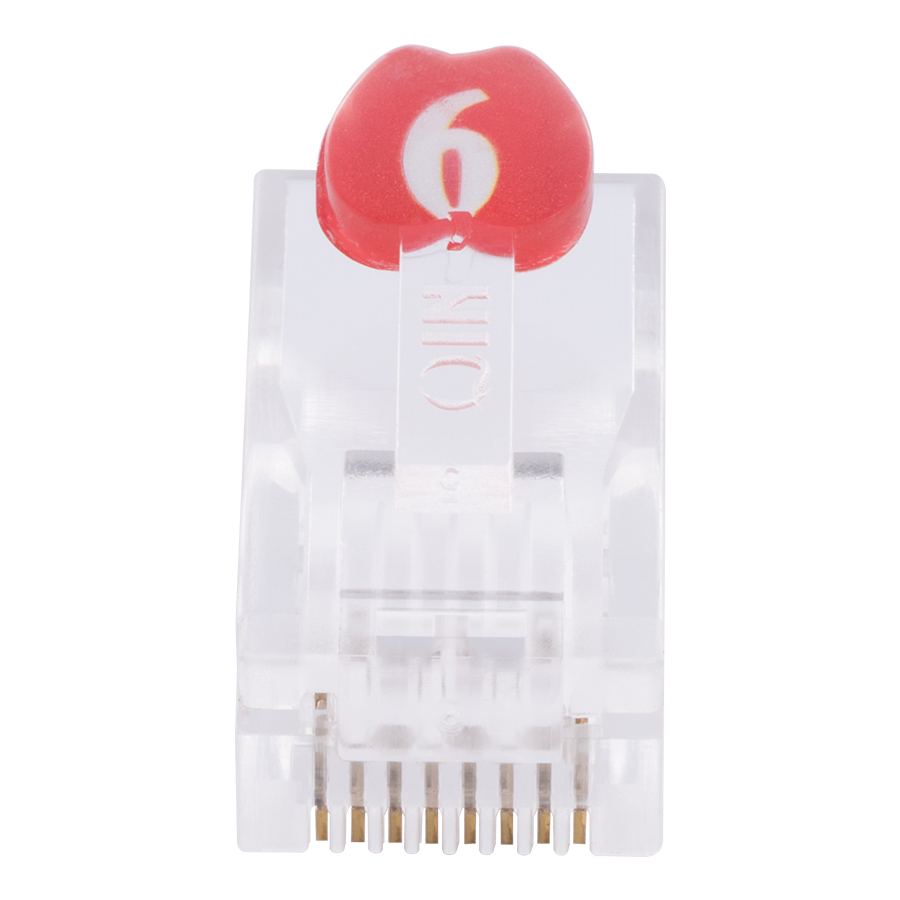
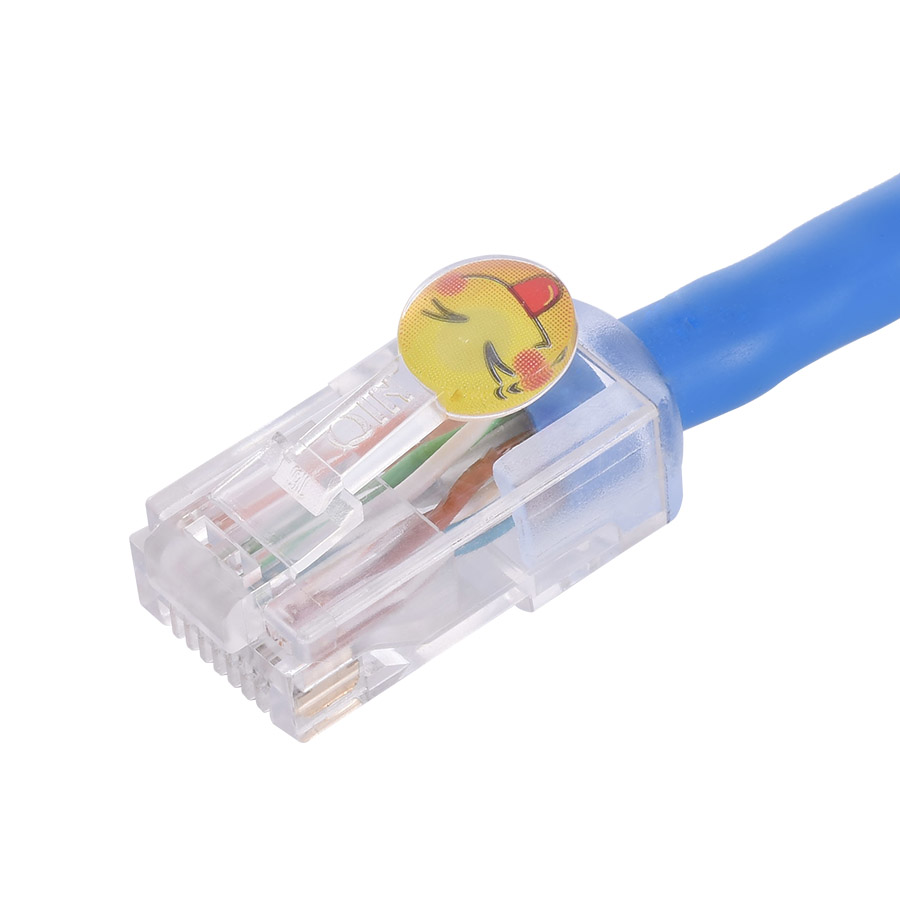
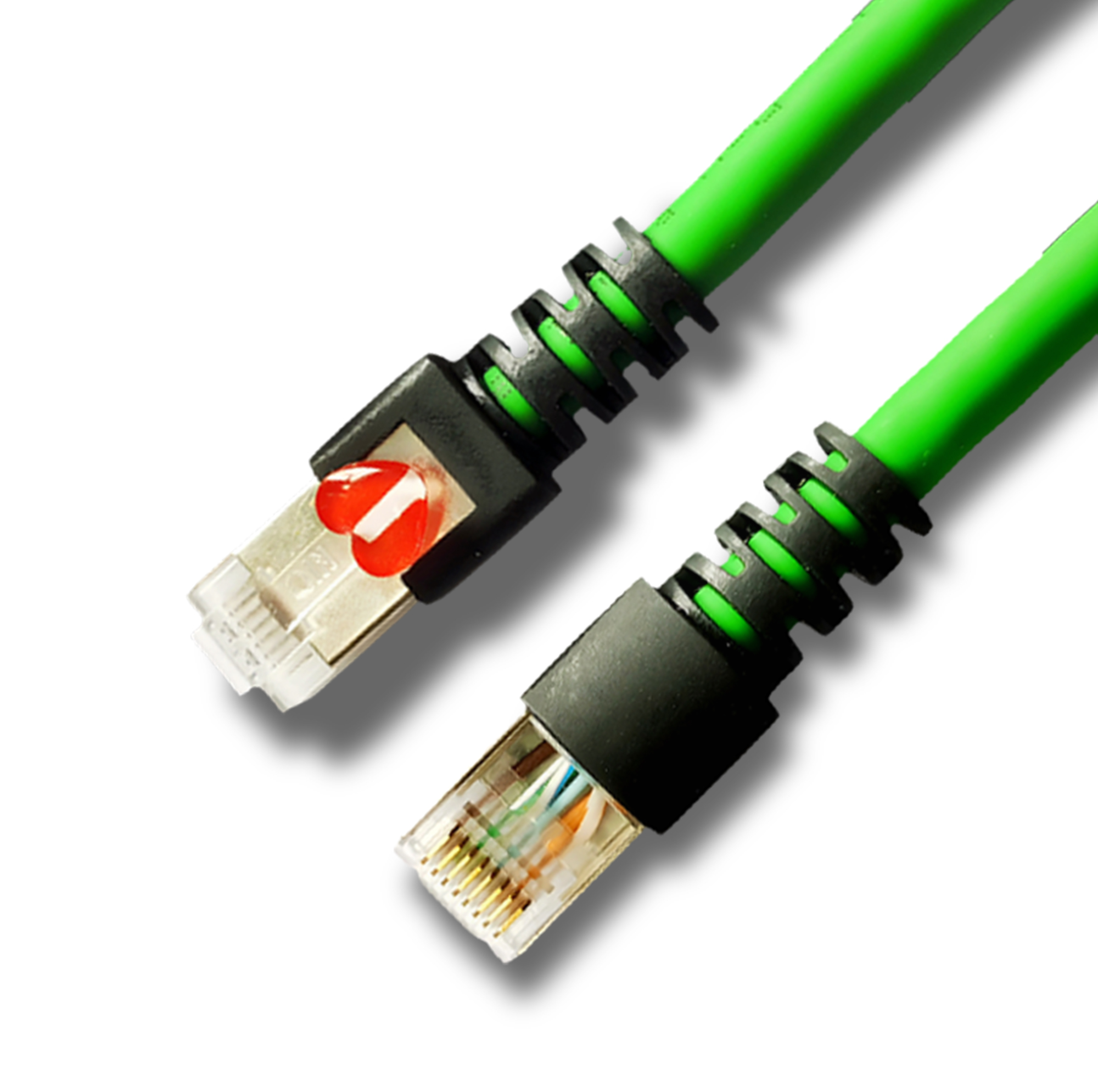
In modern data centers and network closets, where space is at a premium and port density is constantly increasing, high-density network patch cords have become an indispensable solution. These patch cords are designed to maximize the utilization of limited space while maintaining high-speed data transmission performance. Unlike traditional patch cords, which can be bulky and take up significant space between network switches and servers, high-density versions feature a more compact design that allows for more connections in the same physical area.
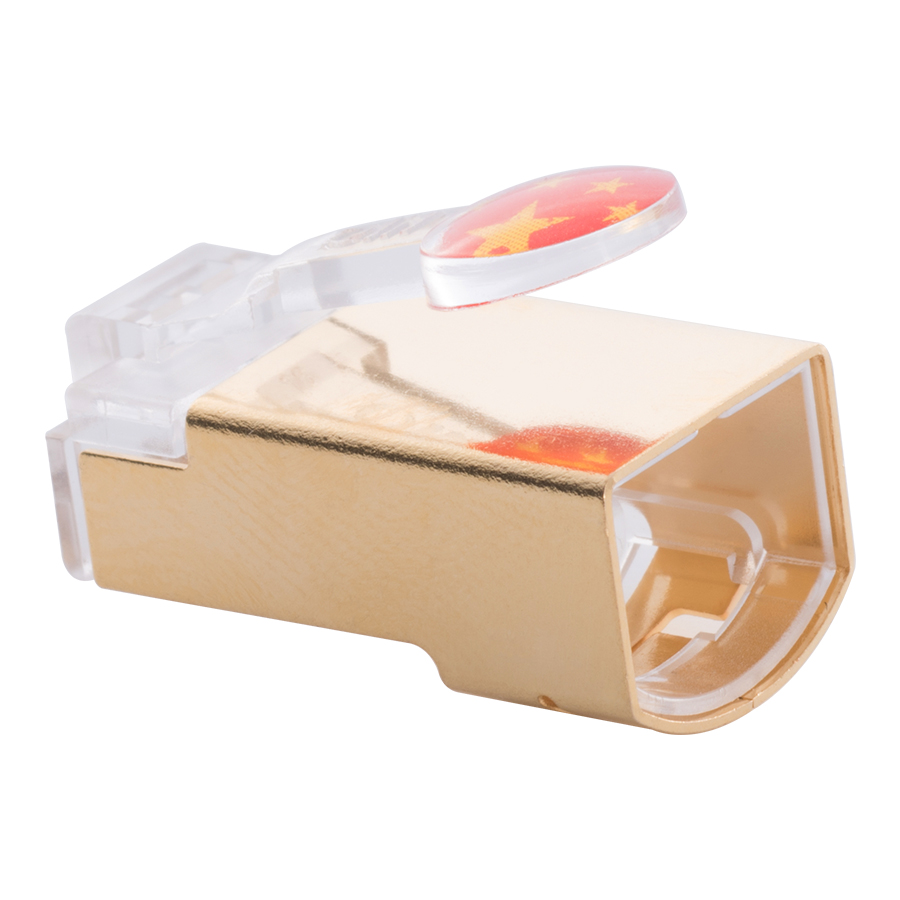
The compact design of high-density network patch cords is achieved through several innovations, including thinner jackets, smaller connectors, and optimized cable flexibility. For example, some high-density cords use slim-profile RJ45 connectors that reduce the space between adjacent ports, allowing switches and patch panels to accommodate more ports per unit. The thinner jackets not only save space but also improve airflow within network racks, which is crucial for maintaining optimal operating temperatures for network equipment.
Despite their compact size, high-density network patch cords do not compromise on performance. They are compatible with high-speed network standards such as Cat6a, Cat7, and even Cat8, supporting data transmission rates of up to 40Gbps or higher. This makes them suitable for bandwidth-intensive applications like cloud computing, big data processing, and video streaming. By increasing port density and saving space, these patch cords help data centers reduce costs, improve scalability, and enhance overall network efficiency.
Read recommendations:
RJ45 Cat6A 90 Degree Unshielded UTP Straight Keystone Jack
Graffiti WiFi Circuit Breaker RMDZT-1PNL 63A (DJ)
-
-
-
-
-
-
-
-
-
-
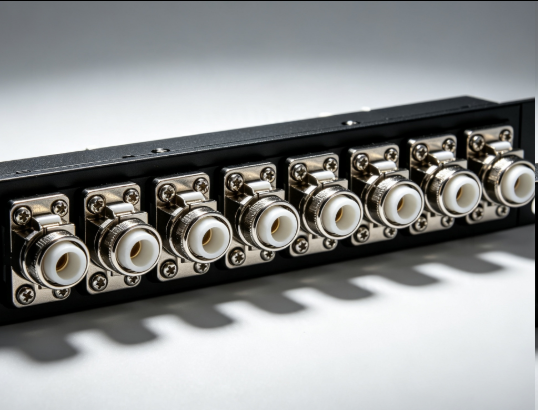
Flange Type Fixed Fiber Optic Adapter for Rack Panel
Sep 19, 2026956
-
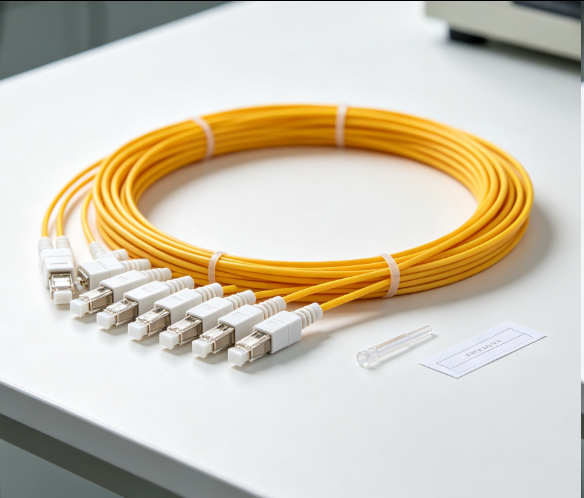
Fiber Pigtail 12 Cores SC UPC Single Mode
Sep 04, 2026930
-
12 Port Cat6 Patch Panel Small Cabinet
Sep 12, 2026929
-
Dust Cap Equipped Fiber Patch Cable Protective
Sep 03, 2026929
-
EU Standard Network Faceplate
Sep 11, 2026927