- Language
How to Install a French Switch Outlet at Home
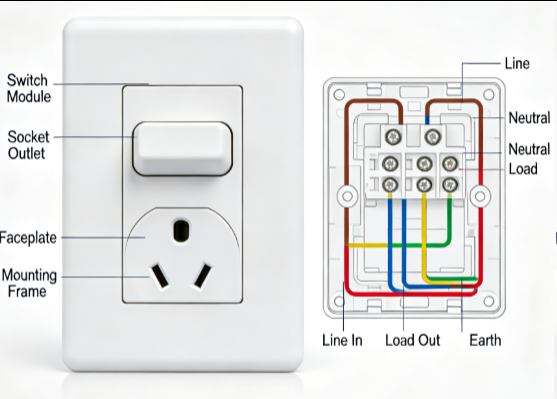
Installing a French‑standard switch outlet at home is a practical renovation project, yet it requires full awareness of France’s unique electrical codes and safety rules before you start any hands‑on operation. French residential electrical systems run on 230V alternating current with a protective earth connection, and every wall outlet must follow the NF C 15‑100 safety standard, which is non‑negotiable for household wiring work. The very first step is to cut off the main power supply of your house at the circuit breaker box. Never begin disassembly or wiring while electricity is active, even if you believe the wall socket is no longer powered on. After shutting down power, use a voltage tester to double‑check that no electric current flows through the old outlet terminals, this simple test prevents life‑threatening electric shocks during installation. Next, remove the old wall plate and unscrew the existing outlet unit from the recessed wall box. You will find three core cables inside the wall box: the live wire, neutral wire and protective earth wire. In French wiring conventions, green‑and‑yellow cable always serves as the earth wire, which must be firmly connected to the dedicated earth terminal of your new switch outlet. Mixing up live and neutral wires will not break the power supply immediately, yet it creates hidden risks for later‑connected electrical devices and smart home equipment.
The second phase focuses on accurate wire connection and fixture installation for your new French switch outlet. Strip roughly 8‑10 millimetres of insulation from the end of each cable, make sure no loose tiny copper strands stick out beyond the screw‑in terminal. Loose copper wires can lead to overheating, sparking and even wall fire risks after long‑term use. Attach each wire to its matching terminal on the back of the switch outlet, tighten every screw with moderate force, avoid over‑tightening which could cut and damage internal copper conductors. Once wiring finishes, gently fold and push the excess cables back into the wall‑mounted box, slide the new outlet into position and fasten it with mounting screws. Put the decorative faceplate back on and lock it in place. At this point, do not restore household power right away. Spend a few minutes checking all wiring connections once more to confirm no wires are disconnected or incorrectly matched.
After physical installation completes, you can turn the circuit breaker back on and test your new French switch outlet. Plug a small working household appliance such as a table lamp or mobile phone charger into the socket, and toggle the built‑in wall switch on and off repeatedly to verify the switch controls power supply normally. If the outlet fails to deliver electricity or the circuit trips instantly, cut off power again and re‑examine every wiring terminal. While many experienced homeowners carry out basic outlet replacement on their own, France’s strict electrical safety standards recommend hiring a certified professional electrician, especially if your home has outdated wiring, or you plan to install smart‑function switch outlets. Unqualified self‑installation may void your home insurance coverage and create long‑term safety hazards for your whole family.
Read recommendations:
LEG 77211 Socket Outlet Mosaic German Std 2P+E Auto term - 2 Mod - White Antimicrobial
-

-

-

-

-

-

-

-

-

-
Office Printer Network Patch Cord 6
Nov 24, 20262069
-

Dustproof Cover Equipped Network Patch Panel
Oct 10, 20261117
-

How to wire a French switch outlet
Oct 28, 20261112
-

Network Cable Break Point Detector Tester
Oct 09, 20261089
-

Cat6 Lan Cable Length Limit for Gigabit
Oct 24, 20261086