- Language
Network Cable Bandwidth Capacity
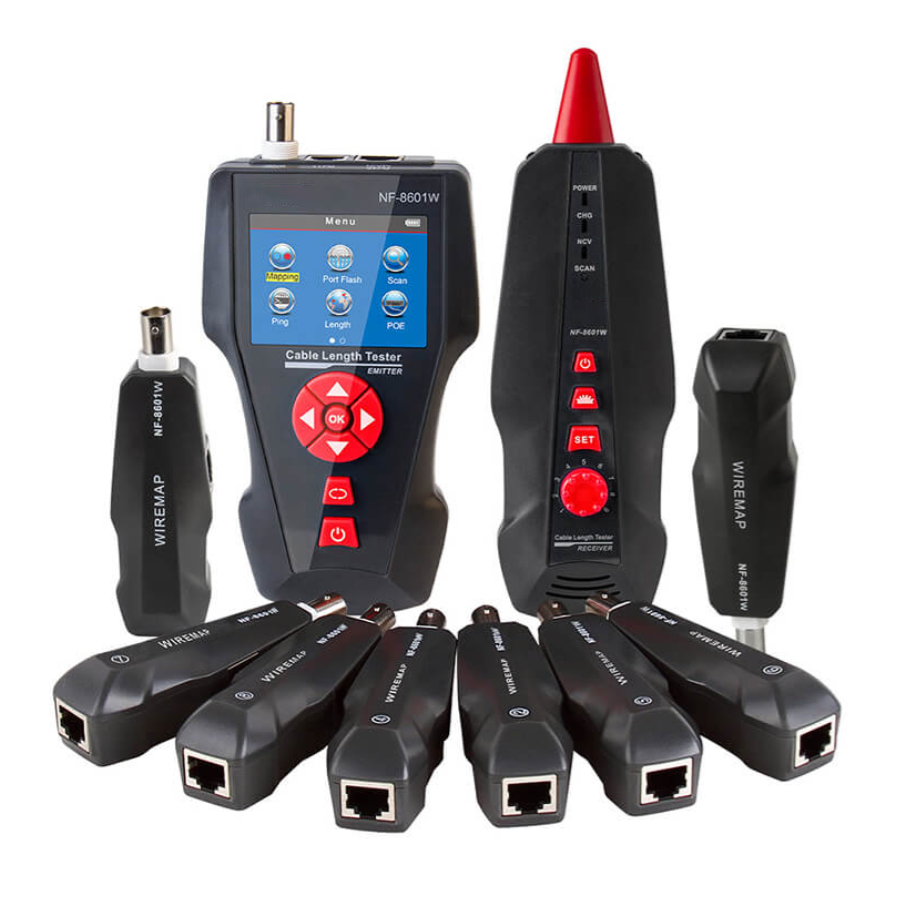
Network cable bandwidth capacity refers to the maximum data transmission volume a physical network cable medium can carry per unit time, measured in megabits per second (Mbps) or gigabits per second (Gbps), which defines the upper limit of stable signal transmission for wired network systems. It is not a fixed parameter determined solely by cable outer appearance, but a comprehensive performance index affected by conductor material, insulation structure, twisted pair pitch, shielding design and transmission frequency. Different categories of copper Ethernet cables have graded bandwidth standards formulated by TIA/EIA and ISO/IEC industry associations. For example, Cat5e cables support a maximum bandwidth of 100MHz for daily gigabit transmission, Cat6 cables reach 250MHz bandwidth for 10G short-distance transmission, while Cat6A cables upgrade to 500MHz bandwidth to realize stable 10G transmission within 100 meters.
The actual usable bandwidth of network cables differs greatly from nominal factory bandwidth due to on-site deployment conditions. Cable laying length is the core influencing factor: high-frequency digital signals attenuate rapidly over ultra-long distances, which compresses effective bandwidth automatically. Besides, bundled laying quantity, ambient electromagnetic interference, bending radius and crimping construction quality will also reduce actual bandwidth capacity. Unshielded twisted pair cables deployed near high-voltage power lines will suffer electromagnetic coupling interference, leading to bandwidth fluctuation and throughput drop during peak data transmission. Professional network design requires reserving 20% to 30% redundant bandwidth for office, data center and monitoring network scenarios to avoid network congestion during concurrent online access.
Bandwidth capacity allocation matches differentiated application scenarios to realize cost-effective network construction. Low-demand scenarios including home broadband and small retail stores adopt Cat5e cables with basic bandwidth to meet web browsing, video chat and 4K streaming demands. Enterprise office buildings, campus networks and multimedia conference rooms standardize Cat6 cables to support multi-terminal concurrent office, cloud file transmission and live conference services. Data center server rooms, industrial intelligent workshops and 5G edge machine rooms deploy Cat6A or fiber optic cables with ultra-high bandwidth to bear large-scale data migration, AI computing transmission and real-time industrial control data. In modern hybrid wired networks, optical fiber gradually replaces copper cables as main trunk medium thanks to its tera-level bandwidth capacity.
Read recommendations:
Cat6 RJ45 8P8C Unshielded UTP Punch down Keystone Jack Module 90 Degrees Purple Jack 12pcs/Pack
LEG 77118 Mosaic Socket French Std 2P+E Automatic Terminals Surface Red
-
-
-
-
-
-
-
-
-
-
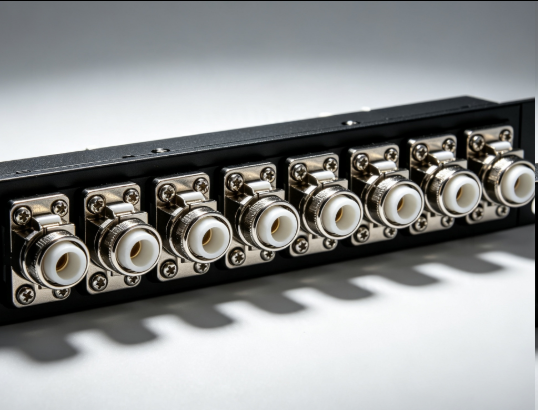
Flange Type Fixed Fiber Optic Adapter for Rack Panel
Sep 19, 2026955
-
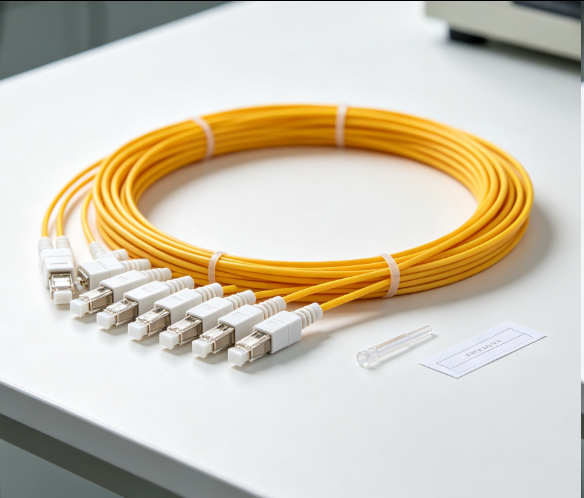
Fiber Pigtail 12 Cores SC UPC Single Mode
Sep 04, 2026930
-
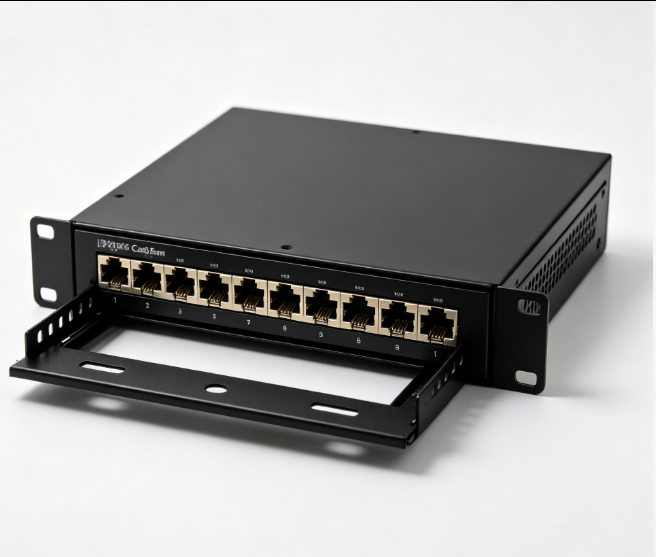
12 Port Cat6 Patch Panel Small Cabinet
Sep 12, 2026929
-
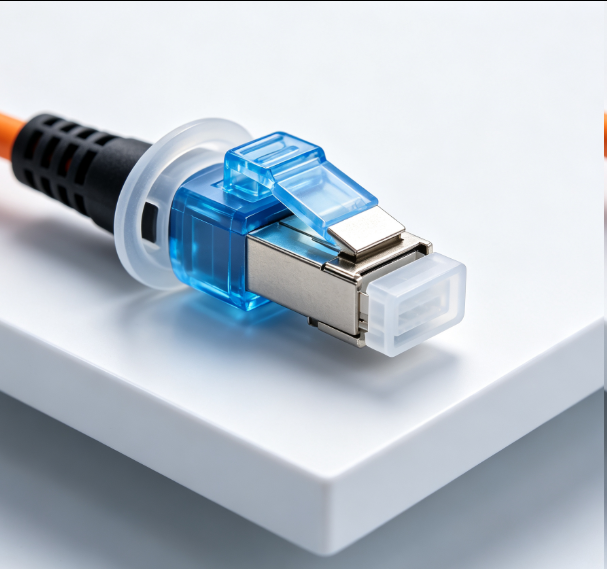
Dust Cap Equipped Fiber Patch Cable Protective
Sep 03, 2026929
-
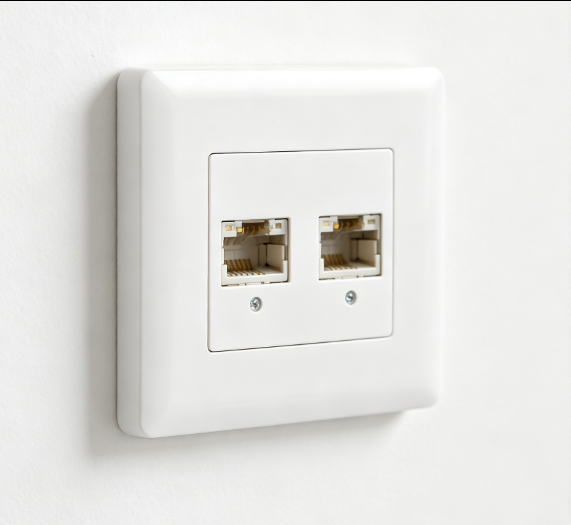
EU Standard Network Faceplate
Sep 11, 2026927