- Language
Network Patch Cord Booted Type
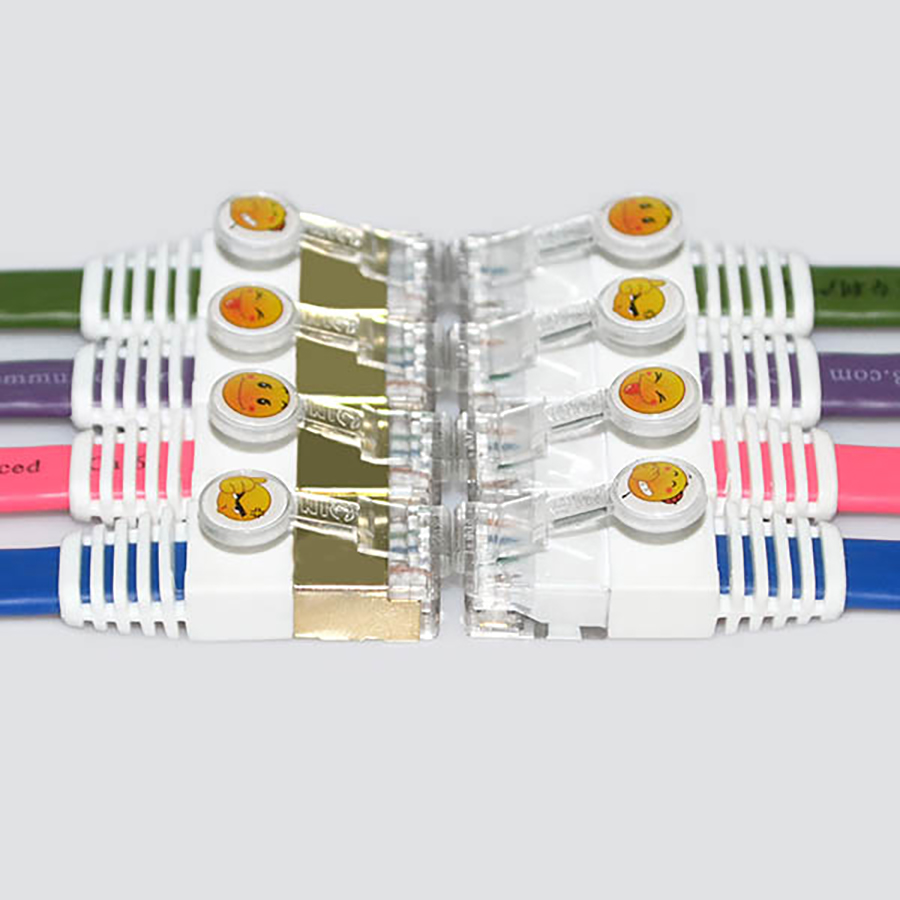
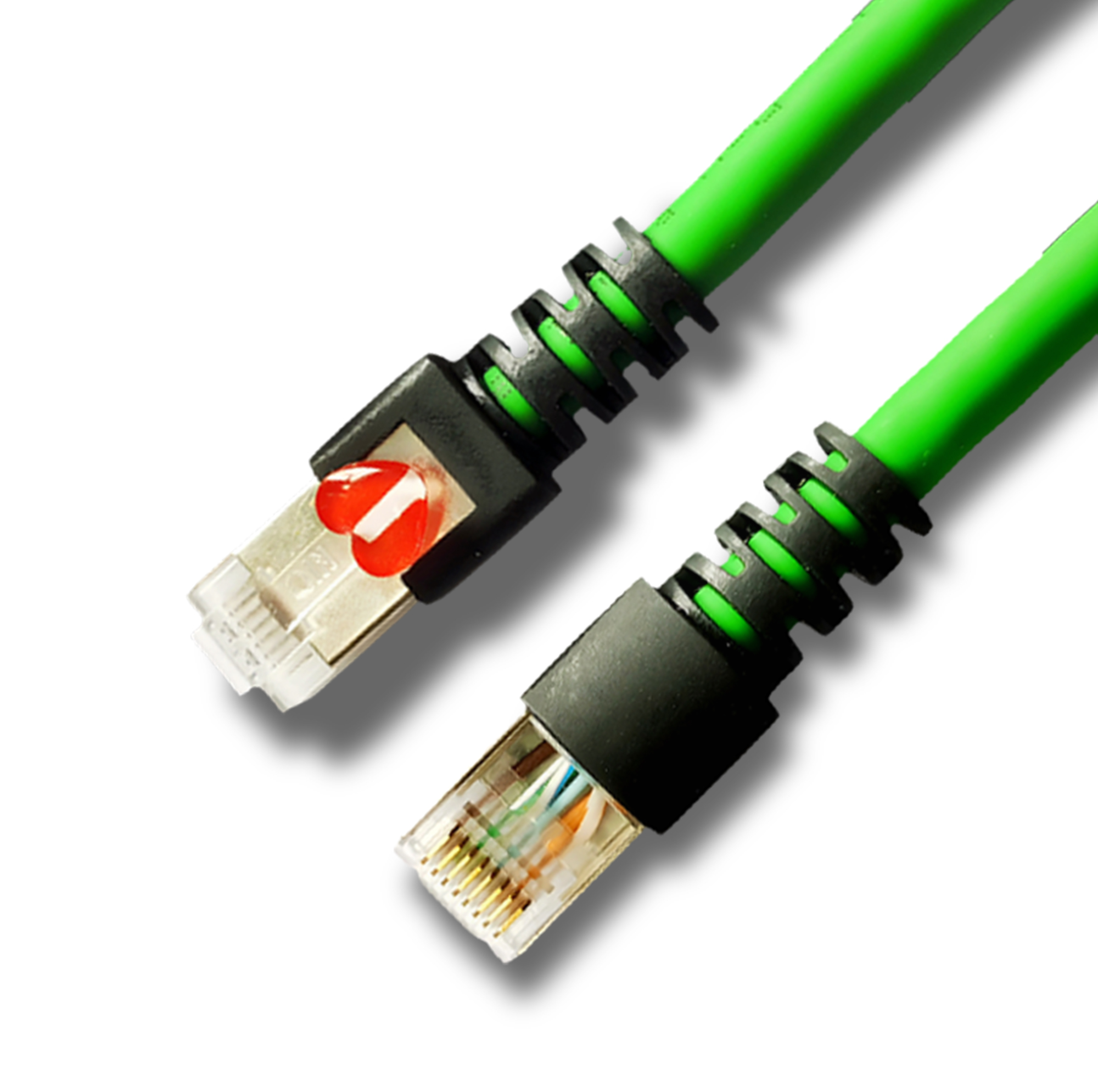
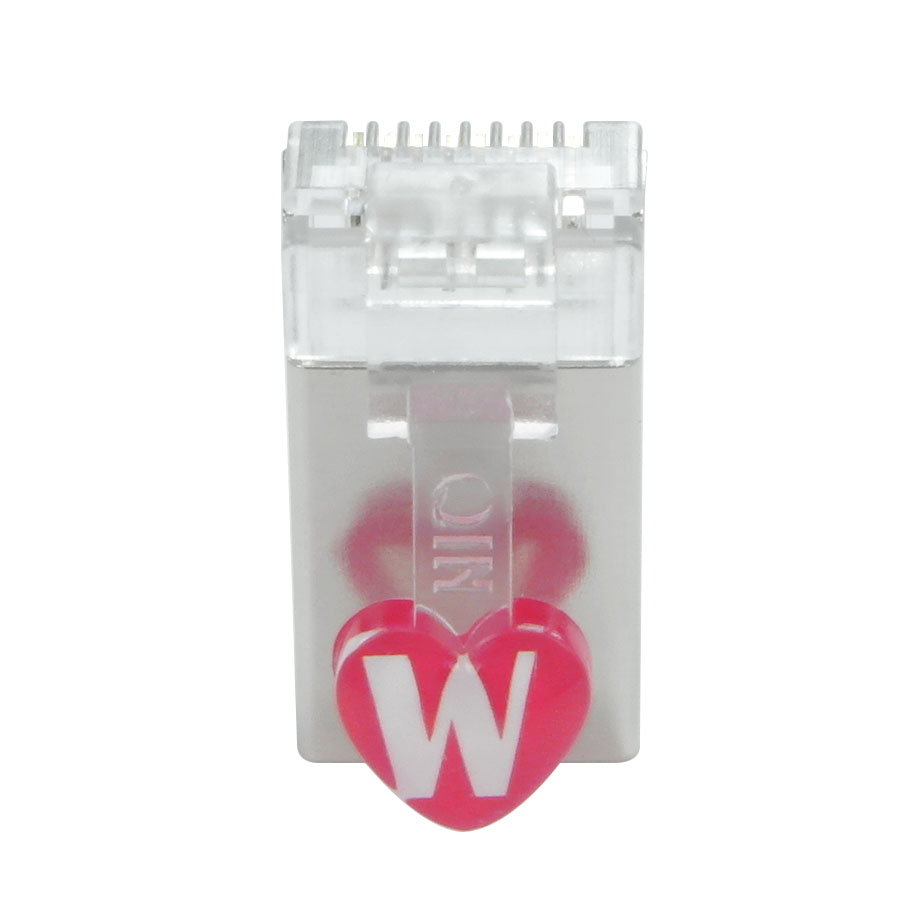
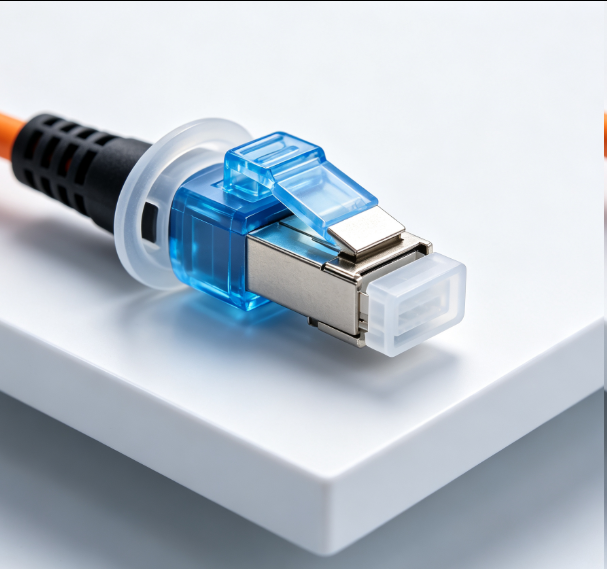
A network patch cord booted type is designed with an additional protective feature at the connector end, known as a boot or strain relief boot. This boot serves multiple important functions, primarily focusing on enhancing the durability and reliability of the patch cord, as well as providing better cable management in network installations.
The boot is typically made from a flexible and durable material, such as rubber or a specialized thermoplastic elastomer. It is molded around the connector and extends a short distance along the cable, creating a seamless transition between the connector and the cable jacket. One of the main purposes of the boot is to provide strain relief. When a patch cord is connected to a network device, such as a switch, router, or computer, the connector can be subjected to physical stress from pulling, bending, or twisting forces. The strain relief boot distributes these forces evenly along the cable, preventing them from being concentrated at the connector - cable junction. This significantly reduces the risk of the connector becoming loose, damaged, or the internal wires being pulled out of the connector, which could lead to connectivity issues or data transmission problems.
In addition to strain relief, the booted type patch cord also offers protection against environmental factors. The boot creates a barrier that helps prevent dust, dirt, moisture, and other contaminants from entering the connector and affecting the electrical connection. In environments where the network equipment is exposed to dusty conditions, such as industrial settings or areas with high foot traffic, this protection is crucial for maintaining the integrity of the connection and ensuring reliable network performance over time.
Another advantage of booted patch cords is their contribution to better cable management. The boots can be color - coded or labeled, making it easier to identify different patch cords within a network setup. This is especially useful in large and complex network environments, such as data centers or enterprise offices, where numerous patch cords are connected to various devices. Color - coding the boots allows network administrators to quickly distinguish between different network segments, cable types, or connection purposes, simplifying the process of cable identification, troubleshooting, and maintenance.
Booted patch cords are available in various cable categories, including Cat5e, Cat6, Cat6A, Cat7, and Cat8, ensuring compatibility with different network speeds and applications. They can be used in a wide range of scenarios, from connecting devices within a network rack to establishing connections between desktop computers and wall - mounted Ethernet jacks. Whether it's in a professional networking environment or a home network setup, the booted type patch cord provides an extra layer of protection and functionality, enhancing the overall reliability and manageability of the network infrastructure.
Read recommendations:
LEG 77253 Multi-support Triple Socket Mosaic - 3 x 2P+E Automatic Terminals German Standard White
-
-
-
-
-
-
-
-
-
-
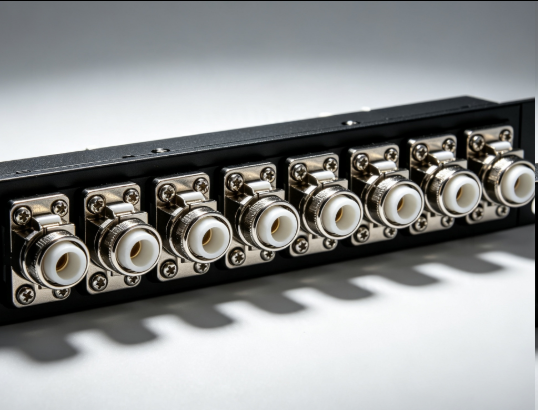
Flange Type Fixed Fiber Optic Adapter for Rack Panel
Sep 19, 2026956
-
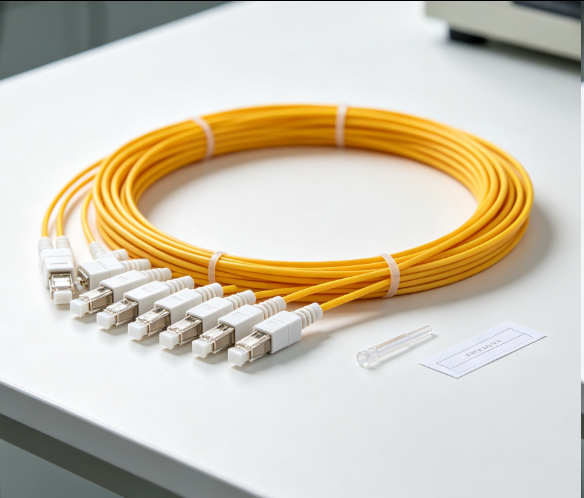
Fiber Pigtail 12 Cores SC UPC Single Mode
Sep 04, 2026930
-
12 Port Cat6 Patch Panel Small Cabinet
Sep 12, 2026929
-
Dust Cap Equipped Fiber Patch Cable Protective
Sep 03, 2026929
-
EU Standard Network Faceplate
Sep 11, 2026927