- Language
Network Patch Leads Cat6

Network patch leads Cat6, also known as Category 6 Ethernet cables, are a widely used and essential component in modern network infrastructure. These patch leads are designed to transmit data at high speeds over short distances, typically within a local area network (LAN) environment such as offices, data centers, or homes. Cat6 patch leads are constructed with specific features that enable them to meet the demanding requirements of contemporary networking applications.
Cat6 patch leads are composed of four pairs of twisted copper wires, which are insulated and then enclosed in an outer jacket. The twisting of the wires helps to reduce electromagnetic interference (EMI) and crosstalk, ensuring the integrity of the data being transmitted. The insulation around each wire pair further minimizes interference, while the outer jacket provides protection against physical damage, such as abrasion, pulling, and bending. The materials used in the construction of Cat6 patch leads are carefully selected to ensure durability and reliable performance. High - quality copper conductors are used to provide excellent electrical conductivity, reducing signal loss and enabling fast data transfer.
One of the key advantages of Cat6 patch leads is their ability to support high - speed data transfer rates. They are rated to support speeds of up to 1 Gigabit per second (1 Gbps) over distances of up to 100 meters. In some cases, under ideal conditions, they can even support 10 Gigabit per second (10 Gbps) over shorter distances, typically up to 55 meters. This makes them suitable for a wide range of applications, including basic internet browsing, file sharing, video streaming, and even some more data - intensive tasks such as small - scale server - client communication. In an office environment, for example, Cat6 patch leads can be used to connect desktop computers, laptops, printers, and other devices to network switches, ensuring smooth and fast data transfer within the LAN.
Another important aspect of Cat6 patch leads is their compatibility. They are backward - compatible with previous Ethernet cable categories, such as Cat5 and Cat5e. This means that they can be used in existing network setups without the need for a complete infrastructure overhaul. However, to fully utilize the capabilities of Cat6, it is recommended to use Cat6 - compliant network equipment, such as switches and routers. Additionally, Cat6 patch leads come in various lengths, ranging from a few inches to several meters, allowing users to choose the appropriate length based on their specific networking requirements. This flexibility in length ensures that the patch leads can be used in different scenarios, whether it's for short connections within a server rack or longer connections between different rooms in a building.
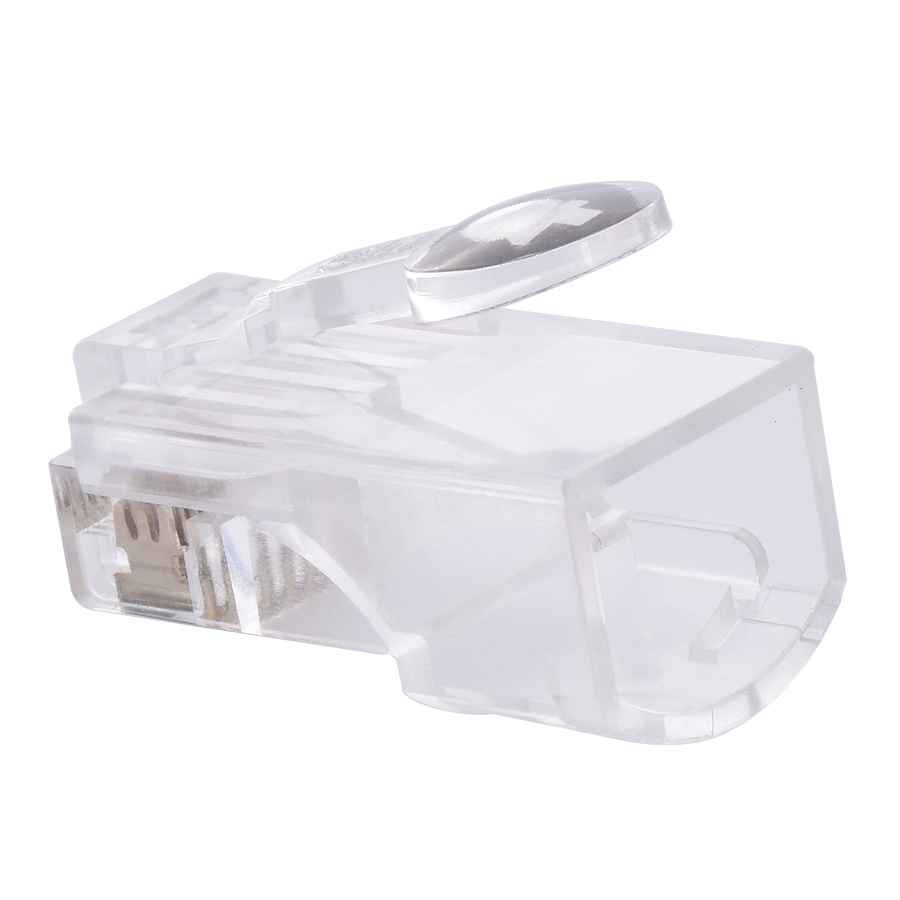
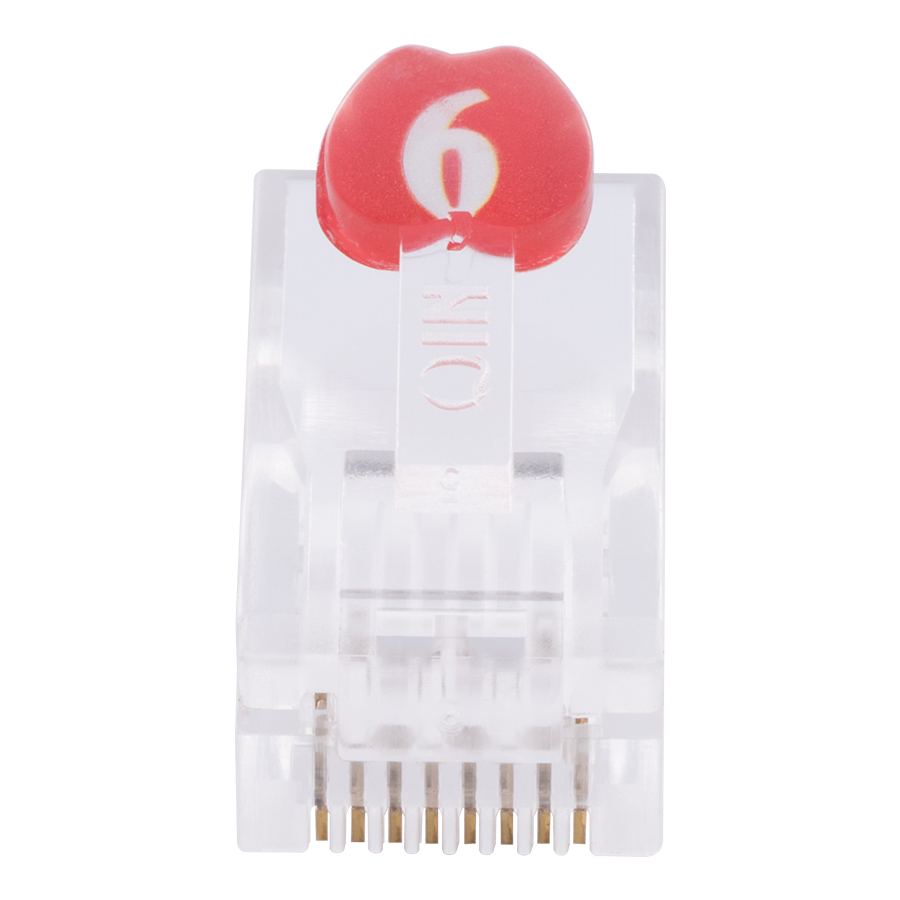
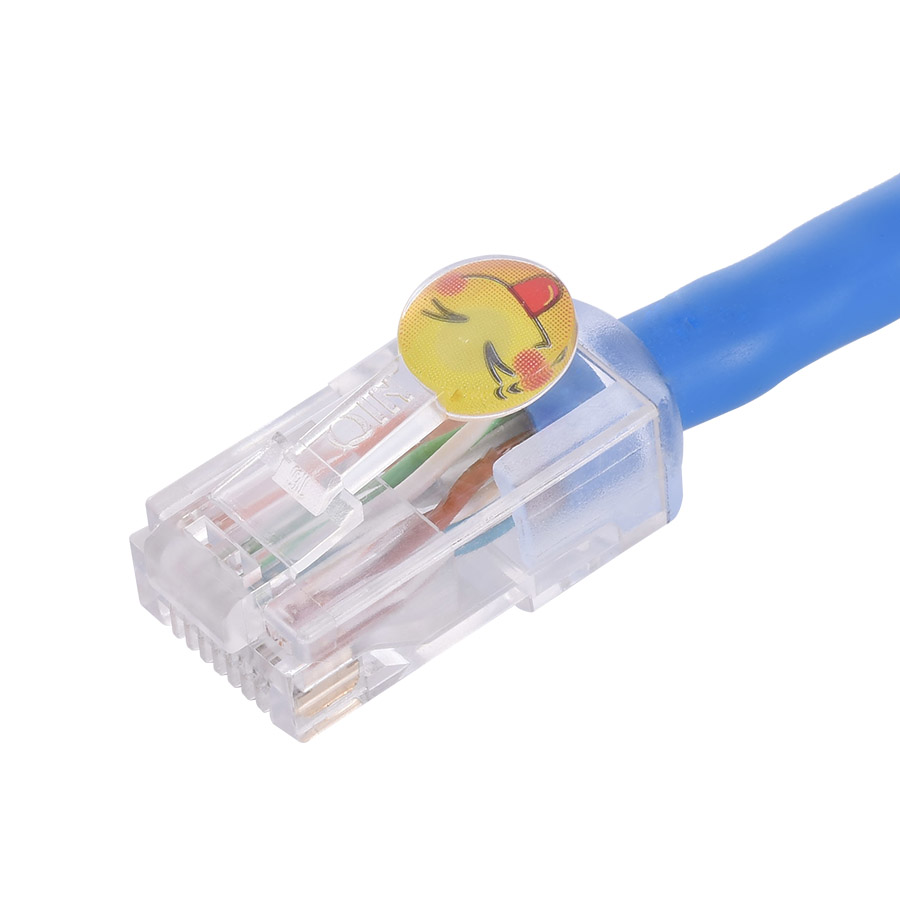
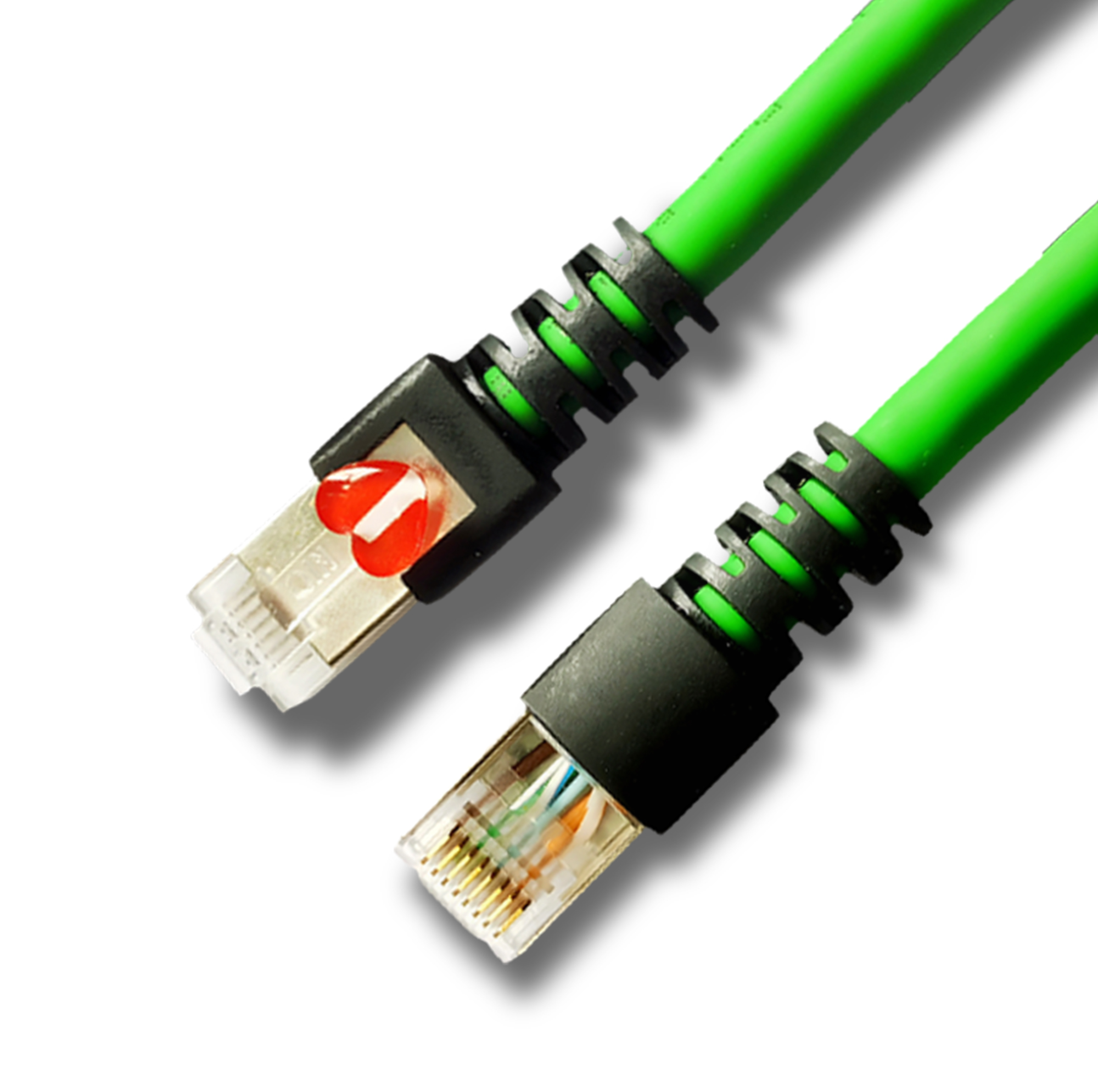
Proper installation and handling of Cat6 patch leads are essential for optimal performance. When connecting the patch leads to network devices, it is important to ensure a secure and proper connection. The connectors at the ends of the patch leads, usually RJ45 connectors, should be firmly inserted into the corresponding ports on the devices. Excessive pulling, bending, or twisting of the patch leads should be avoided, as this can damage the internal wires and affect the data transmission quality. Overall, Cat6 network patch leads are a reliable and versatile choice for network connectivity, providing high - speed data transfer, compatibility, and ease of use in a wide range of networking environments.
Read recommendations:
LEG 77218 Socket Outlet Mosaic German Std 2P+E Auto term - 2 Mod - Red Antimicrobial
-
-
-
-
-
-
-
-
-
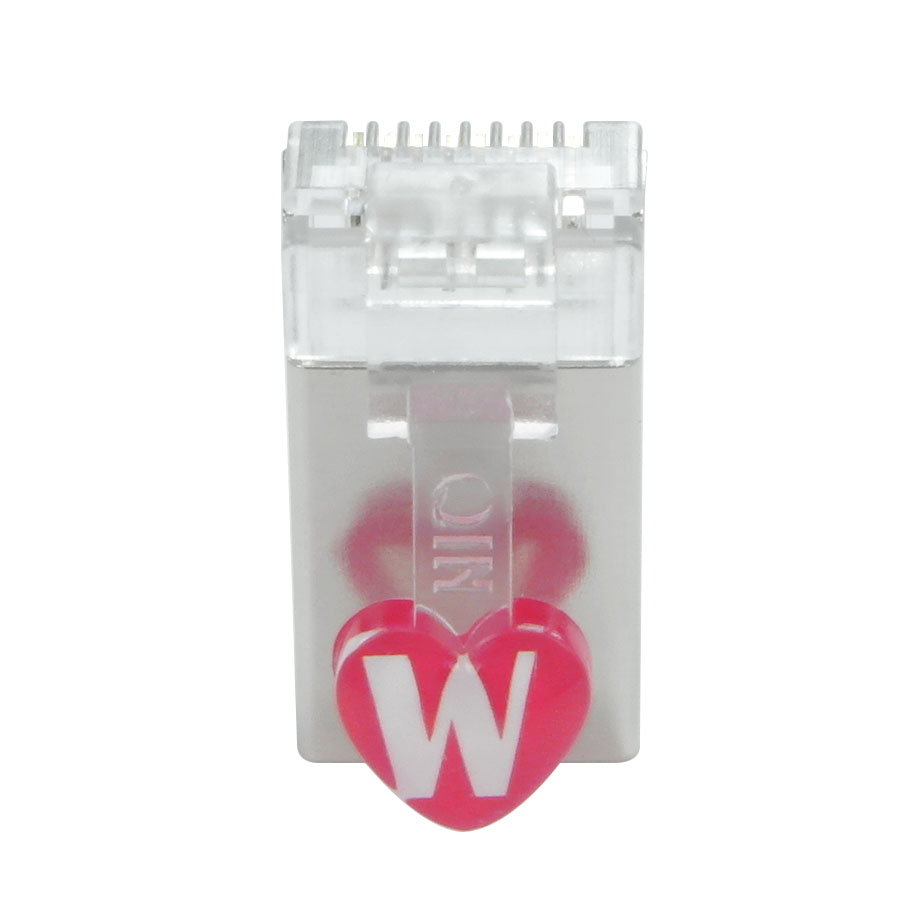
-
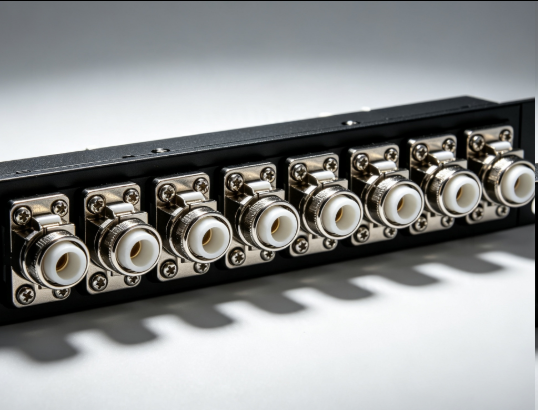
Flange Type Fixed Fiber Optic Adapter for Rack Panel
Sep 19, 2026955
-
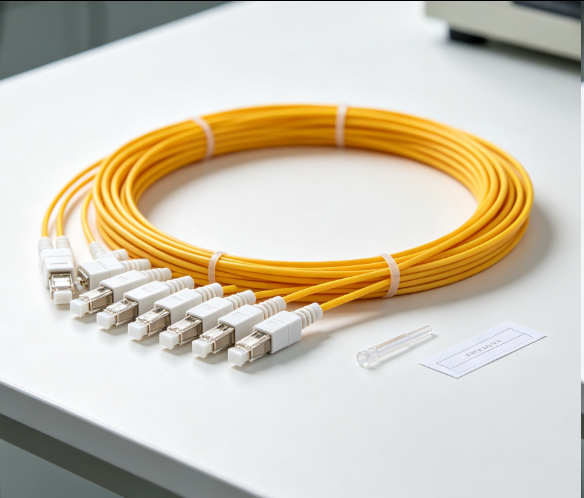
Fiber Pigtail 12 Cores SC UPC Single Mode
Sep 04, 2026930
-
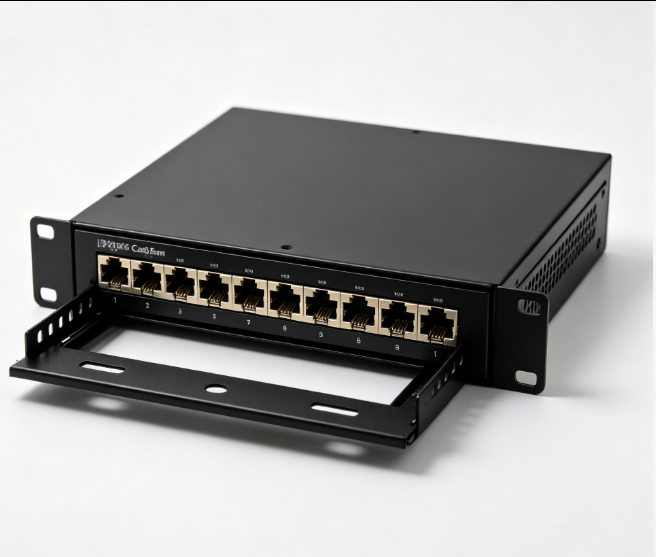
12 Port Cat6 Patch Panel Small Cabinet
Sep 12, 2026929
-
Dust Cap Equipped Fiber Patch Cable Protective
Sep 03, 2026929
-
EU Standard Network Faceplate
Sep 11, 2026927