- Language
Network Patch Panel 48 Port
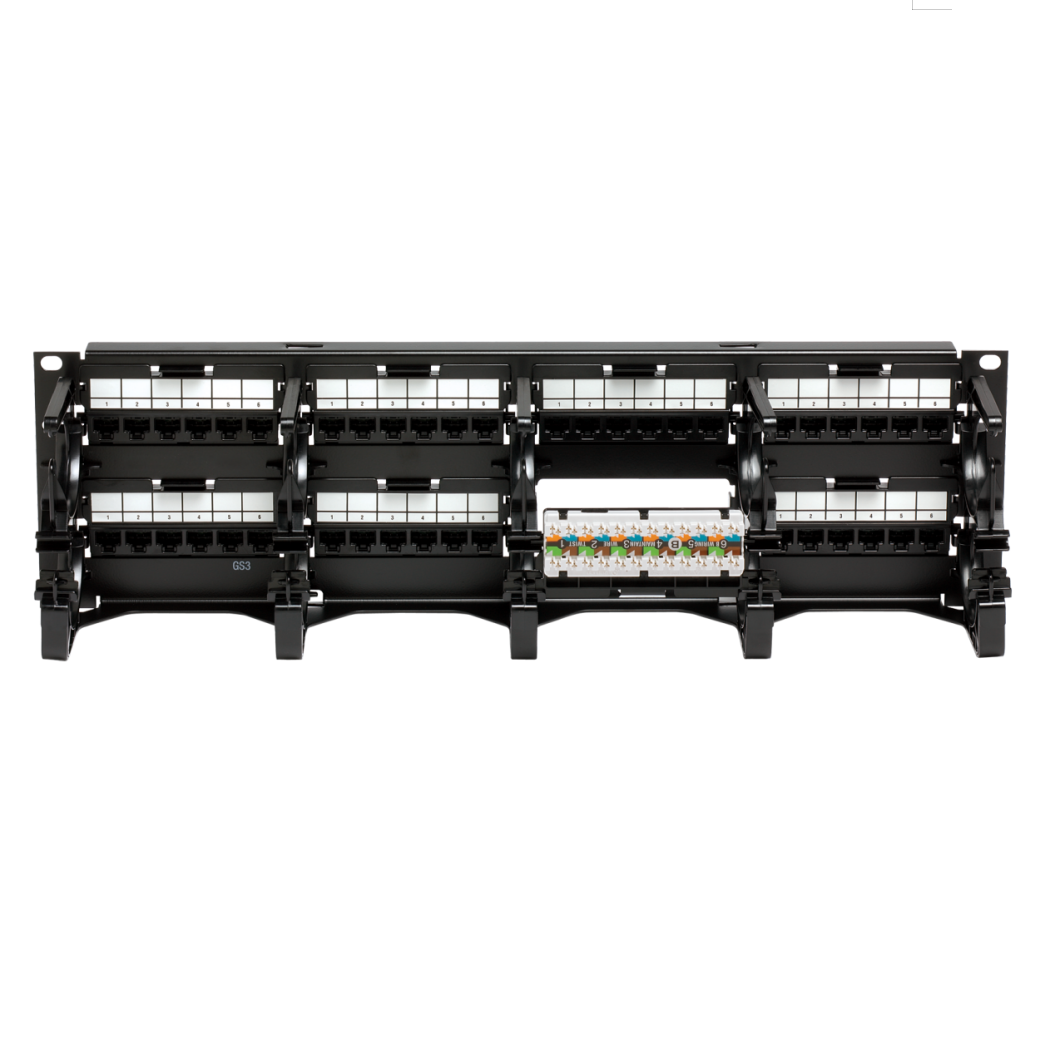
A 48 - port network patch panel is a powerful and widely - utilized networking device that offers a high - density solution for managing Ethernet cable connections in various network environments. With its larger number of ports compared to a 24 - port patch panel, the 48 - port version is particularly well - suited for applications where a high volume of network connections is required, such as in large data centers, enterprise server rooms, and telecommunications facilities.
The design of a 48 - port network patch panel focuses on maximizing port density while maintaining reliable performance. It typically has a compact form factor that can be easily mounted in a standard 19 - inch network rack, usually occupying 1U (1 rack unit) or 2U of vertical space, depending on the specific model. Despite its relatively small size, the panel provides 48 individual ports for terminating Ethernet cables, allowing for a significant number of devices to be connected to the network in a centralized location.
Each port on the 48 - port patch panel is engineered to provide a secure and stable connection. The ports are usually equipped with high - quality contacts, often gold - plated, to ensure excellent electrical conductivity and resistance to oxidation and corrosion. This helps in minimizing signal loss and interference, ensuring accurate and reliable data transmission. The patch panel itself is constructed from durable materials, such as steel or high - impact plastic, which can withstand the frequent connection and disconnection of cables, as well as the environmental conditions within the network rack.
Cable management is a critical aspect of a 48 - port network patch panel. With a large number of cables connected to the panel, proper organization is essential to prevent cable clutter, reduce the risk of crosstalk, and ensure easy maintenance and troubleshooting. Many 48 - port patch panels come with built - in or compatible cable management features. Horizontal cable managers, which are installed above or below the patch panel, provide a structured pathway for cables as they connect to the front - facing ports, keeping the cables organized and preventing them from tangling. Vertical cable managers, mounted alongside the patch panel in the rack, are used to manage the cables that run up and down the rack, ensuring that they are properly separated and aligned. Some advanced 48 - port patch panels may also feature additional cable management accessories, such as cable ties, organizers, or cable management arms, to further enhance cable organization.
In terms of compatibility, a 48 - port network patch panel can support various types of Ethernet cables, including Cat5e, Cat6, Cat6A, and Cat8, depending on the specific model. This makes it suitable for a wide range of network speeds, from 1 Gigabit Ethernet (1GbE) to 40 Gigabit Ethernet (40GbE) and beyond. The patch panel also adheres to industry standards for performance, ensuring that it meets the requirements for signal integrity, attenuation, and crosstalk, which are essential for reliable network operation. Overall, the 48 - port network patch panel offers a high - density, reliable, and efficient solution for managing a large number of network connections in modern networking environments.
Read recommendations:
LEG 77111 Mosaic Socket French Std 2P+E Automatic Terminals Surface White
Apple HomeKit dual-mode wired graffiti Zigbee gateway
Double-Shielded Cat6a (Category 6 Augmented) Network Patch Cord
-
-
-
-
-
-
-
-
-
-
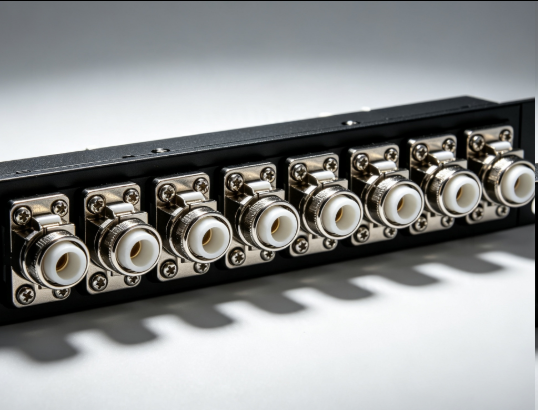
Flange Type Fixed Fiber Optic Adapter for Rack Panel
Sep 19, 2026955
-
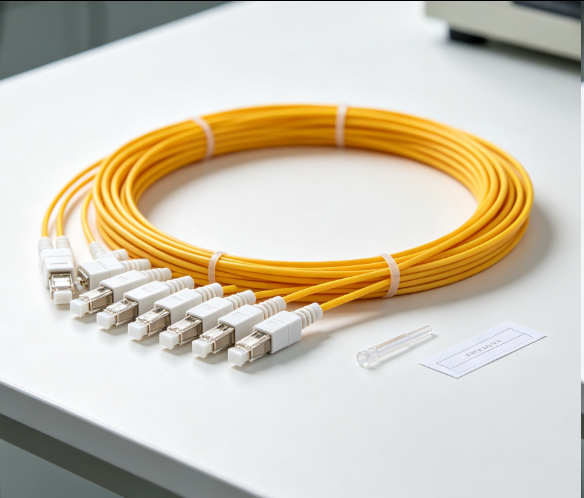
Fiber Pigtail 12 Cores SC UPC Single Mode
Sep 04, 2026930
-
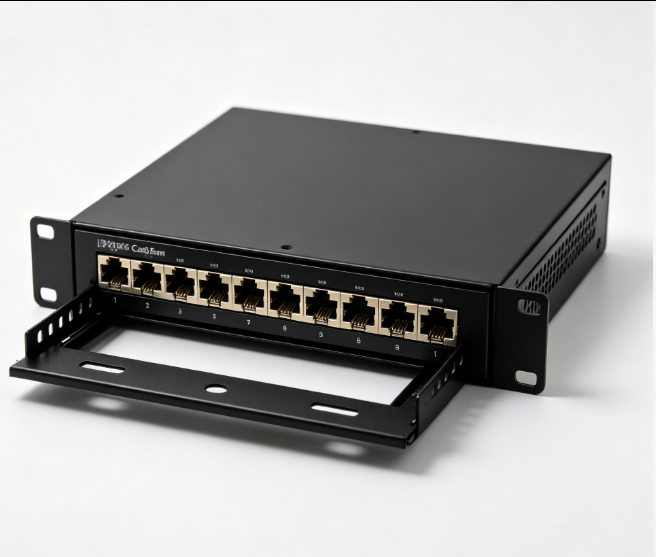
12 Port Cat6 Patch Panel Small Cabinet
Sep 12, 2026929
-
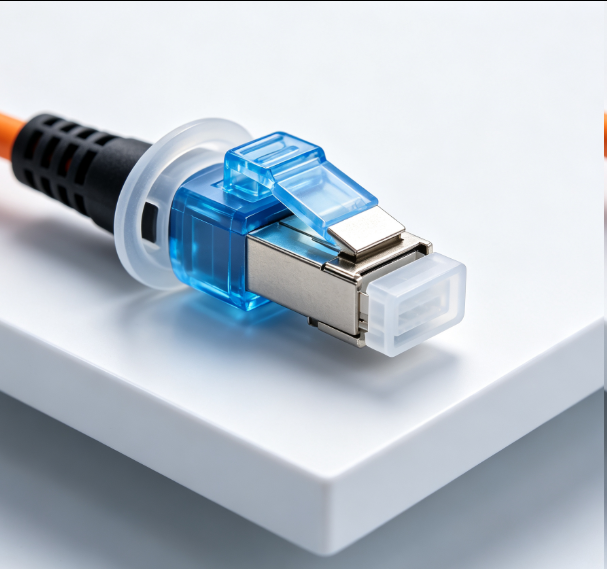
Dust Cap Equipped Fiber Patch Cable Protective
Sep 03, 2026929
-
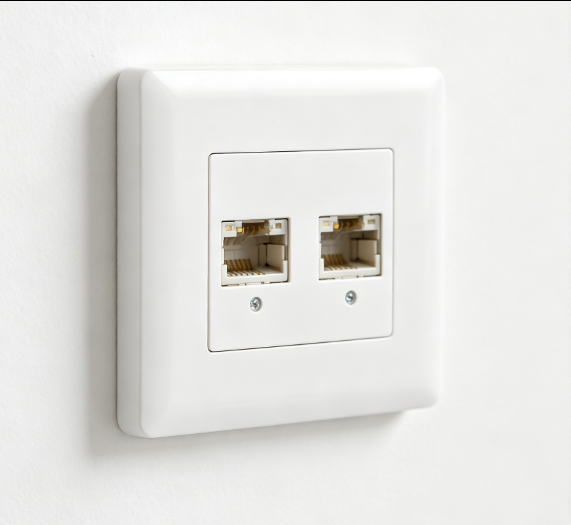
EU Standard Network Faceplate
Sep 11, 2026927