- Language
Network Patch Panel High Density
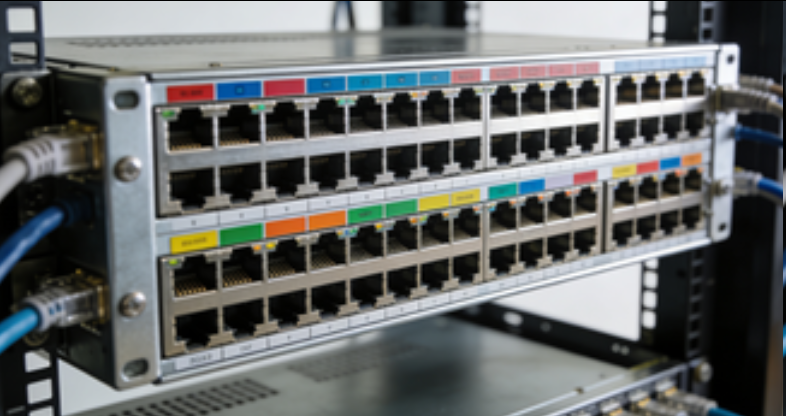
A high - density network patch panel is a crucial networking solution designed to meet the growing demand for efficient cable management and a large number of connections in modern network environments. With the increasing proliferation of network - connected devices, from servers and workstations to IoT sensors and IP cameras, the need for a patch panel that can accommodate a significant number of cables in a compact space has become essential. High - density patch panels typically offer a much greater port density compared to standard patch panels, often packing 48, 96, or even more ports into a minimal amount of rack space.
The primary advantage of a high - density network patch panel is its space - saving capabilities. In data centers and server rooms where rack space is at a premium, these panels allow network administrators to maximize the use of available space. For example, a single 1U (1 rack unit) high - density patch panel with 48 ports can replace multiple standard 24 - port patch panels, reducing the overall footprint in the rack. This not only saves physical space but also simplifies cable management, as all the connections are concentrated in one area, making it easier to identify, access, and maintain the cables.
In terms of construction, high - density patch panels are engineered with precision to ensure reliable performance. They are usually built from robust materials such as steel or high - quality plastic, which can withstand the rigors of a busy network environment. The ports on these panels are equipped with high - quality contacts, often gold - plated to prevent oxidation and ensure excellent electrical conductivity. This helps in minimizing signal loss and interference, even when handling high - speed data transmission, such as 10 Gigabit Ethernet (10GbE), 25GbE, or 40GbE, which are common in modern data - intensive applications.
Cable management is a critical aspect of high - density patch panels. Given the large number of cables connected to these panels, proper organization is essential to prevent cable clutter, reduce the risk of crosstalk, and ensure easy maintenance. Many high - density patch panels come with built - in or compatible cable management features. Horizontal and vertical cable managers can be integrated to neatly route and secure the cables, ensuring that they are properly separated and aligned. Some advanced models may also feature cable management arms, finger ducts, or cable organizers that provide a structured pathway for the cables, improving airflow within the rack and preventing potential damage to the cables due to excessive bending or pulling.
High - density network patch panels also offer flexibility in terms of cable type compatibility. They can support various Ethernet cable categories, including Cat5e, Cat6, Cat6A, and Cat8, allowing for seamless integration with different network speeds and performance requirements. Additionally, some high - density panels are designed with modularity in mind, enabling users to easily upgrade or replace individual ports or modules as network needs change. Overall, a high - density network patch panel is an indispensable component for modern network infrastructure, providing a space - efficient, reliable, and flexible solution for managing a large number of network connections.
Read recommendations:
LEG 77273 Multi-support Triple Socket Mosaic - 3 x 2P+E Automatic Terminals German Standard Red
New Smart Touch Control Faceplate Wifi Smart Swith Socket for Home Or Hotel System
-
-
-
-
-
-
-
-
-
-
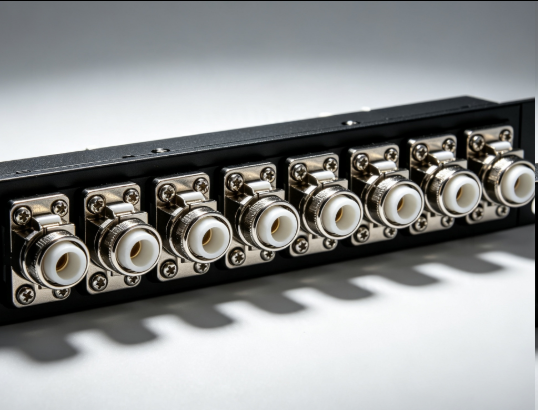
Flange Type Fixed Fiber Optic Adapter for Rack Panel
Sep 19, 2026955
-
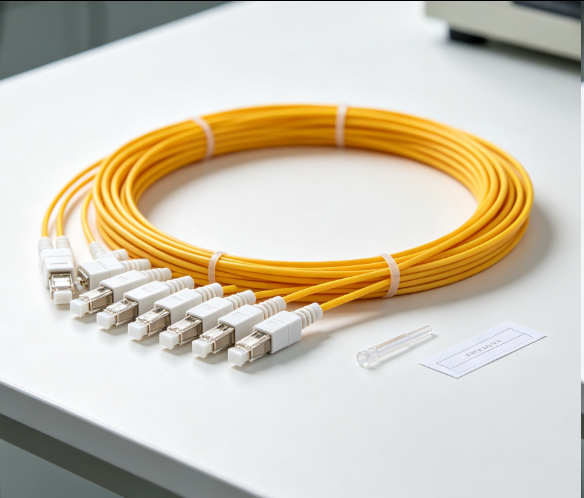
Fiber Pigtail 12 Cores SC UPC Single Mode
Sep 04, 2026930
-
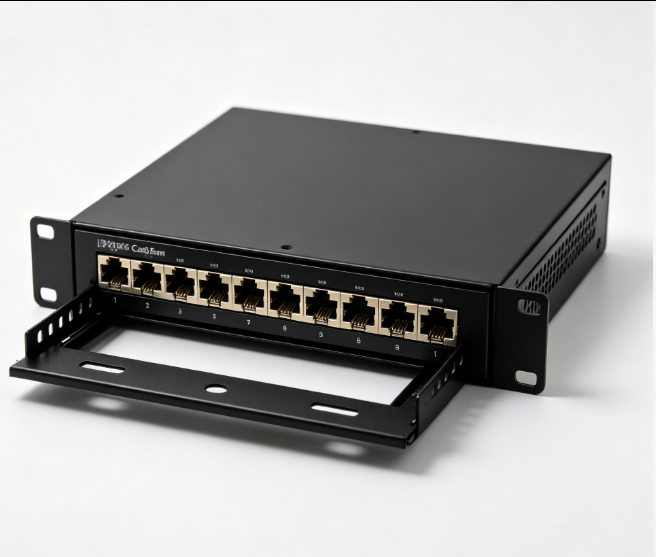
12 Port Cat6 Patch Panel Small Cabinet
Sep 12, 2026929
-
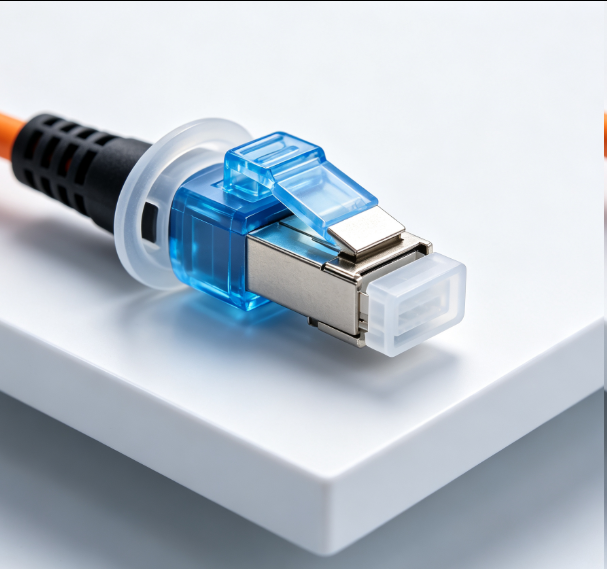
Dust Cap Equipped Fiber Patch Cable Protective
Sep 03, 2026929
-
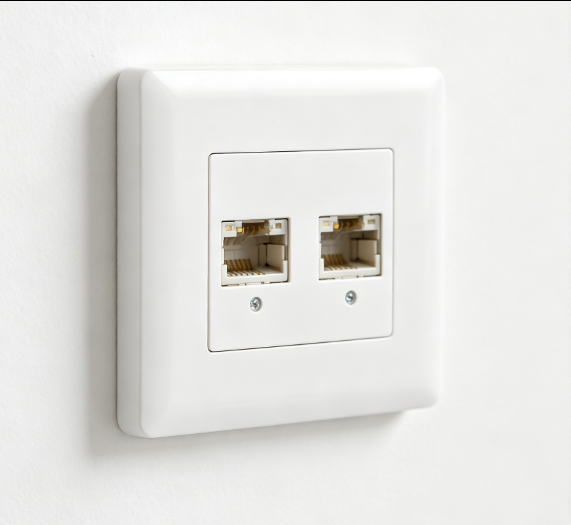
EU Standard Network Faceplate
Sep 11, 2026927