- Language
Network Patch Panel for LAN System

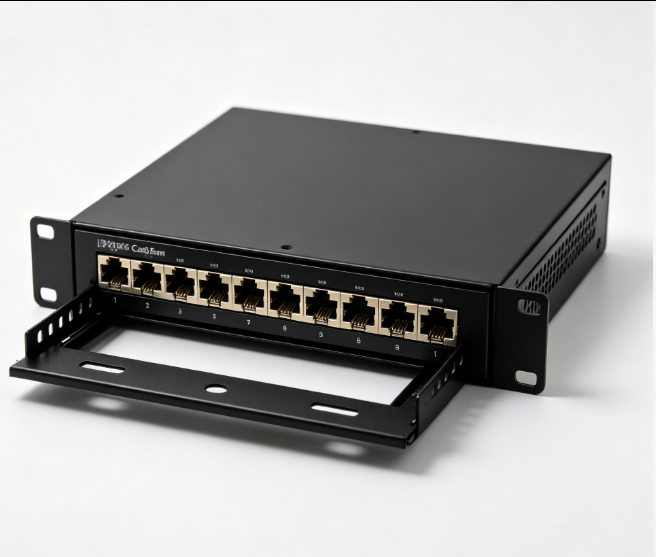
A network patch panel is a fundamental and essential component in a Local Area Network (LAN) system, serving as the central hub for organizing, managing, and connecting the various devices within the network. In a LAN, which typically encompasses a limited geographical area such as an office building, school, or home, the patch panel plays a crucial role in ensuring reliable and efficient data transmission between computers, servers, switches, routers, and other network - enabled devices.
At the core of its function, a network patch panel for a LAN system provides a centralized location for terminating Ethernet cables. Cables are run from different devices, such as desktop computers in offices, printers in common areas, or access points in wireless networks, and are terminated on the back of the patch panel using insulation - displacement contacts (IDCs) and a punch - down tool. This creates a secure and stable connection for each cable. The front - facing ports of the patch panel then serve as the interface for connecting to network switches or other devices using patch cables. This modular approach allows for easy addition, removal, or modification of network connections as the needs of the LAN system change. For example, when a new employee joins the office and needs to connect their computer to the network, a technician can simply connect a patch cable from the computer's Ethernet port to an available port on the patch panel, which is then linked to the network switch.
The patch panel also significantly improves cable management within the LAN system. Instead of having a chaotic mess of cables running directly from devices to switches, the patch panel provides an organized and structured way to route and manage the cables. Horizontal and vertical cable managers are often used in conjunction with the patch panel to keep the cables neatly arranged, preventing tangling and ensuring proper alignment. This not only makes the network infrastructure look more professional but also reduces the risk of cable damage and makes it easier to identify and troubleshoot network issues. For instance, if there is a connectivity problem with a particular device, technicians can quickly trace the cable from the device to the patch panel and check for any loose connections or damaged ports.
In terms of performance, a network patch panel for a LAN system is designed to meet the specific requirements of the network. It is equipped with high - quality ports that have contacts, usually gold - plated, to minimize signal loss and interference. The panel adheres to industry standards for attenuation, crosstalk, and return loss, ensuring that the data transmitted through the connected cables remains accurate and reliable. This is especially important in a LAN environment where applications such as file sharing, video conferencing, and real - time data processing rely on stable and high - speed data transmission. Overall, a network patch panel is an integral part of a LAN system, providing a reliable, organized, and efficient solution for managing network connections and ensuring the smooth operation of the local area network.
Read recommendations:
LEG 77210 Multi-support Single Socket Mosaic German Std - 2P+E w/o Shutters with Screw White
Smart Switch Outlet 1 Gang with Wireless APP Remote Control Compatible with Legrand Faceplate
-
-
-
-
-
-
-
-
-
-
Flange Type Fixed Fiber Optic Adapter for Rack Panel
Sep 19, 2026955
-
Fiber Pigtail 12 Cores SC UPC Single Mode
Sep 04, 2026930
-
12 Port Cat6 Patch Panel Small Cabinet
Sep 12, 2026929
-
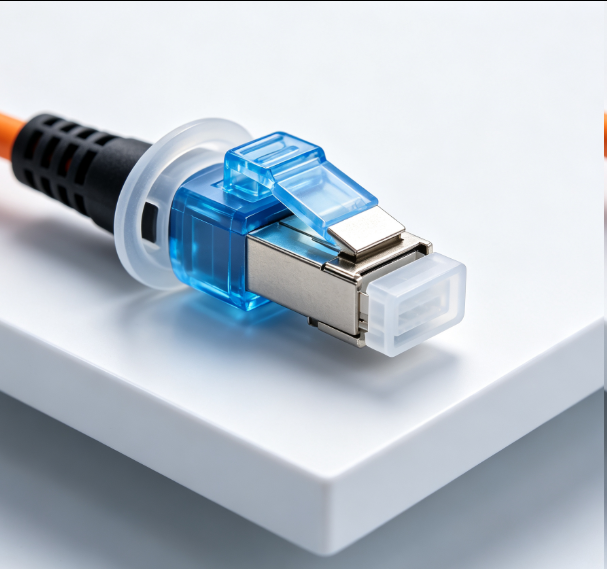
Dust Cap Equipped Fiber Patch Cable Protective
Sep 03, 2026929
-
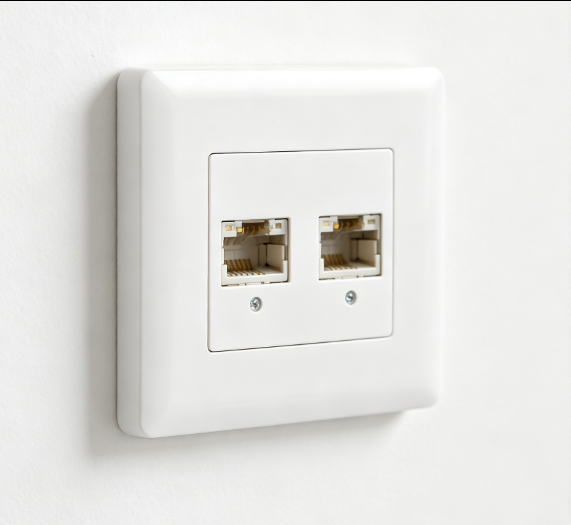
EU Standard Network Faceplate
Sep 11, 2026927