- Language
Patch Panel 24 Port Unloaded
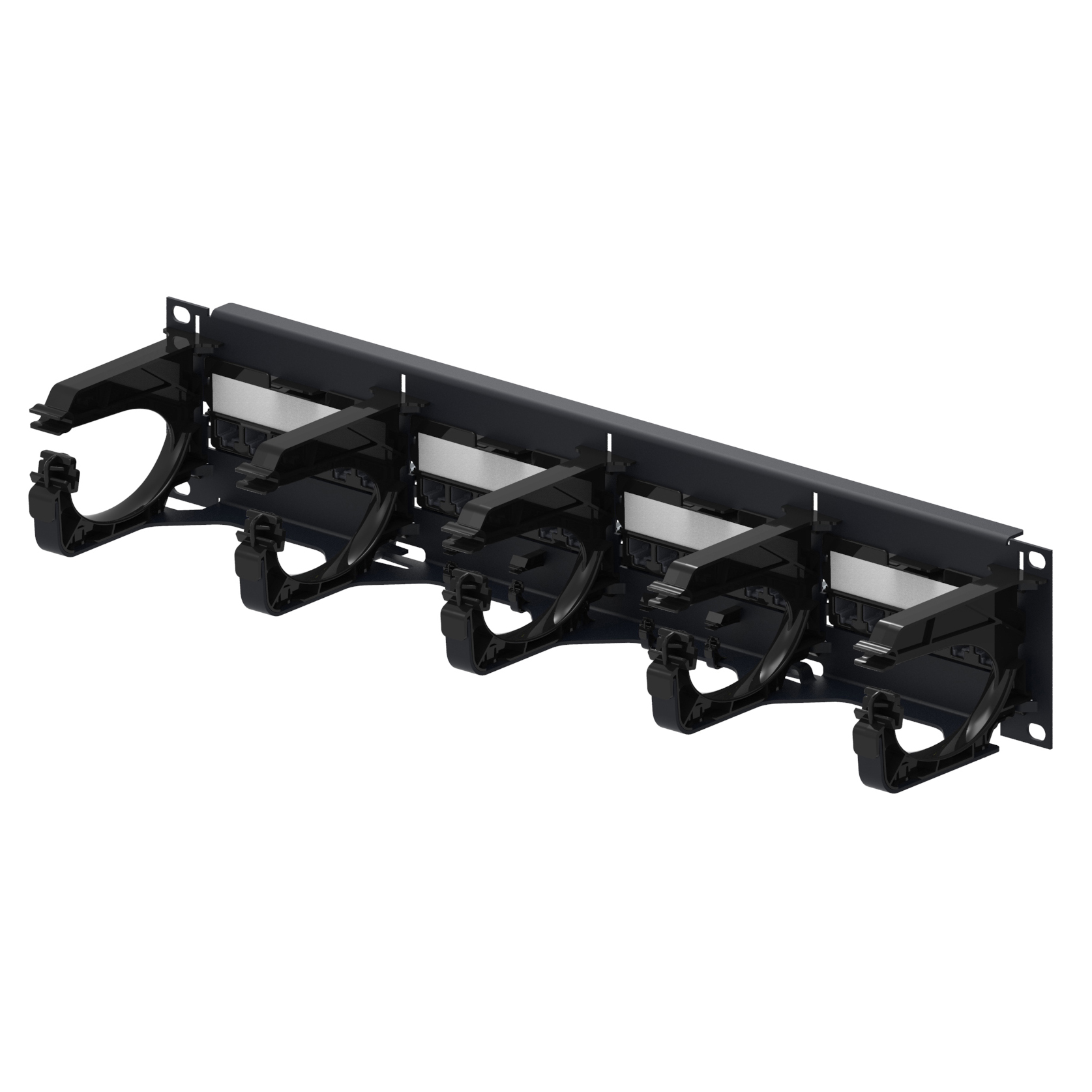
A 24 - port unloaded patch panel is a specialized networking component that offers a high degree of flexibility and customization in Ethernet network setups. Unlike pre - loaded patch panels that come with integrated connectors or modules, the unloaded version provides an empty framework with 24 ports, allowing users to insert the specific keystone jacks or connectors that best suit their network requirements. This adaptability makes it an ideal choice for a wide range of applications where diverse connection types or future - proofing is essential.
The construction of a 24 - port unloaded patch panel is typically robust, designed to withstand the rigors of regular use in various network environments. It is usually made from durable materials such as steel or high - quality plastic, ensuring long - term reliability and resistance to physical damage. The panel's structure includes 24 individual slots or ports, precisely engineered to accommodate standard keystone jacks. These slots are designed with a secure locking mechanism to hold the keystone jacks firmly in place, preventing accidental disconnection and ensuring a stable connection for the network cables.
One of the key advantages of an unloaded patch panel is its cost - effectiveness and flexibility. Network administrators can select and install only the necessary keystone jacks based on the specific devices and services they need to support. For example, in a mixed - use network environment where both Ethernet and telephone connections are required, users can insert Cat6 keystone jacks for data connections and RJ11 jacks for voice connections. This modular approach eliminates the need to purchase a pre - configured panel with unnecessary ports, reducing upfront costs. Additionally, as network requirements evolve, new keystone jacks can be easily added or replaced, enabling seamless upgrades without having to replace the entire patch panel.
Installation of a 24 - port unloaded patch panel is relatively straightforward. It can be mounted in a standard 19 - inch network rack using the provided mounting hardware. Once installed, the process of adding keystone jacks involves simply snapping them into the empty slots. After inserting the jacks, network cables are terminated on the back of the keystone jacks using insulation - displacement contacts (IDCs) and a punch - down tool. This installation process allows for quick and efficient deployment, making it suitable for both new network installations and retrofitting existing setups.
In terms of cable management, although the unloaded patch panel itself does not come with built - in cable management features, it can be easily integrated with external cable management solutions. Cable managers, such as horizontal or vertical organizers, can be attached to the rack alongside the patch panel to ensure neat and organized routing of cables. This helps in reducing cable clutter, improving airflow within the rack, and making it easier to identify and manage individual connections. Overall, the 24 - port unloaded patch panel offers a customizable, cost - effective, and flexible solution for network connectivity, enabling users to tailor their network infrastructure to their specific needs.
Read recommendations:
SFTP Cat6A 3M Keystone Jack Toolless RJ45 Volition
Smart Switch Outlet 2 Ways with Wireless APP Remote Control Compatible with Legrand Faceplate
-
-
-
-
-
-
-
-
-
-
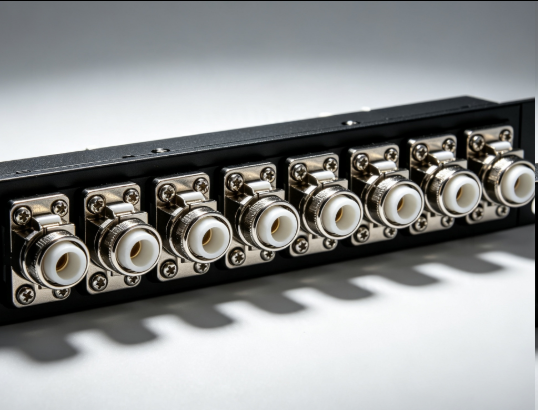
Flange Type Fixed Fiber Optic Adapter for Rack Panel
Sep 19, 2026955
-
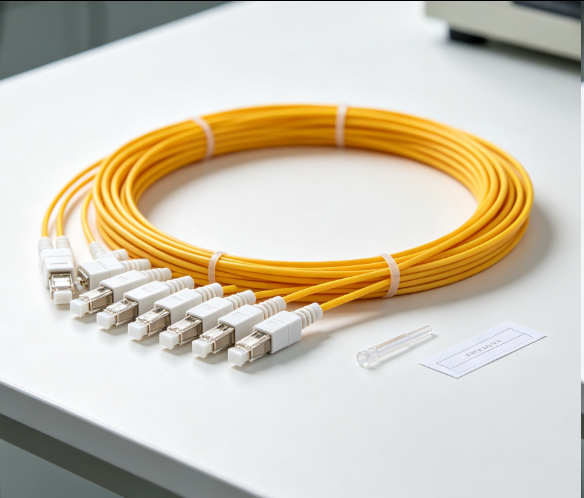
Fiber Pigtail 12 Cores SC UPC Single Mode
Sep 04, 2026930
-
12 Port Cat6 Patch Panel Small Cabinet
Sep 12, 2026929
-
Dust Cap Equipped Fiber Patch Cable Protective
Sep 03, 2026929
-
EU Standard Network Faceplate
Sep 11, 2026927