- Language
RJ45 Cable Tester Battery Type
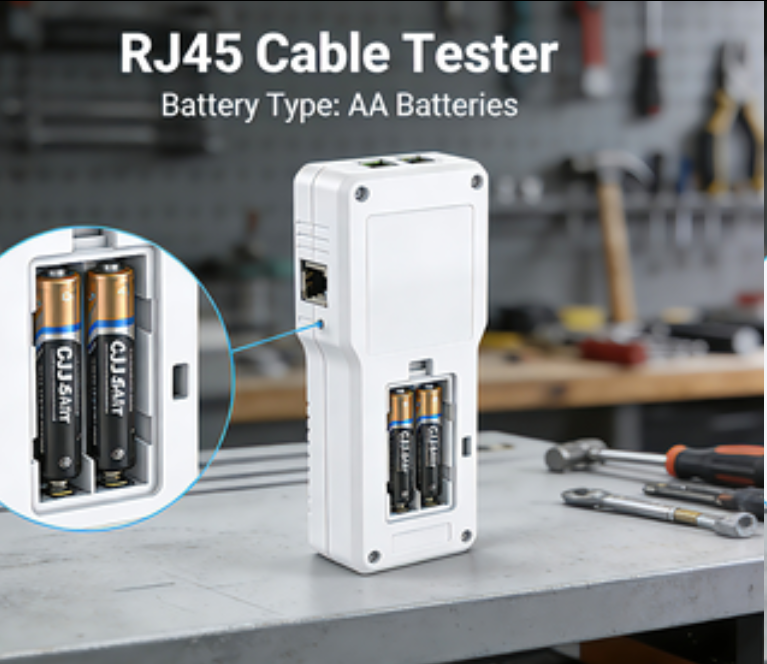
The choice of battery type in an RJ45 cable tester has a significant impact on its performance, usability, and overall cost - effectiveness. Different battery types offer various advantages and disadvantages, and understanding these can help users select the most suitable cable tester for their specific needs.
One of the most common battery types used in RJ45 cable testers is the alkaline battery. Alkaline batteries are widely available, relatively inexpensive, and offer a stable voltage output over their lifespan. They are suitable for casual users or those who do not require continuous, extended use of the cable tester. For example, in a small office environment where cable testing is only occasionally needed, alkaline batteries can provide sufficient power for the tester to perform basic connectivity tests, such as checking for open circuits and short circuits. However, alkaline batteries have a limited capacity, and their performance may degrade over time, especially if they are not used regularly. Additionally, they are disposable, which means that users will need to replace them frequently, leading to higher long - term costs and potential environmental waste.
Rechargeable nickel - metal hydride (Ni - MH) batteries are another popular option for RJ45 cable testers. Ni - MH batteries offer a higher capacity compared to alkaline batteries, allowing for longer - lasting operation. They can be recharged multiple times, reducing the need for frequent replacements and ultimately saving users money in the long run. Ni - MH batteries also have a relatively low self - discharge rate, meaning they can retain their charge for an extended period when not in use. This makes them ideal for users who require the cable tester to be ready for use at all times, such as network technicians who may need to perform tests in various locations. However, Ni - MH batteries do require a charger, and their initial purchase cost is higher than that of alkaline batteries.
Lithium - ion (Li - ion) batteries are becoming increasingly common in modern RJ45 cable testers due to their numerous advantages. Li - ion batteries have a high energy density, providing a long - lasting power supply in a compact and lightweight package. They offer a longer lifespan compared to both alkaline and Ni - MH batteries, with the ability to be recharged hundreds of times. Li - ion batteries also have a very low self - discharge rate, ensuring that the cable tester remains powered even when not used for an extended period. Many advanced cable testers with features such as LCD screens, multiple testing modes, and high - frequency testing rely on Li - ion batteries to support their power - hungry operations. However, Li - ion batteries are more expensive than the other types, and they require specialized chargers. Additionally, proper care and handling are necessary to ensure their safety and longevity, as incorrect charging or overheating can pose risks.
In conclusion, the battery type of an RJ45 cable tester is an important consideration. Alkaline batteries offer affordability and ease of use for occasional users, while Ni - MH batteries provide a balance between capacity and cost - effectiveness. Li - ion batteries, on the other hand, are the top choice for those seeking high - performance, long - lasting power in more advanced cable testers. Users should evaluate their usage patterns, budget, and specific requirements when choosing an RJ45 cable tester based on its battery type.
Read recommendations:
Cat6a Keystone RJ45 Shielded Coupler Female to Female SFTP Inline Insert Telecom Parts
LEG 77211 Socket Outlet Mosaic German Std 2P+E Auto term - 2 Mod - White Antimicrobial
-
-
-
-
-
-
-
-
-
-
Flange Type Fixed Fiber Optic Adapter for Rack Panel
Sep 19, 2026955
-
Fiber Pigtail 12 Cores SC UPC Single Mode
Sep 04, 2026930
-
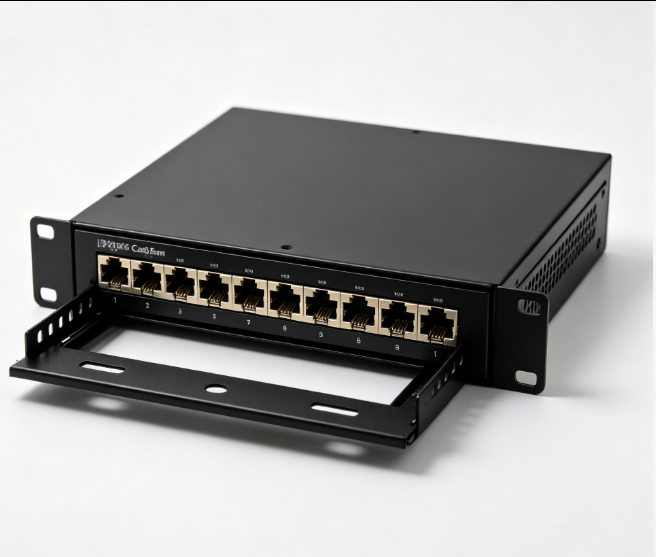
12 Port Cat6 Patch Panel Small Cabinet
Sep 12, 2026929
-
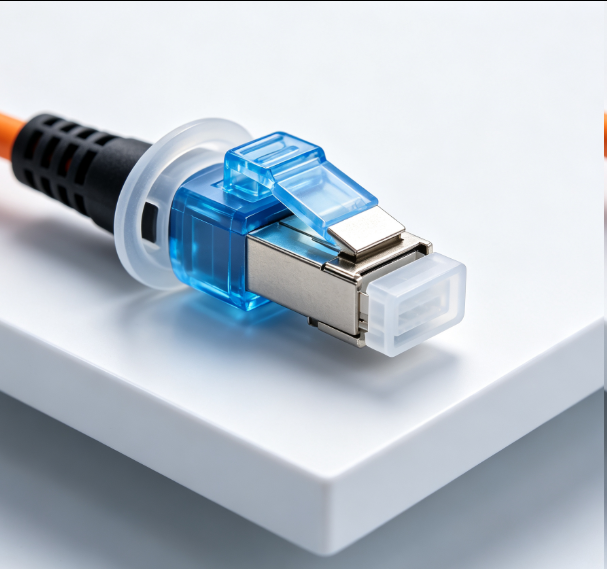
Dust Cap Equipped Fiber Patch Cable Protective
Sep 03, 2026929
-
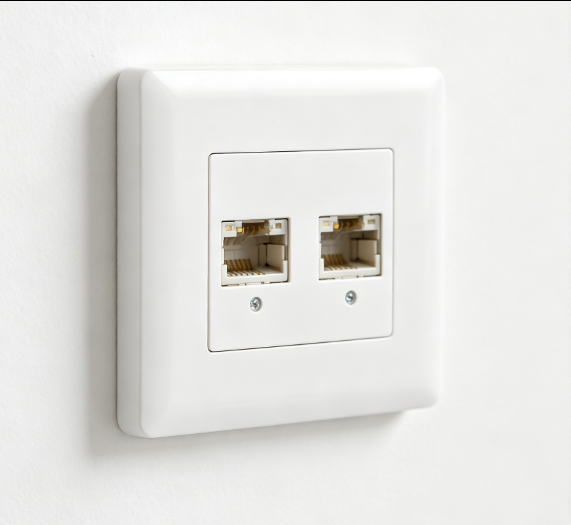
EU Standard Network Faceplate
Sep 11, 2026927