- Language
RJ45 Cable Tester Pin Mapping
Understanding the pin mapping of an RJ45 cable tester is crucial for accurately interpreting test results and effectively troubleshooting Ethernet cable issues. Pin mapping refers to the relationship between the pins of the RJ45 connector on the cable being tested and the corresponding test points within the cable tester. This mapping determines how the tester sends and receives electrical signals to assess the integrity and proper wiring of the cable.
In a standard RJ45 cable tester, there are typically eight test points that correspond to the eight pins of the RJ45 connector. The pin mapping is designed to mirror the wire - to - pin arrangement of the Ethernet cable, whether it follows the T568A or T568B standard. When a cable is connected to the tester, the tester sends electrical signals through these test points and measures the responses received from the other end of the cable. For example, if pin 1 of the RJ45 connector on the cable is supposed to be connected to the white - orange wire (in the T568B standard), the tester will send a signal through the corresponding test point for pin 1 and expect to receive a proper response from the other end if the wire is correctly connected and there are no faults.
The pin mapping is essential for detecting various types of cable faults. In the case of an open circuit, where a wire is broken and there is no electrical continuity, the tester will not receive a response from the corresponding test point. By knowing the pin mapping, technicians can easily identify which wire is affected. For instance, if the tester indicates an open circuit on pin 3, and based on the pin mapping, they know that pin 3 corresponds to the white - green wire in the T568B standard, they can focus on checking that specific wire for damage or improper termination.
Similarly, for short circuits, where two or more wires are accidentally connected, the pin mapping helps in determining which wire pairs are involved. The tester will detect abnormal electrical connections between the test points, and by referring to the pin mapping, technicians can figure out which wires are shorted together. This information is invaluable for diagnosing and resolving wiring issues, as it allows for targeted inspection and repair of the faulty connections.
Moreover, understanding the pin mapping is also important for verifying the correct wiring of the cable according to the T568A or T568B standard. The cable tester can compare the received signals from each test point with the expected pattern based on the chosen pinout standard. If the wiring is incorrect, such as a misaligned or crossed wire, the tester will be able to identify the specific pins and wires that are not properly connected. In summary, the pin mapping of an RJ45 cable tester is a fundamental concept that enables accurate testing, diagnosis, and resolution of Ethernet cable problems, ensuring reliable network connectivity.
Read recommendations:
10 Pair Krone Disconnection Module ABS/PBT Copper
LEG 77217 Socket Outlet Mosaic German Std 2P+E Auto term - 2 Mod - Orange Antimicrobial
New Smart Touch Control Faceplate Wifi Smart Swith Socket for Home Or Hotel System
-
-
-
-
-
-
-
-
-
-
Flange Type Fixed Fiber Optic Adapter for Rack Panel
Sep 19, 2026955
-
Fiber Pigtail 12 Cores SC UPC Single Mode
Sep 04, 2026930
-
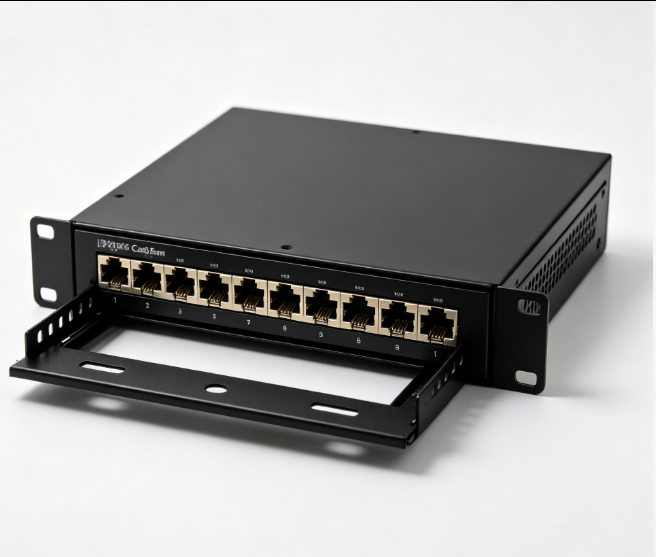
12 Port Cat6 Patch Panel Small Cabinet
Sep 12, 2026929
-
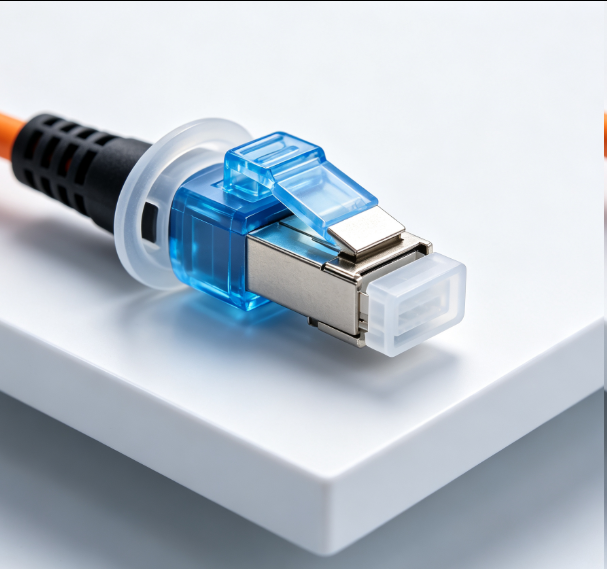
Dust Cap Equipped Fiber Patch Cable Protective
Sep 03, 2026929
-
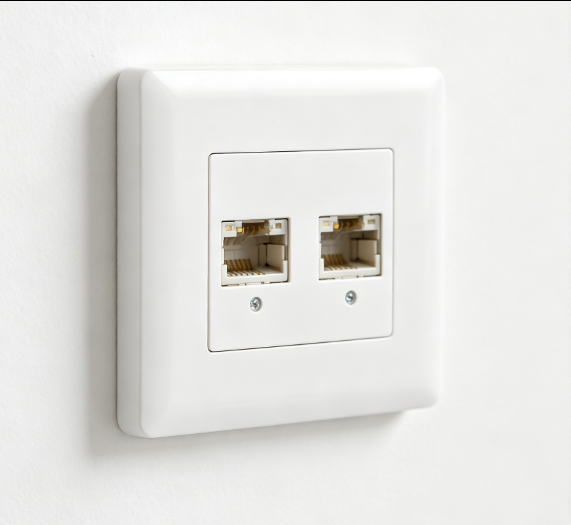
EU Standard Network Faceplate
Sep 11, 2026927