- Language
RJ45 Cable Tester Test Report
An RJ45 cable tester test report serves as a comprehensive documentation of the cable testing process and results, providing essential information for network technicians, installers, and administrators to assess the quality and integrity of Ethernet cables. This report is a crucial record that can be used for various purposes, including project documentation, quality assurance, and future reference during network maintenance and troubleshooting.
A typical RJ45 cable tester test report begins with basic information about the test, such as the date and time of the test, the location where the cable was tested, and the name or identification number of the cable. This contextual information helps in organizing and referencing the report later. It is followed by details about the cable itself, including its category (e.g., Cat5e, Cat6, Cat6A), length, and any relevant markings or labels.
The main body of the test report focuses on the test results. For basic connectivity testing, the report will indicate whether the cable passed or failed the test. If the cable failed, it will specify the type of fault detected, such as open circuits, short circuits, or incorrect wiring. For example, it may state that "Pin 3 shows an open circuit," clearly identifying the specific wire and the nature of the problem. In the case of more advanced testing, such as attenuation, crosstalk, and return loss measurements (especially for higher - category cables like Cat6 and above), the report will include numerical values for each parameter. These values are compared against the industry - standard specifications for the cable category to determine if the cable meets the required performance criteria. For instance, the report might show that the attenuation value for a Cat6 cable at 100 MHz is within the acceptable range specified by the standard.
Some test reports may also include graphical representations of the test results, such as charts or graphs, to provide a more visual understanding of the cable's performance. This can be particularly useful for quickly identifying trends or patterns in the data. Additionally, the report may contain comments or observations made by the technician during the testing process. These comments could include details about any unusual circumstances during the test, potential areas of concern, or recommendations for further action, such as re - terminating the connectors or replacing the cable.
The test report serves as an important quality control document. In a network installation project, it provides evidence that the cables have been tested and meet the necessary standards before being put into use. For maintenance purposes, it can be referred to when troubleshooting network issues, helping technicians determine if a cable is the source of the problem based on its previous test results. Overall, a well - detailed RJ45 cable tester test report is an invaluable resource that contributes to the reliability and efficiency of network infrastructure by providing a clear and comprehensive record of the cable testing process and its outcomes.
Read recommendations:
LEG 77118 Mosaic Socket French Std 2P+E Automatic Terminals Surface Red
-
-
-
-
-
-
-
-
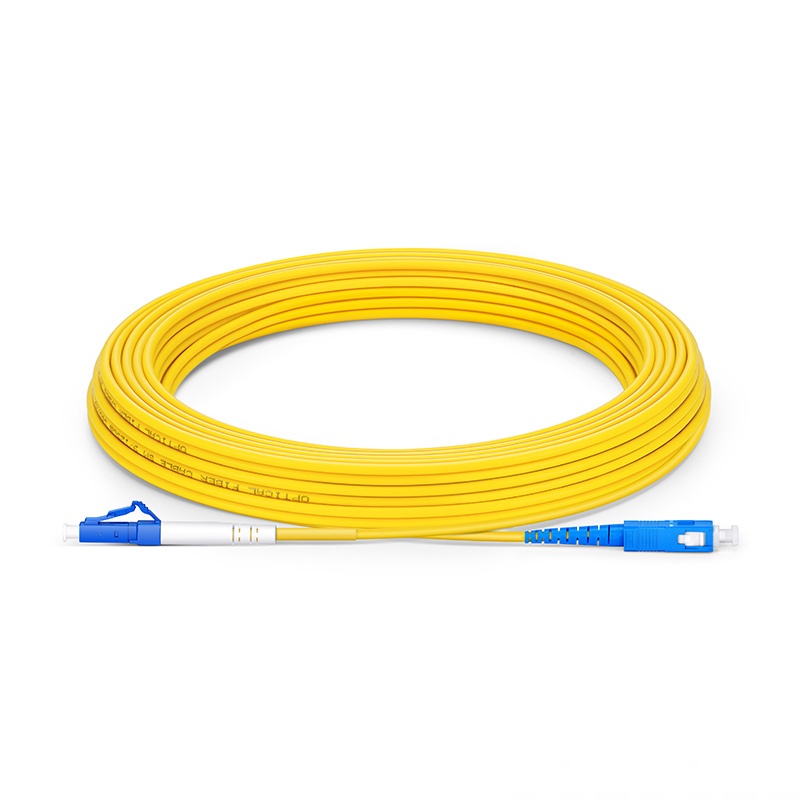
-
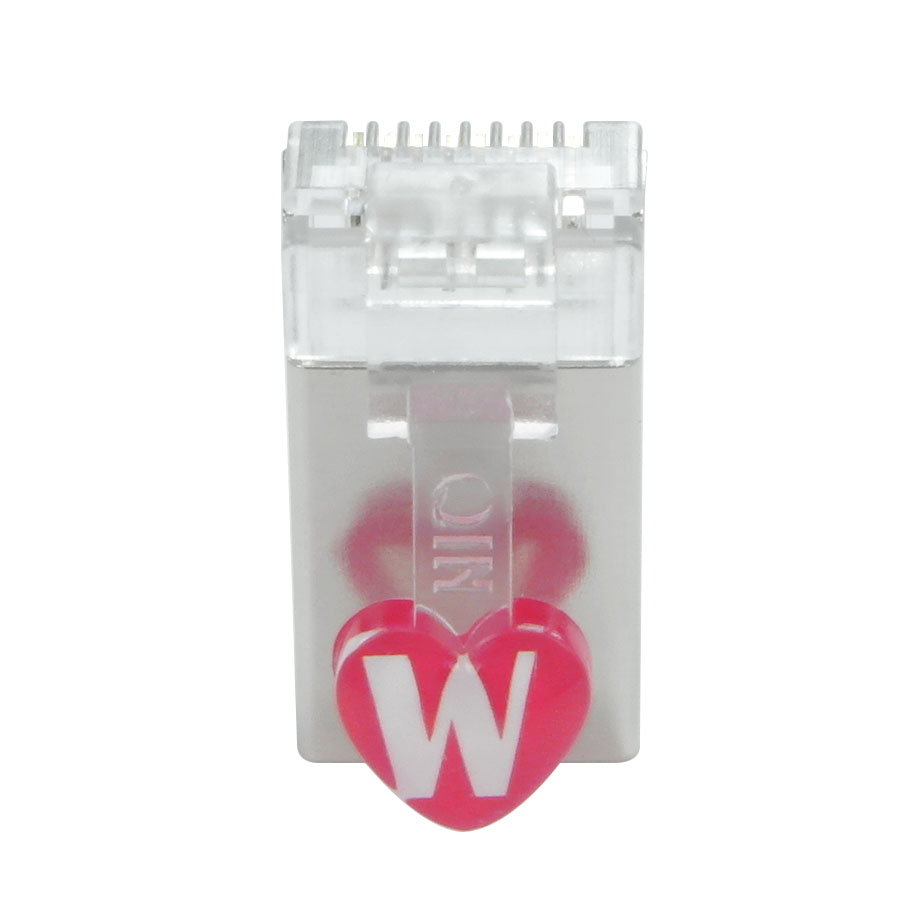
-
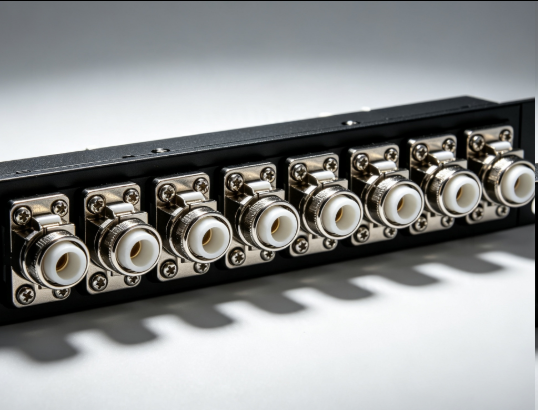
Flange Type Fixed Fiber Optic Adapter for Rack Panel
Sep 19, 2026955
-
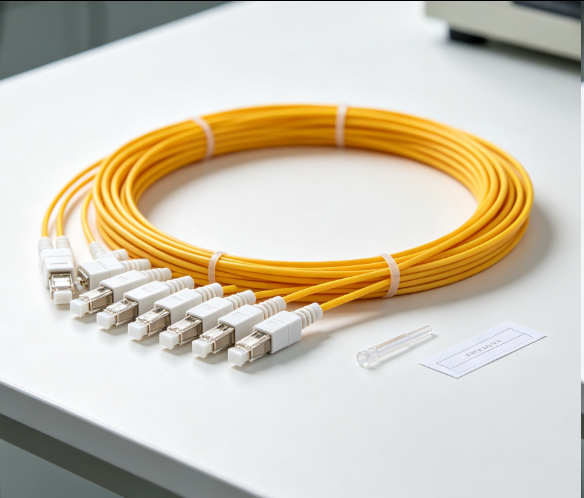
Fiber Pigtail 12 Cores SC UPC Single Mode
Sep 04, 2026930
-
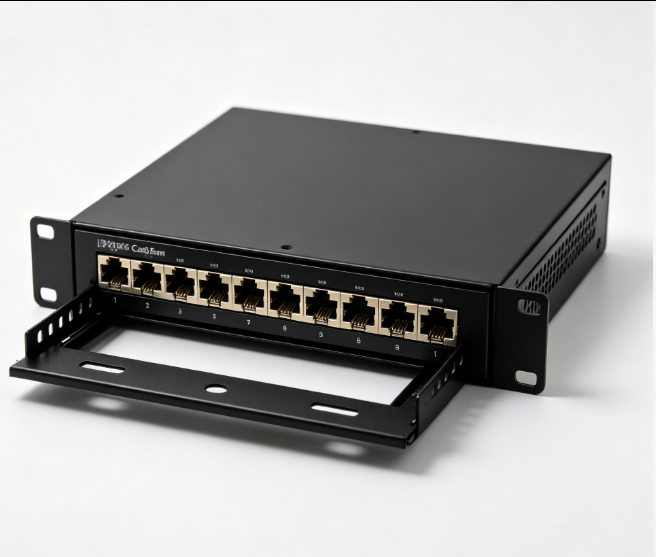
12 Port Cat6 Patch Panel Small Cabinet
Sep 12, 2026929
-
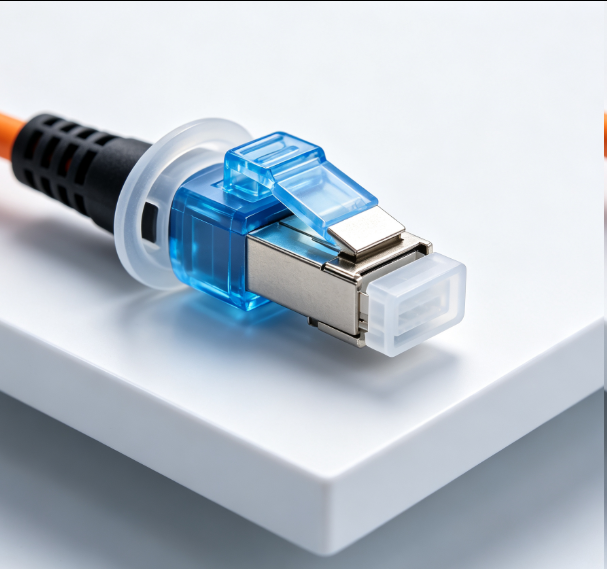
Dust Cap Equipped Fiber Patch Cable Protective
Sep 03, 2026929
-
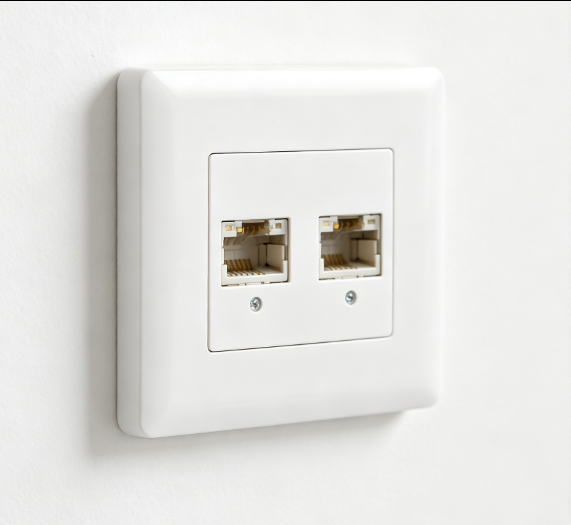
EU Standard Network Faceplate
Sep 11, 2026927