- Language
RJ45 Connector Unshielded Type
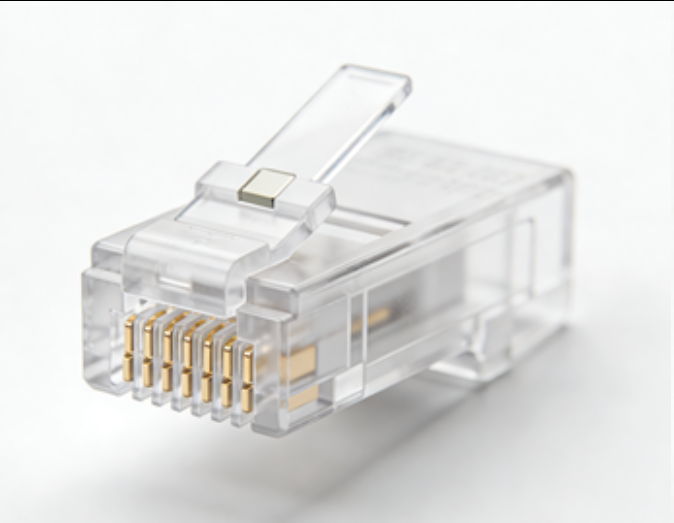
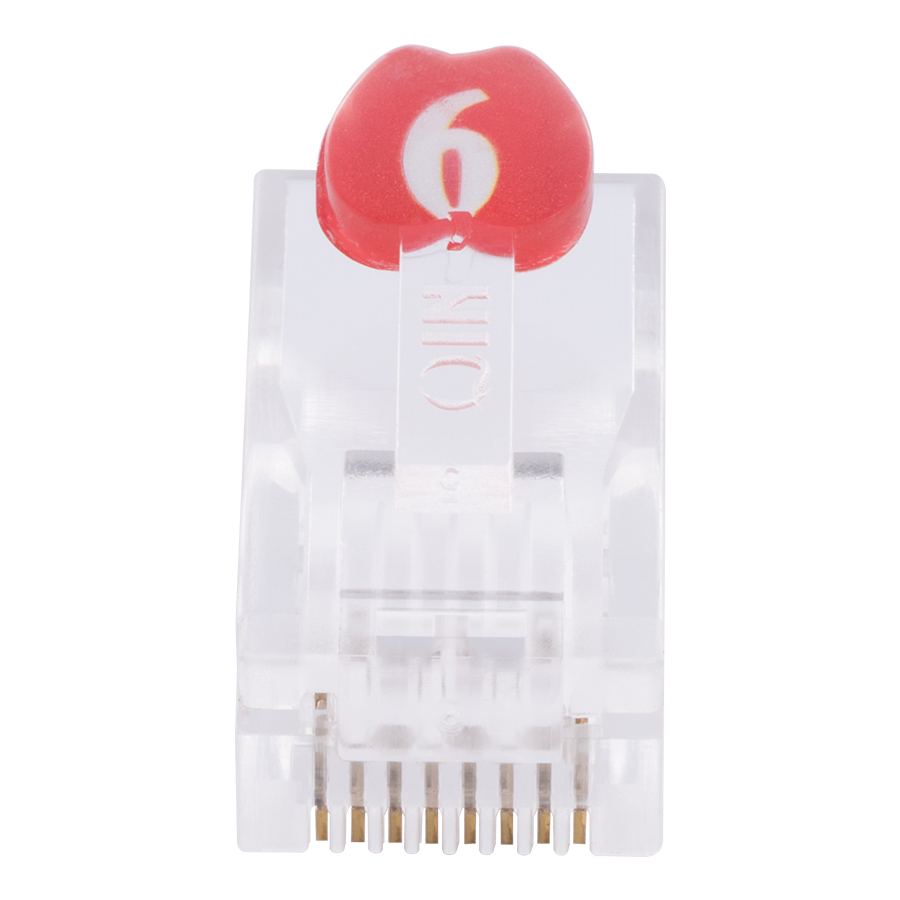
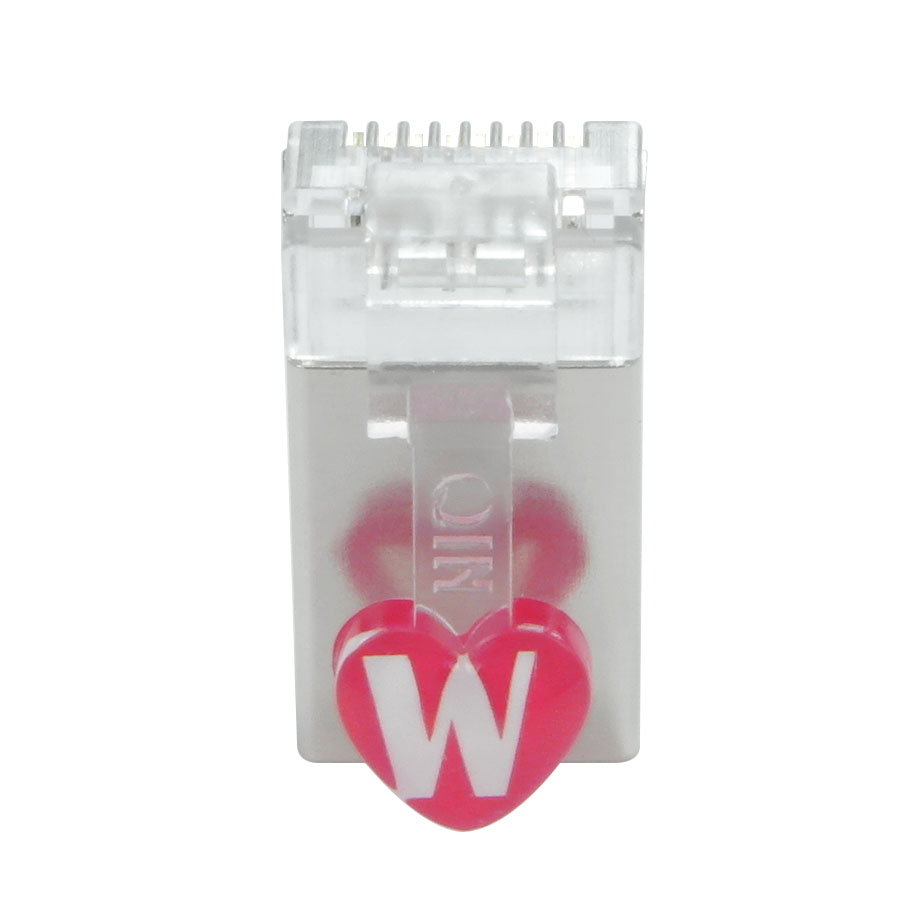
The unshielded type of RJ45 connector is a widely used component in Ethernet networking, offering simplicity, cost - effectiveness, and suitability for a variety of applications where electromagnetic interference (EMI) is not a significant concern. Unlike shielded RJ45 connectors, which are equipped with metallic shields to combat external EMI and crosstalk, unshielded connectors rely on the inherent design and construction of the cable and connector to ensure reliable data transmission.
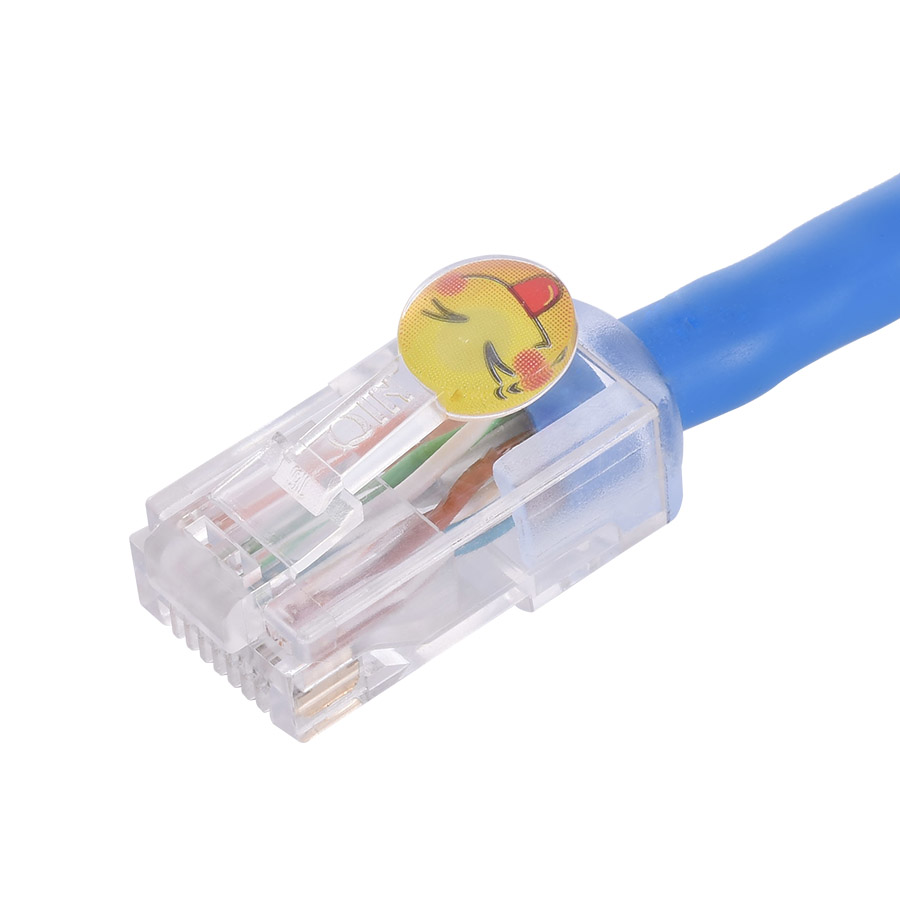
Unshielded RJ45 connectors are typically made of plastic housing that encases the internal pins. The pins are arranged in the standard eight - pin configuration, following either the T568A or T568B pinout standards, which are essential for proper data signal transmission. The absence of shielding means that these connectors are lighter in weight and more flexible compared to their shielded counterparts. This flexibility makes them easier to handle during installation, especially in tight spaces or when routing cables through complex pathways. For example, in residential networking environments where there is minimal electromagnetic noise from nearby electronic devices, unshielded RJ45 connectors can be used to connect devices such as computers, smart TVs, and gaming consoles to the local area network (LAN) without any significant issues related to interference.
The construction of unshielded RJ45 connectors focuses on providing a secure and stable connection between the cable and the network device. The pins are usually made of copper or a copper - alloy material, which offers good electrical conductivity. The plastic housing is designed to hold the pins firmly in place and protect them from physical damage. When crimped onto an Ethernet cable, the pins penetrate the insulation of the individual wires within the cable, creating a reliable electrical connection. However, it's important to note that in environments with high levels of electromagnetic interference, such as industrial settings with heavy machinery or near high - voltage power lines, the performance of unshielded RJ45 connectors may be compromised. In these cases, shielded connectors are often a more appropriate choice.
Despite their limitations in high - interference environments, unshielded RJ45 connectors have several advantages. They are generally more cost - effective to produce and purchase, making them an attractive option for budget - conscious network installations, such as small - scale home networks or small businesses. Additionally, the simplicity of unshielded connectors means that they require less specialized equipment and expertise for installation. Technicians or even DIY enthusiasts can easily terminate Ethernet cables with unshielded RJ45 connectors using basic crimping tools. Overall, the unshielded type of RJ45 connector plays a vital role in many networking scenarios, providing a reliable and affordable solution for establishing Ethernet connections in environments where EMI is not a major factor.
Read recommendations:
RJ45 Jack Dust Cover/180 Degree Cat5e RJ45 Keystone Jack With Dust Cover
-
-
-
-
-
-
-
-
-
-
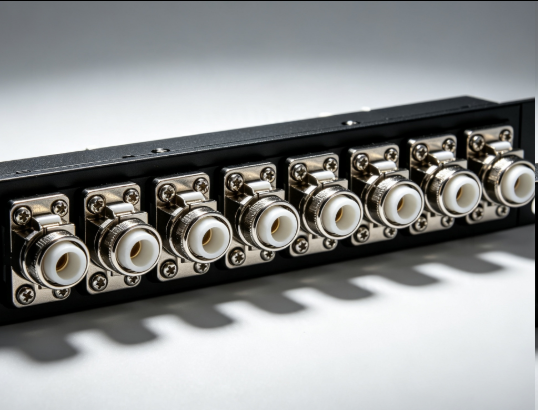
Flange Type Fixed Fiber Optic Adapter for Rack Panel
Sep 19, 2026955
-
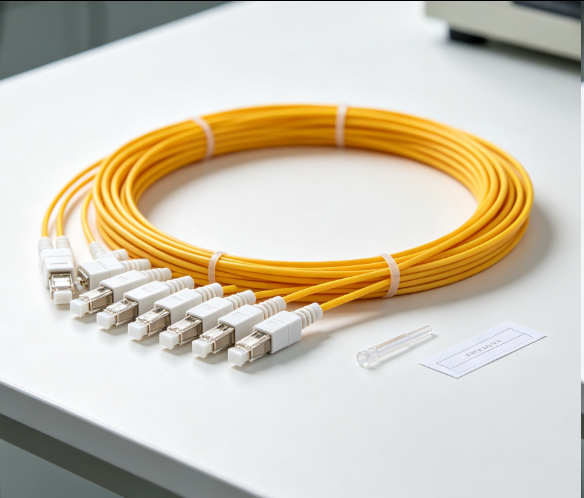
Fiber Pigtail 12 Cores SC UPC Single Mode
Sep 04, 2026930
-
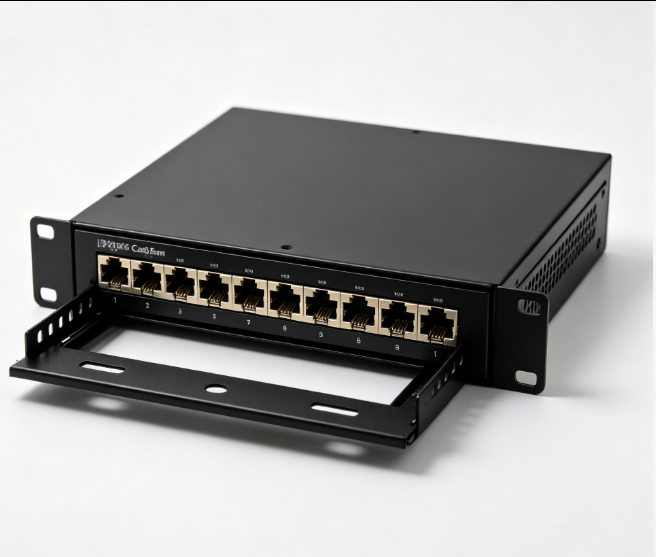
12 Port Cat6 Patch Panel Small Cabinet
Sep 12, 2026929
-
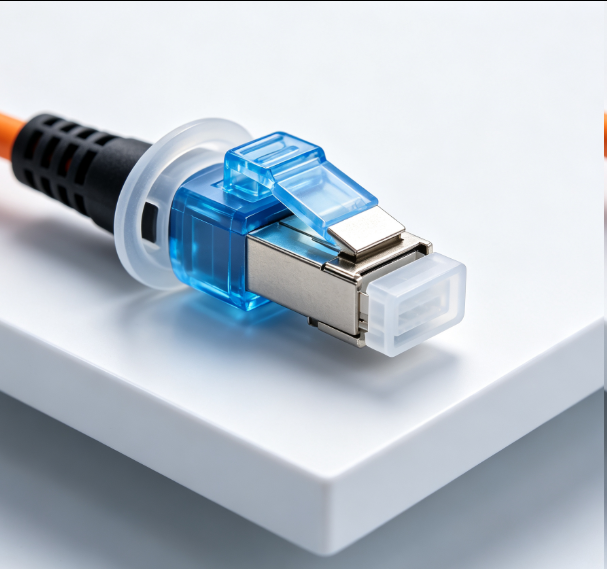
Dust Cap Equipped Fiber Patch Cable Protective
Sep 03, 2026929
-
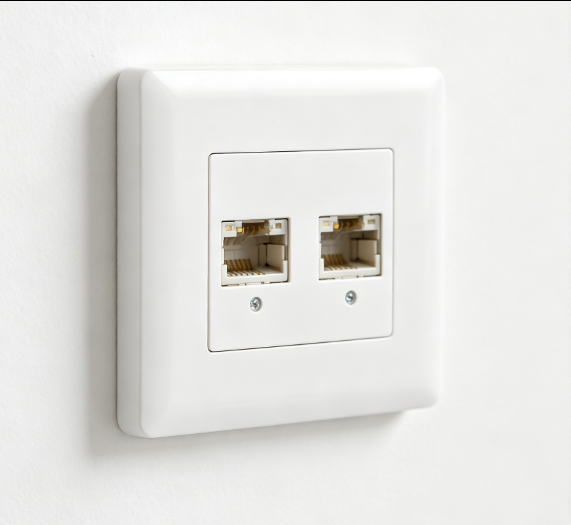
EU Standard Network Faceplate
Sep 11, 2026927