- Language
ST Fiber Adapter
The ST fiber adapter, also known as the Straight Tip fiber adapter, is a fundamental component in fiber optic communication systems, designed to provide a secure and precise connection between two ST fiber connectors. Developed alongside the ST connector by AT&T in the early 1980s, this adapter has stood the test of time and remains a staple in many legacy systems and industrial environments, thanks to its robust mechanical design and reliable performance. Unlike newer small-form-factor adapters, the ST fiber adapter is characterized by its compatibility with the bayonet twist-lock mechanism of ST connectors, ensuring a stable connection that resists accidental disconnection, even in harsh operating conditions.
At the core of the ST fiber adapter’s functionality is its precision alignment structure, which is critical for minimizing signal loss and maintaining optimal optical performance. The adapter features a 2.5mm ceramic sleeve (ferrule) that aligns the ceramic ferrules of the two mating ST connectors, ensuring accurate core-to-core contact between the fibers. This ceramic sleeve is precision-ground to meet strict dimensional tolerances, offering superior thermal stability, low friction, and excellent wear resistance—properties that enable consistent performance over thousands of mating cycles. High-quality ST fiber adapters typically use zirconia ceramic sleeves, which outperform metal or plastic alternatives in terms of durability and alignment accuracy.
In terms of design and construction, the ST fiber adapter is available in both single-mode and multimode configurations, catering to different transmission needs. It supports a wide range of fiber types, including single-mode (9/125μm) and multimode (50/125μm, 62.5/125μm) fibers, and is compatible with PC, UPC, and APC polishing types, with UPC versions offering return loss of ≥50dB and APC versions ≥60dB for enhanced signal purity. The adapter’s housing is commonly made of high-grade metal or engineering plastic, providing excellent mechanical strength, corrosion resistance, and protection against dust and environmental contaminants. Metal-housed ST adapters are particularly popular in industrial and outdoor applications, while plastic-housed versions are favored for indoor use due to their lighter weight and cost-effectiveness.
The ST fiber adapter is widely used in various scenarios, including legacy telecommunications networks, industrial control systems, (security monitoring) systems, and local area networks (LANs). It is especially well-suited for environments where vibration or movement could disrupt connections, as its bayonet lock mechanism provides high mechanical stability and easy visual confirmation of a secure connection. Additionally, the adapter is compatible with simplex and duplex ST connectors, making it versatile for both single-fiber and dual-fiber applications. When selecting an ST fiber adapter, key considerations include compliance with international standards such as IEC 61754-2 and CECC 86 115-801, insertion loss (typically ≤0.3dB), and durability (withstand ≥500 mating cycles). With its proven reliability and compatibility with legacy systems, the ST fiber adapter continues to play an important role in modern fiber optic networks, bridging the gap between older equipment and newer technologies.
Read recommendations:
Customized Punch Down Dual Idc 8P8C 90 Degree Utp Cat6 Rj45 Keystone Jack
Smart Switch Outlet 1 Way with Wireless APP Remote Control Compatible with Legrand Faceplate
Graffiti WiFi Circuit Breaker RMDZT-1PNL 63A (DJ)
-
-
-
-
-
-
-
-
-
-
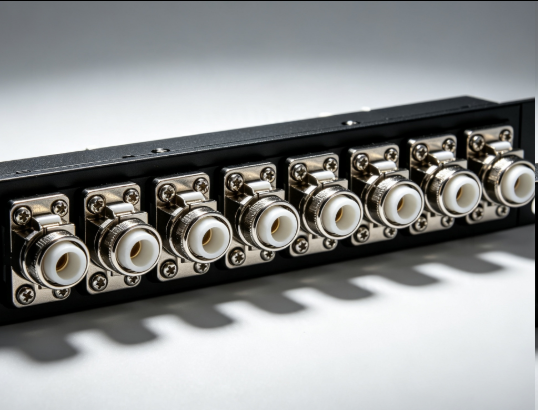
Flange Type Fixed Fiber Optic Adapter for Rack Panel
Sep 19, 2026955
-
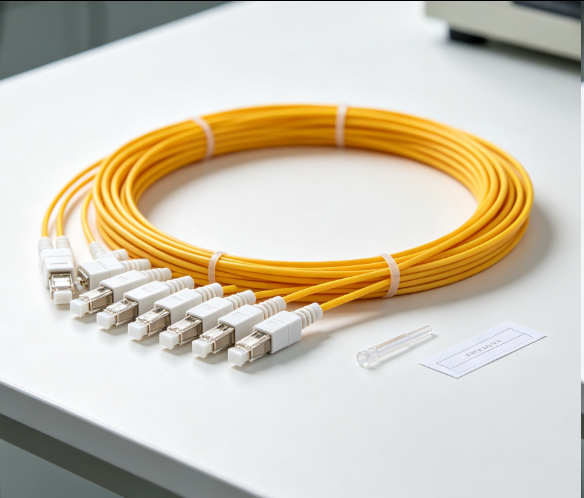
Fiber Pigtail 12 Cores SC UPC Single Mode
Sep 04, 2026930
-
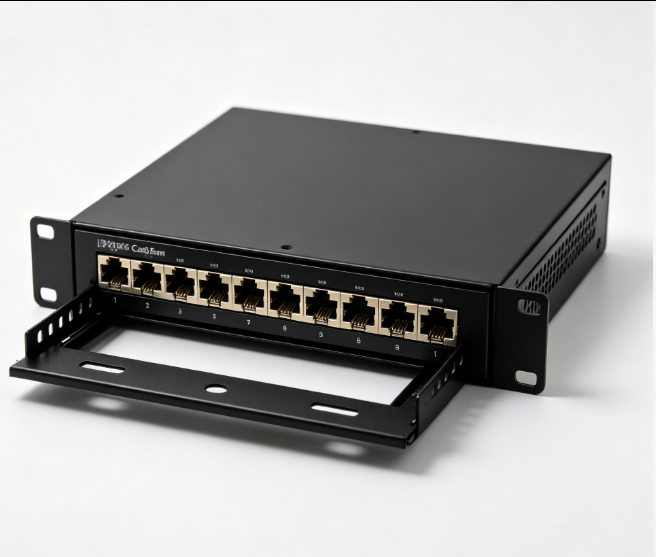
12 Port Cat6 Patch Panel Small Cabinet
Sep 12, 2026929
-
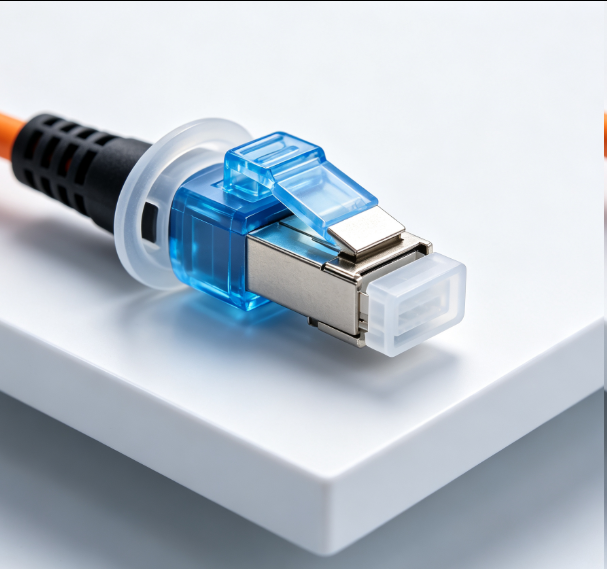
Dust Cap Equipped Fiber Patch Cable Protective
Sep 03, 2026929
-
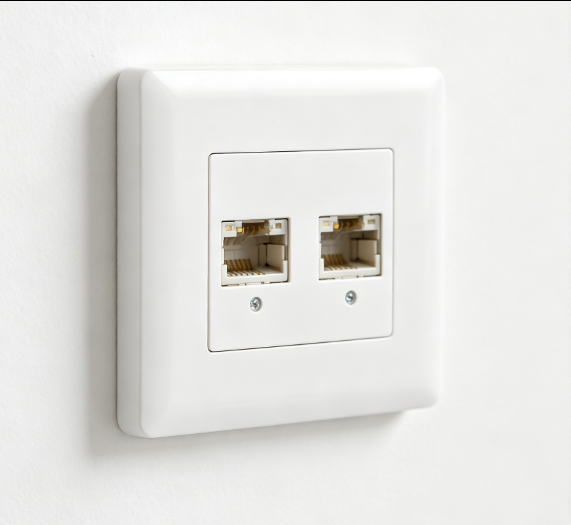
EU Standard Network Faceplate
Sep 11, 2026927