- Language
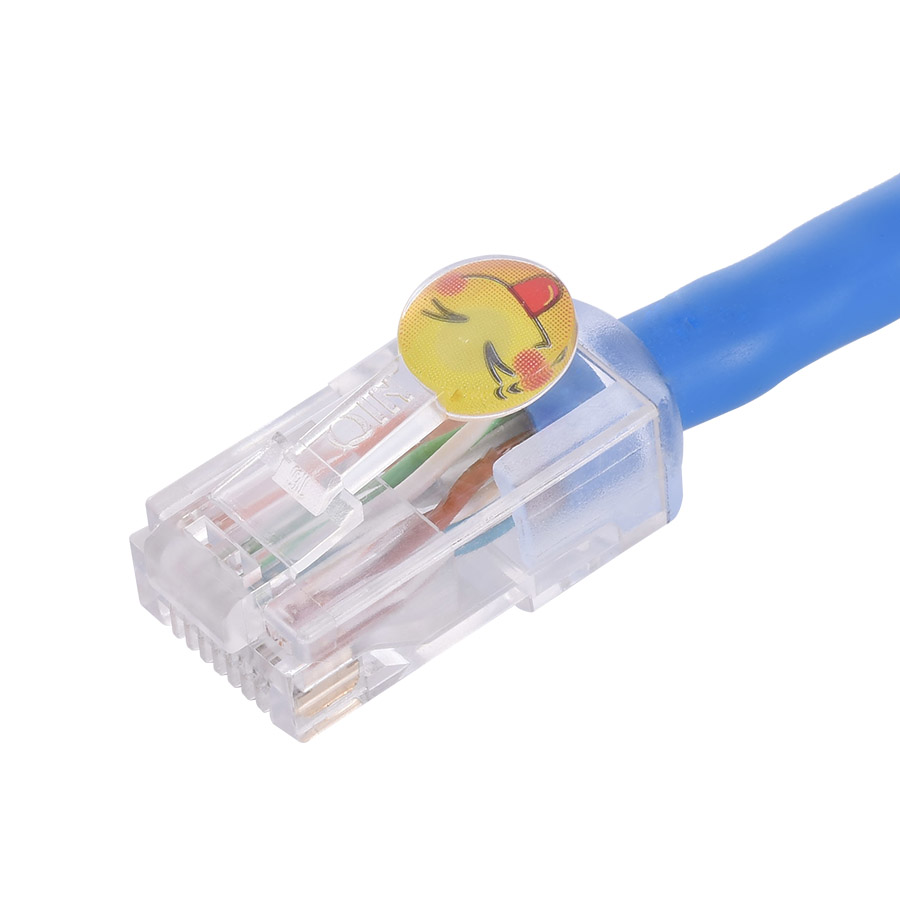
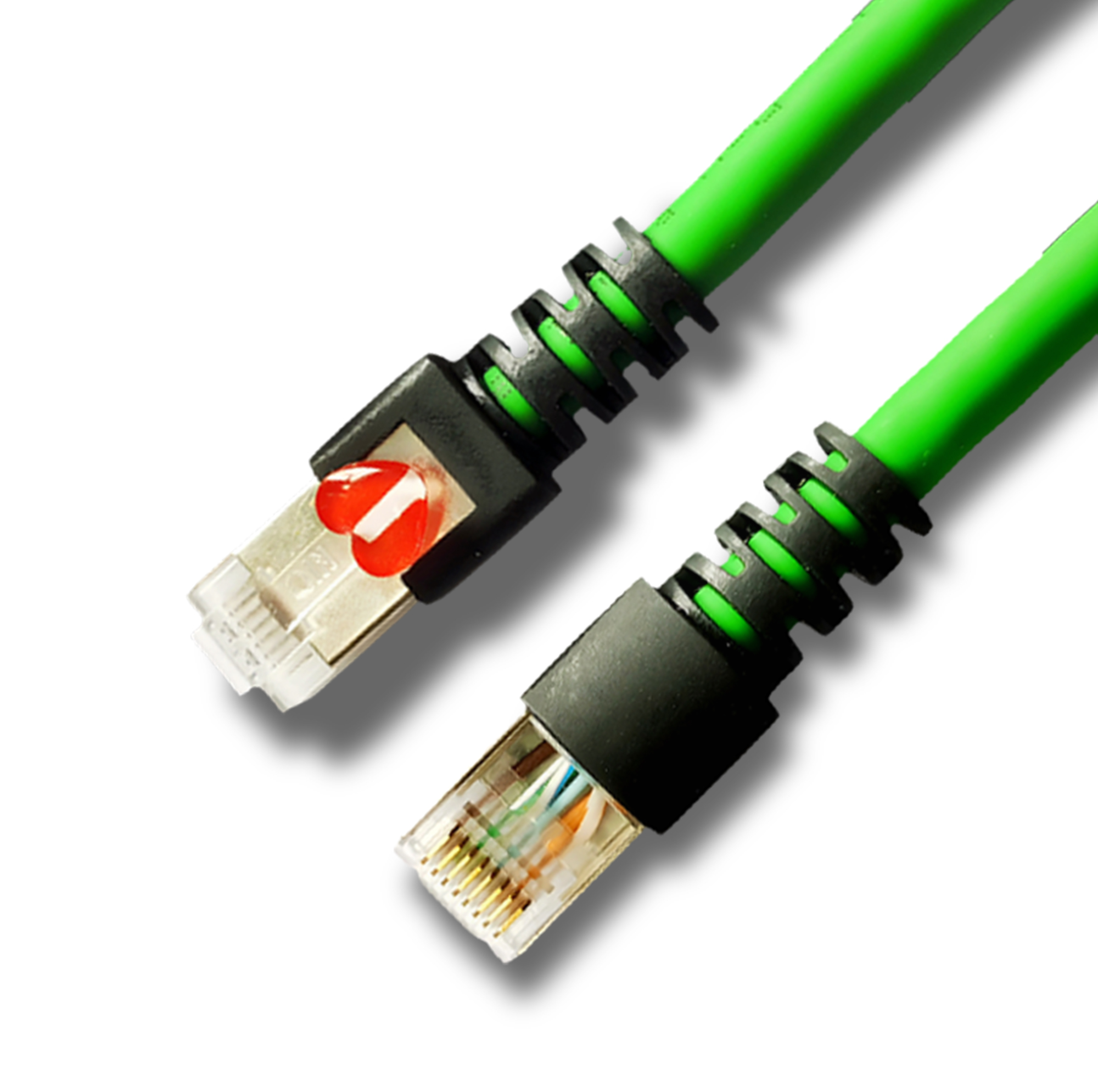
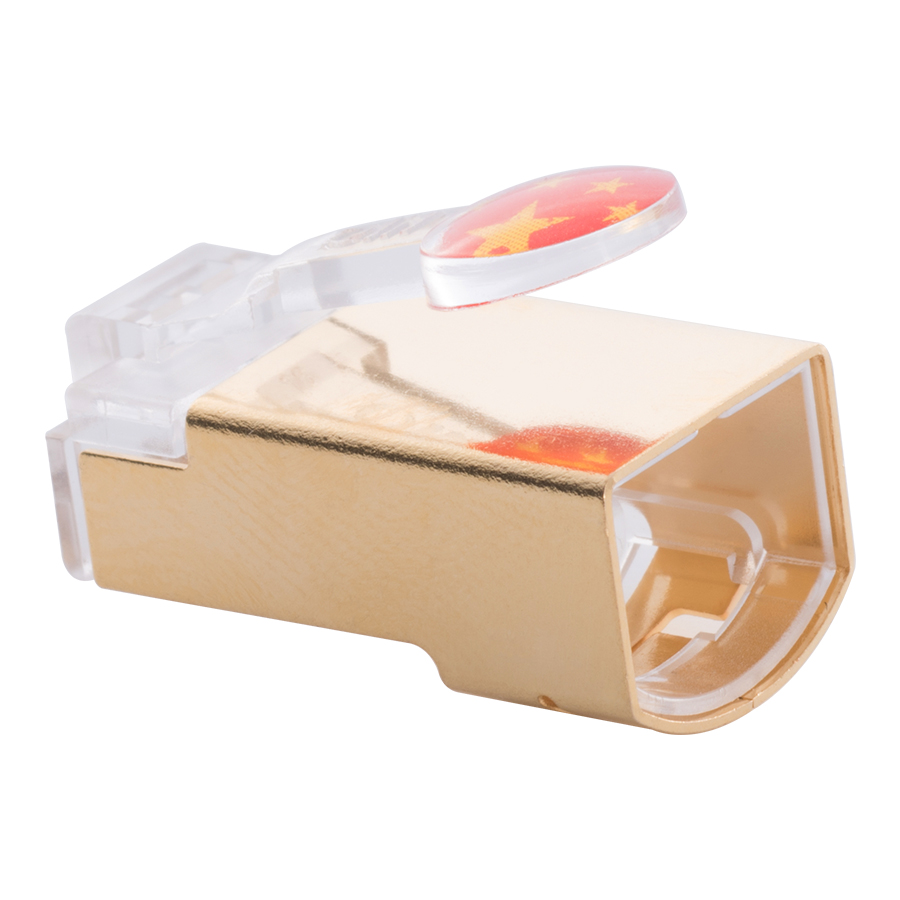
Shielded Cat8 Network Patch Cord

Shielded Cat8 network patch cords represent the cutting-edge of Ethernet cabling, combining robust shielding with the high-performance Cat8 standard to support ultra-fast data transmission in demanding environments. The Cat8 standard, defined by IEEE, is designed for 25/40 Gigabit Ethernet (25GBASE-T/40GBASE-T) over distances up to 30 meters, making it ideal for high-density data centers and enterprise networks where speed and signal integrity are paramount. What sets shielded Cat8 cords apart is their shielding design—typically a braided metal layer (often tinned copper) or a combination of foil and braided shielding—wrapped around the four twisted wire pairs, plus individual shielding for each pair in some variants. This multi-layer shielding provides exceptional protection against electromagnetic interference (EMI) and crosstalk, critical for maintaining signal quality at the high frequencies (up to 2 GHz) Cat8 operates on.
The structure of a shielded Cat8 cord includes four twisted pairs (with tighter twists than lower categories to reduce crosstalk), a thick metallic shield (covering 90%+ of the wire bundle), a drain wire for grounding, and a rugged outer jacket (usually LSZH—Low Smoke Zero Halogen—to meet fire safety standards in data centers). The shielding not only blocks external EMI from sources like server racks, power distribution units, and nearby cables but also contains internal signal leakage, ensuring that the high-speed signals (up to 40 Gbps) do not interfere with other network components.
Shielded Cat8 cords are primarily used in data centers for connecting top-of-rack (ToR) switches to servers, storage area networks (SANs), and other high-bandwidth devices. They are also suitable for enterprise environments with high-performance needs, such as video conferencing systems, cloud computing infrastructure, and AI/ML servers that require constant, high-speed data transfer. Unlike lower-category cords, shielded Cat8 has strict installation requirements: the shield must be properly grounded at both ends (using the drain wire connected to metal connectors and a common ground point) to avoid ground loops, which can introduce noise and degrade performance. The cords are also thicker and less flexible than Cat6 or Cat6a, requiring careful routing to prevent excessive bending that could damage the shield or the internal wires.
While shielded Cat8 is more expensive than lower categories, its ability to support 40 Gbps speeds and resist EMI makes it a future-proof investment for organizations looking to scale their network infrastructure. When selecting shielded Cat8 cords, it is important to choose products that meet ANSI/TIA-568-C.2 standards, ensuring compatibility with existing network equipment and reliable performance.
Read recommendations:
Shenzhen Qin Cat6/cat6a FTP Shielded Zinc Keystone Modular Jack
LEG 77211 Socket Outlet Mosaic German Std 2P+E Auto term - 2 Mod - White Antimicrobial
Apple HomeKit dual-mode wired graffiti Zigbee gateway
-
-
-
-
-
-
-
-
-
-
Flange Type Fixed Fiber Optic Adapter for Rack Panel
Sep 19, 2026956
-
Fiber Pigtail 12 Cores SC UPC Single Mode
Sep 04, 2026930
-
12 Port Cat6 Patch Panel Small Cabinet
Sep 12, 2026929
-
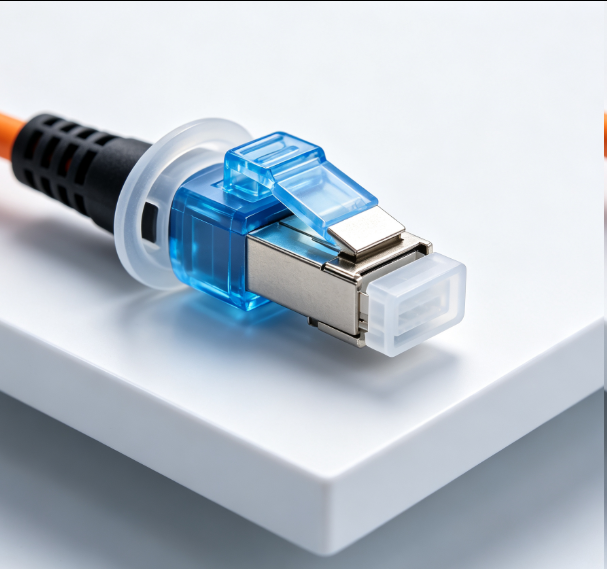
Dust Cap Equipped Fiber Patch Cable Protective
Sep 03, 2026929
-
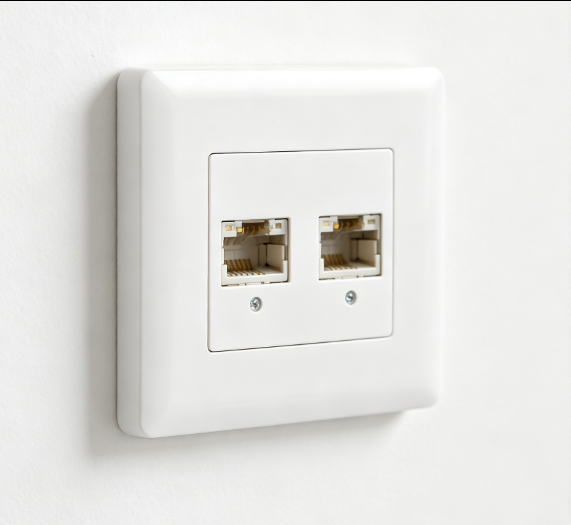
EU Standard Network Faceplate
Sep 11, 2026927