- Language
ADSS Outdoor Optical Fiber Cable
ADSS (All-Dielectric Self-supporting) outdoor optical fiber cable is a specialized variant of ADSS cable designed specifically to withstand the harsh conditions of outdoor environments, combining the self-supporting and all-dielectric advantages of standard ADSS cables with enhanced protection against extreme weather, UV radiation, moisture, and physical damage. Unlike indoor fiber cables, ADSS outdoor cables are engineered to endure temperature fluctuations (from -40°C to 85°C), heavy rain, snow, ice, strong winds, and UV exposure, making them suitable for aerial deployment in rural, suburban, and industrial areas, as well as along power transmission lines and utility corridors. They are widely used in power grid communications, outdoor telecom networks, railway and highway monitoring systems, and rural broadband deployments, where reliable performance in harsh outdoor conditions is critical.
The design of ADSS outdoor optical fiber cables focuses on durability and environmental resistance. The outer sheath is typically made of high-quality PE (Polyethylene) or AT (Anti-Tracking) PE, which provides excellent resistance to UV radiation, moisture, and abrasion. AT PE sheath is specifically designed to resist corrosion caused by the electric field near high-voltage power lines, a common issue in outdoor power utility deployments. The internal structure includes water-blocking components such as water-blocking ointment in the buffer tubes and water-blocking yarns in the cable core, preventing moisture ingress that can degrade fiber performance over time. The non-metallic strength members (aramid yarns or GRP) provide high tensile strength, allowing the cable to withstand wind loads, ice loads, and its own weight over long spans (up to 700 meters), eliminating the need for additional support structures.
In addition to their environmental resistance, ADSS outdoor cables maintain excellent optical performance, supporting high-speed data transmission over long distances. They are available in single-mode and multimode variants, with single-mode cables being the most common for outdoor long-haul applications, operating at 1310 nm and 1550 nm wavelengths to minimize signal loss. The cables can be configured with various fiber counts (from 12 to 864 fibers), making them flexible for different network capacity requirements. Installation of ADSS outdoor cables is simplified by their self-supporting design, allowing direct attachment to power poles or transmission towers using specialized clamps and suspension kits, without the need for grounding or additional messenger wires. This not only reduces installation time and costs but also minimizes disruption to existing infrastructure. With their robust construction, environmental resistance, and reliable performance, ADSS outdoor optical fiber cables are an essential component of modern outdoor fiber optic networks, ensuring seamless connectivity even in the harshest outdoor conditions.
-
-
-
-
-
-
-
-
-
-
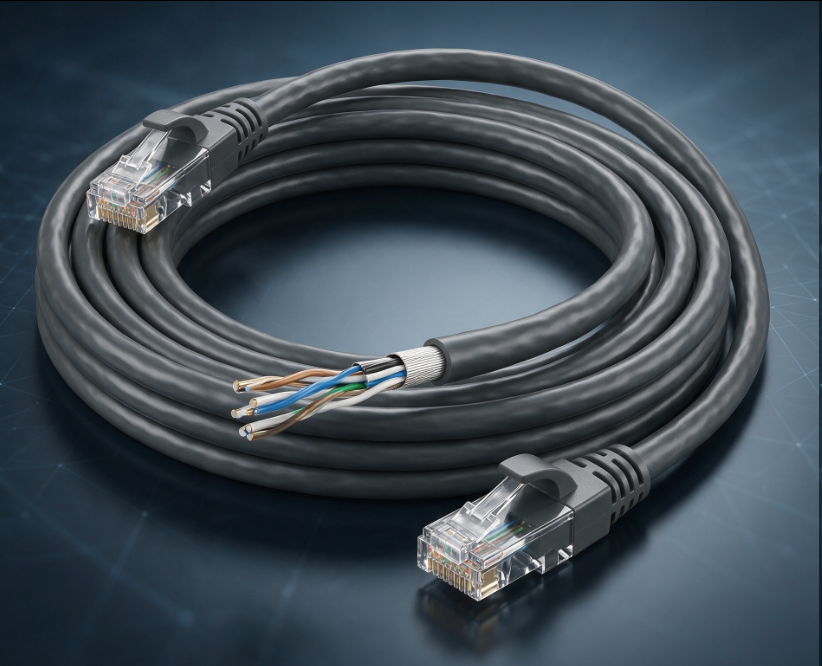
CAT6 Ethernet Gigabit Cable
Aug 15, 2026907
-

Media Converter Network Patch Cord
Jun 27, 2026906
-
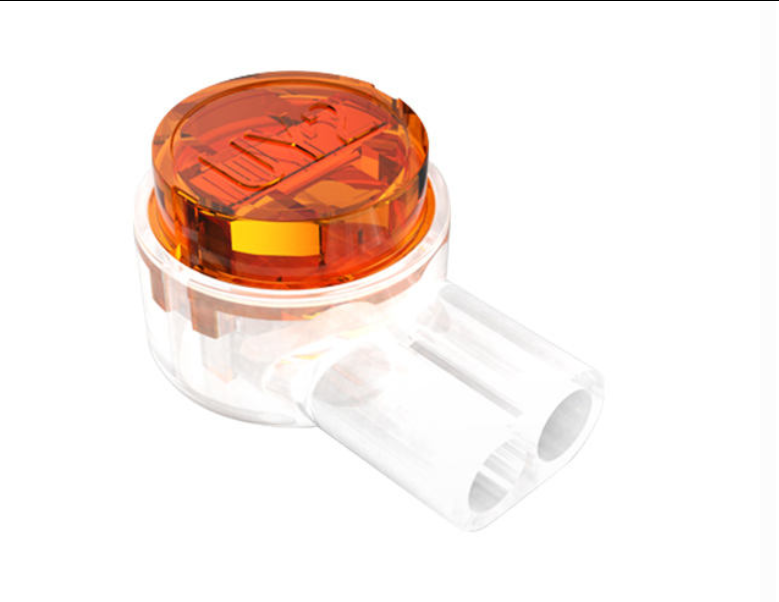
UY2 Connector for Telephone Wire
Jul 08, 2026897
-
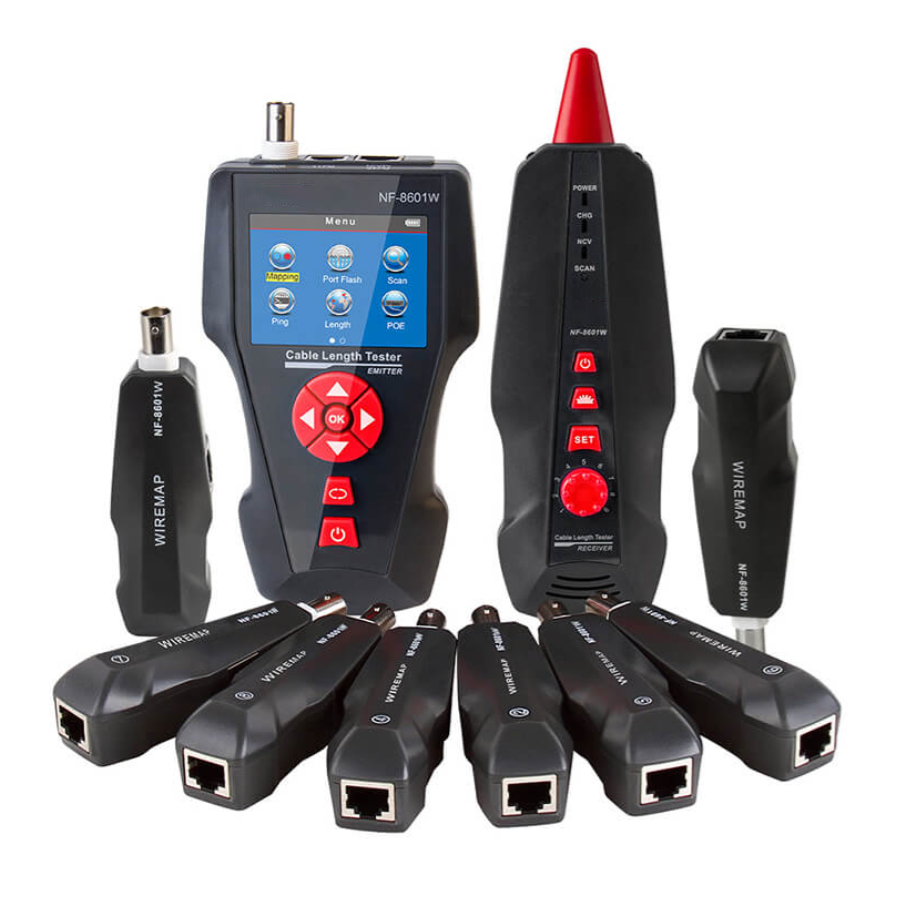
Network Cable Bandwidth Capacity
Jul 06, 2026897
-
Flame Retardant Cat7 Boot Cover
Jul 14, 2026888