- Language
ADSS Self-supporting Optical Fiber Cable
ADSS (All-Dielectric Self-supporting) optical fiber cable is a specialized type of fiber optic cable designed to support its own weight and external loads without relying on conductive metal elements or additional support structures such as messenger wires. The term “all-dielectric” refers to the absence of any metallic components (such as steel wires or copper conductors) in its construction, making it electrically insulating and ideal for deployment in high-voltage power environments, while “self-supporting” means the cable’s internal reinforcement can withstand its own weight, wind, ice, and other environmental loads, allowing it to be installed directly between support structures such as power poles or transmission towers. First widely adopted in the 1990s for power utility networks, ADSS cables have become a preferred choice for power grid communications, telecom expansions, and rural connectivity due to their unique combination of safety, reliability, and cost-effectiveness.
The structure of ADSS cables is engineered to balance mechanical strength and optical performance. They are typically available in two main designs: central tube and layered twist (SZ layer). The central tube design is compact and cost-effective, suitable for short to medium spans (50–150 meters) and low to medium fiber counts (12–48 cores), featuring a single PBT (polybutylene terephthalate) buffer tube filled with water-blocking ointment to protect internal fibers from moisture. The layered twist design, on the other hand, uses multiple buffer tubes surrounding a central strength member, making it suitable for longer spans (up to 700 meters) and higher fiber counts (up to 864 fibers). Both designs use non-metallic strength members such as aramid fiber yarns or glass-reinforced plastic (GRP) to provide tensile strength, while the outer sheath (usually PE or AT PE) protects against UV radiation, moisture, and physical damage.
ADSS cables offer several key advantages over traditional aerial fiber cables. Their all-dielectric construction eliminates the risk of short circuits or interference when deployed near high-voltage power lines (110 kV to 500 kV), and they do not require grounding, simplifying installation and reducing costs. They are lightweight and small in diameter, reducing the load on support structures, and their flexibility and resistance to corrosion make them suitable for a wide range of environmental conditions. Using single-mode fibers and operating at wavelengths of 1310 or 1550 nanometers, ADSS cables can support circuits up to 100 km long without repeaters, making them ideal for long-haul communications. Whether used by power utility companies to enhance their communication systems or by telecom providers to expand broadband access in rural areas, ADSS self-supporting optical fiber cables provide a reliable, cost-effective solution for aerial fiber infrastructure.
-
-
-
-
-
-
-
-
-
-
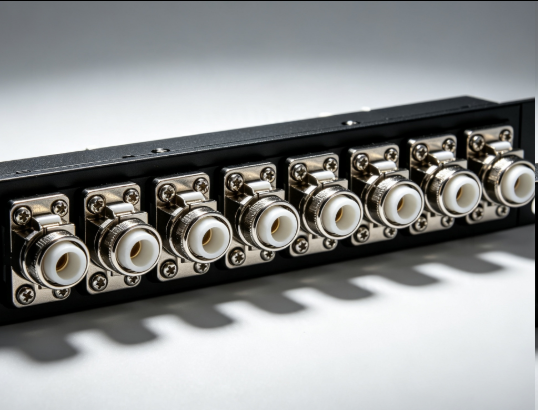
Flange Type Fixed Fiber Optic Adapter for Rack Panel
Sep 19, 2026955
-
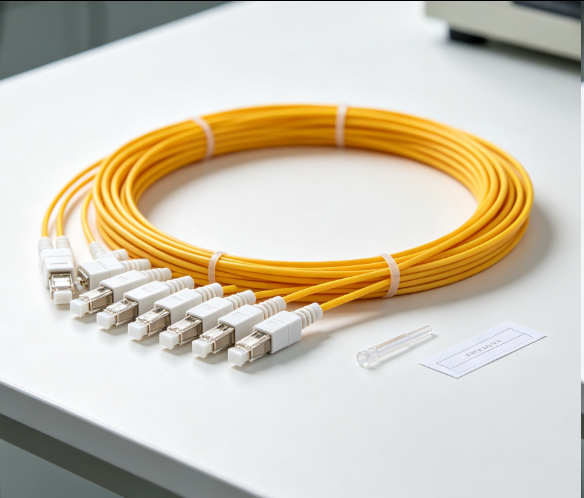
Fiber Pigtail 12 Cores SC UPC Single Mode
Sep 04, 2026930
-
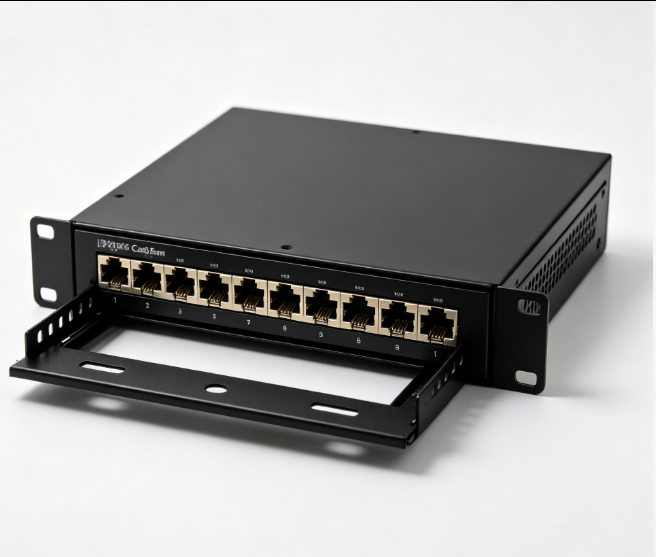
12 Port Cat6 Patch Panel Small Cabinet
Sep 12, 2026929
-
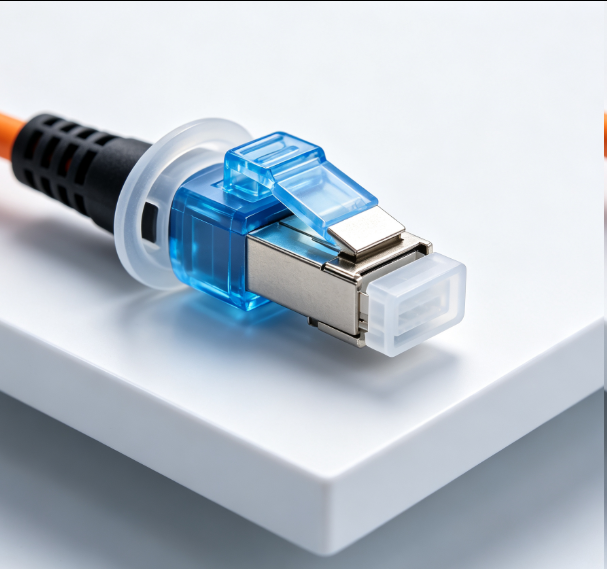
Dust Cap Equipped Fiber Patch Cable Protective
Sep 03, 2026929
-
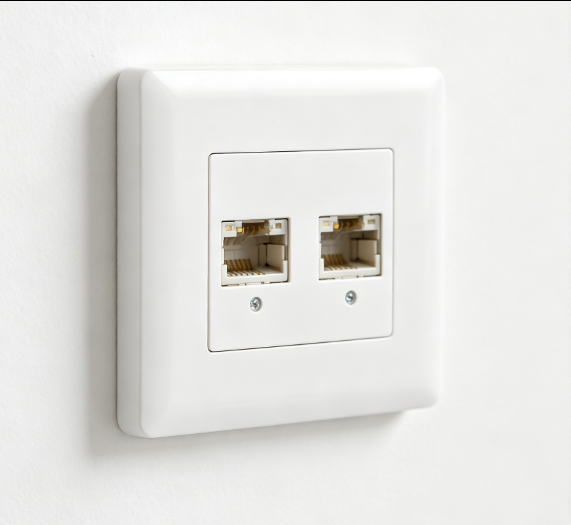
EU Standard Network Faceplate
Sep 11, 2026927