- Language
CAT6 FTP Crossover Network Cable
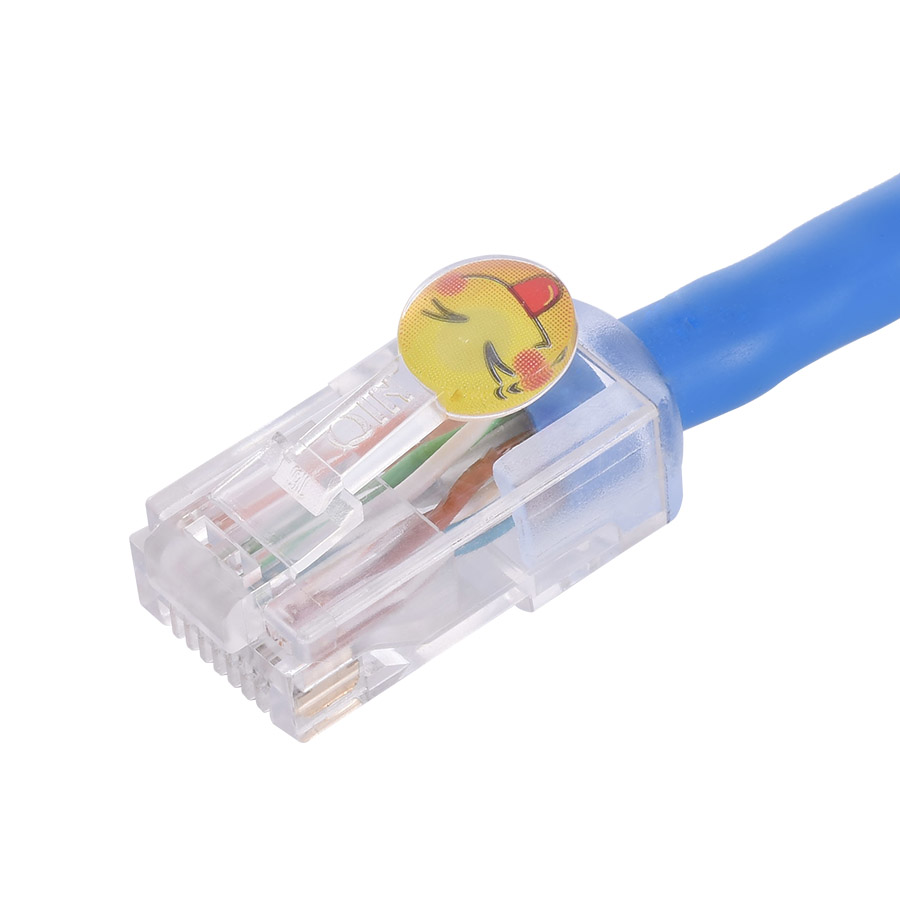
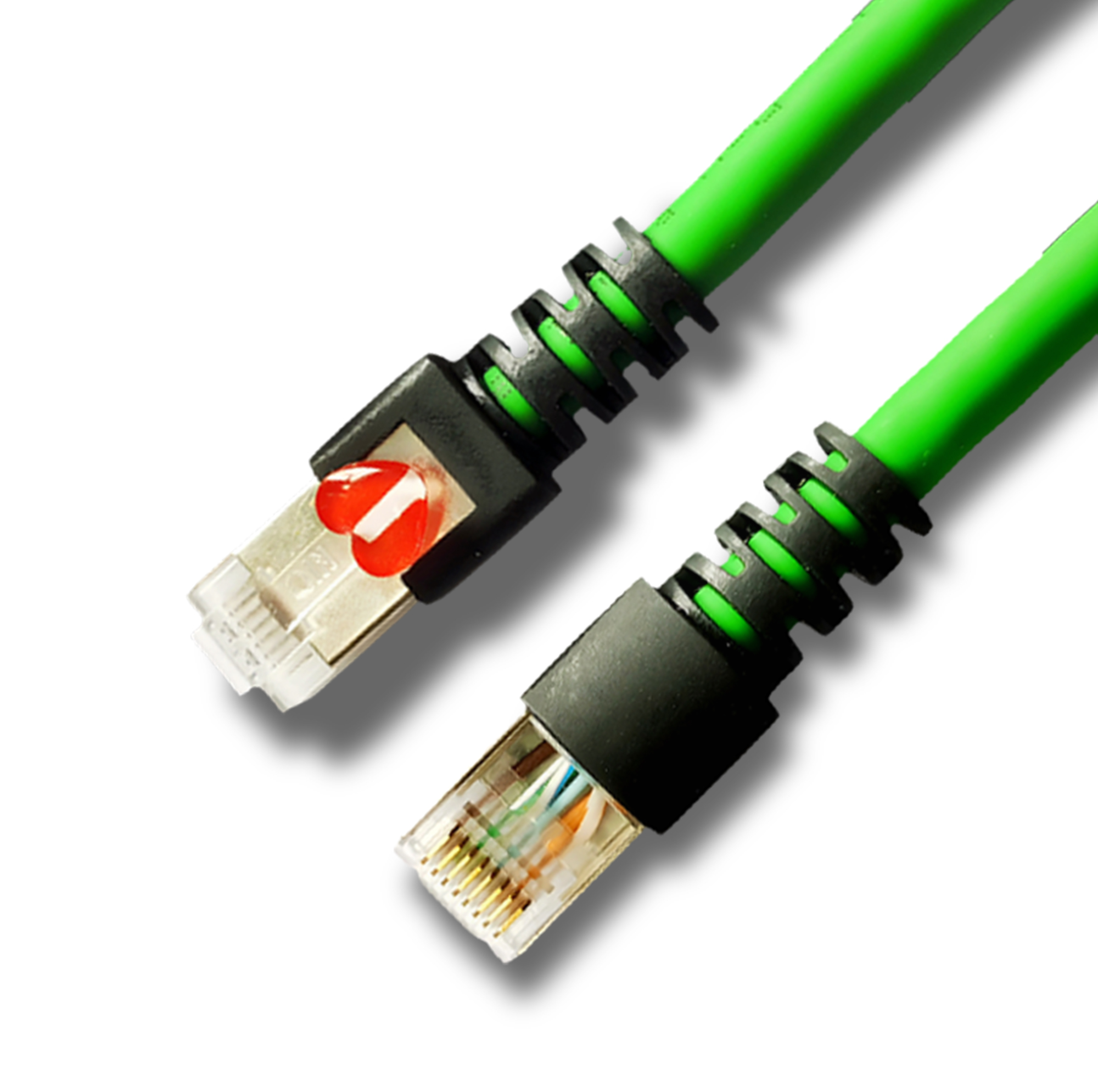
The CAT6 FTP Crossover Network Cable is a professional shielded network cable customized for direct device-to-device network connection scenarios. Based on the standard CAT6 FTP cable performance foundation, it adopts a unique internal wire sequence crossover wiring design, breaking the limitation that ordinary straight-through network cables can only realize network transmission through switches and routers. This crossover cable realizes direct data interconnection between two identical network devices without intermediate switching equipment, which greatly simplifies the network connection process and improves the convenience of short-distance device networking.
In terms of performance and shielding, this product inherits the excellent shielding performance of FTP cables. The overall aluminum foil integral shielding structure can effectively resist electromagnetic interference from power lines, electrical equipment and industrial equipment in the environment, ensuring that the signal will not be distorted or lost during direct device transmission. It still maintains 250MHz high bandwidth and stable 1000Mbps gigabit transmission capacity, supporting high-speed data transmission, file sharing and signal synchronization between devices. The high-purity solid copper conductor ensures low resistance and low signal attenuation, realizing efficient and lossless data transmission in short-distance connection scenarios.
The wire sequence of the CAT6 FTP crossover cable strictly follows the T568A-T568B international crossover standard, with accurate wire sequence arrangement and stable connection performance, avoiding network disconnection and signal instability caused by wrong wire sequence. The flexible and wear-resistant outer sheath is suitable for frequent plugging and unplugging and mobile use, and can adapt to complex use environments such as computer room debugging, equipment testing and on-site network deployment. It is mainly used for direct connection between computers and computers, switches and switches, servers and workstations, and is widely used in network engineering debugging, small temporary network building, equipment data migration and other scenarios, becoming an essential auxiliary cable for network maintenance and short-distance interconnection.
-
-
-
-
-
-
-
-
-
-
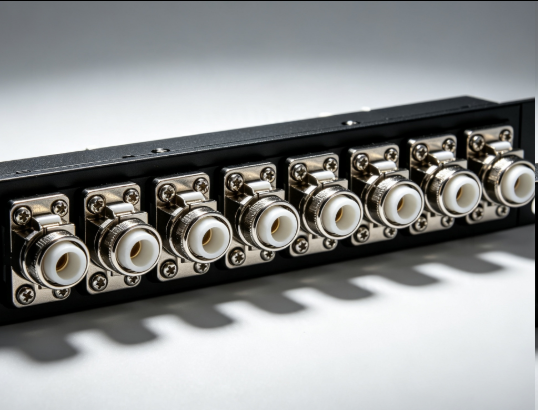
Flange Type Fixed Fiber Optic Adapter for Rack Panel
Sep 19, 2026956
-
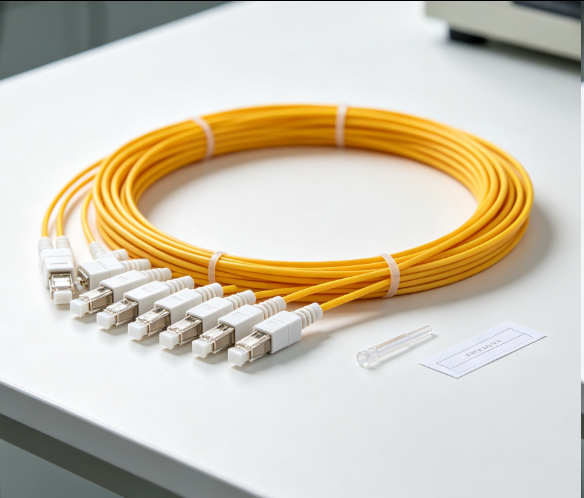
Fiber Pigtail 12 Cores SC UPC Single Mode
Sep 04, 2026930
-
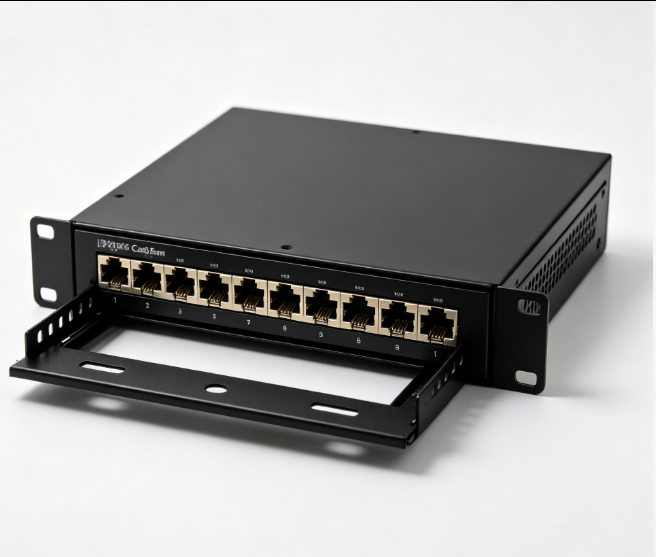
12 Port Cat6 Patch Panel Small Cabinet
Sep 12, 2026929
-
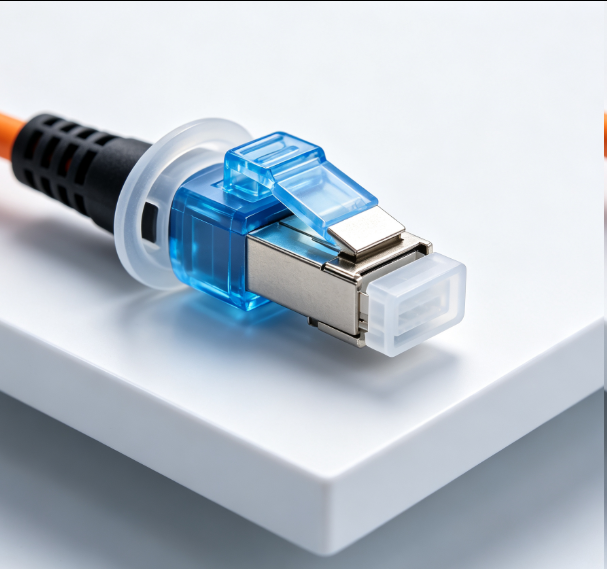
Dust Cap Equipped Fiber Patch Cable Protective
Sep 03, 2026929
-
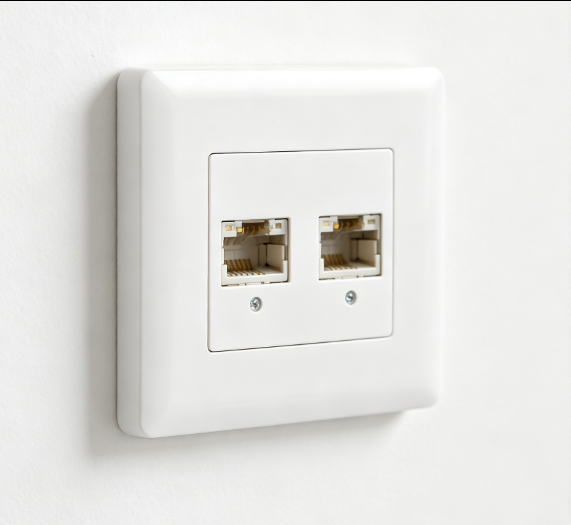
EU Standard Network Faceplate
Sep 11, 2026927