- Language
CAT6 Single-Shielded Network Cable
The CAT6 single-shielded network cable, also known as F/UTP CAT6 cable, is an upgraded version of the CAT6 UTP cable, featuring an additional aluminum foil shielding layer around the 4-pair twisted core wires. This shielding layer effectively blocks external electromagnetic interference (EMI) and radio frequency interference (RFI), ensuring stable signal transmission in high-interference environments. It complies with the same international standards as CAT6 UTP cables, with a transmission bandwidth of 250MHz, supporting a maximum transmission rate of 1000Mbps at full length and 10Gbps within 55 meters, while solving the problem of signal degradation caused by interference in complex environments. The cable is widely used in environments with high electromagnetic interference, such as industrial workshops, data centers, server rooms, airports, and internet cafes, where it can maintain excellent signal integrity and transmission stability.
The core advantage of the CAT6 single-shielded network cable lies in its enhanced anti-interference performance, which is achieved through its unique structural design. The aluminum foil shielding layer wraps the entire bundle of 4-pair twisted wires, forming a closed shielding structure that can effectively isolate external electromagnetic signals from devices such as motors, fluorescent lights, and industrial equipment, as well as reduce crosstalk between adjacent cables. Compared with CAT6 UTP cables, it has better performance in terms of near-end crosstalk (NEXT) and power sum near-end crosstalk (PSNEXT), with the PSNEXT value reaching ≥42.0dB at 250MHz, ensuring that the signal is not distorted during transmission. The cable also retains the cross-shaped HDPE skeleton of the CAT6 UTP cable, which further stabilizes the twist pitch of the wire pairs and reduces internal crosstalk, achieving a balance between anti-interference performance and signal transmission quality.
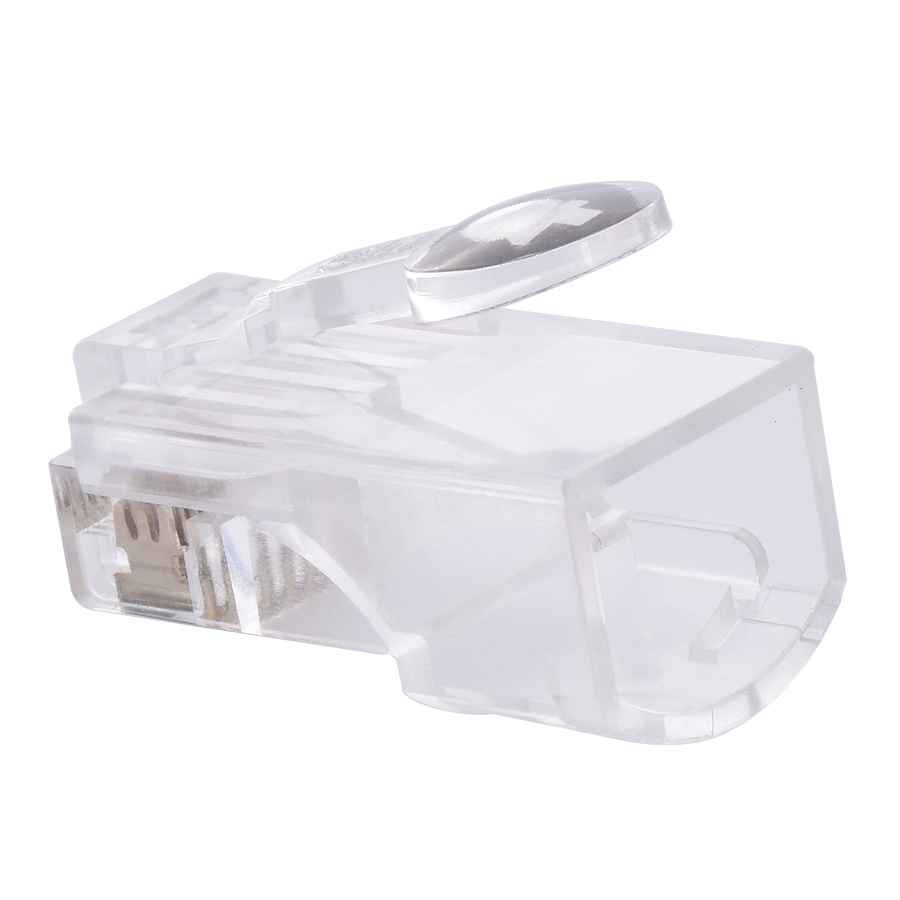
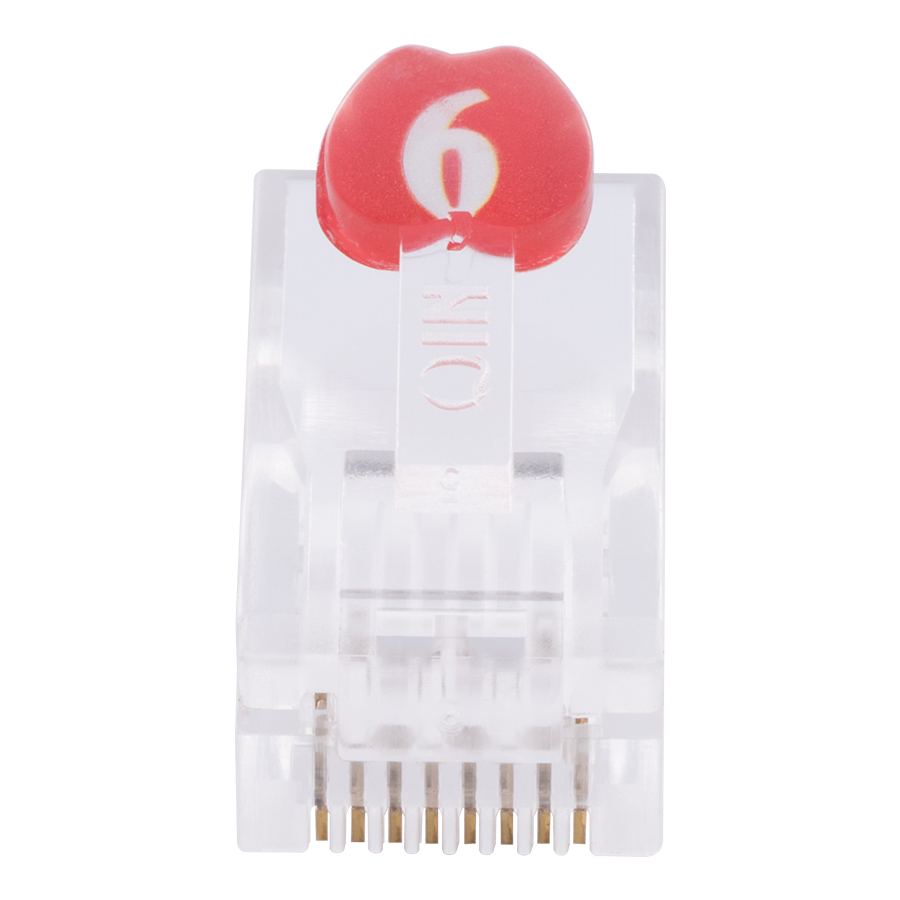
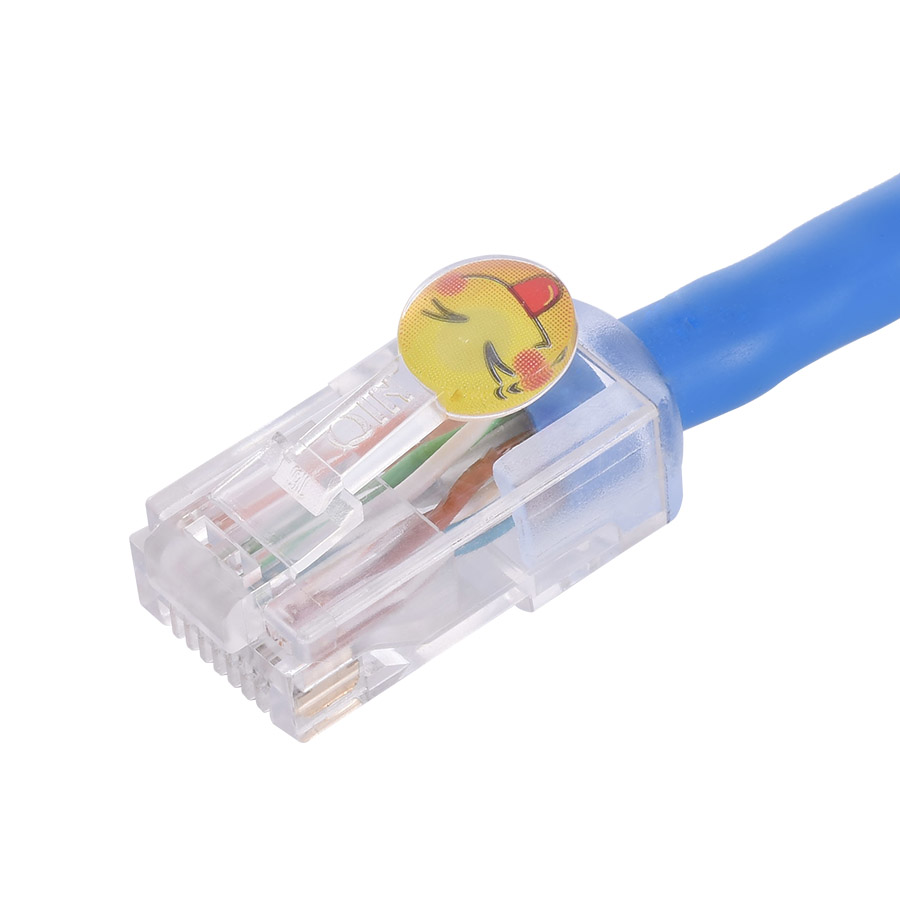
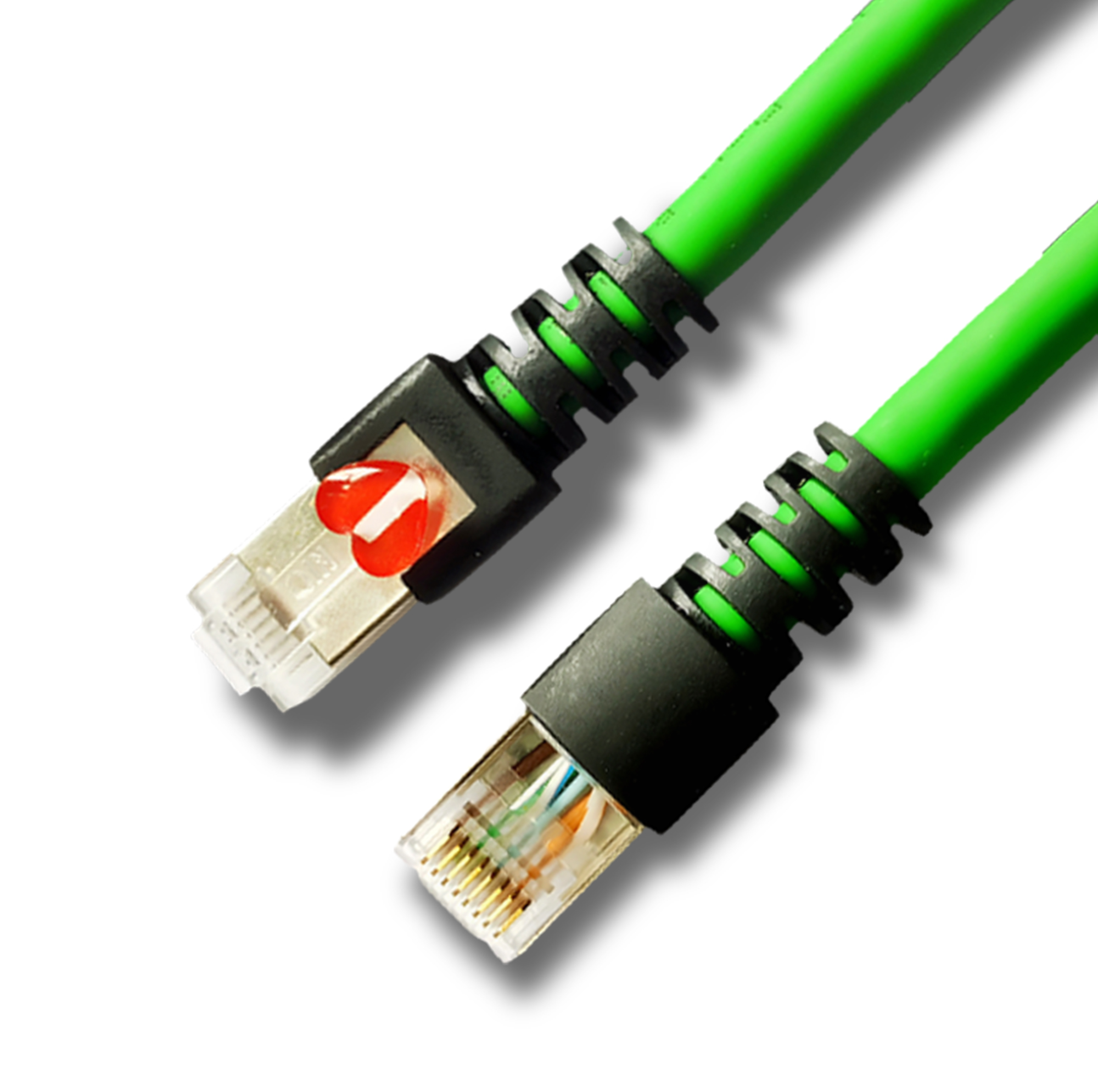
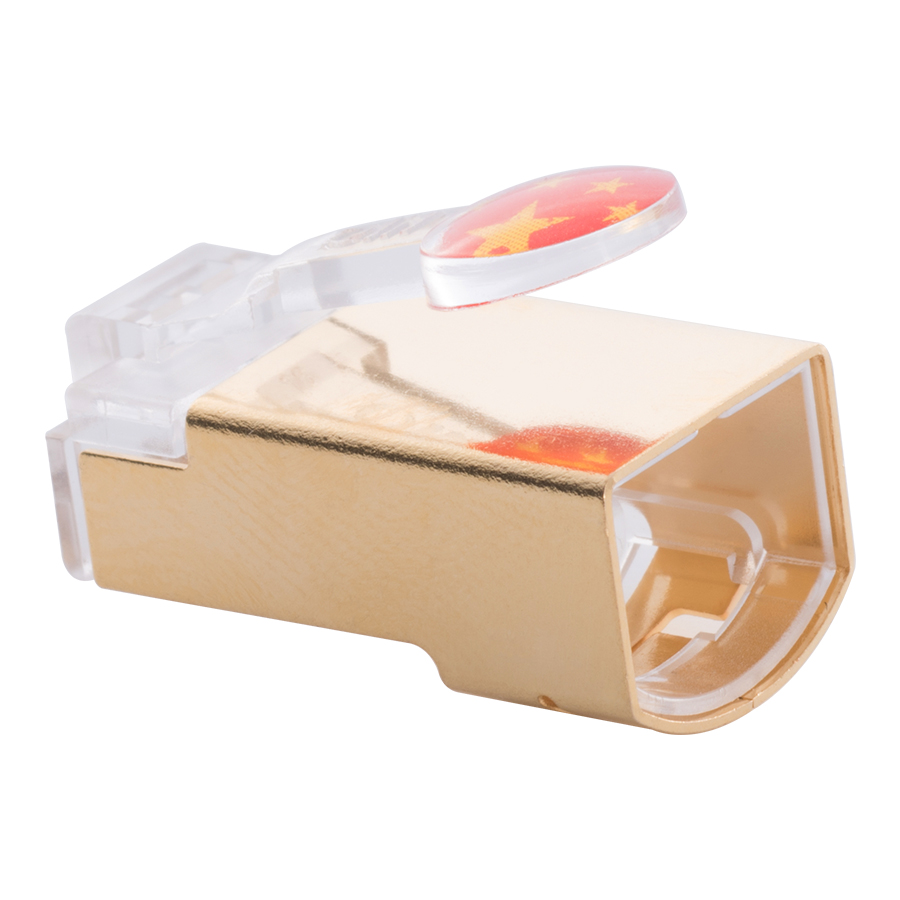
In terms of material and durability, the CAT6 single-shielded network cable is designed to meet the needs of harsh working environments. The conductors are made of 99.99% high-purity oxygen-free copper, with a wire gauge of AWG23, ensuring low resistance and excellent conductivity. The insulation layer is made of low-dielectric foam polyethylene, which has good insulation and low signal loss. The outer sheath is made of flame-retardant PVC or low-smoke halogen-free material, which is wear-resistant, corrosion-resistant, and flame-retardant, protecting the internal shielding layer and core wires from damage. The aluminum foil shielding layer is closely attached to the core wires, with good ductility, avoiding tearing during installation. The cable is equipped with high-quality RJ45 connectors, which are gold-plated to ensure stable contact and reduce signal loss. It should be noted that the single-shielded cable needs proper grounding during installation to maximize its anti-interference effect, otherwise, the shielding performance will be affected.
The CAT6 single-shielded network cable is suitable for a variety of high-demand network scenarios. In industrial environments, it can be used to connect industrial control equipment, sensors, and production lines, resisting interference from industrial machinery and ensuring stable data transmission for production control. In data centers and server rooms, it is used for connecting servers, switches, and storage devices, supporting high-speed data exchange and ensuring the stable operation of the data center. In public places such as airports and internet cafes, where there are many electronic devices and strong electromagnetic interference, the single-shielded cable can ensure the stability of the network and provide a smooth internet experience for users. Compared with double-shielded cables, it is more cost-effective, lighter, and easier to install, making it an ideal choice for scenarios that require anti-interference performance but have limited installation space and budget.
-
-
-
-
-
-
-
-
-
-
Flange Type Fixed Fiber Optic Adapter for Rack Panel
Sep 19, 2026955
-
Fiber Pigtail 12 Cores SC UPC Single Mode
Sep 04, 2026930
-
12 Port Cat6 Patch Panel Small Cabinet
Sep 12, 2026929
-
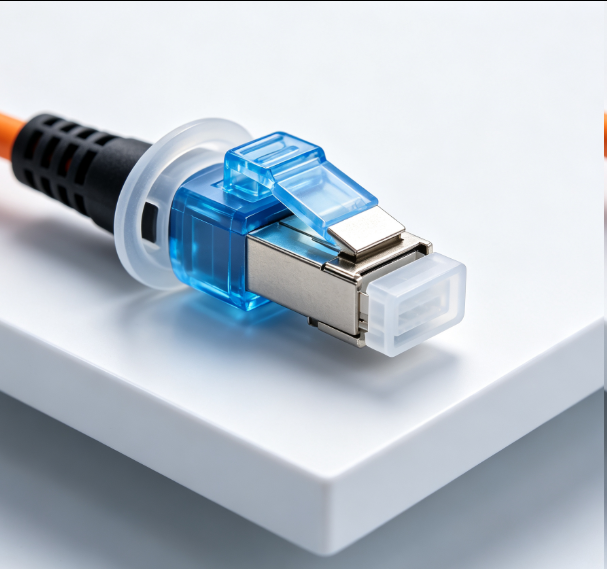
Dust Cap Equipped Fiber Patch Cable Protective
Sep 03, 2026929
-
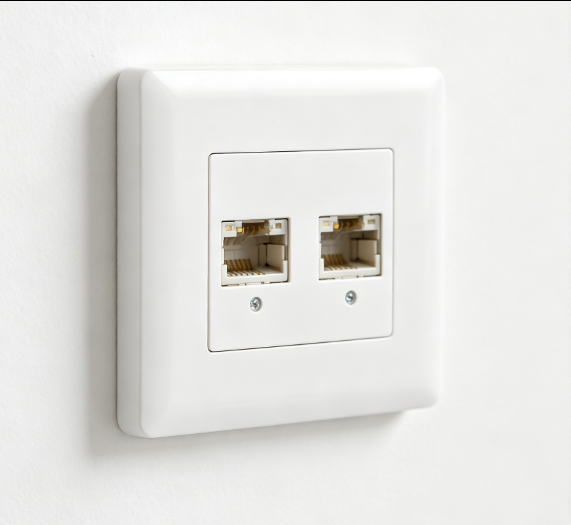
EU Standard Network Faceplate
Sep 11, 2026927