- Language
CAT6 UTP Straight-Through Cable
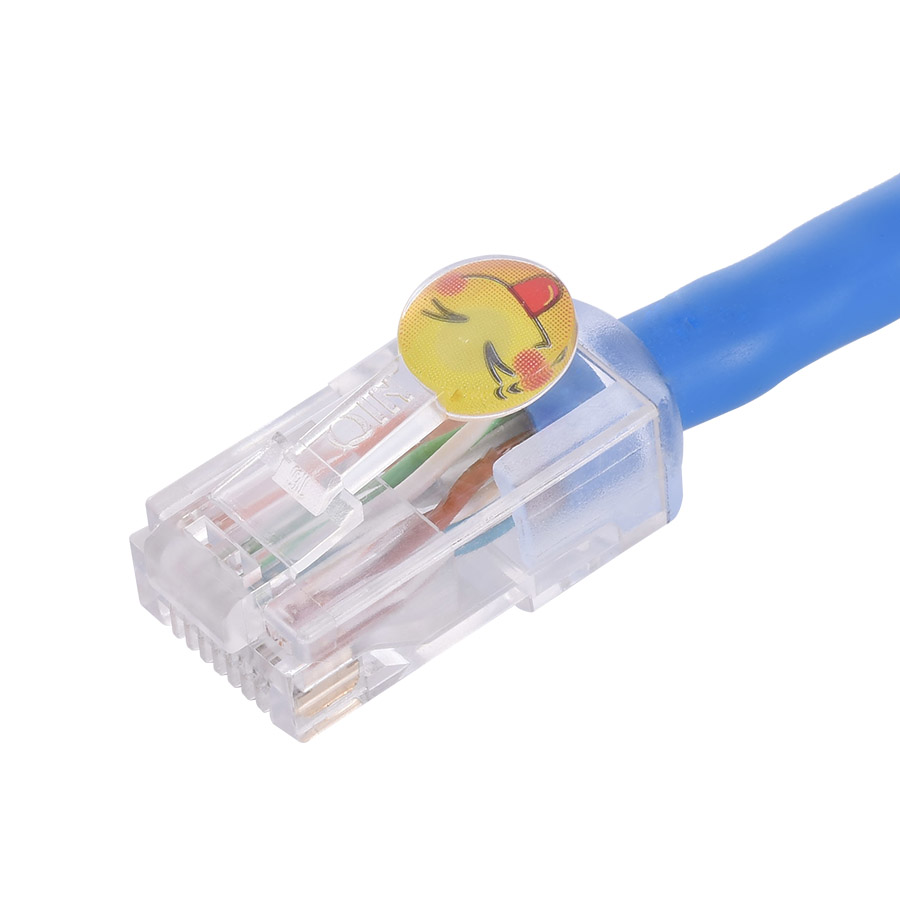
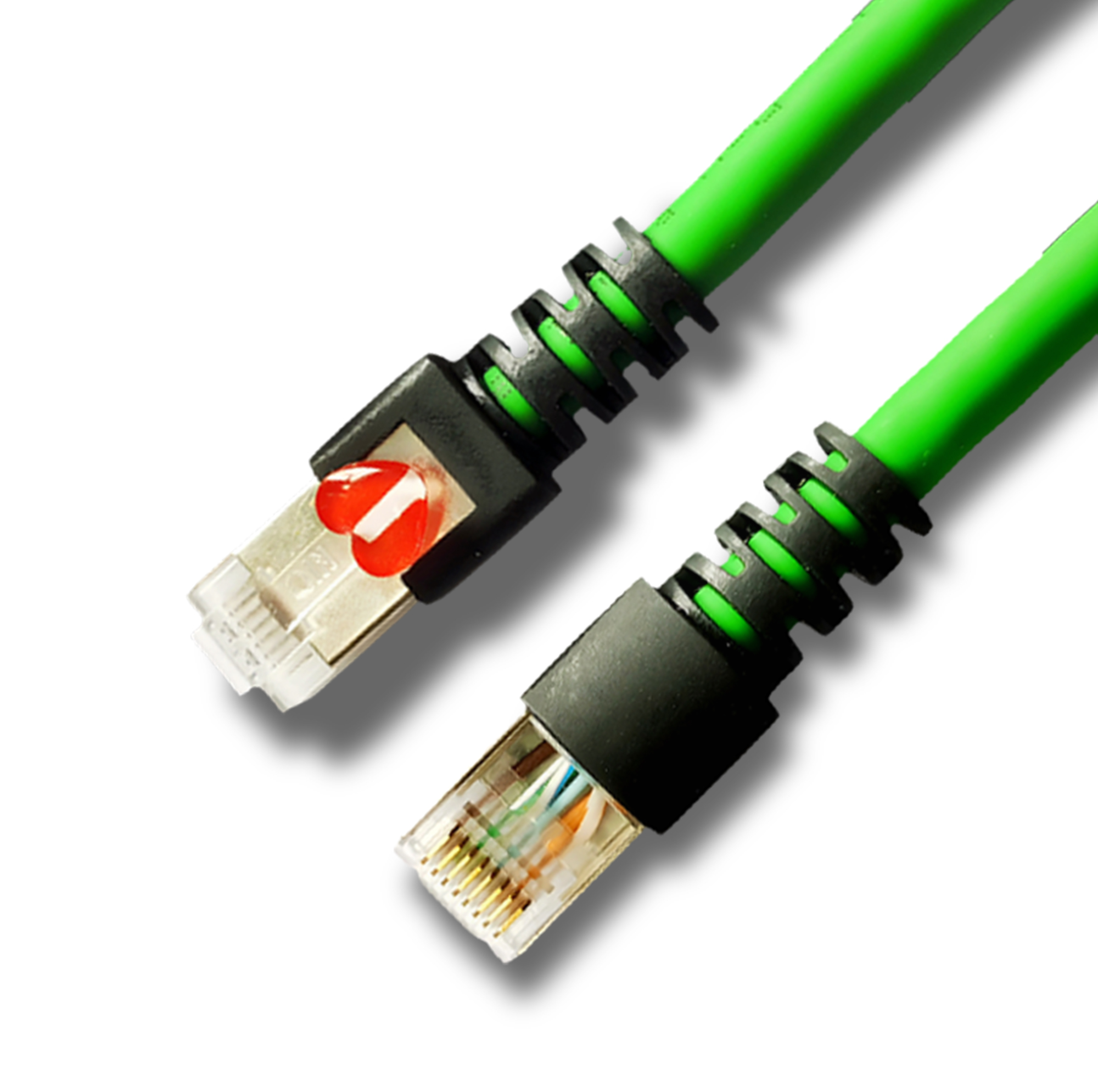
The CAT6 UTP Straight-Through Cable is one of the most common and essential networking cables, designed for connecting different types of network devices to facilitate seamless data communication. As a straight-through cable, it features the same pin configuration on both ends, meaning that the wire connected to pin 1 on one end is connected to pin 1 on the other end, and so on. This configuration is specifically intended for connecting a client device (such as a computer, laptop, or printer) to a network switch, router, or hub—devices that operate on different layers of the OSI model and require a straight-through connection to transmit data effectively.
Built to meet CAT6 standards, this UTP cable delivers exceptional performance, supporting data transfer speeds of up to 10 Gbps at 250 MHz bandwidth. The unshielded twisted pair design includes four pairs of 24 AWG (American Wire Gauge) copper conductors, each twisted at a specific rate to reduce crosstalk and EMI, ensuring clear and stable signal transmission. The copper conductors are often tinned to prevent oxidation and corrosion, which helps maintain signal quality over time. The outer jacket is typically made of PVC (Polyvinyl Chloride) for indoor use, providing flexibility and protection against physical damage, while also being flame-retardant to meet safety standards.
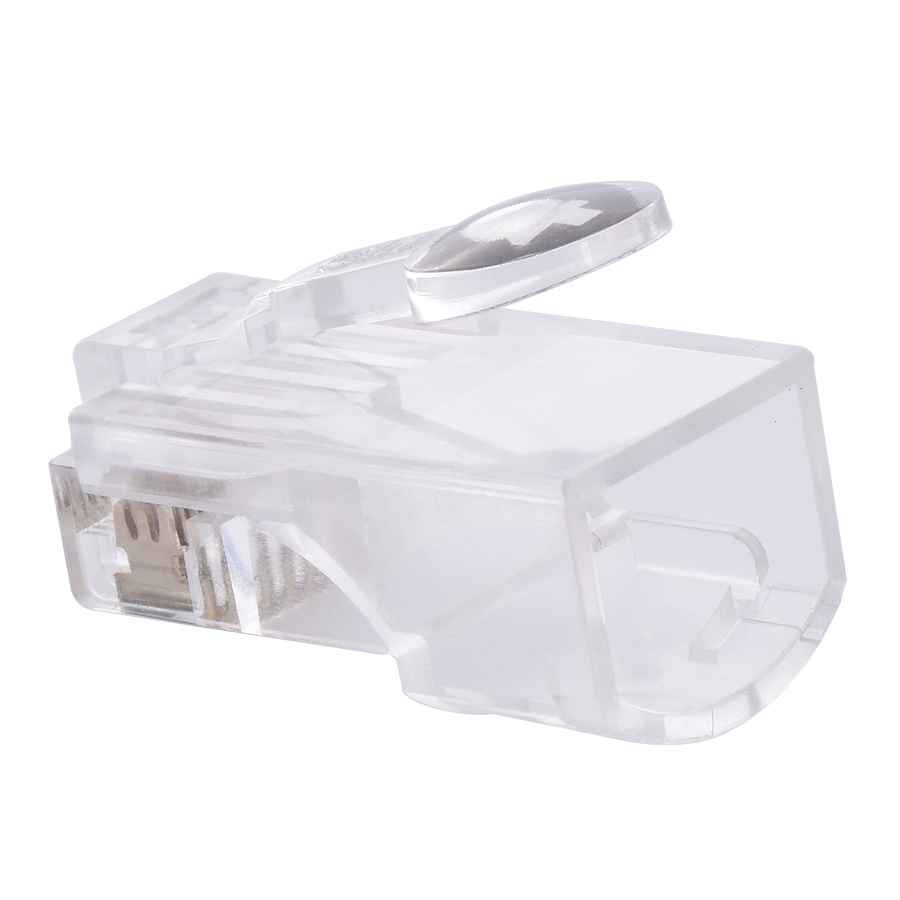
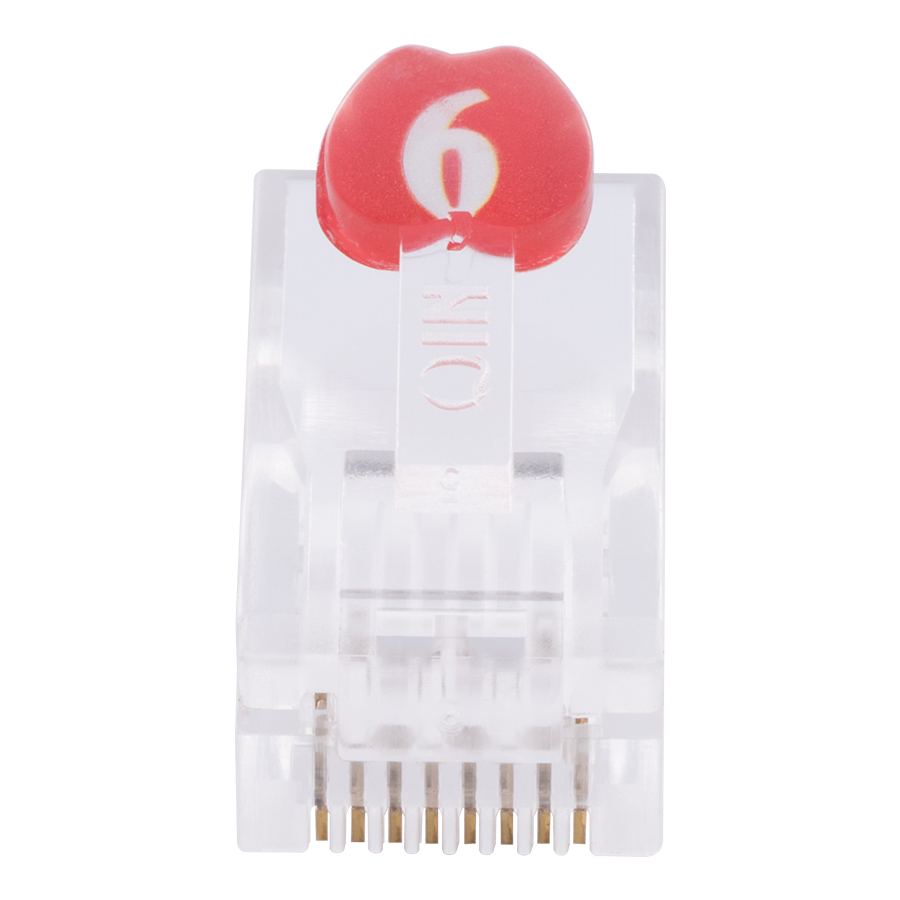
The CAT6 UTP Straight-Through Cable is widely used in both residential and commercial networks, from home offices to large corporate environments. It is compatible with all standard RJ45 connectors and networking equipment, making it a versatile solution for various applications. Whether you need to connect a desktop computer to a home router, a printer to a office switch, or a smart TV to a network hub, this cable ensures reliable, high-speed connectivity. Its plug-and-play design means no additional configuration is needed—simply connect the two ends to the respective devices, and the network will recognize the connection immediately. Additionally, its compact and flexible design makes it easy to route through walls, ceilings, or cable management systems, keeping your network setup organized and efficient.
-
-
-
-
-
-
-
-
-
-
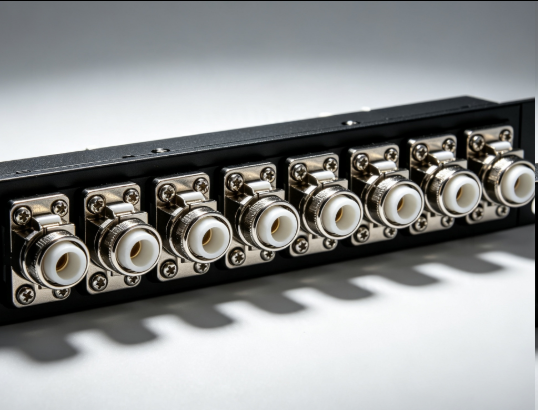
Flange Type Fixed Fiber Optic Adapter for Rack Panel
Sep 19, 2026955
-
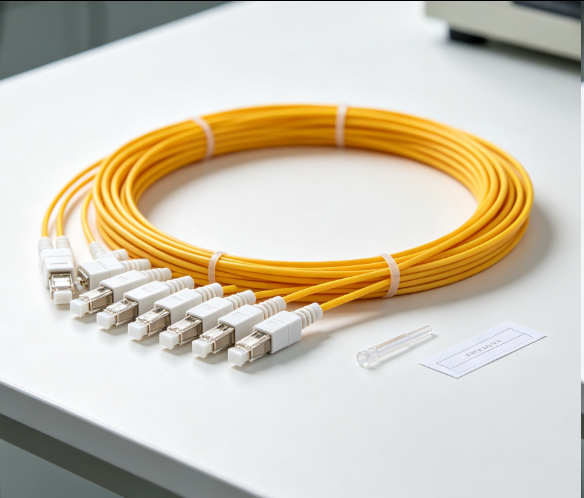
Fiber Pigtail 12 Cores SC UPC Single Mode
Sep 04, 2026930
-
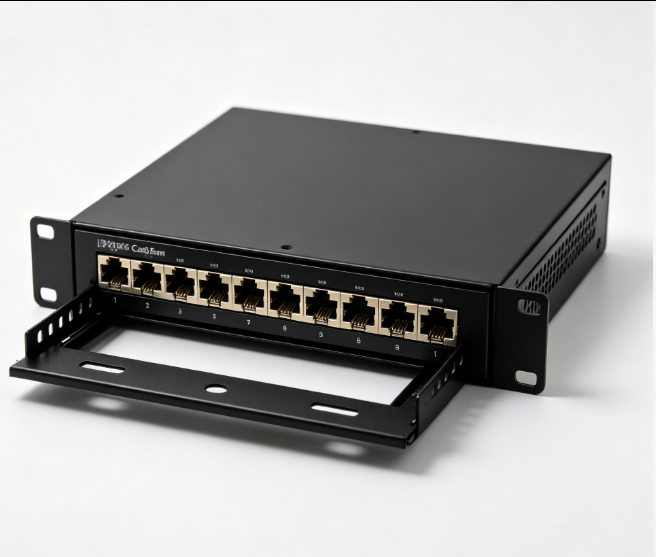
12 Port Cat6 Patch Panel Small Cabinet
Sep 12, 2026929
-
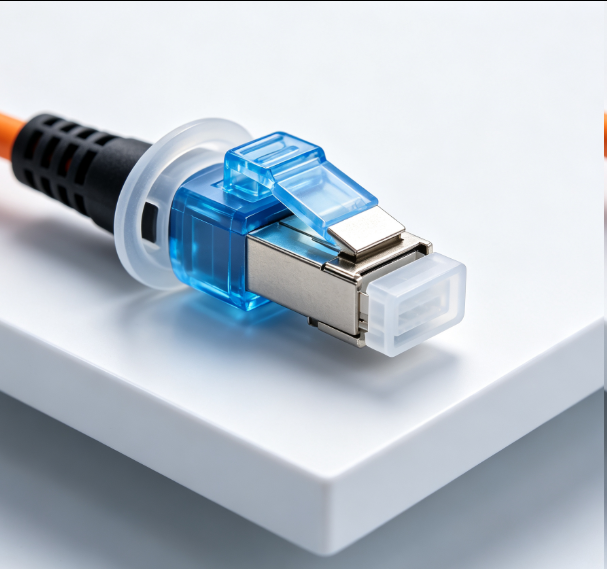
Dust Cap Equipped Fiber Patch Cable Protective
Sep 03, 2026929
-
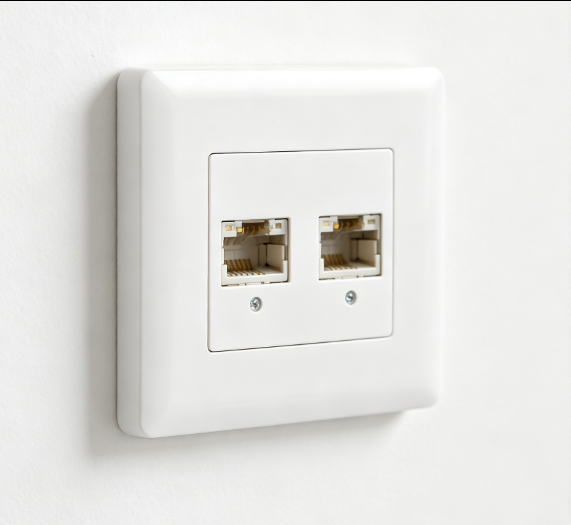
EU Standard Network Faceplate
Sep 11, 2026927