- Language
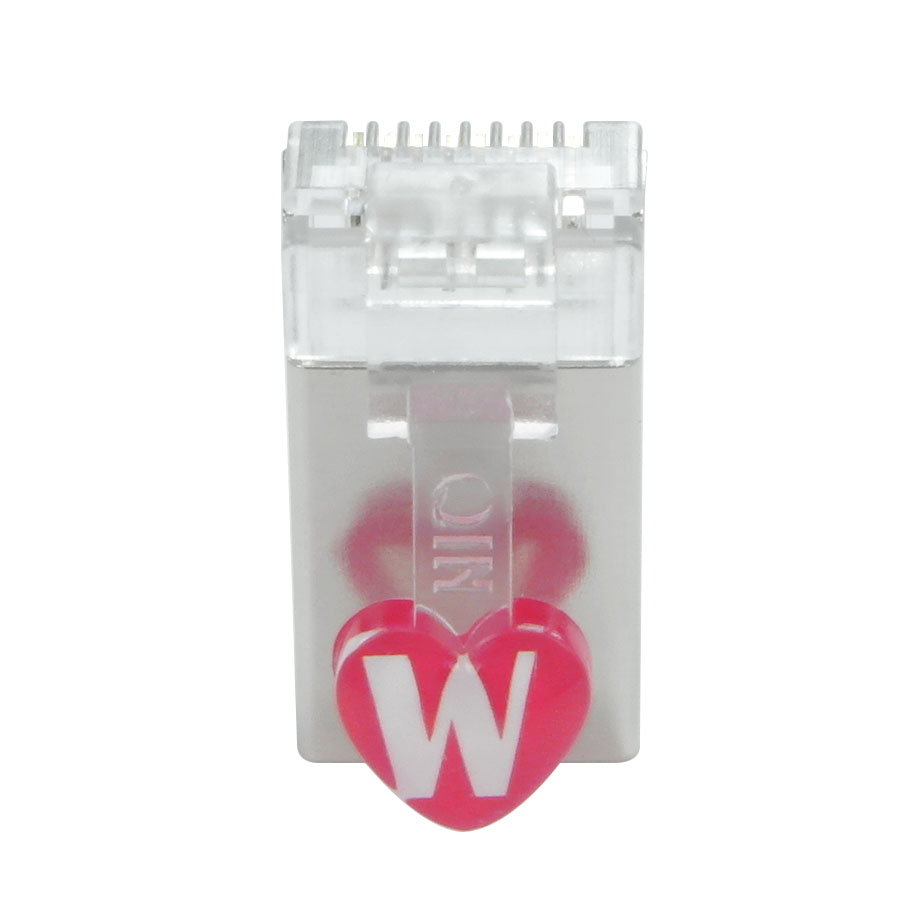
Cat6 RJ45 Keystone Jack
As the core terminal accessory for whole-house weak current wiring, enterprise integrated wiring and computer room port expansion, the Cat6 RJ45 Keystone Jack undertakes key functions of network cable termination, signal conversion and equipment docking. Unlike finished patch cables, network keystone jacks require on-site termination. Minor deviations in product selection, construction methods, wiring standards, installation details and later operation and maintenance will directly cause excessive crosstalk, substandard network speed, network stuttering, abnormal PoE power supply and poor port contact. Many wiring projects fail Fluke channel tests even with qualified cables, mainly due to non-standard module termination. To ensure stable gigabit network transmission, meet Cat6 250MHz bandwidth standards and long-term operational stability, this article systematically sorts out the full-process core precautions for Cat6 RJ45 Keystone Jacks from the perspective of engineering practice, covering selection, construction, wiring, installation, acceptance and maintenance, providing standardized guidelines for weak current wiring projects.
The first key point is standardized model selection and scenario adaptation to avoid parameter mismatch and performance downgrade. A common engineering problem is downgraded module matching, where Cat5e keystone jacks are mistakenly used with Cat6 cables, limiting the overall network bandwidth and failing to exert standard 250MHz transmission performance. Users must select genuine standard Cat6 keystone jacks and reject non-standard products with false parameters. Priority should be given to thick gold-plated contacts with oxidation resistance, corrosion resistance and plugging resistance for long-term commercial and household use. The jack must match standard 23AWG-24AWG Cat6 twisted pair cables; non-standard over-thick or over-thin cables will cause loose crimping and poor contact. In addition, shielded SFTP jacks are required for computer rooms and industrial electromagnetic complex environments, while unshielded UTP jacks are suitable for ordinary offices and homes. Shielded modules must be fully grounded; non-standard grounding will introduce extra interference and cause network instability.
Construction and termination specifications are critical for qualified channel testing. Cat6 networks have strict crosstalk control requirements. Excessive pair untwisting and over-stripped outer jackets are the most common construction errors. The standard outer jacket stripping length is 12mm to 13mm, and the untwisted length of wire pairs shall not exceed 10mm. Excessive untwisting damages the original twisted pair structure, increases near-end crosstalk and leads to test failure. Professional stripping tools must be used with moderate force to avoid scratching internal copper core insulation, which may cause transmission attenuation and short circuits. Termination requires a 110 punch-down tool for firm crimping until a clear click is heard to ensure full contact. Excess wire ends must be trimmed neatly to prevent crosstalk and short circuits between adjacent ports. Twisted cores and disordered wiring must be avoided to ensure consistent transmission performance of all wire pairs.
Unified wiring standards must be implemented to eliminate crossover and connection errors. T568B is the mainstream standard for modern engineering wiring, while T568A is only applicable to special old equipment. The core rule is to adopt a single unified standard for the entire project. Mixing T568A and T568B standards at two ends of one cable link will cause crossover faults, resulting in network disconnection and severe packet loss. Wiring must strictly follow the jack color marking instead of empirical judgment to avoid core dislocation. For multi-port wall plates, unified port orientation and neat wiring are required to facilitate later maintenance and troubleshooting. For PoE-supported jacks, consistent contact conduction must be guaranteed; wrong wire sequences will cause unstable PoE power supply, repeated equipment restart and power interruption, failing to meet the long-term power supply needs of monitoring cameras and wireless APs.
Standard installation and structural protection prevent physical looseness and environmental erosion. After termination, the keystone jack shall be firmly clipped into the wall plate or patch panel with fully locked buckles to avoid module falling off and poor contact caused by repeated plugging and unplugging. Excessive pulling and sharp bending of cable roots are prohibited during wiring. Reasonable margin shall be reserved, and redundant cables in wall boxes shall be neatly arranged without violent extrusion, preventing internal wire pair deformation and parameter deviation. Dust-proof covers and plugs shall be adopted for humid, dusty and semi-outdoor scenarios to protect gold-plated contacts from oxidation and poor contact. Maintain a safe distance between strong current and weak current pipelines to reduce electromagnetic signal interference.
Complete testing and standardized maintenance ensure long-term stable operation. Full-point channel testing and continuity inspection are mandatory after installation to troubleshoot wire sequence errors, short circuits, open circuits and excessive crosstalk, ensuring full compliance with Cat6 standards. Engineering acceptance must rely on professional cable testers rather than simple network connection tests to guarantee project qualification. In daily maintenance, violent plugging is prohibited to prevent contact wear and buckle fracture. During fault troubleshooting, priority shall be given to checking termination looseness and contact oxidation instead of blind cable replacement. Standardized selection, construction, installation and maintenance enable Cat6 RJ45 Keystone Jacks to maintain long-term high-speed, low-latency and low-crosstalk operation, effectively reducing later maintenance costs and ensuring stable operation of whole-house and commercial network systems.
-
-
-
-
-
-
-
-
-
-
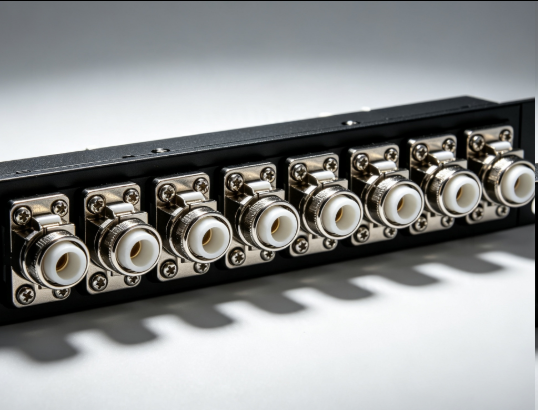
Flange Type Fixed Fiber Optic Adapter for Rack Panel
Sep 19, 2026956
-
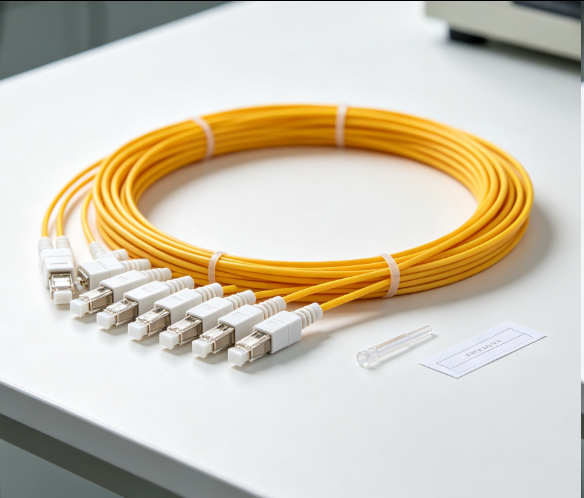
Fiber Pigtail 12 Cores SC UPC Single Mode
Sep 04, 2026930
-
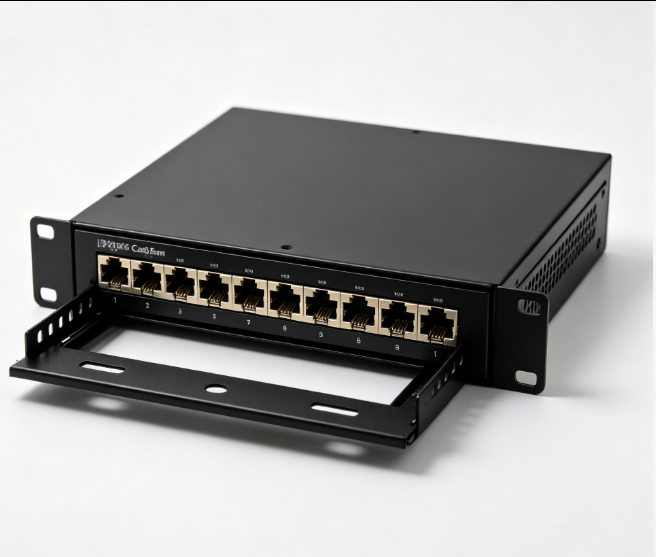
12 Port Cat6 Patch Panel Small Cabinet
Sep 12, 2026929
-
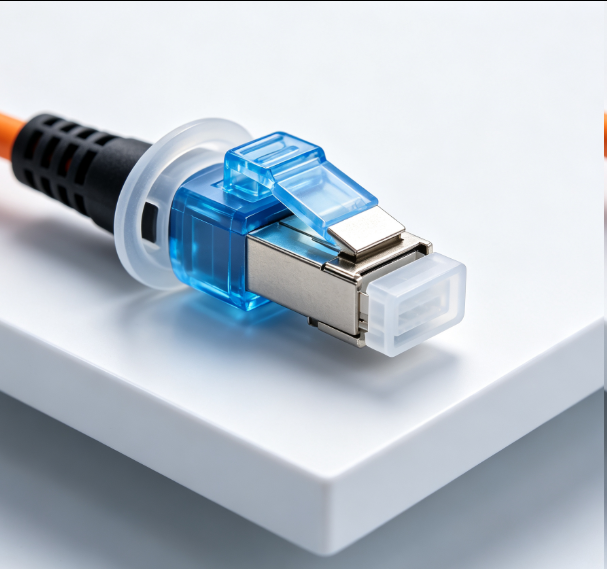
Dust Cap Equipped Fiber Patch Cable Protective
Sep 03, 2026929
-
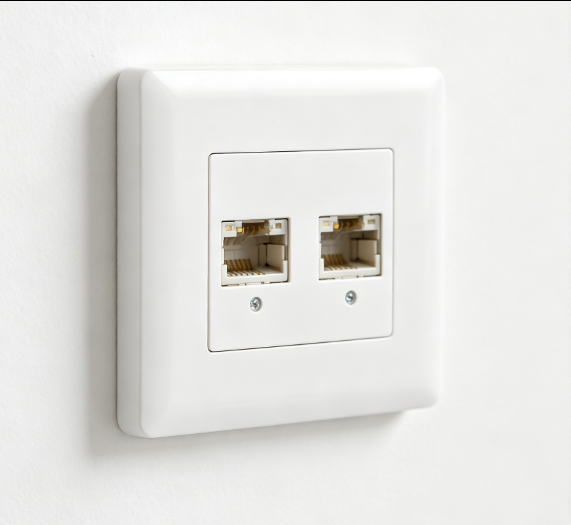
EU Standard Network Faceplate
Sep 11, 2026927