- Language
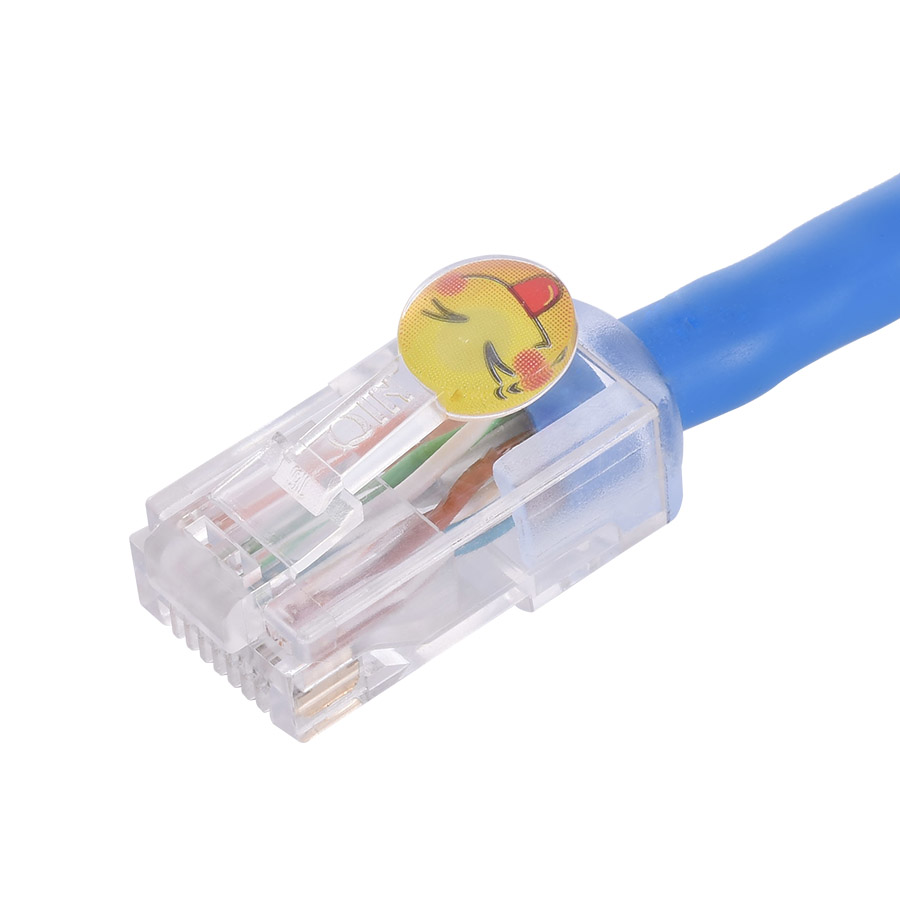
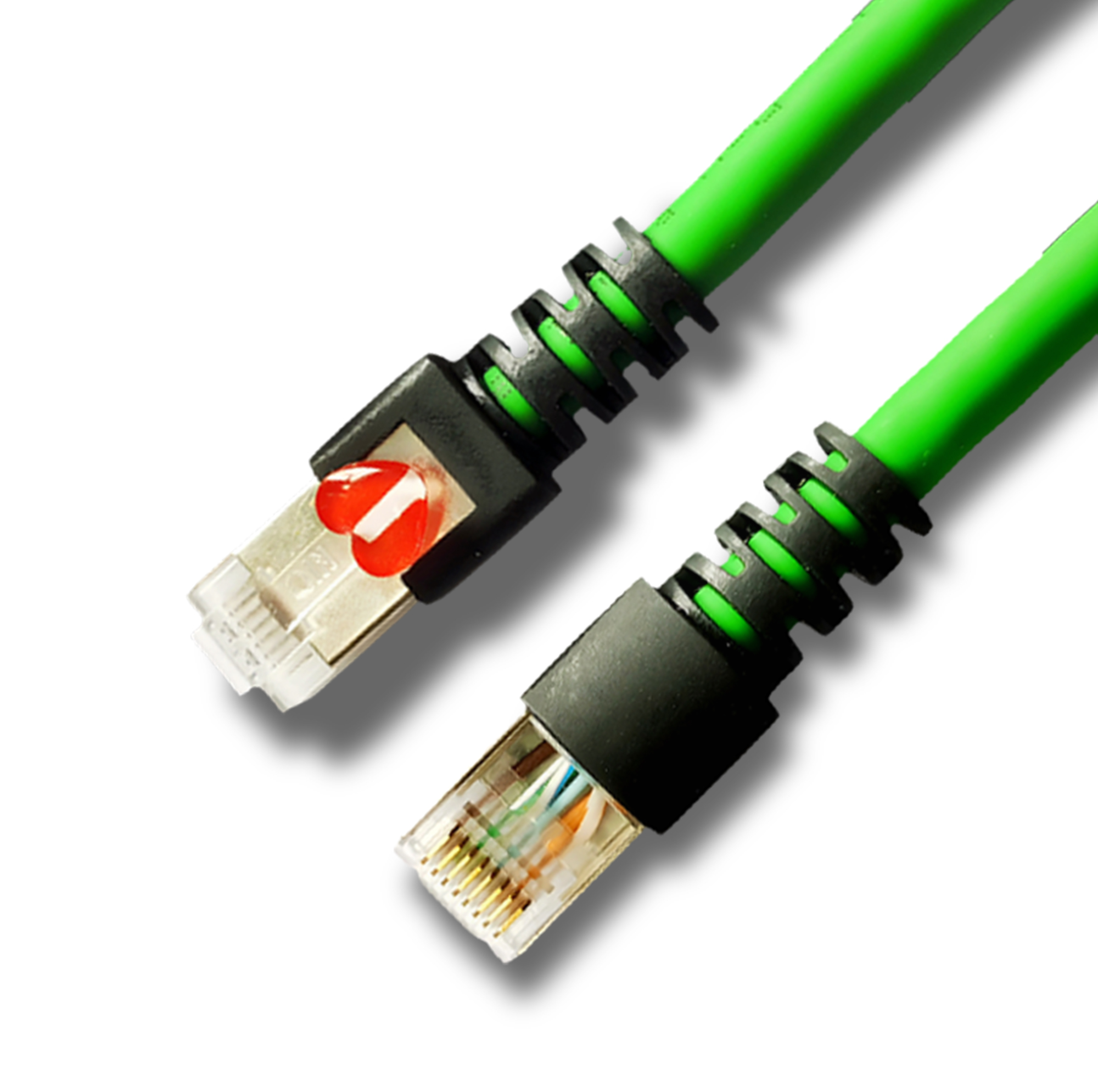
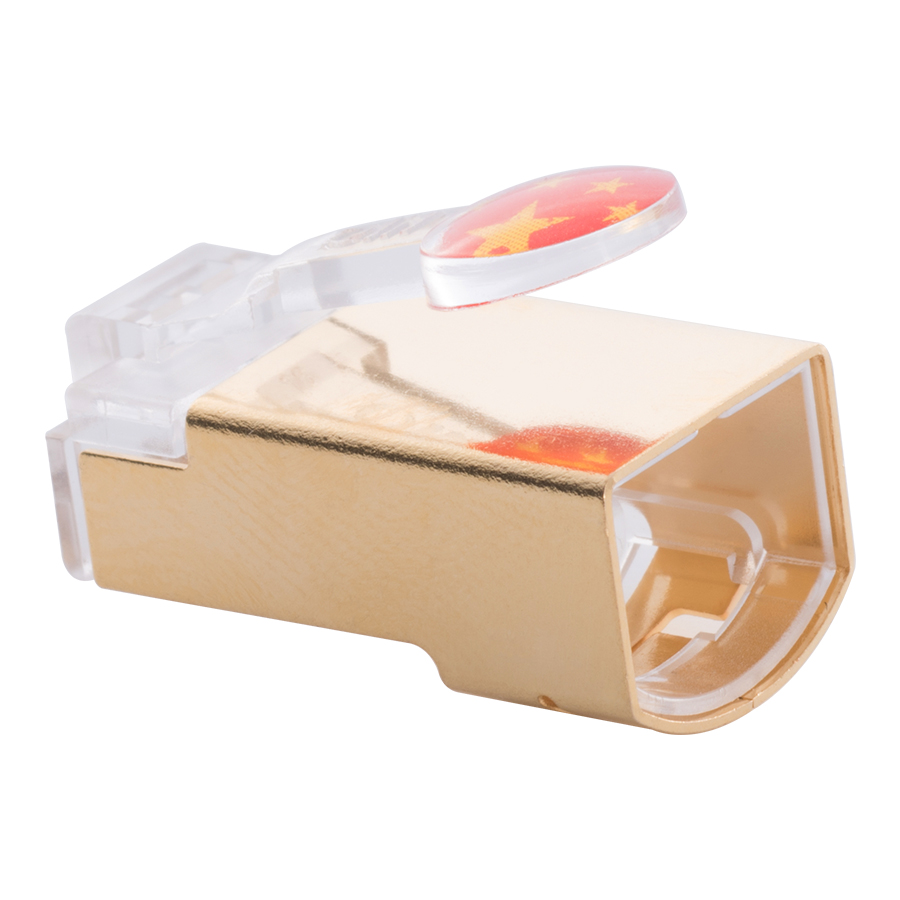
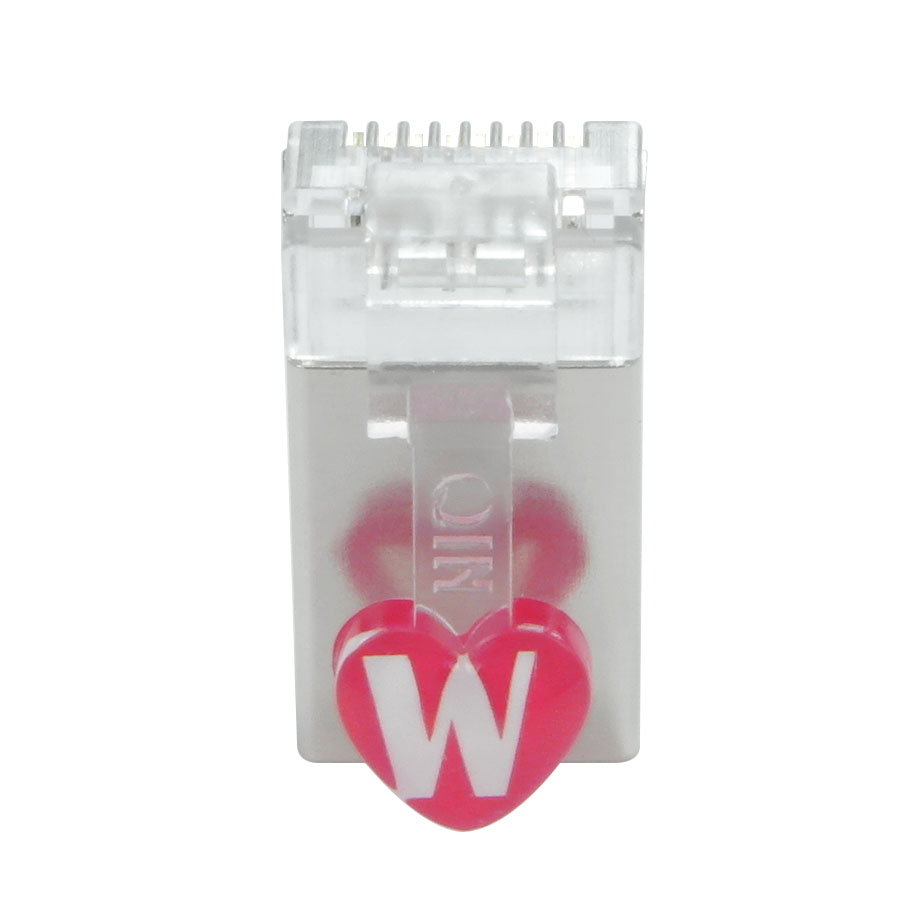
Cat6 SFTP patch cable
In commercial scenarios such as enterprise computer rooms, industrial weak current systems, security monitoring and high-density office networking, most network failures including intermittent stuttering, random packet loss, speed limitation and link fluctuation stem from inherent performance shortcomings of traditional Cat6 UTP unshielded patch cables, rather than insufficient device performance. Many users blindly adopt conventional unshielded Cat6 jumpers that only meet basic Gigabit transmission requirements, ignoring their native defects such as weak anti-interference capability, severe crosstalk, unstable 10G transmission, poor working condition adaptability and low fault tolerance. In high-density wiring, strong electromagnetic environments and long-term continuous operation scenarios, these inherent shortcomings of traditional Cat6 cables are greatly amplified, frequently causing transmission anomalies, equipment speed reduction and network disconnection, which seriously undermine the overall system stability. Targeted at compensating for all performance loopholes of traditional Cat6 cables, the Cat6 SFTP shielded patch cable upgrades commercial engineering networking from six key dimensions: comprehensive crosstalk suppression, electromagnetic protection, transmission stability, scenario adaptability, power supply compatibility and construction fault tolerance, eliminating the innate deficiencies of ordinary network cables.
The most critical shortcoming of ordinary Cat6 cables is severe crosstalk and electromagnetic interference caused by the absence of shielding structure. Conventional UTP Cat6 cables only rely on physical twisting isolation without any shielding layer. They are extremely vulnerable to EMI electromagnetic interference and RFI radio frequency interference in dense cabinet wiring, mixed layout of power and network cables, and industrial equipment radiation environments. Meanwhile, tightly arranged dense cables generate severe alien crosstalk and near-end crosstalk, resulting in signal coupling distortion and sharp signal-to-noise ratio decline. Actual tests prove that when more than 24 Cat6 cables are bundled densely, crosstalk values exceed industrial standards significantly, directly triggering data packet loss, latency fluctuation and network speed jumping, which accounts for peak-hour network congestion and blurry freezing surveillance images. Adopting a professional dual-layer shielding structure with individual aluminum foil wrapping for each twisted pair and full coverage of high-density braided copper mesh, the Cat6 SFTP patch cable completely isolates internal and external crosstalk and electromagnetic interference, fundamentally making up for the fatal defect of insufficient shielding in traditional cables and ensuring pure and stable signal transmission in complex environments.
In terms of transmission performance, traditional Cat6 cables deliver unstable 10G transmission and severe speed attenuation under high-frequency and high-traffic conditions. Although standard Cat6 cables are rated for 10G transmission, they have strict distance and environmental limitations. They can only support 10Gbps within 55 meters under ideal conditions, while the effective 10G distance drops sharply to 37 meters in densely bundled wiring; beyond this range, the speed automatically decreases to Gigabit or even 100Mbps. Its limited 250MHz bandwidth cannot adapt to high-frequency, long-duration and high-concurrency data transmission, easily causing bandwidth congestion, speed ceiling and transmission stuttering in cloud synchronization, multi-channel high-definition video transmission and server cluster interaction. Furthermore, ordinary Cat6 cables have weak signal attenuation control capabilities; minor irregular wiring or slight extrusion and bending will lead to excessive insertion loss and insufficient speed performance. Optimized with precise wire twisting pitch and insulated structure, the Cat6 SFTP patch cable accurately controls signal attenuation, maintains stable full 250MHz bandwidth output without environmental and wiring density restrictions, sustains stable 10G speed in short distances and full Gigabit speed in long-distance transmission, perfectly compensating for the shortcomings of unstable transmission and low bandwidth ceiling of traditional cables.
In terms of working condition adaptability, ordinary Cat6 cables have poor environmental tolerance and obvious performance degradation under high and low temperatures and long-term operation. Adopting basic jacket materials with simple structural protection, conventional unshielded Cat6 cables are only suitable for simple scenarios. Under high-temperature conditions such as overheated machine rooms, outdoor exposure and long-running equipment, the cable insulation layer is prone to softening, aging and accelerated performance attenuation; under low temperatures, the outer jacket becomes hard and brittle, cracking easily after bending. In addition, ordinary cables have poor tensile and extrusion resistance; repeated cabinet bending, wire bundle extrusion and daily maintenance pulling easily cause core displacement and insulation damage, resulting in hidden link faults that are extremely difficult to troubleshoot. Equipped with engineering-grade weather-resistant and flame-retardant jacket, the Cat6 SFTP patch cable features excellent wide-temperature adaptability, aging resistance, bending resistance and extrusion resistance, maintaining stable structural and electrical performance in long-term complex working conditions and making up for the weaknesses of poor environmental adaptability and high failure rate of traditional cables.
In terms of PoE compatibility, traditional Cat6 cables suffer from signal interference caused by power supply noise, leading to insufficient compatibility with commercial weak-current networking. Modern smart monitoring, wireless AP and building sensor devices generally adopt integrated PoE power supply networking. Without shielding and filtering structures, ordinary Cat6 cables are severely affected by current noise and electromagnetic ripple during power supply, causing sharp speed drops, frequent disconnection and device offline under full-load PoE operation. The core reason for degraded network stability with increased PoE devices in most projects is the inability of unshielded cables to isolate power interference. Meanwhile, ordinary cables have relatively high conductor resistance, generating heat loss during long-term high-power PoE power supply, reducing transmission efficiency and bringing potential safety hazards. The dual-layer shielding structure of the Cat6 SFTP patch cable efficiently filters PoE electromagnetic noise, realizes mutual isolation between power supply and signal transmission, fully supports PoE and PoE+ protocols, and maintains stable high-speed network performance under full-load power supply, solving the compatibility defect of traditional cables in PoE networking.
In terms of construction fault tolerance, traditional Cat6 cables require extremely precise wiring craftsmanship, resulting in high long-term operation and maintenance costs. The performance of conventional Cat6 cables heavily depends on construction quality; minor irregularities in wire stripping length, bending angle and cable arrangement will cause excessive crosstalk and signal attenuation, requiring high professional standards for constructors. In large-scale engineering wiring, tiny process errors lead to unqualified links, frequent subsequent faults and high rework rates, greatly increasing maintenance costs. In contrast, the Cat6 SFTP patch cable features ultra-high construction fault tolerance. Its shielding structure offsets performance loss caused by minor wiring irregularities, lowers construction thresholds and achieves nearly 100% qualified link rate after installation, effectively reducing subsequent troubleshooting and rework costs and compensating for the industrial shortcomings of strict construction requirements and low fault tolerance of traditional Cat6 cables.
In conclusion, five inherent defects of traditional unshielded Cat6 cables — insufficient shielding, unstable transmission, fragile environmental adaptability, PoE signal conflict and low construction fault tolerance — make them unable to meet the requirements of modern high-density, high-concurrency and complex commercial networking. Targeted at all performance shortcomings, the Cat6 SFTP shielded patch cable achieves comprehensive upgrades with full anti-interference capability, stable speed transmission, superior environmental durability, universal power supply compatibility and low maintenance loss. It thoroughly solves various networking pain points of traditional Cat6 cables and serves as a necessary upgraded cable for old network renovation, high-standard new engineering wiring and high-density computer room networking.
-
-
-
-
-
-
-
-
-
-
Flange Type Fixed Fiber Optic Adapter for Rack Panel
Sep 19, 2026955
-
Fiber Pigtail 12 Cores SC UPC Single Mode
Sep 04, 2026930
-
12 Port Cat6 Patch Panel Small Cabinet
Sep 12, 2026929
-
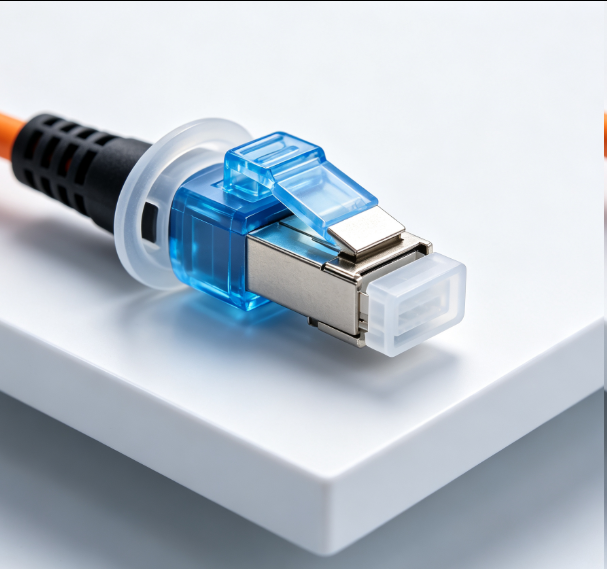
Dust Cap Equipped Fiber Patch Cable Protective
Sep 03, 2026929
-
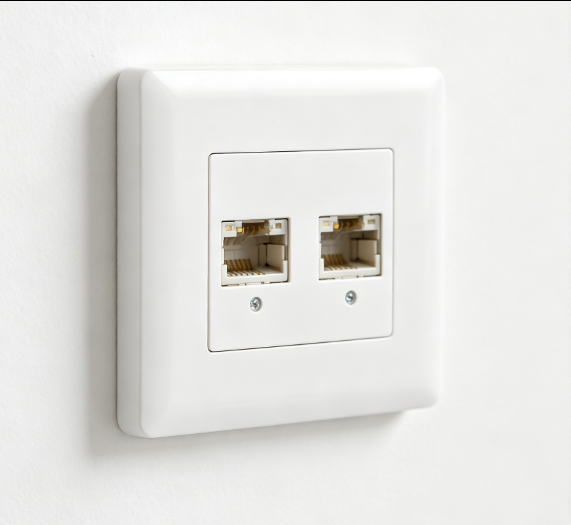
EU Standard Network Faceplate
Sep 11, 2026927