- Language
Cat6 UTP Unshielded Patch Cord: Extreme Conductivity to Build Low-Loss High-Speed Signal Transmission Path
In the integrated cabling system, the essential nature of a network cable is a signal conductive transmission medium. The quality of conductivity directly determines the transmission rate, delay performance and long-term operational stability of the network. As a general-purpose engineering-grade network connection cable, the Cat6 UTP unshielded patch cord takes high-purity conductive conductors, optimized conductive structure and stable electrical impedance as the core research and development points. It strictly complies with international electrical conductivity standards to minimize signal transmission resistance, weaken conductive loss and avoid abnormal conductive interference. This universal Category 6 patch cord adapts to full-size wiring scenarios. It can maintain consistent electrical conductivity parameters for conventional fixed lengths such as 1m, 2m and 3m, and is compatible with multiple working conditions including home networking, commercial office, computer room wiring and security power supply. Centering on conductivity, this paper deeply analyzes the conductive principle, electrical parameters, process optimization, loss control and measured performance of cable conductors, and explains in detail how a high-performance network cable realizes pure 10Gbps transmission relying on excellent conductivity.
1. High-Purity Conductive Conductor to Lay the Physical Foundation for Conductivity
Conductor material is the primary factor determining the conductivity of network cables. Conductivity, resistivity and lattice structure directly affect the transmission efficiency of high-frequency signals. This Cat6 UTP patch cord is fully equipped with 99.99% high-purity oxygen-free copper conductors with oxygen content lower than 0.001%. It has dense and complete internal lattice without impurities, pores and oxide interlayers. The conductivity is stably maintained at 58MS/m, fully meeting the national GB/T 18236 standard for Category 6 cables. Compared with inferior copper-clad aluminum and recycled copper cables on the market, oxygen-free copper has extremely low resistivity. The DC resistance of a single core is strictly controlled at ≤7.41Ω/100m at room temperature of 20℃, which is far better than the industry standard of 9.0Ω/100m. The ultra-low resistance can effectively reduce thermal energy loss during current transmission and weaken high-frequency signal attenuation.
The cable adopts a standardized 23AWG solid single-conductor structure with uniform and regular copper core diameter and non-defective cross-section, ensuring constant electrified contact area and avoiding current congestion and conduction lag caused by uneven thickness. Different from multi-strand flexible wires, the solid conductor has stronger conduction continuity without internal gaps and breakpoints, enabling smooth carrying of 250MHz high-frequency broadband signals. Meanwhile, oxygen-free copper has excellent oxidation resistance. It is not easy to form an insulating oxide layer on the surface, so the conductivity will not decline and the contact resistance will not increase during long-term use. It permanently maintains stable conductive performance for ten years from the raw material level, eliminating network speed fluctuation and disconnection caused by conductor material deterioration.
2. Scientific Conductive Structure to Optimize Current Transmission Path
High-quality conductors alone cannot achieve perfect conductive performance. A scientific internal structure can optimize the current transmission path and reduce electromagnetic interference and energy loss during conduction. This Category 6 unshielded patch cord adopts a four-pair eight-core twisted pair conductive architecture, optimizing the conduction logic based on the electromagnetic cancellation principle. Every two insulated copper cores are twisted with differentiated pitch to offset self-induced electromagnetism generated during conduction and reduce conductive crosstalk between wire pairs. The four groups of wire pairs are equipped with exclusive unequal twist pitches to avoid electromagnetic resonance caused by parallel arrangement, prevent clutter interference during current interaction, and enable each conductor to complete conductive transmission independently, orderly and stably.
A PE insulated cross skeleton is added in the center of the cable to physically isolate the four pairs of conductive copper cores, accurately fix the conductor spacing, prevent conductive coupling interference caused by close fitting of wire pairs, and stabilize the cable characteristic impedance at 100Ω±5Ω, which conforms to international wiring electrical impedance standards. The regular internal structure can prevent conductor displacement and misalignment when the cable is bent and pulled, ensure a straight and stable current transmission path, and eliminate conductive disorder caused by line deformation. Meanwhile, environmentally friendly filling ropes are added inside the cable to reduce conductor shaking and friction, avoid wear and oxidation on the surface of copper cores, protect the integrity and smoothness of conductive contact surfaces, and continuously maintain efficient conductive state. This structurally conductive design enables the cable to maintain pure current transmission without being affected by electromagnetism of surrounding cables even in high-density cluster wiring and narrow closed cabinet spaces.
3. Professional Conductive Technology to Suppress High-Frequency Conductive Loss
In high-frequency network signal transmission scenarios, conductors are prone to skin effect, where high-frequency current accumulates on the conductor surface. If the surface of the copper core contains many impurities and has poor flatness, the conductive loss will increase significantly. After precise wire drawing, polishing and annealing processes, the copper core of this Cat6 patch cord has a smooth surface without burrs and improved lattice toughness, which effectively weakens the skin effect loss in the 250MHz high-frequency band and ensures uniform circulation of high-frequency current. The outer layer of the conductor is wrapped with a high-density HDPE insulation layer with insulation resistance ≥5000MΩ·km. The ultra-high insulation resistance accurately isolates different conductive copper cores, eliminates inter-line electric leakage, current breakdown and stray capacitance interference, and realizes integrated management of conduction and isolation.
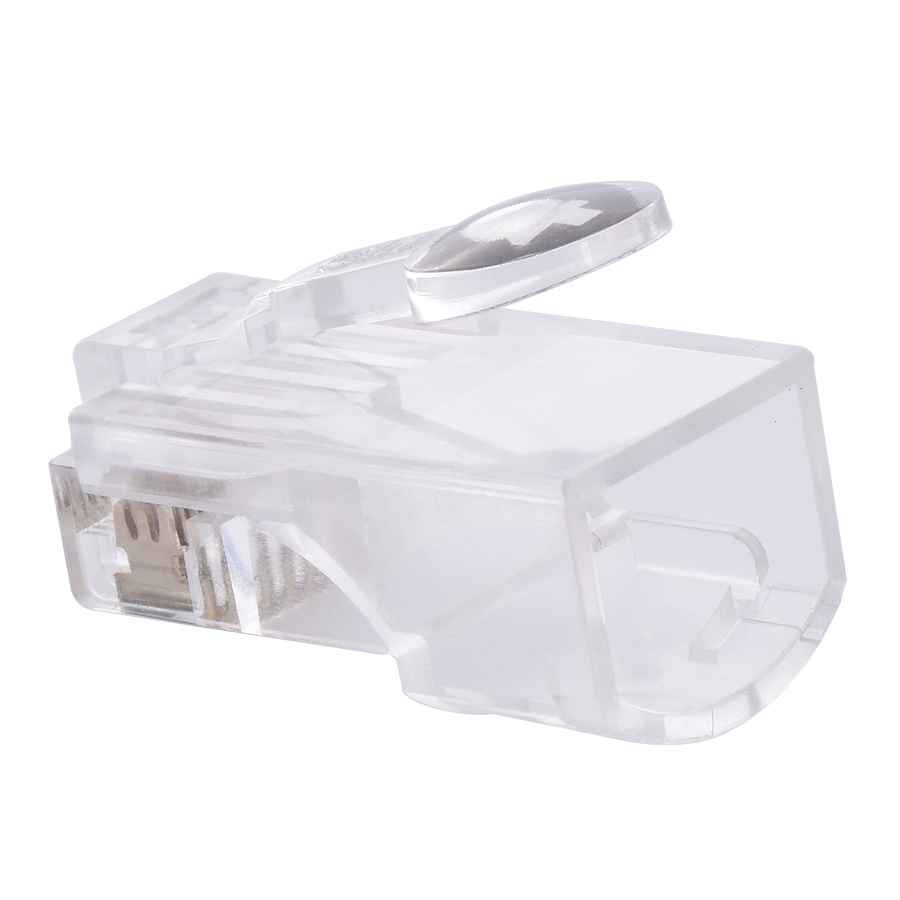
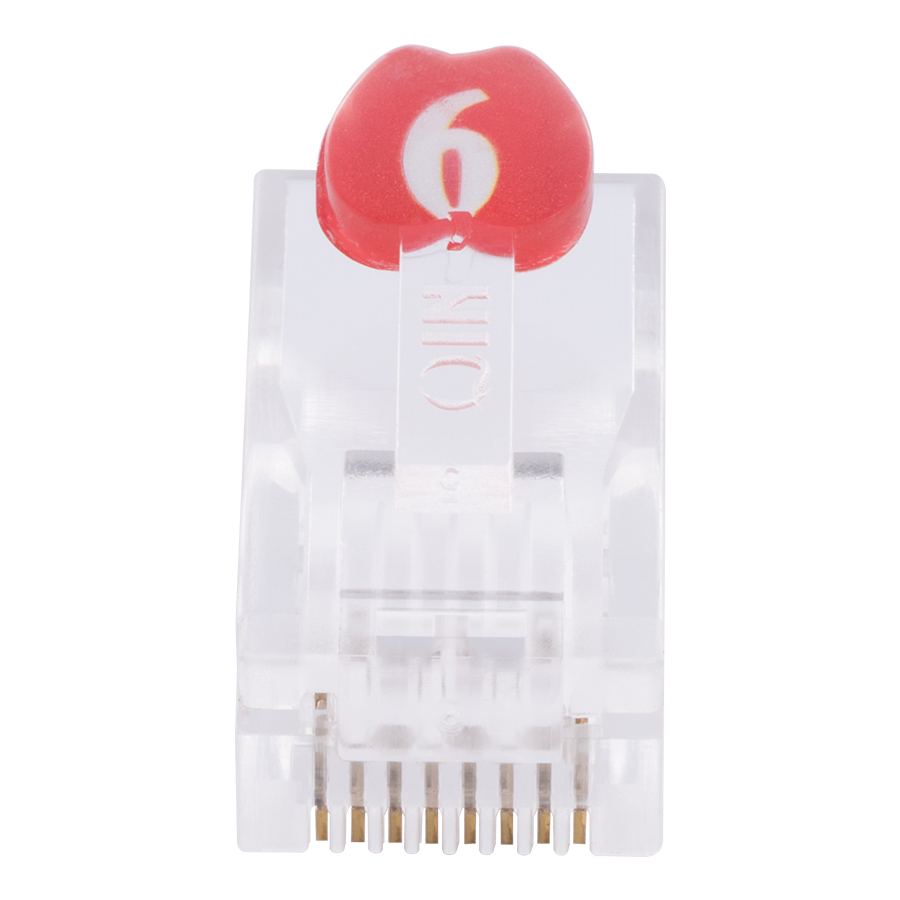
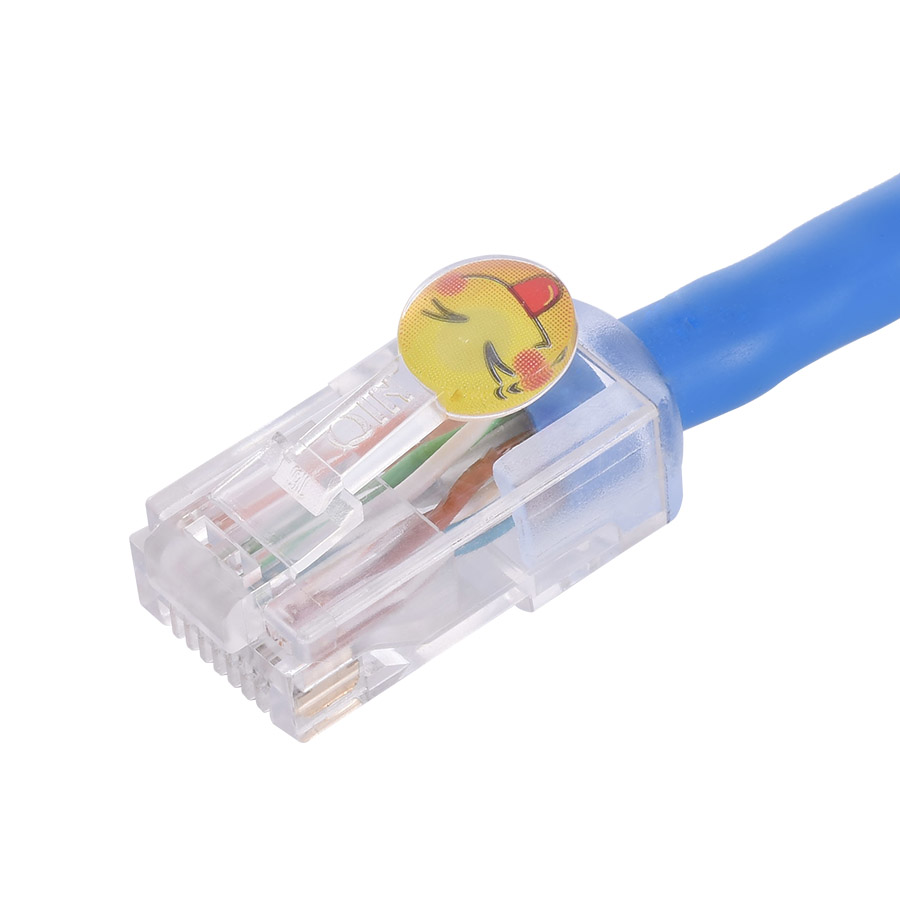
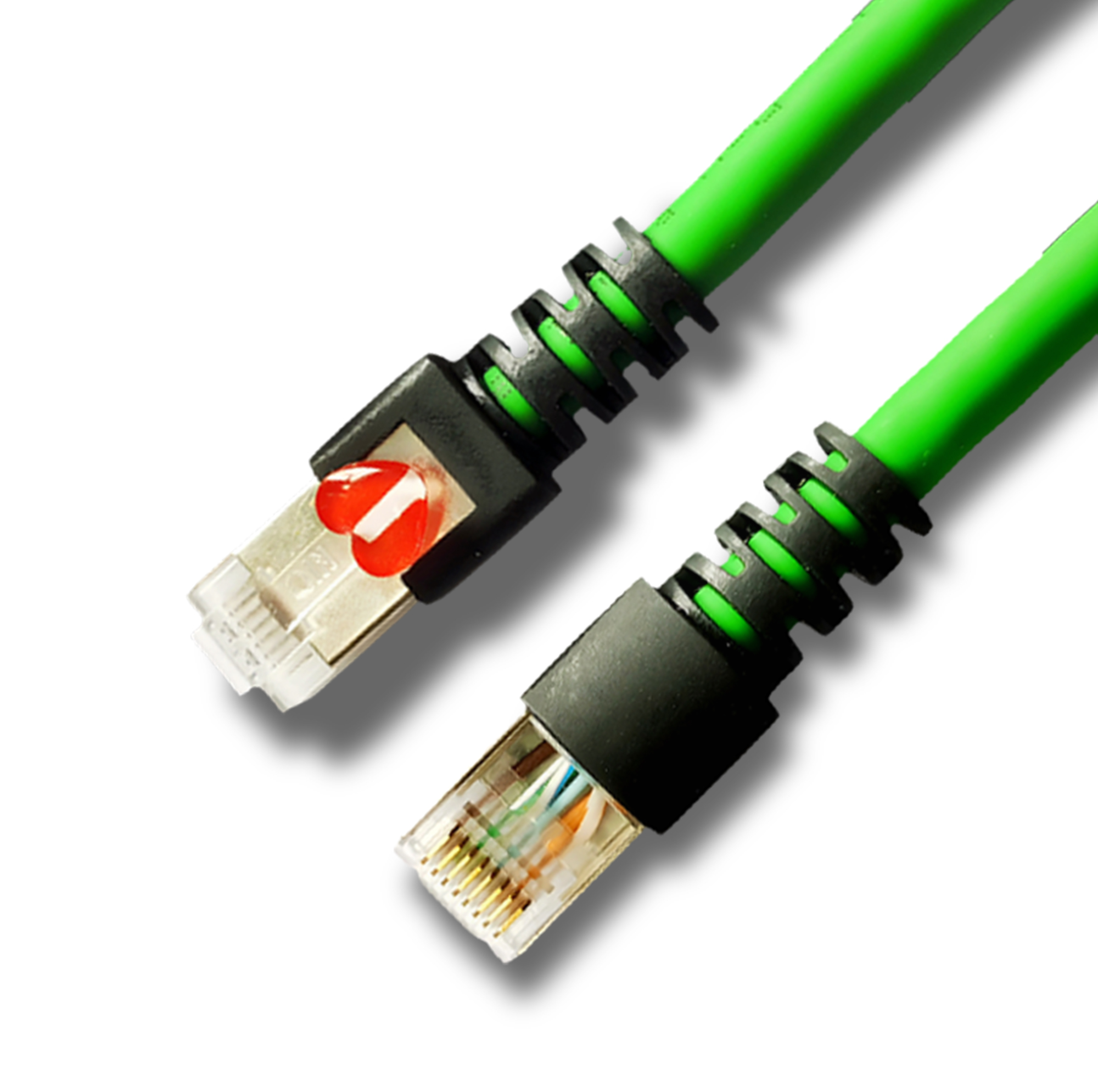
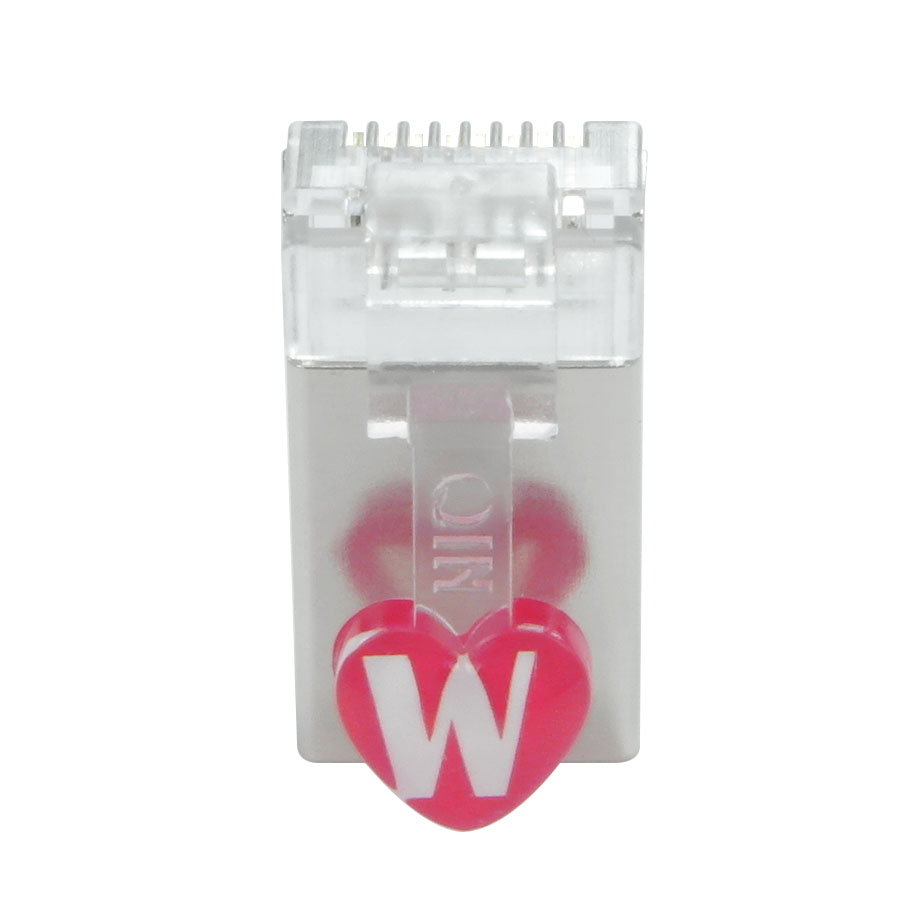
The joint adopts precision crimping conductive technology. The RJ45 crystal connector is equipped with 50μm thickened gold-plated contacts with good conductivity and strong oxidation resistance, which can permanently maintain smooth conduction of contacts. The crimping process strictly follows the T568B wiring standard. The eight conductive copper cores are accurately positioned without extrusion and broken wires. The conductors are closely attached to the metal contacts with nearly zero contact gaps, which greatly reduces the contact resistance of the interface and cuts down the conductive loss at the signal transfer point. The tail sheath reinforces and protects the bent position of the joint to prevent conductor fracture and conductive circuit breakage caused by frequent swinging, ensure the conduction continuity of the entire link, and eliminate intermittent network disconnection and network speed mutation caused by loose interfaces.
4. Strict Electrical Testing to Quantify Measured Conductivity Parameters
Every Cat6 UTP patch cord is fully tested by a professional Fluke electrical detector before leaving the factory. The conductive performance is verified with quantitative data, and core electrical indicators such as DC resistance, loop resistance, characteristic impedance, insulation resistance and conductive attenuation are strictly screened. The measured data shows that the loop resistance of the cable is strictly lower than 180Ω/km with extremely low conductive heat generation rate, and there is no obvious temperature rise under long-term high-load electrification. The near-end crosstalk and return loss values meet the standards during high-frequency transmission, with no clutter retention during conduction and pure and distortion-free signal transmission. Meanwhile, the cable passes the 2.5KV DC voltage resistance test without current breakdown and electric leakage under short-term high-voltage impact, achieving an extremely high electrical safety factor.
Excellent conductivity endows the cable with strong adaptation and compatibility, perfectly adapting to the PoE power supply transmission mode and realizing simultaneous power transmission and signal conduction. The stable conductive impedance can balance the fluctuation of power supply current, suppress electromagnetic clutter generated by power supply, prevent power current from interfering with network signals, and adapt to PoE-powered equipment such as wireless APs and security cameras. The conductive loss is nearly zero under short-distance wiring conditions, which can stably output 10Gbps transmission rate with millisecond-level delay and near-zero packet loss rate, meeting high-precision network requirements such as e-sports live broadcast, cloud computing and big data transmission.
5. Durable Conductivity for Long-Term Electrification Operation in Multiple Scenarios
Conductive stability depends not only on the initial electrical parameters, but also on the conductive durability after long-term use. The high-purity copper core of this patch cord has excellent ductility. Combined with the tough insulation protective layer, it can withstand tens of thousands of repeated bends without copper core fracture and surface conductive surface wear, maintaining constant conductivity for a long time. The flame-retardant and environmentally friendly PVC outer sheath is resistant to high and low temperatures and aging, with an applicable temperature range of -20℃~60℃. There will be no conductor deformation and insulation aging electric leakage in extreme temperature environments, enabling stable electrification operation in high-temperature cabinets and humid indoor spaces. Adopting lead-free environmentally friendly production technology, the cable complies with RoHS and REACH environmental certification without harmful impurity doping, avoiding the influence of residual production impurities on conductive efficiency.
Compared with low-quality cables on the market, this patch cord eliminates shoddy problems such as high-resistance conduction of copper-clad aluminum, impurity conduction of recycled copper, and reduced conductor cross-sectional area due to false wire gauge marking. It implements transparent electrical quality control with unified and standardized conductive parameters for each cable. The service life can exceed 10 years under conventional indoor environments without conductive attenuation and resistance surge, reducing wiring operation and maintenance costs significantly. The generalized specification is suitable for all conventional wiring scenarios, including household, office, industrial weak current and computer room wiring. It provides long-term, safe and low-loss current and signal transmission guarantee for various LANs with powerful and stable conductivity.
In conclusion, the Cat6 UTP unshielded patch cord takes the high-performance conductive system as its core competitiveness. It comprehensively optimizes the electrical conduction capability of network cables from high-purity oxygen-free copper conductor base material, scientific internal conductive structure and precise high-frequency conductive technology to strict electrical detection and long-term durable conductive design. The conductive characteristics of ultra-low resistance, stable impedance, low loss and strong anti-interference make it perfectly adapt to 10Gbps high-speed transmission and PoE power supply working conditions. Whether for short-distance desktop direct connection or medium and long-distance engineering wiring, this patch cord can maintain a pure and stable conductive state, reduce transmission loss and lower network failure probability. It is a preferred general-purpose cable in the integrated cabling industry that balances cost performance and conductive quality.
-
-
-
-
-
-
-
-
-
-
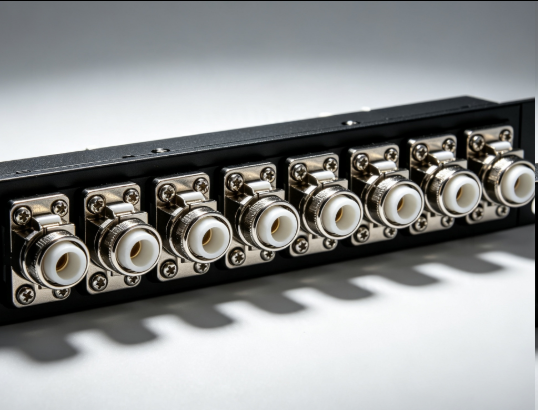
Flange Type Fixed Fiber Optic Adapter for Rack Panel
Sep 19, 2026955
-
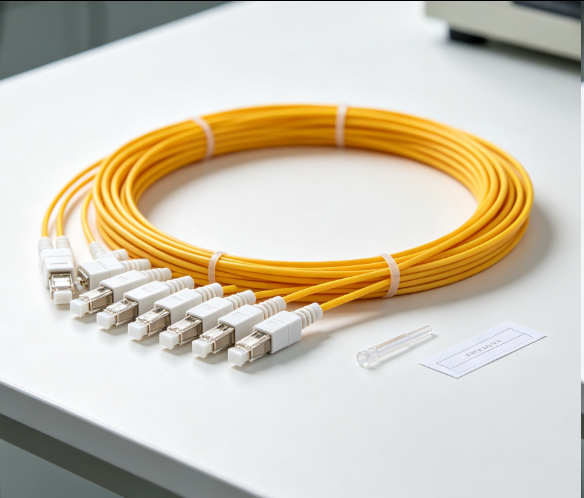
Fiber Pigtail 12 Cores SC UPC Single Mode
Sep 04, 2026930
-
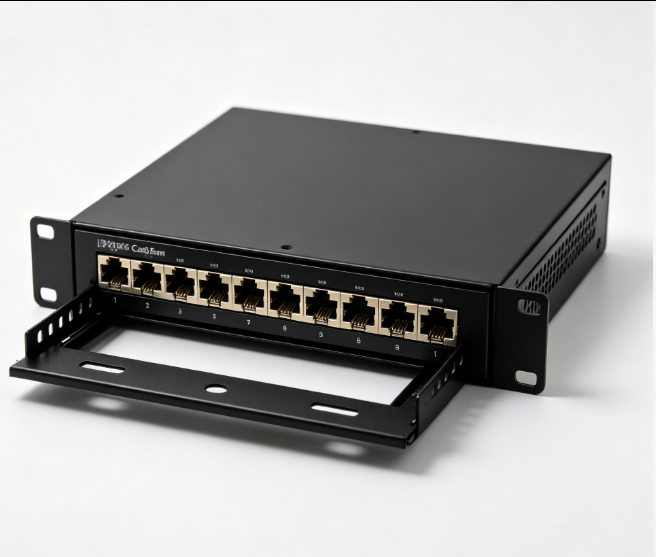
12 Port Cat6 Patch Panel Small Cabinet
Sep 12, 2026929
-
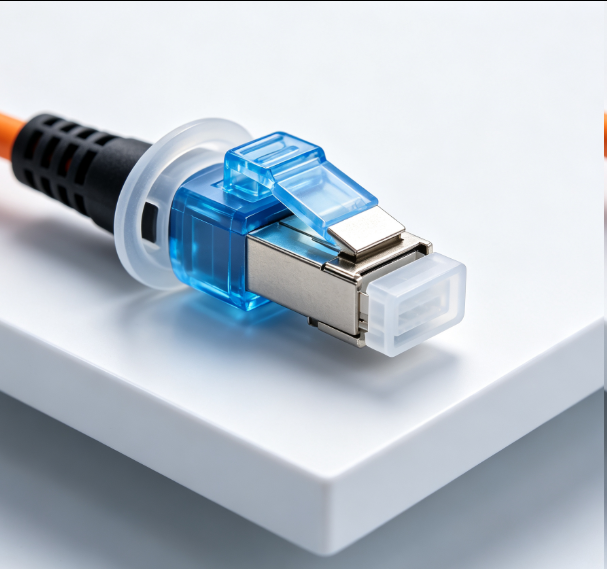
Dust Cap Equipped Fiber Patch Cable Protective
Sep 03, 2026929
-
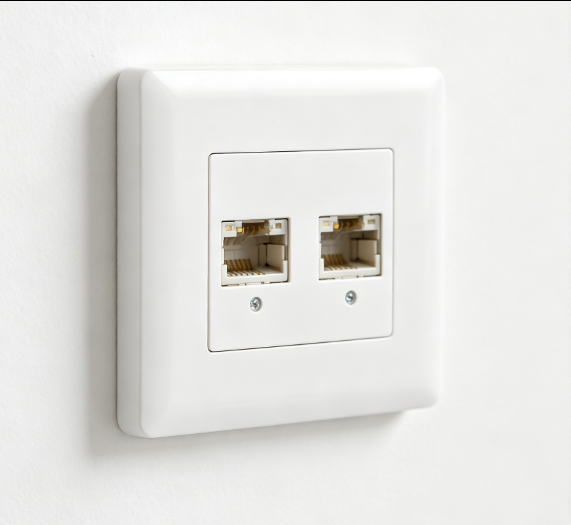
EU Standard Network Faceplate
Sep 11, 2026927