- Language
Cat6 UTP patch lead
In structured wiring, office networking, home broadband connection, monitoring system construction and weak current engineering renovation scenarios, most network problems such as stuttering, latency fluctuation, packet loss, disconnection, insufficient network speed and unstable transmission are not caused by insufficient router, switch or broadband bandwidth, but by abnormal transmission of patch cables. As the shortest, most frequently plugged and bent connection medium between network devices, Cat6 UTP unshielded patch leads seem structurally simple, yet they are the highest fault rate and most easily overlooked weak link in the entire LAN transmission chain. Ordinary low-cost Cat6 UTP patch cables on the market generally have process defects such as rough stranding technology, impure conductor materials, uneven insulation thickness, low-precision crimped crystal heads and poor bending resistance of outer sheaths. Long-term use easily induces a series of hidden transmission faults including excessive near-end crosstalk, excessive insertion loss, abnormal return loss, impedance mismatch, poor contact and structural deformation attenuation. Unlike obvious complete network disconnection, most of these faults are manifested as intermittent stuttering, game ping jumping, live streaming lag, large file transmission interruption, monitor offline and network speed collapse during multi-device concurrent use, greatly affecting network experience and engineering networking stability. Centered on solving and avoiding various common transmission faults, this Cat6 UTP patch lead comprehensively optimizes the inherent anti-interference shortcomings of unshielded cables, vulnerable defects of short-distance connection and high-frequency parameter drift problems through full-process technological upgrades. It fundamentally avoids common transmission failures of unshielded network cables and achieves stable full gigabit, low latency, low error rate and uninterrupted transmission effects, fully adapting to long-term stable networking demands in home, commercial, engineering and monitoring scenarios.
Optimized precision stranding structure completely eliminates high-frequency crosstalk faults of unshielded network cables. Crosstalk is the most common and core transmission fault of UTP unshielded patch cables, and the main cause of network speed fluctuation, data dislocation and latency jumping. Since UTP cables have no independent aluminum foil or copper mesh shielding layers, the four twisted pairs rely entirely on physical stranding structure to offset electromagnetic interference. Low-quality ordinary cables adopt extensive random stranding technology with highly homogeneous pitch, uneven winding density and large pitch errors. During high-frequency gigabit data transmission, electromagnetic coupling interference is easily generated between wire pairs, causing severe near-end and far-end crosstalk. The intuitive manifestations include normal single-device speed test but frequent stuttering, packet loss and data retransmission during multi-device simultaneous networking, high-throughput data transmission and video streaming, resulting in a significantly increased network error rate. Strictly complying with the international T568B wiring standard and adopting industrial-grade precision differentiated pitch technology, this Cat6 UTP patch lead applies customized exclusive pitch for each of the four twisted pairs with staggered arrangement, accurate pitch and uniform winding. The physical structure effectively offsets electromagnetic resonance between wire pairs, greatly reduces crosstalk values and minimizes the occurrence rate of crosstalk faults. Even without shielding protection, it stabilizes high-frequency gigabit transmission timing, eliminates intermittent transmission failures caused by crosstalk, and ensures pure and stable link performance during multi-device concurrent internet access and continuous large-file transmission.
High-purity oxygen-free copper standardized conductors eliminate network speed attenuation and signal distortion faults caused by conductor loss. Most cheap counterfeit Cat6 patch cables on the market adopt inferior conductors such as copper-clad aluminum, copper-clad iron and recycled impure copper, featuring substandard resistivity, uneven cross-section and high impurity content, which directly induce stubborn transmission faults including excessive insertion loss, rapid signal attenuation and waveform distortion. Such cables work normally in low-speed short-distance use, but will suffer from severe signal attenuation, compressed transmission bandwidth, capped network speed and failure to reach full gigabit speed during long-term full-load gigabit transmission, accompanied by hidden faults such as packet loss, transmission interruption and file verification failure. Long-term electrified operation accelerates conductor oxidation and continuously increases internal resistance, leading to more frequent faults and eventually frequent network disconnection and abnormal device recognition. This Cat6 UTP patch lead adopts full high-purity oxygen-free copper solid conductors with standard 23AWG uniform wire diameter, uniform cross-section, stable resistivity and strong oxidation resistance. It strictly controls high-frequency transmission loss parameters and fully meets Cat6 standards for insertion loss and return loss, effectively avoiding transmission attenuation, bandwidth shrinkage and data distortion caused by defective conductor materials. It maintains continuous full-speed gigabit output without oxidation, attenuation or packet loss during long-term use, thoroughly solving the aging transmission fault of ordinary cables that perform well when new but become increasingly laggy over time.
Uniform insulated precision coating avoids signal reflection and timing disorder faults caused by impedance imbalance. The coating accuracy of cable insulation layers directly determines overall impedance consistency, and impedance imbalance is a hidden inducement for high-frequency transmission faults of unshielded patch cables. Ordinary cables adopt extensive extrusion technology with eccentric, uneven and loosely fitted insulation walls, resulting in greatly fluctuating impedance parameters and failure to maintain the standard 100Ω characteristic impedance. During high-frequency gigabit signal transmission, unstable impedance causes signal reflection, waveform distortion and transmission timing disorder, inducing data packet dislocation, retransmission and packet loss. The typical symptoms include esports latency fluctuation, frequent live buffering, unstable LAN file copying speed and offline reconnection of smart devices. Adopting high-density uniform PE insulation and fully automatic coaxial integrated molding technology, this Cat6 UTP patch lead features non-eccentric, uniform-thickness insulation closely fitted with copper cores and highly consistent overall impedance. It effectively reduces high-frequency dielectric loss and signal reflection interference, stabilizes transmission timing and waveform integrity, and fundamentally eliminates various hidden transmission faults caused by impedance imbalance, ensuring accurate timing, constant speed and stable network transmission status.
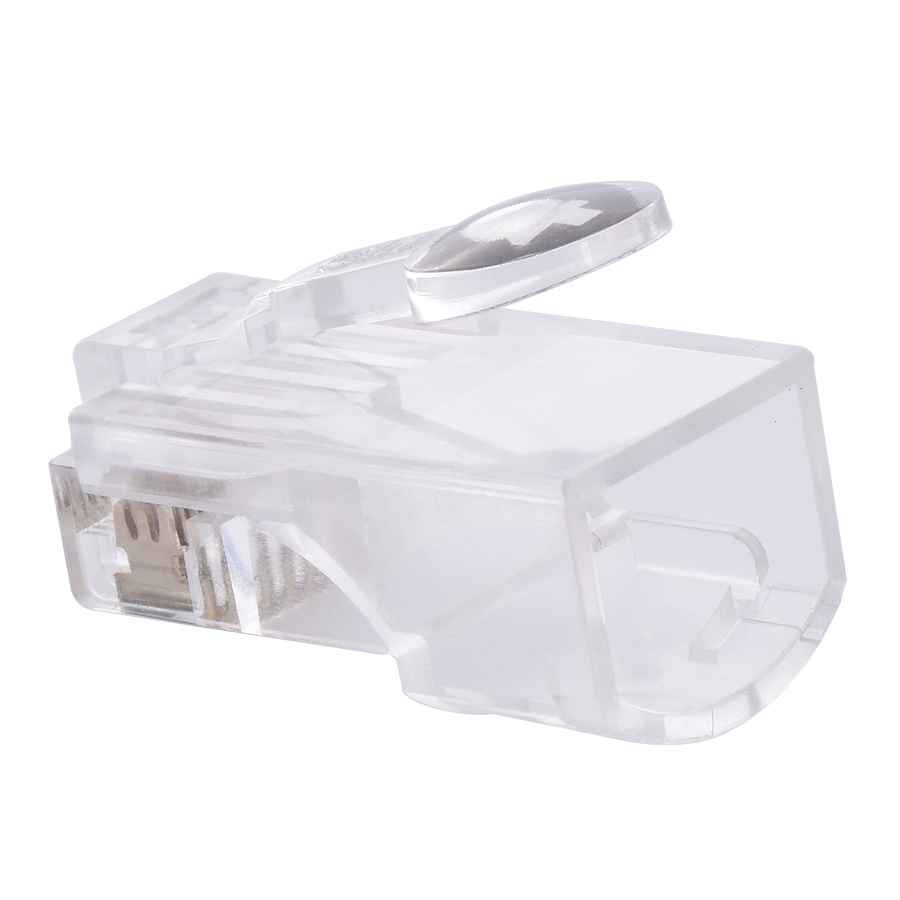
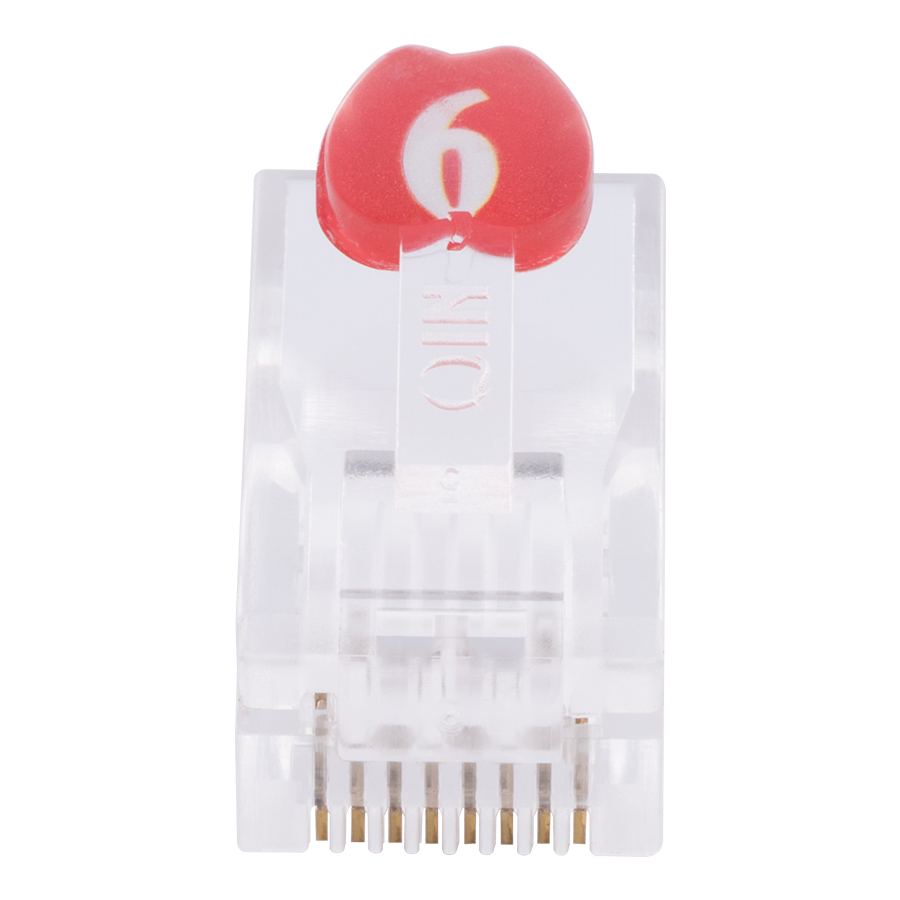
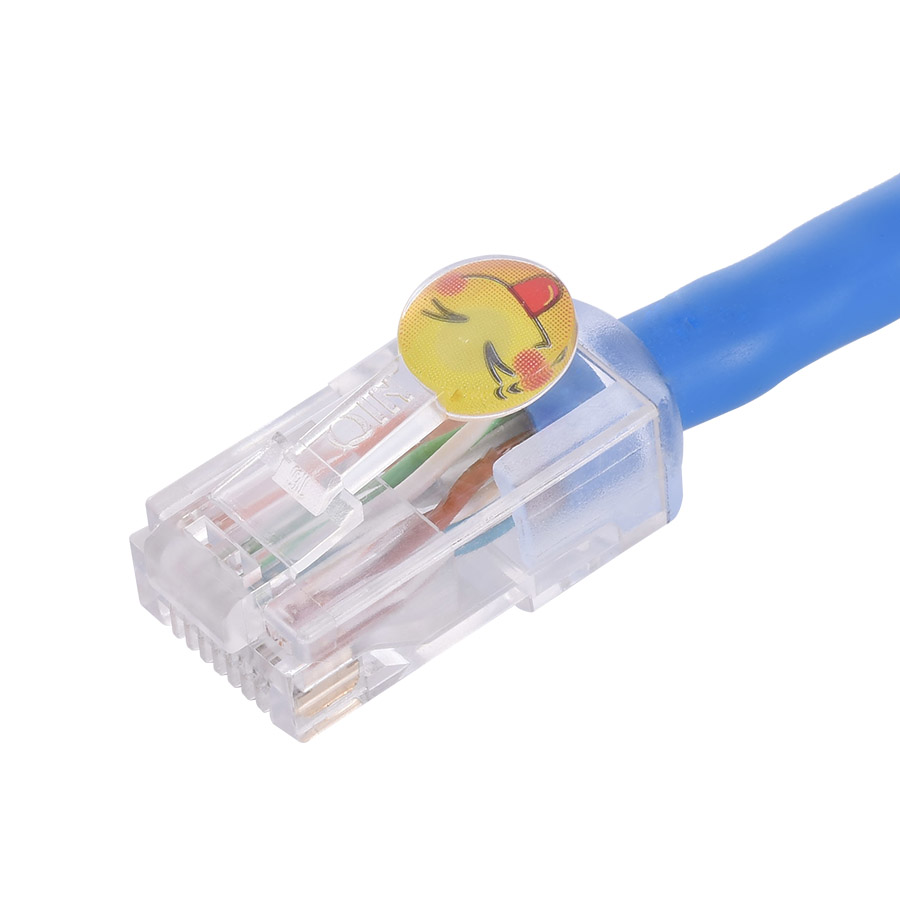
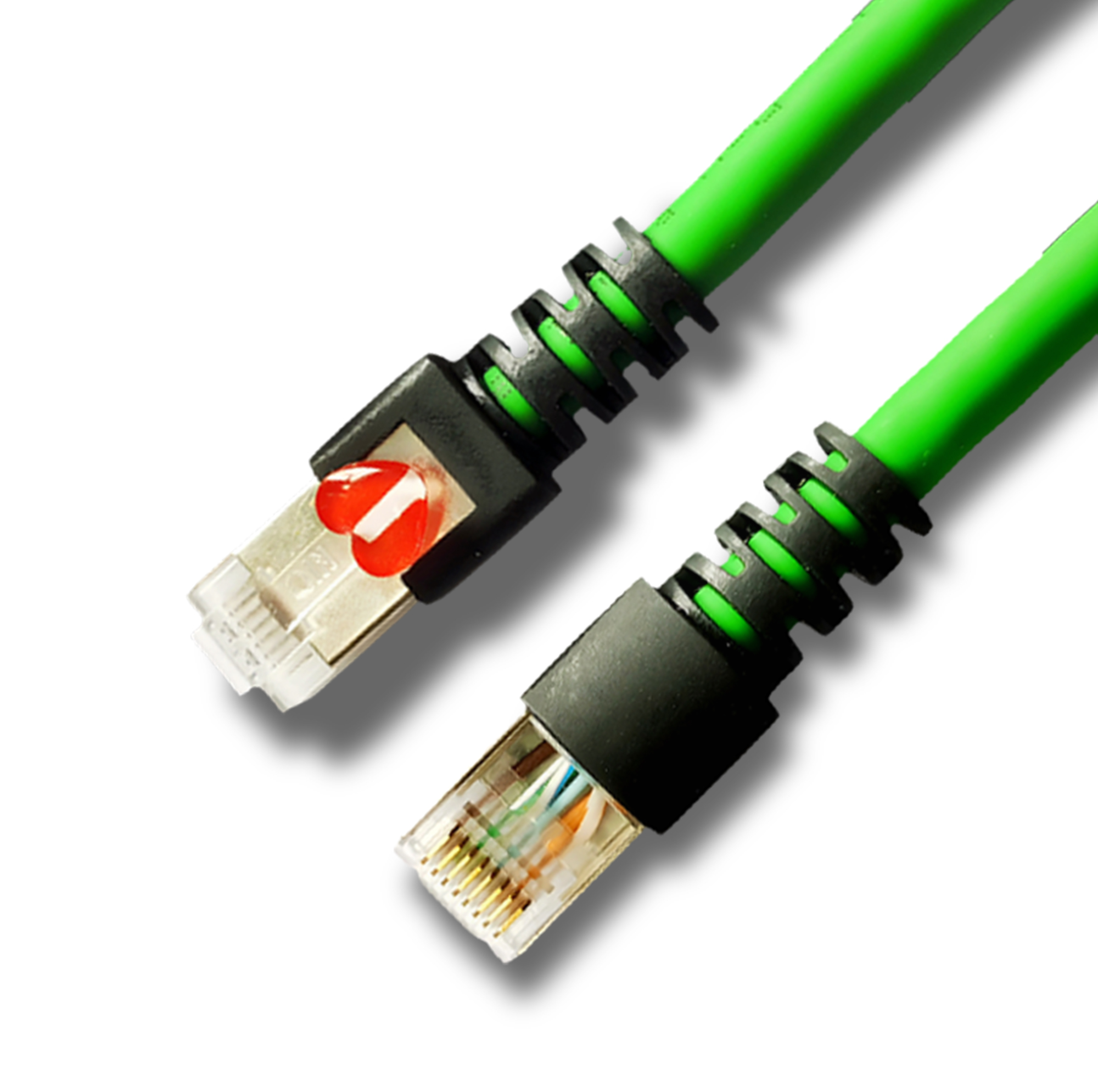
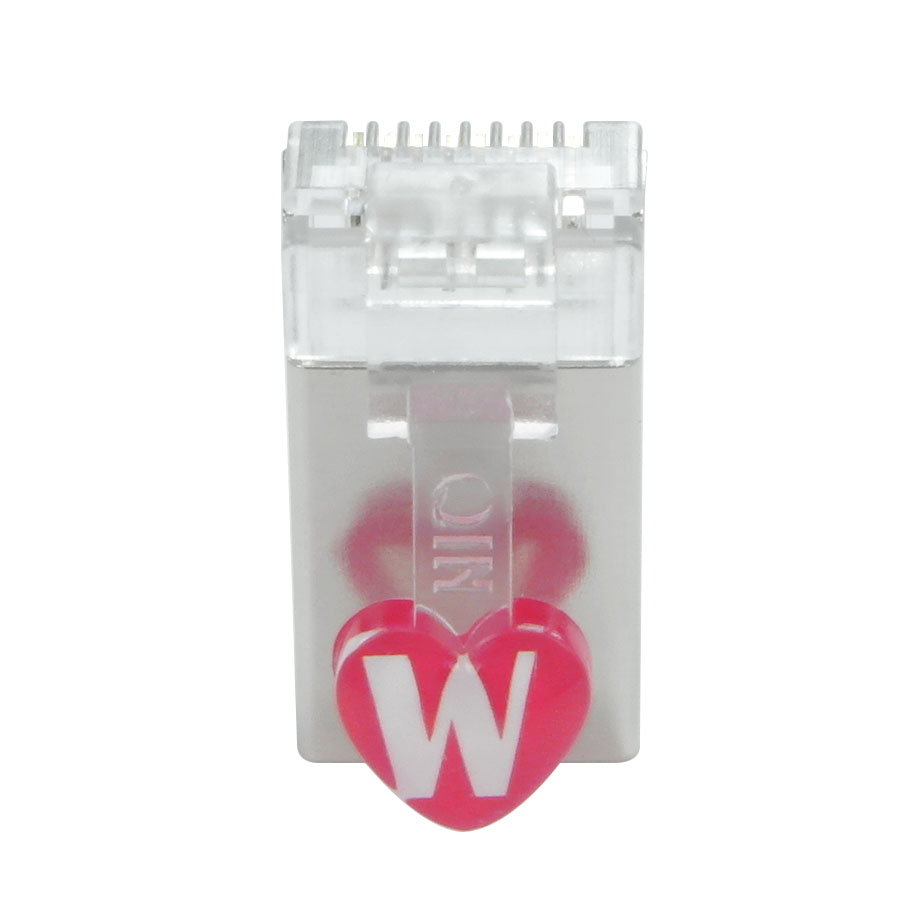
High-precision crystal head crimping and gold-plated contact technology solve intermittent disconnection faults caused by poor interface contact. The cable joint is the highest fault rate position in the entire link, and most intermittent disconnections, abnormal speed tests and device recognition failures stem from defective crystal head technology. Ordinary Cat6 patch cables adopt thin gold plating, rough cutting and simple manual crimping, resulting in easily oxidized black contacts, unstable contact resistance and uneven crimping depth of eight cores. Slight vibration or desktop movement easily causes poor contact and instantaneous line disconnection, triggering typical faults such as network flash disconnection, zero speed drop and device offline reconnection, which seriously affect high-continuity transmission scenarios including continuous monitoring recording, server data synchronization and live streaming push. This Cat6 UTP patch lead adopts thickened gold-plated RJ45 crystal heads with oxidation resistance, corrosion resistance and plugging resistance, avoiding oxidation blackening and increased contact resistance after long-term use. Equipped with fully automatic precision balanced crimping technology, the eight cores feature accurate positioning, uniform stress and tight occlusion without virtual connection, looseness or offset. The lengthened reinforced injection-molded tail disperses bending stress and prevents root core fracture, shielding looseness and line breakage, thoroughly eliminating high-frequency intermittent disconnection, poor contact and unstable transmission faults at the interface position.
High-toughness bending-resistant outer sheath structure avoids chronic transmission faults caused by line deformation. During daily desktop wiring, cabinet storage and device movement, network cables undergo frequent bending, twisting and extrusion. Ordinary cables have brittle and low-toughness outer sheaths, easily causing internal core dislocation, pitch deformation and extruded insulation damage after bending, further inducing chronic deformation transmission faults. Such faults do not cause immediate network disconnection but lead to continuous parameter drift, rising crosstalk and increased loss, resulting in gradually worsening network lag and irregular stuttering even under low-load conditions, which are the most difficult hidden faults to troubleshoot in engineering wiring. Adopting high-elastic eco-friendly modified PVC outer sheath with excellent toughness, tear resistance, bending resistance and aging resistance, this Cat6 UTP patch lead withstands tens of thousands of repeated bends without deformation, cracking or internal structural damage. With moderate hardness and neat storage without distortion, it maintains complete internal pitch, impedance and structural stability under long-term narrow cabinet extrusion and frequent desktop movement, eliminating parameter drift and chronic transmission faults caused by deformation and ensuring constant transmission parameters and non-decaying performance of the entire link.
Standard compliant parameter system avoids high-match low-use faults caused by substandard bandwidth. A large number of non-standard counterfeit Cat6 patch cables on the market only imitate Cat6 appearance but retain Category 5 bandwidth standards with a maximum bandwidth of only 100MHz, incapable of carrying high-frequency gigabit data traffic. Mandatory gigabit operation causes bandwidth congestion, data overflow, frequent packet loss and speed locked at 100Mbps, resulting in failure to achieve genuine gigabit network even after broadband and equipment upgrades. Strictly complying with ISO/IEC 11801 Cat6 standards, this Cat6 UTP patch lead achieves a rated bandwidth of 250MHz, perfectly adapting to gigabit Ethernet transmission protocols with sufficient bandwidth margin and high fault tolerance. It easily carries high-load network conditions including multi-device concurrency, 4K/8K high-definition video, large-scale games and high-speed downloads, completely avoiding transmission bottleneck faults caused by insufficient bandwidth and substandard parameters. Meanwhile, it supports full-rate adaptive compatibility with 100Mbps and gigabit networks, adapting to all RJ45 interface devices such as routers, switches, computers, monitors, NAS and smart hosts with plug-and-play convenience, stable adaptation, no compatibility faults and no rate conflicts.
Full-dimensional fault avoidance optimization targeting the inherent working condition shortcomings of unshielded cables is the core advantage of this Cat6 UTP patch lead. Different from shielded cables relying on physical shielding layers for anti-interference performance, this product eliminates four major high-frequency transmission faults of UTP cables including crosstalk susceptibility, deformation vulnerability, attenuation tendency and poor contact through extreme structural technology, precise parameter control and high-quality material proportioning. It achieves shielded-level stable transmission effect in conventional home, office, weak current engineering and monitoring scenarios without strong electromagnetic interference. It requires no complex grounding construction, features wider adaptation scenarios and simpler wiring, and thoroughly eliminates stuttering, packet loss, latency, disconnection and virtual speed faults of ordinary non-standard Cat6 cables. With stable, low-error and long-life industrial-grade transmission quality, it serves as a cost-effective and zero-fault preferred wiring solution for small and medium-sized networking and daily equipment connection.
-
-
-
-
-
-
-
-
-
-
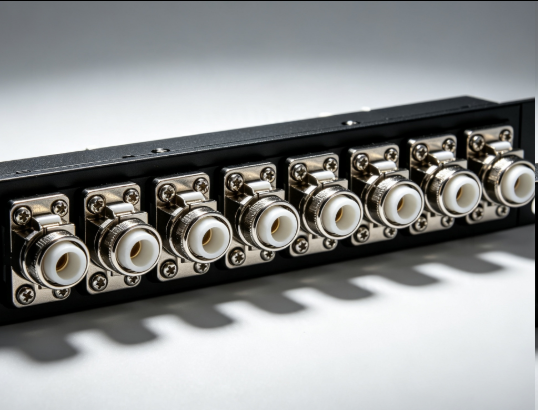
Flange Type Fixed Fiber Optic Adapter for Rack Panel
Sep 19, 2026956
-
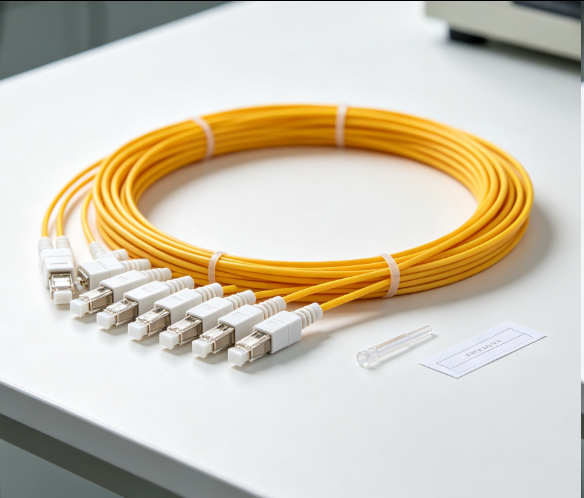
Fiber Pigtail 12 Cores SC UPC Single Mode
Sep 04, 2026930
-
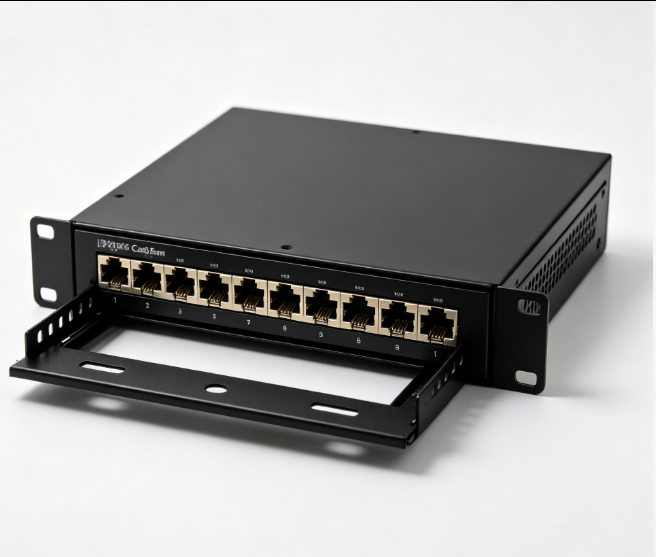
12 Port Cat6 Patch Panel Small Cabinet
Sep 12, 2026929
-
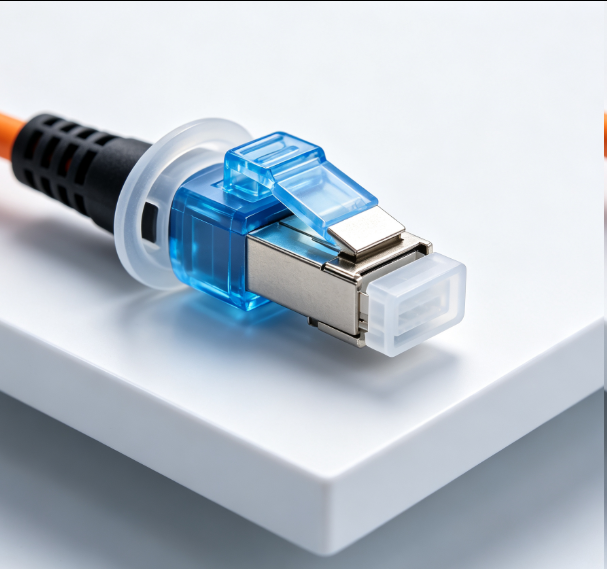
Dust Cap Equipped Fiber Patch Cable Protective
Sep 03, 2026929
-
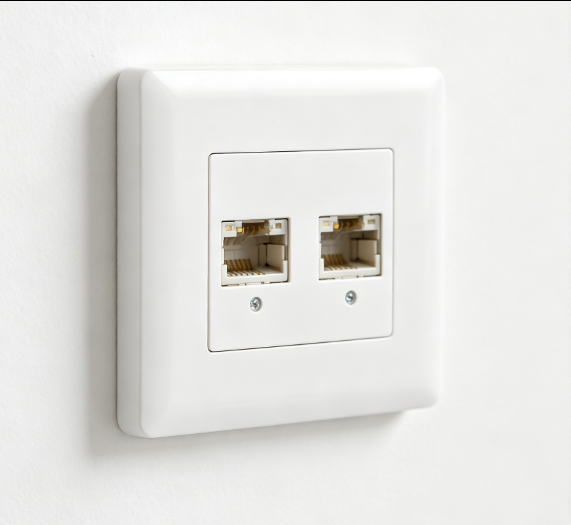
EU Standard Network Faceplate
Sep 11, 2026927