- Language
Cat6 copper UTP patch lead
Cat6 copper UTP patch lead is a core connecting wire in integrated wiring systems, widely used in computer room switch docking, terminal equipment networking, office LAN construction, weak current engineering link switching and other scenarios. Relying on pure copper cores, regular twisted pair structures and high-precision sheaths, it realizes stable high-speed network transmission of gigabit and 10-gigabit networks. The transmission performance of Cat6 patch leads requires extremely high cleanliness of production, construction and service environments, and various tiny impurities are invisible inducements that affect link stability, reduce transmission bandwidth and cause network faults. From the perspective of impurities, residual impurities from production, attached impurities during construction and accumulated dust impurities during operation will directly damage the structural integrity and electrical performance of Cat6 copper UTP patch lead, resulting in excessive crosstalk, abnormal return loss, link disconnection and other problems. Therefore, systematically analyzing the source and damage mechanism of various impurities and implementing full-process clean management and control are the core keys to ensure the long-term stable transmission of Category 6 unshielded copper patch leads and meet high-speed networking standards.
Impurities contaminating Cat6 copper UTP patch lead are mainly divided into three categories: production process impurities, engineering construction impurities and operating environment impurities, with obvious differences in adhesion positions and generation scenarios. Residual impurities in the production stage include copper core oxidation powder, insulation skin debris, colloid particles and polishing dust, mostly left by the processes of wire extrusion, cutting, stripping and crimping. Some low-quality patch leads fail to undergo clean dust removal during production, and tiny impurities will adhere to the conductor surface, twisted pair gaps and crystal head crimping areas. Impurities in the construction and installation stage have the most extensive sources. Cement dust, sand and gravel particles, metal iron scraps, glue residues and oil stains on construction sites easily penetrate into link interfaces and core gaps during wire stripping, crystal head crimping and wire laying. During long-term equipment operation, suspended air dust, fiber impurities and dirt wrapped in humid condensation will continuously accumulate on patch lead interfaces, sheath surfaces and wiring gaps, forming continuous impurity pollution.
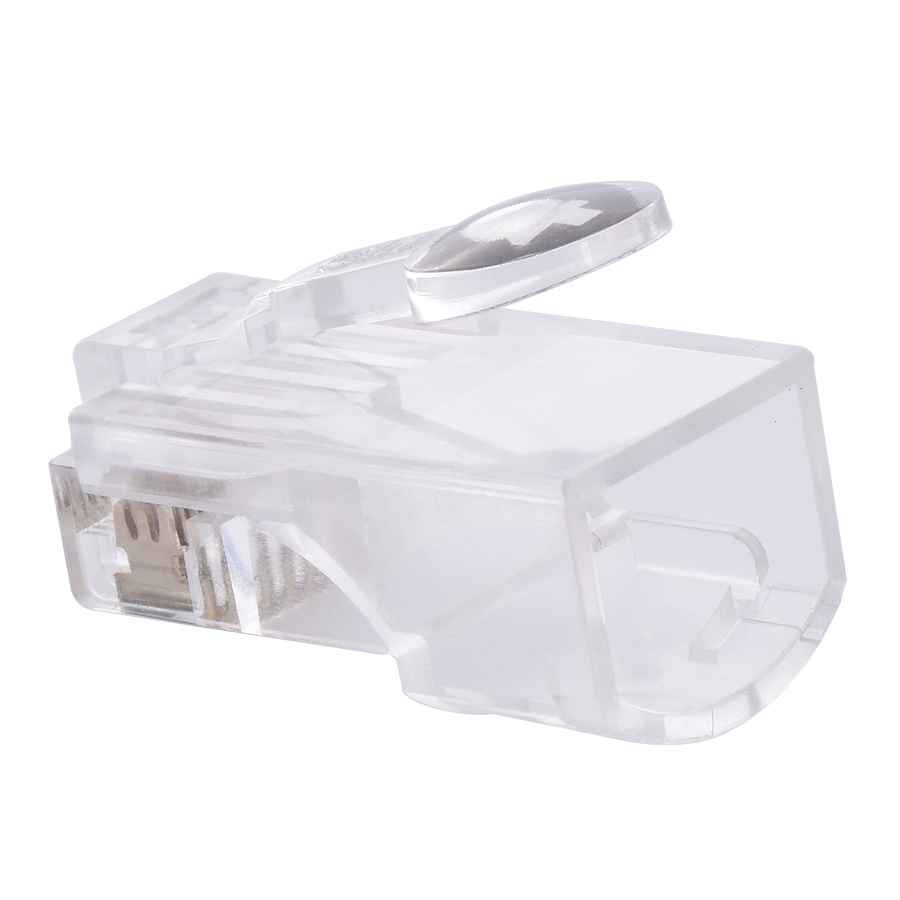
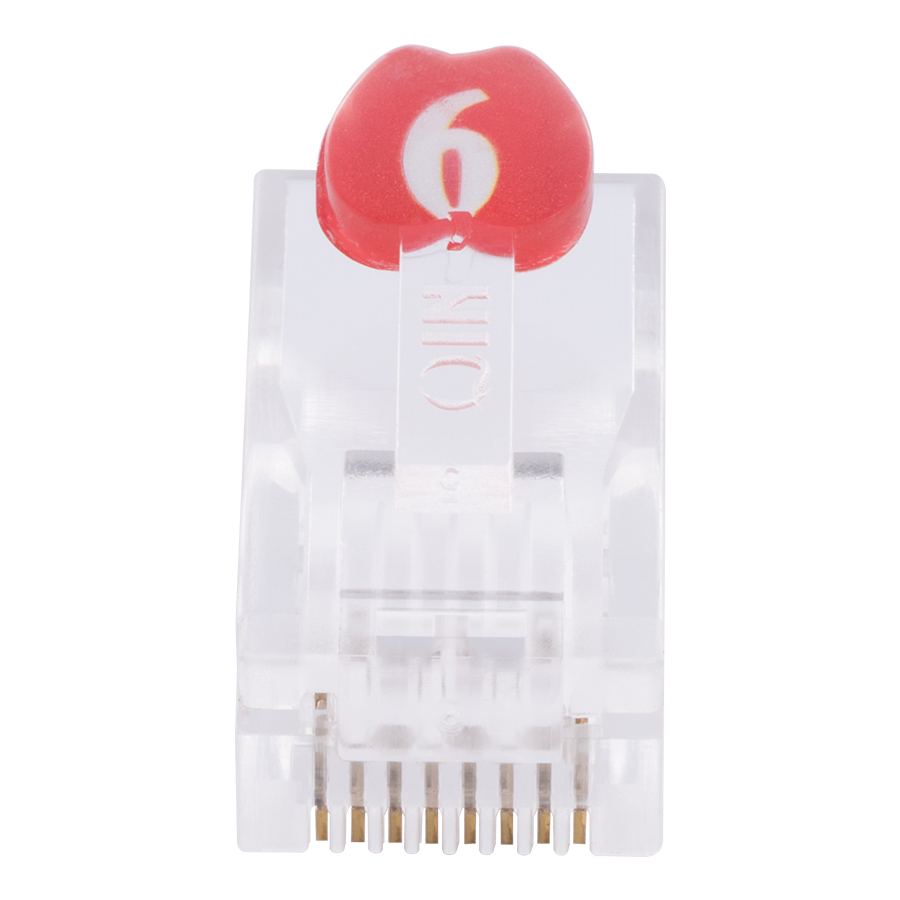
Although trace impurities are tiny, they will cause irreversible negative impacts on the high-speed transmission performance of Cat6 copper UTP patch lead and seriously damage the transmission parameter standards of Category 6 wires. Firstly, conductive impurities and metal debris attached to the surface of copper core conductors will change the conductor resistance of the wires, cause local current disorder, aggravate network signal attenuation and reduce transmission bandwidth, making it unable to stably carry 10-gigabit high-speed data transmission. Secondly, dust and colloid impurities in twisted pair gaps will destroy the uniform pitch structure of twisted wires, change the capacitance and inductance parameters between wire pairs, directly lead to excessive near-end crosstalk and far-end crosstalk, and cause network congestion, packet loss and delay fluctuation, as well as frequent disconnection faults in high-frequency data transmission. In addition, impurities at crystal head interfaces and crimping terminals will cause poor contact and intermittent link disconnection. Meanwhile, the accumulation of dust wrapped by humid impurities will accelerate the oxidation and corrosion of copper cores and shorten the overall service life of patch leads.
Aiming at the performance loss and hidden faults caused by impurities, a full-process clean management and control system covering production, construction and operation and maintenance needs to be established to fully avoid impurity pollution of Cat6 copper UTP patch lead. In the production link, adopt dust-free workshop operation, add dust removal, deoxidation and cleaning procedures to completely remove process residual impurities on copper cores, insulation layers and joints, and ensure the factory cleanliness of wires. In the construction and wiring stage, implement dust-free construction specifications, avoid wiring and crimping operations in environments with dense dust, oil pollution and construction waste, clean tools and operation areas before construction, and remove residual debris at interfaces in time after wiring to prevent impurities from remaining inside the links. In daily operation and maintenance, regularly clean the surface of patch leads and crystal head interfaces, and use dust-free brushes and high-pressure air blowers to remove accumulated dust impurities and avoid long-term accumulation and oxidation of impurities. Strict clean management and control can completely eliminate the interference of impurities on wire transmission performance, ensure that Cat6 copper UTP patch lead always complies with Category 6 wiring transmission standards, achieve high-speed, stable and long-term network transmission, and reduce networking operation and maintenance faults and rework costs.
-
-
-
-
-
-
-
-
-
-
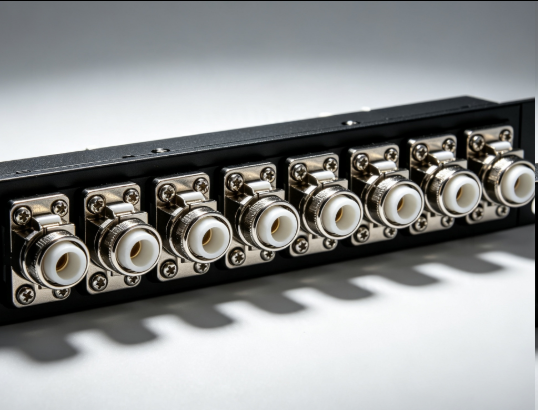
Flange Type Fixed Fiber Optic Adapter for Rack Panel
Sep 19, 2026955
-
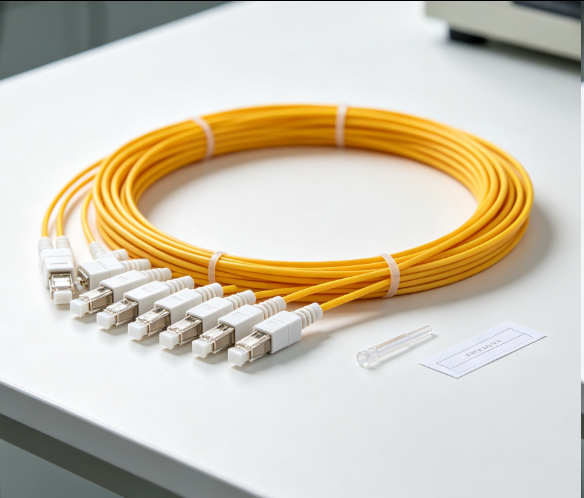
Fiber Pigtail 12 Cores SC UPC Single Mode
Sep 04, 2026930
-
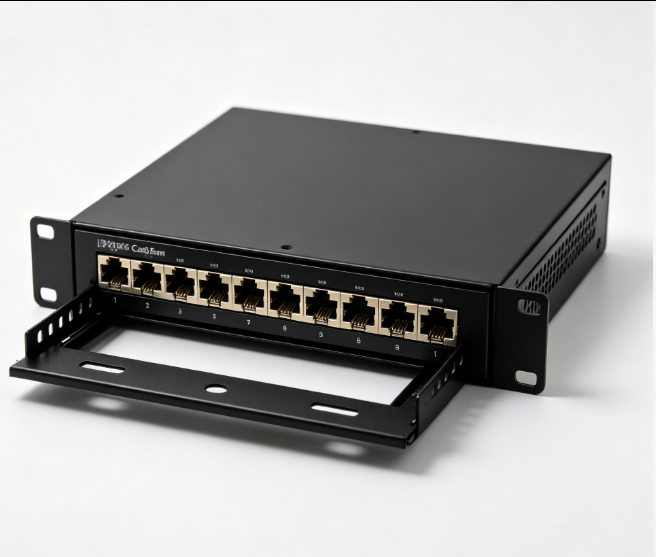
12 Port Cat6 Patch Panel Small Cabinet
Sep 12, 2026929
-
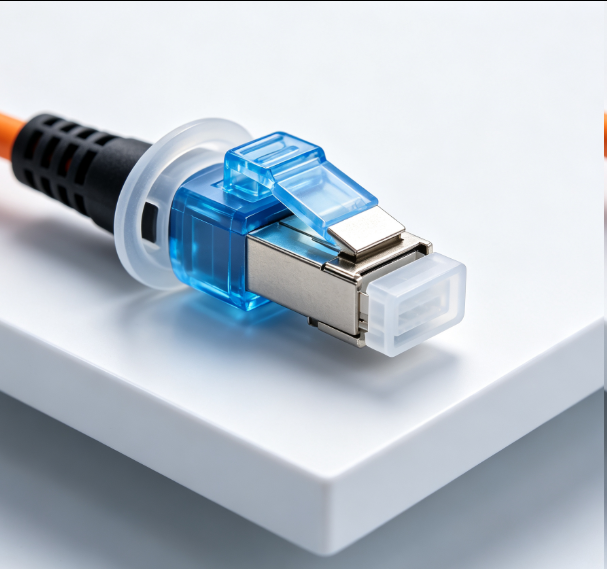
Dust Cap Equipped Fiber Patch Cable Protective
Sep 03, 2026929
-
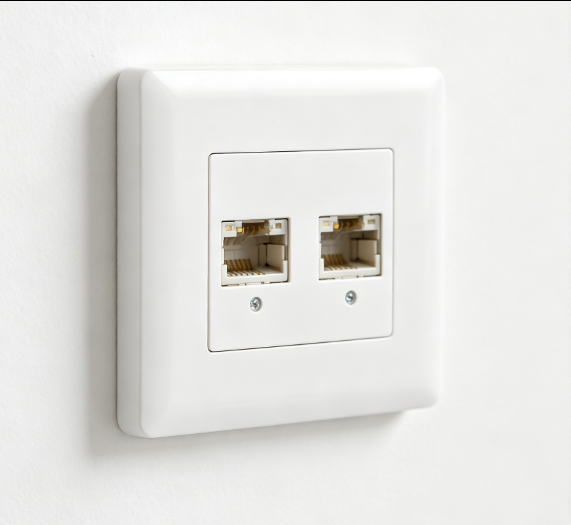
EU Standard Network Faceplate
Sep 11, 2026927