- Language
Cat6A Copper UTP Patch Lead: Reshaping the New-Generation 10G Cabling System with Modular Architecture
In high-density networking scenarios such as modern data centers, enterprise parks, smart buildings and high-definition security monitoring, the overall architectural design of network cabling directly determines the transmission ceiling, expansion capability, construction efficiency and long-term stability of the entire system. Common network problems including system stuttering, bandwidth bottlenecks, difficult expansion and unqualified engineering acceptance stem not from insufficient equipment performance, but from inherent defects of traditional Cat6 cabling architecture, such as weak anti-crosstalk capability, insufficient high-frequency bandwidth, poor structural adaptability and severe interference in high-density wiring. As the core component of the new-generation standardized cabling system, Cat6A Copper UTP Patch Lead breaks through the architectural limitations of traditional wiring through optimized physical structure, channel architecture and modular networking design. With the architectural advantages of non-shielding, strong structure, high compatibility and easy deployment, it builds a lightweight, standardized and expandable 10G network cabling system, becoming the mainstream architectural choice for government and enterprise projects, commercial complexes, computer room renovation and intelligent building upgrading.
From the perspective of core physical architecture, Cat6A UTP patch leads restructure the internal structural logic of unshielded network cables, achieving shield-level anti-interference and low crosstalk performance purely through physical optimization, and completely solving the performance shortcomings of traditional UTP wiring. Different from the loose twisted pair structure of ordinary Cat6 cables, Cat6A ultra-six类 unshielded patch leads adopt a dual structural design of precision staggered twisted pair architecture and enhanced central isolation spline. The twist pitch and spacing of the four wire pairs are precisely arranged with differentiated parameters, fundamentally eliminating internal near-end crosstalk and far-end crosstalk between wire pairs. The upgraded integrated rigid isolation frame physically separates the four groups of wire pairs completely, avoiding signal coupling interference caused by wire fitting and extrusion, and solving the common problem of excessive high-frequency crosstalk in traditional unshielded cables. Equipped with 23AWG thickened high-purity solid oxygen-free copper conductors, the regular round wire structure ensures uniform and stable impedance distribution with minimal impedance fluctuation under 500MHz high bandwidth. It fully meets the strict alien crosstalk test requirements of ISO/IEC 11801 international standards, making it a rare engineering-grade cabling product that realizes high-frequency low interference without shielding layers.
In terms of channel networking architecture, Cat6A UTP patch leads build a full-link balanced transmission architecture, realizing stable 10G transmission over 100 meters and solving the performance imbalance problem of traditional wiring in different transmission distances. Traditional Cat6 cabling has inherent architectural limitations: the 250MHz bandwidth ceiling only supports short-distance 10G transmission, with severe high-frequency signal attenuation and surging crosstalk beyond 50 meters, resulting in sharp speed drop and failing to maintain unified networking standards for long-distance building and cross-room links. Optimized for 500MHz full high-frequency bandwidth, the exclusive channel architecture of Cat6A UTP achieves zero-attenuation and zero-crosstalk 10Gbps uniform transmission over the entire 0-100m range through precise structural ratio and low-loss physical design. This balanced channel architecture ensures consistent 10G performance in both long-distance core room transmission and terminal short-distance access, completely eliminating performance faults in the networking architecture and adapting to complex engineering architectures such as layered building networking, multi-area distributed networking and long-distance cross-computer room wiring.
The high-density adaptive architecture enables Cat6A UTP patch leads to adapt to modern intensive wiring projects. Modern smart computer rooms, office building weak current wells and comprehensive pipe galleries all adopt high-density intensive wiring modes. Densely arranged traditional unshielded cables are prone to external crosstalk interference, leading to the collapse of the entire network system stability. With upgraded structural design, Cat6A UTP optimizes wire outer diameter and structural compactness, retaining high-strength isolation performance while achieving flexible bending and high pipe penetration rate. Compared with shielded cables, the UTP non-shielded structure has a simpler design without metal shielding layers and grounding requirements, completely avoiding systematic interference caused by poor grounding of shielded cables. In high-density parallel wiring scenarios, its unique physical anti-crosstalk structure independently suppresses external signal interference, enabling multiple cables to operate in parallel without mutual impact. It perfectly adapts to compact architectural scenarios such as high-density cabinet wiring, intensive weak current box wiring and concealed ceiling wiring, greatly improving the standardization and stability of wiring projects.
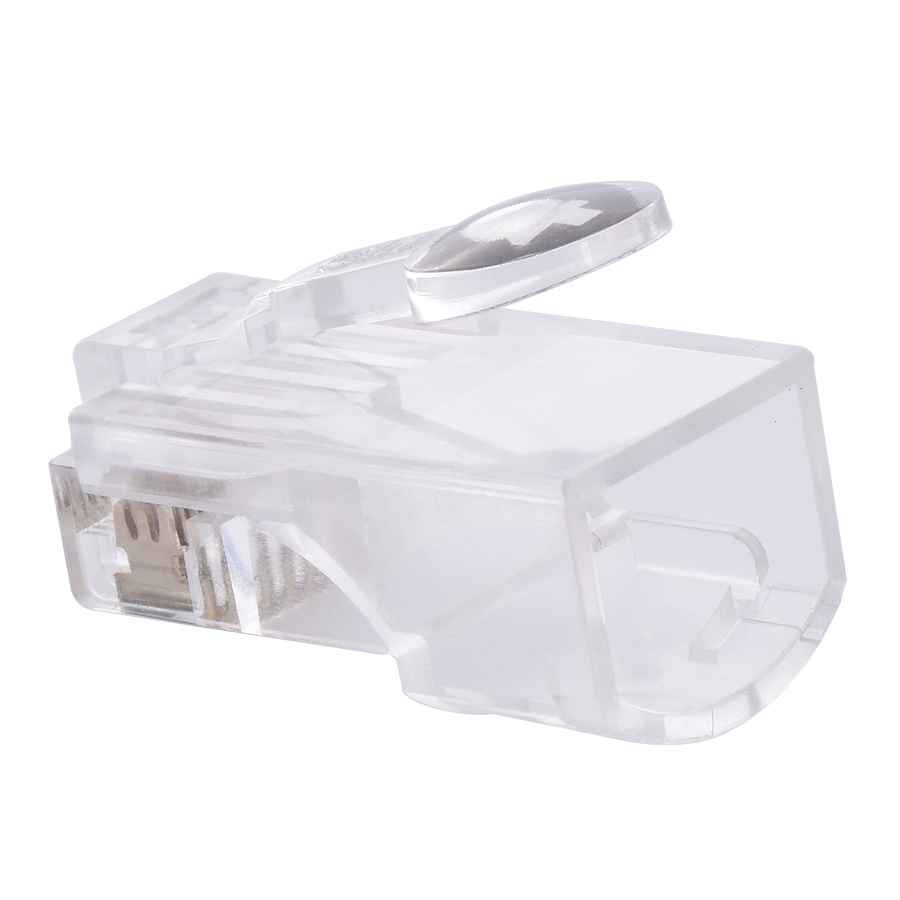
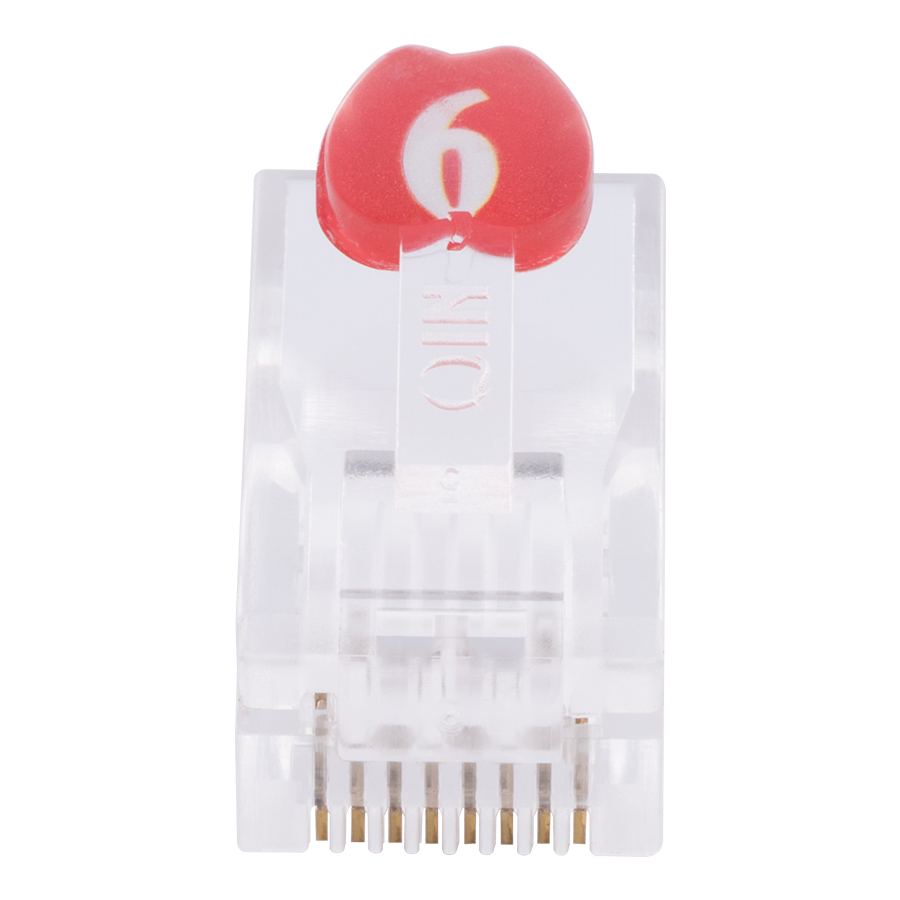
The modular compatible architecture endows Cat6A UTP patch leads with strong system adaptation and iterative capabilities, realizing seamless upgrading of new and old network architectures. Modern enterprise network architectures generally feature mixed new and old equipment, diverse rate levels and complex networking modules, putting forward high requirements for cable compatibility. Adopting a universal standardized RJ45 interface architecture, Cat6A UTP patch leads are fully backward compatible with all traditional Cat6 and Cat5e wiring architectures, supporting adaptive transmission of 10/100/1000M, 2.5G, 5G and 10G rates. They can seamlessly connect new and old switches, routers and terminal devices without renovating the original network architecture, making them ideal for old computer room upgrades and building wiring renovation. Meanwhile, its architecture supports high-level PoE++ power supply, stably realizing integrated power and data transmission for high-power wireless APs, high-definition surveillance cameras and intelligent sensor devices. In the integrated weak current architecture of smart buildings, one cable fulfills dual functions of data transmission and equipment power supply, simplifying the weak current wiring structure, reducing pipeline quantity and lowering project complexity.
From the perspective of engineering operation and maintenance architecture, the minimalist structural design of Cat6A UTP greatly reduces construction and maintenance costs, suitable for large-scale engineering implementation. Shielded cabling requires complex construction procedures including professional grounding and shielding termination, with high process requirements, high labor costs and potential risks caused by construction errors. In contrast, Cat6A UTP pure copper unshielded architecture features a simple structure, convenient termination and high fault tolerance, enabling efficient standardized construction by ordinary teams with over 40% higher construction efficiency than shielded wiring. Meanwhile, the simplified non-shielded structure is bending-resistant, aging-resistant and durable, avoiding structural faults such as shielding layer oxidation and grounding failure that commonly occur in shielded cables during long-term operation. The entire wiring system delivers higher stability and lower maintenance difficulty. With an 8-12 year long-term stable service cycle, it supports long-term fault-free operation of the network system and avoids architectural reconstruction caused by structural aging, building a reusable and expandable minimalist high-efficiency wiring system for enterprises.
In conclusion, the core value of Cat6A Copper UTP Patch Lead lies in optimizing performance through structural upgrading rather than material stacking. It realizes high-end 10G networking performance with a lightweight, standardized and highly stable non-shielded architecture, solving the architectural defects of insufficient high-frequency bandwidth and severe crosstalk in traditional UTP cables, as well as the engineering pain points of complicated construction and grounding troubles of shielded wiring. Balancing performance, adaptability, construction efficiency and expansion space, Cat6A UTP has become the optimal wiring choice for smart buildings, enterprise parks, data centers and high-definition security projects amid the full popularity of 10G networks and iterative upgrading of smart networking, providing stable, efficient and long-term iterative underlying architectural support for modern network systems.
-
-
-
-
-
-
-
-
-
-
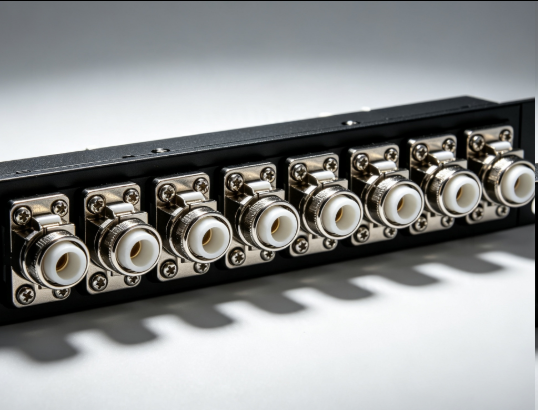
Flange Type Fixed Fiber Optic Adapter for Rack Panel
Sep 19, 2026956
-
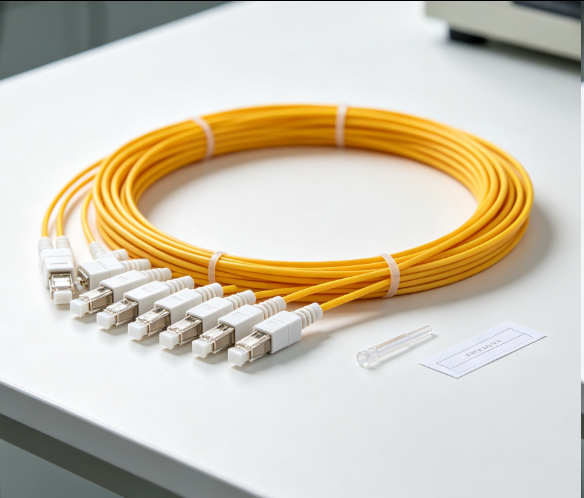
Fiber Pigtail 12 Cores SC UPC Single Mode
Sep 04, 2026930
-
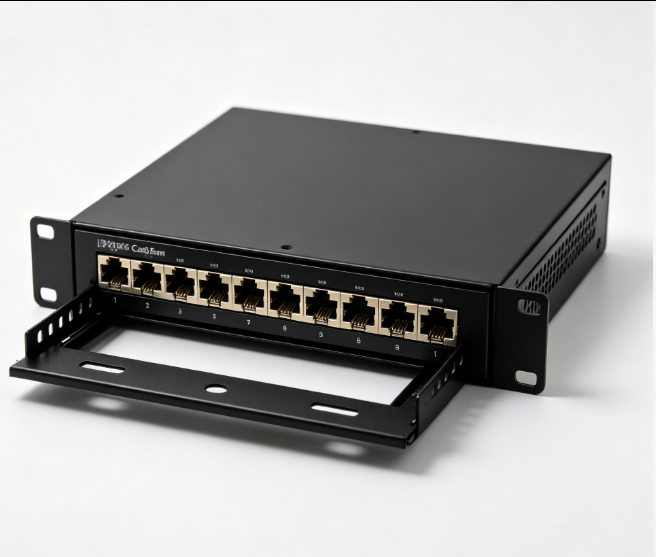
12 Port Cat6 Patch Panel Small Cabinet
Sep 12, 2026929
-
Dust Cap Equipped Fiber Patch Cable Protective
Sep 03, 2026929
-
EU Standard Network Faceplate
Sep 11, 2026927