- Language
Engineering Wiring Network Cable Management
Engineering wiring network cable management refers to the standardized, procedural, and systematic cable arrangement and control implemented in the whole process of network engineering construction, covering project design, on-site construction, acceptance delivery, and later operation and maintenance. It is a key technical link that determines the quality of network engineering construction and the stability of subsequent network operation. Traditional network wiring often has problems such as random laying, irregular wiring, and missing marking, which lead to low network transmission efficiency, frequent minor faults, and difficult later maintenance. Modern engineering wiring network cable management takes industrial construction specifications as the core, combines on-site engineering environment and user functional needs, and formulates a complete set of wiring management schemes to ensure the standardization, rationality, and durability of network wiring systems.
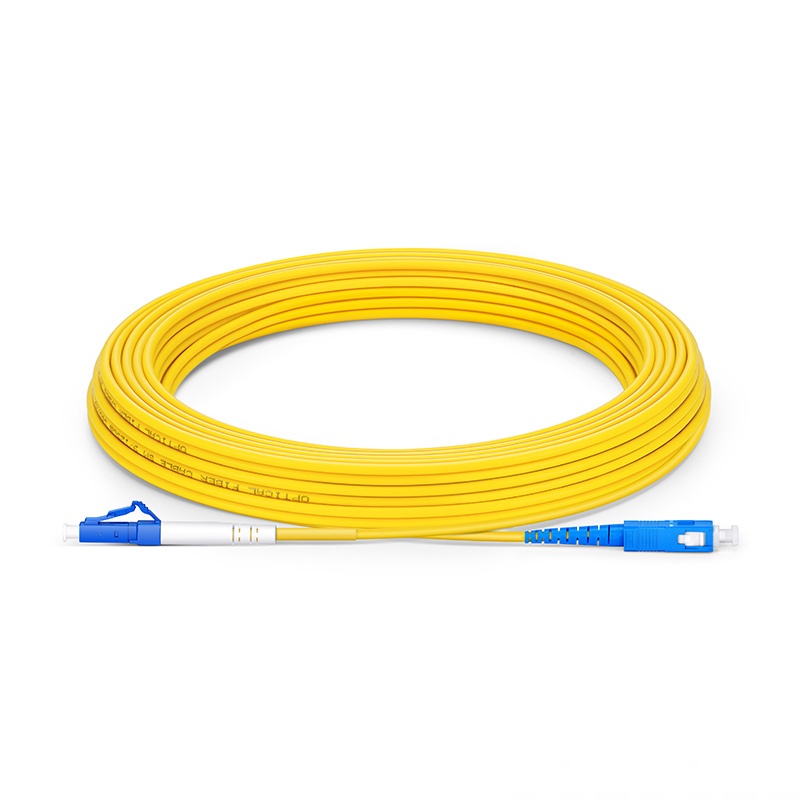
In the engineering design stage, network cable management needs to complete overall planning and detailed scheme formulation. Engineers first conduct on-site investigation of the construction environment, confirm the layout of equipment rooms, wiring corridors, and equipment cabinets, and combine network architecture design requirements to divide wiring areas and plan cable routing. According to different service scenarios and transmission requirements, cables of different specifications and grades are selected, and classified wiring standards for data transmission, voice communication, and equipment interconnection are formulated. The design stage also needs to consider the compatibility and scalability of the wiring system, reserve wiring channels and port resources for future equipment upgrading and business expansion, and avoid repeated construction and resource waste caused by insufficient early planning. At the same time, electromagnetic interference avoidance, heat dissipation optimization, and safety protection factors are fully integrated into the design scheme.
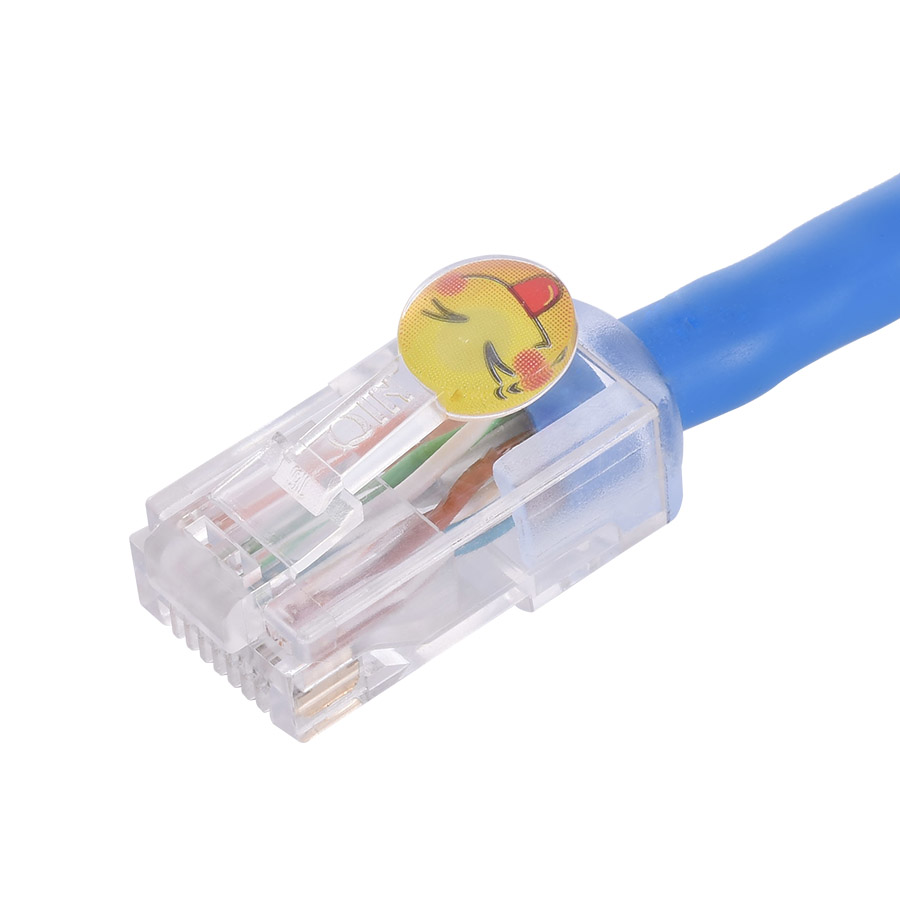
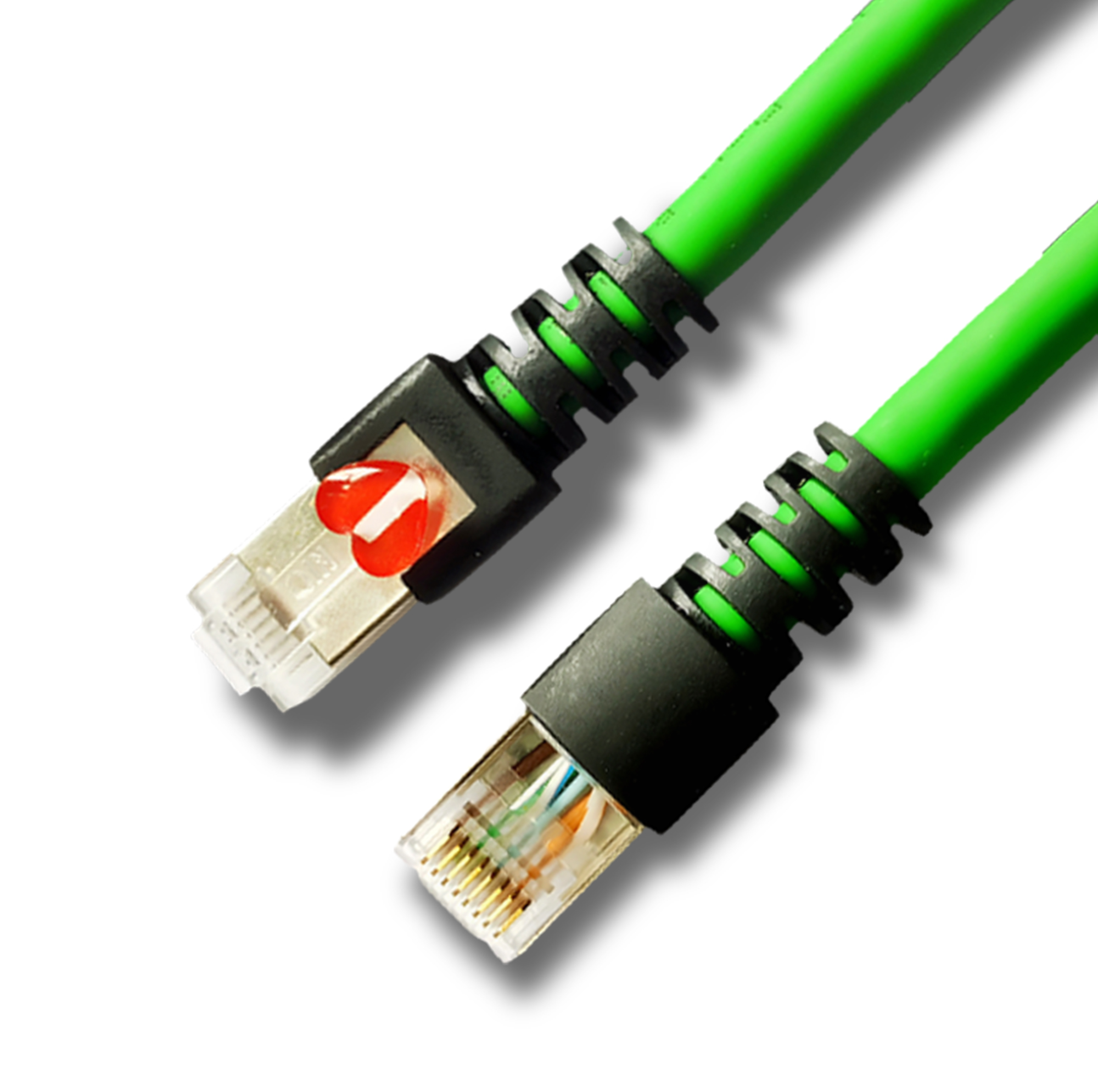
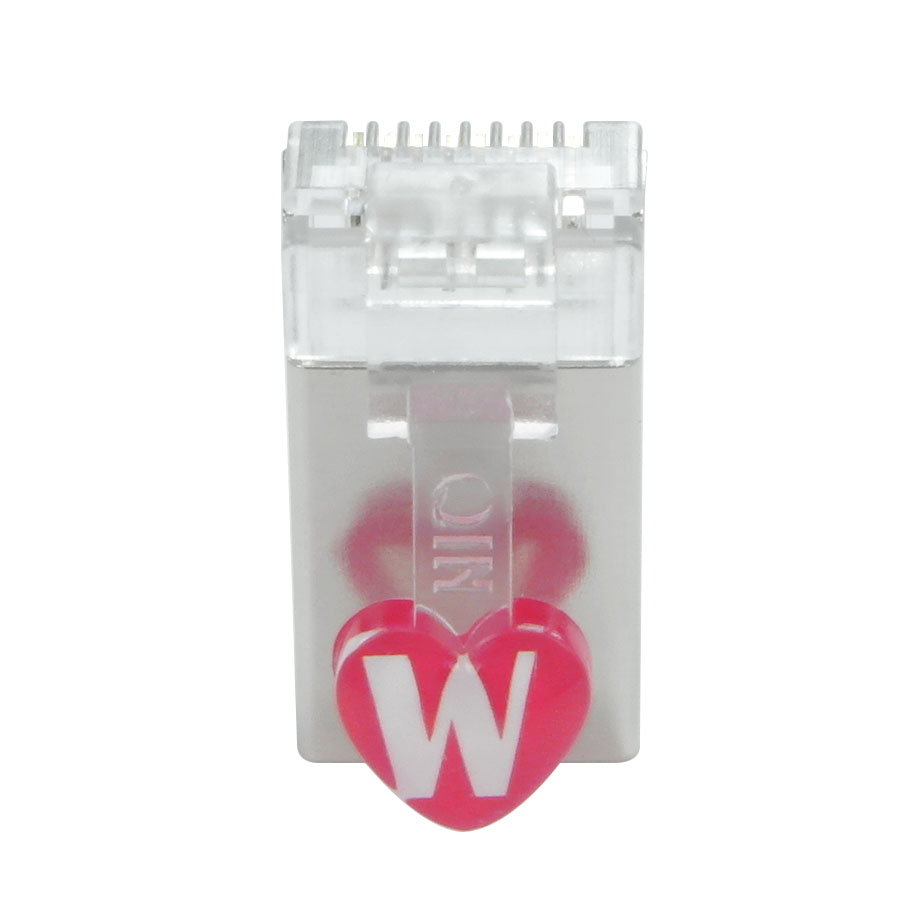
On-site construction management is the core execution link of engineering wiring network cable management, requiring strict compliance with construction processes and operation specifications. During construction, cables are laid in layers and zones according to the designed routing paths, with strict separation of strong and weak current lines to prevent signal interference. Professional wiring auxiliary tools and management accessories are used to fix and sort cables, ensuring flat cable laying, uniform tension, and no excessive bending or extrusion. All wiring operations are carried out in an orderly manner, with real-time recording of cable laying paths, lengths, and connection information to form complete construction documents. After wiring is completed, preliminary sorting and marking are carried out to ensure each cable corresponds to an accurate port and position information, laying a foundation for project acceptance and later maintenance.
Project acceptance and lifelong maintenance management are important guarantees for the long-term effectiveness of engineering wiring network cable management. In the acceptance stage, professional testing equipment is used to detect network cable transmission performance, including signal attenuation, crosstalk, and transmission rate indicators, to ensure all wiring meets national and industrial standards. At the same time, check the neatness, firmness, and standardization of cable arrangement, and complete the sorting and filing of wiring drawings, label information, and construction records. In the later operation and maintenance stage, regular inspection, sorting, and maintenance of the wiring system are carried out, and dynamic management of cable addition, deletion, and adjustment is implemented to ensure the wiring system is always in a standardized and orderly state. Scientific engineering wiring network cable management effectively improves network engineering quality, reduces operation and maintenance costs, and ensures stable and reliable network operation.
-
-
-
-
-
-
-

-
-
-
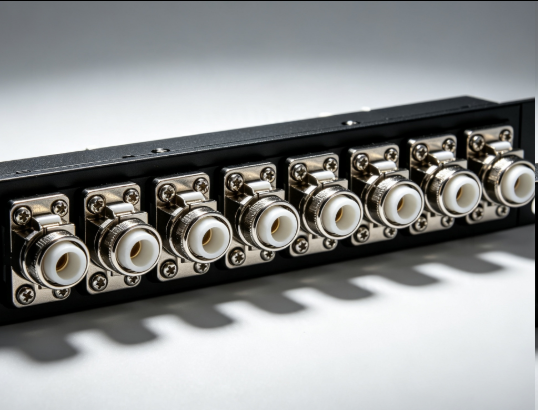
Flange Type Fixed Fiber Optic Adapter for Rack Panel
Sep 19, 2026955
-
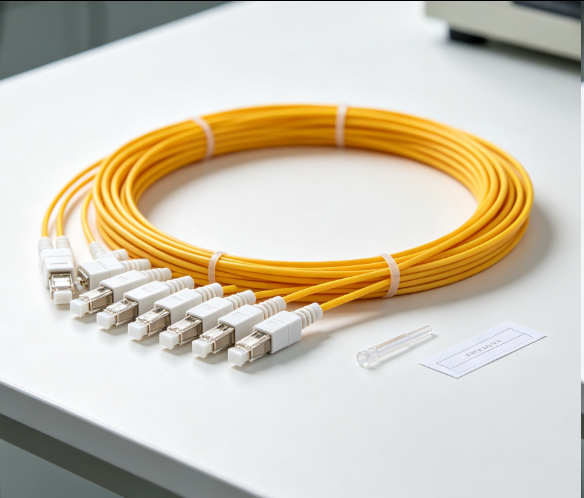
Fiber Pigtail 12 Cores SC UPC Single Mode
Sep 04, 2026930
-
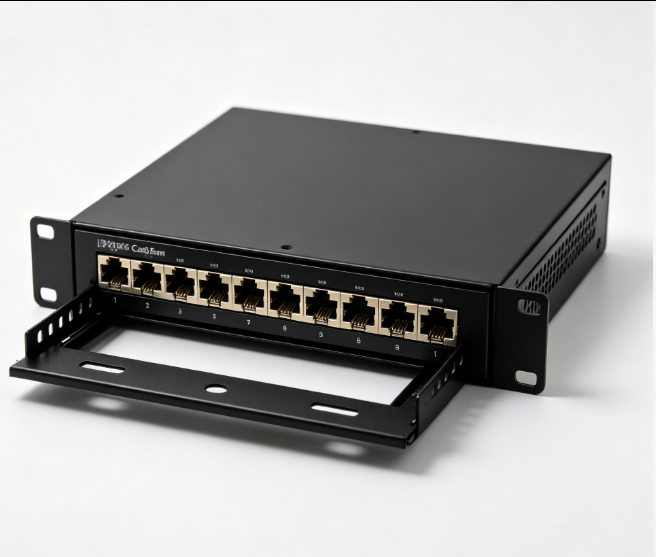
12 Port Cat6 Patch Panel Small Cabinet
Sep 12, 2026929
-
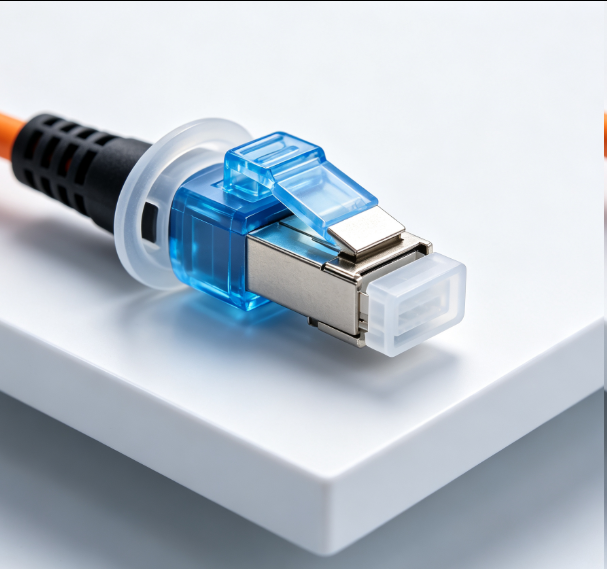
Dust Cap Equipped Fiber Patch Cable Protective
Sep 03, 2026929
-
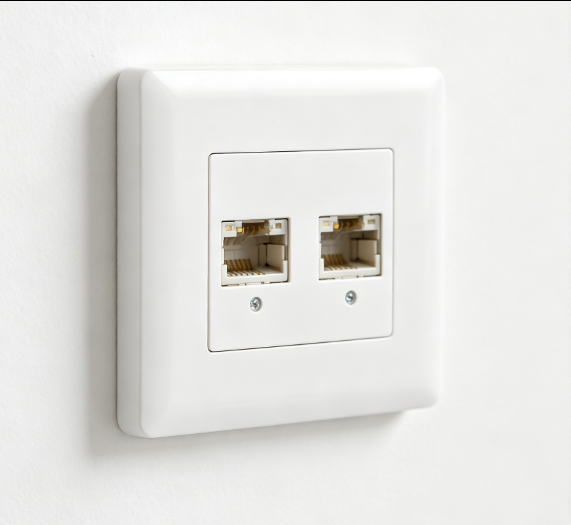
EU Standard Network Faceplate
Sep 11, 2026927