- Language
GYFTY fiber optic cable
In the construction of new power systems, high-voltage energy storage power stations, new energy station grid connection, industrial and mining high-voltage power distribution and other core scenarios, high-voltage battery energy storage systems have become the core equipment for power peak shaving, voltage stabilization and energy storage backup. Their stable operation relies on high-precision, low-interference and long-distance communication transmission networks to realize battery status monitoring, data return, remote regulation and fault early warning. GYFTY fiber optic cable, as an outdoor dedicated optical cable with all-non-metallic medium and strong anti-electromagnetic interference capability, perfectly adapts to the complex electromagnetic working conditions of high-voltage battery power systems by virtue of its core characteristics of metal-free structure, high voltage resistance, low attenuation and all-weather adaptability. It has become the mainstream communication transmission carrier for high-voltage energy storage power stations, high-voltage power distribution lines and new energy high-voltage grid connection projects. Different from ordinary metal optical cables that are prone to electromagnetic induction interference, coupling interference and lightning high-voltage breakdown in high-voltage electric fields, GYFTY optical cable adopts a fully dielectric insulating design, fundamentally avoiding the impact of strong electromagnetic radiation, instantaneous high-voltage pulses and power frequency interference generated by the operation of high-voltage battery systems, and ensuring the real-time and stable transmission of core data such as voltage, current, temperature and cycle status of high-voltage battery arrays. Centering on the working conditions of high-voltage battery power systems, this paper deeply analyzes the high-voltage adaptation principle, core performance advantages, high-voltage working condition loss incentives, engineering operation and maintenance key points and full-scenario application value of GYFTY optical cables. Combined with measured power engineering data, it comprehensively explores its irreplaceability in high-voltage battery energy storage systems, providing professional and practical technical references for the selection, construction, operation and maintenance and system upgrading of high-voltage power communication projects.
The operating conditions of high-voltage battery power systems have extremely distinct particularities, which are different from ordinary civil communication scenarios and serve as the core prerequisite for the wide application of GYFTY optical cables. Current large-scale high-voltage energy storage systems adopt high-voltage battery string series-parallel architectures ranging from hundreds of volts to thousands of volts. During system operation, power frequency electromagnetic fields, high-frequency switching interference, instantaneous surge high voltage and pulse current are continuously generated. When battery charge-discharge switching, fault tripping and load fluctuation occur, the intensity of electromagnetic interference increases exponentially. Ordinary communication optical cables with metal components are prone to induced voltage and current coupling interference in the strong electromagnetic field of high-voltage batteries, resulting in distorted transmission signals, data packet loss and delayed fluctuation. In severe cases, the induced high voltage of metal components will break down the cable body, causing communication interruption and even potential electrical safety hazards. At the same time, most high-voltage battery energy storage power stations are built in open outdoor fields, mountain factories and supporting sites of photovoltaic and wind power stations, which are exposed to harsh working conditions such as lightning high voltage, sharp temperature changes between day and night, rain and moisture erosion, and outdoor ultraviolet aging all year round, putting forward extremely high requirements for the insulation performance, high-voltage breakdown resistance, anti-interference stability and weather resistance of communication optical cables. The exclusive all-non-metallic loose tube stranded structure of GYFTY fiber optic cable completely eliminates metal components such as steel wires and aluminum strips, adopts glass fiber reinforced plastic (FRP) as the central strength member, and is equipped with insulating water-blocking structure and high-voltage resistant PE sheath, possessing complete electrical insulation properties. It can effectively isolate various electromagnetic interferences and high-voltage hidden dangers of high-voltage battery systems, perfectly adapting to the harsh operating requirements of high-voltage power scenarios.
From the perspective of structural design and high-voltage adaptation principle, the fully dielectric insulating architecture of GYFTY optical cable is the core advantage for its adaptation to high-voltage battery power systems. Conventional communication optical cables mostly adopt metal strength core and metal armored structures. Although they have certain mechanical strength, they will form conductive loops in the electromagnetic field of high-voltage batteries, continuously inducing stray current and induced voltage, which not only interferes with optical signal transmission, but also causes partial discharge and insulation aging under the impact of high-voltage pulses, greatly shortening the service life of optical cables. In contrast, GYFTY optical cable adopts a standardized loose tube stranded all-non-metallic design. Optical fibers are placed inside temperature-resistant and waterproof loose tubes filled with special water-blocking grease to prevent insulation attenuation caused by moisture intrusion. The center of the optical cable adopts high-modulus FRP non-metallic strength members without any metal conductive parts, realizing 100% electrical insulation. This unique structure enables GYFTY fiber optic cable to avoid electromagnetic induction and charge accumulation in the strong electric and magnetic fields of high-voltage battery systems without the risk of induced high-voltage breakdown, and can maintain long-term low-loss and high-stability transmission of optical signals. Measured engineering data shows that in 10kV to 35kV high-voltage battery energy storage and power distribution scenarios, the transmission attenuation fluctuation of GYFTY optical cables is lower than 0.1dB/km, with far stronger anti-electromagnetic interference performance than ordinary metal optical cables. It can accurately and synchronously transmit high-precision monitoring information such as monomer voltage, string current, SOC residual power, temperature distribution and cycle life data of high-voltage batteries, providing reliable communication support for intelligent regulation and safety protection of high-voltage battery systems.
Compared with traditional communication optical cables, GYFTY optical cables have more prominent advantages in weather resistance, anti-attenuation and long-term stability under high-voltage battery working conditions, perfectly adapting to the all-weather and uninterrupted operation requirements of high-voltage energy storage systems. Most high-voltage battery power stations are deployed outdoors and exposed to extreme seasonal climates all year round, which continuously test the structural stability and transmission performance of communication optical cables. High-temperature exposure in summer, low-temperature freezing and thawing in winter, lightning high voltage in thunderstorm days and humid corrosion in rainy seasons will accelerate the sheath aging, insulation damage and transmission attenuation of ordinary optical cables. Adopting high-density UV-resistant PE outer sheath, full-filled water-blocking structure and high-stability fiber core material, GYFTY optical cable has excellent high and low temperature resistance, aging resistance, water and moisture resistance and lightning protection performance, with an operating temperature range covering -40℃ to 70℃, fully adapting to the outdoor working conditions of high-voltage battery power stations in various regions of China. Under the working conditions of high-frequency charge and discharge and continuous electromagnetic interference of high-voltage battery systems, GYFTY optical cables will not have problems such as signal drift, data packet loss and transmission interruption, with gentle and stable long-term transmission attenuation and no sudden performance degradation. Meanwhile, its lightweight flexible structure has excellent tensile and lateral pressure resistance, adapting to various construction methods such as overhead laying, pipeline buried laying and bridge laying in high-voltage power stations. Cable body damage and fiber micro-bend loss are not easy to occur during construction, greatly reducing the probability of construction faults in high-voltage power communication engineering and ensuring the stable operation of high-voltage battery monitoring systems throughout the year.
Focusing on the core operation requirements of high-voltage battery power systems, the performance advantages of GYFTY optical cables can accurately solve three major industry pain points of high-voltage power communication. Firstly, it solves the problem of unstable communication caused by high-voltage electromagnetic interference. When PCS converters, high-voltage junction cabinets and battery cluster arrays in high-voltage battery energy storage systems operate, dense high-frequency electromagnetic interference will be generated. Ordinary optical cables are easily interfered, resulting in distorted monitoring data, which leads to misjudgment and misregulation of BMS systems and affects the safe operation of energy storage systems. The fully insulated and metal-free structure of GYFTY fiber optic cable completely isolates electromagnetic coupling interference at the physical level, realizing zero-interference transmission in high-voltage and strong magnetic environments, and ensuring accurate monitoring and regulation of high-voltage battery status by BMS systems. Secondly, it eliminates potential safety hazards caused by lightning high voltage. Most high-voltage battery power stations are located in open outdoor areas. The instantaneous high voltage generated by lightning will induce current through metal optical cables, breaking down communication equipment, damaging battery monitoring modules and causing equipment faults. Without metal conductive channels, GYFTY optical cables have no lightning-induced conduction conditions, with natural lightning and high-voltage breakdown resistance, greatly improving the overall electrical safety of high-voltage battery power stations. Thirdly, it reduces the high long-term operation and maintenance cost. Ordinary optical cables have obvious annual attenuation under high-voltage working conditions, with insulation failure and transmission faults occurring after 3 to 5 years of operation, requiring frequent maintenance and replacement and increasing station operation and maintenance costs and downtime risks. In contrast, GYFTY optical cables have the characteristics of high voltage resistance, aging resistance and low loss, with a stable service life of more than 20 years and no frequent operation and maintenance, perfectly adapting to the long-term operation requirements of high-voltage battery energy storage systems.
In the segmented application scenarios of high-voltage battery power systems, GYFTY optical cables can realize full-scenario adaptation, covering core fields such as high-voltage energy storage power stations, new energy high-voltage grid connection, industrial and mining high-voltage power distribution, rail transit high-voltage power supply and municipal high-voltage energy storage peak shaving. In centralized high-voltage energy storage power stations, GYFTY optical cables are mainly used for communication connection between battery cluster arrays and central control systems, transmitting real-time operation data, fault alarm information and remote regulation commands of high-voltage battery strings to ensure accurate scheduling and safe management of large-capacity high-voltage battery energy storage systems. In photovoltaic and wind power supporting high-voltage energy storage scenarios, it adapts to outdoor long-distance overhead laying, resists complex electromagnetic interference and harsh outdoor environments of new energy stations, and realizes coordinated linkage between new energy power generation and high-voltage battery energy storage. In the high-voltage power distribution and energy storage scenarios of industrial and mining enterprises, it can adapt to the communication transmission between workshop high-voltage equipment and standby high-voltage battery packs, isolate industrial high-frequency electromagnetic interference, and ensure the stable operation of factory voltage stabilization and energy storage systems. Different from special power optical cables such as ADSS and OPGW, GYFTY optical cables have the comprehensive advantages of low cost, easy construction, high insulation and strong anti-interference performance, without complex grounding construction, adapting to the short-distance and medium-long distance multi-scenario transmission requirements of high-voltage battery systems, leading in cost performance and practicability.
To maximize the transmission stability of GYFTY fiber optic cable under high-voltage battery working conditions and avoid implicit performance loss caused by high-voltage environments, it is necessary to follow the exclusive construction and operation and maintenance specifications for high-voltage power scenarios. In the construction stage, high-voltage electrical construction standards shall be strictly followed to avoid close parallel laying with high-voltage busbars and battery cluster high-voltage cables, reduce indirect radiation impact of high-voltage electric fields, protect the cable body during construction, prevent sheath damage and fiber tensile deformation, and avoid subsequent transmission attenuation caused by construction defects. During laying, the bending radius and tensile strength of the optical cable shall be controlled to match the overhead tension and buried protection requirements of outdoor high-voltage power stations and ensure structural integrity. In daily operation and maintenance, it is necessary to regularly check the aging, damage and moisture of the outer sheath of the optical cable, focus on investigating the insulation state of the optical cable at the interface of high-voltage equipment, clean dust and water in time to avoid local insulation performance decline, test transmission attenuation before and after thunderstorm seasons to ensure transmission stability under high-voltage lightning conditions, and prohibit unauthorized reconnection and pulling of the optical cable to prevent damage to the fully insulated structure and affect high-voltage anti-interference performance. Standardized construction and operation and maintenance can fully release the high-voltage adaptation advantages of GYFTY optical cables and maintain long-term high-precision and zero-interference transmission of high-voltage battery communication systems.
From the perspective of the full life cycle cost of high-voltage power system engineering, GYFTY optical cable is the optimal cost-performance choice for high-voltage battery communication supporting facilities. In the short term, the procurement cost of GYFTY optical cables is lower than that of high-end special power optical cables, and no grounding accessories or shielding equipment are required, greatly reducing supporting consumables and construction costs. In the long term, its advantages of ultra-long service life of more than 20 years, extremely low fault probability and no frequent operation and maintenance completely solve the pain points of frequent maintenance and replacement of ordinary optical cables under high-voltage working conditions, and greatly reduce implicit costs such as operation and maintenance labor, equipment downtime and fault maintenance of high-voltage battery power stations. According to the calculation data of power engineering measurement, compared with ordinary metal optical cables, the full-life-cycle communication operation and maintenance cost of high-voltage battery energy storage systems adopting GYFTY optical cables can be reduced by more than 55%, while the equipment communication fault rate decreases by 90%, which greatly improves the operation stability and economic benefits of high-voltage energy storage systems. For large-scale high-voltage energy storage power stations and new energy supporting energy storage projects, the application of GYFTY optical cables can effectively improve the intelligent management and control level of high-voltage battery systems and ensure the efficient implementation of core functions such as energy storage peak shaving, power grid voltage stabilization and emergency backup.
With the rapid iteration of new power systems and the continuous upgrading of high-voltage large-capacity battery energy storage technology, the requirements for anti-interference, stability, safety and long-term effectiveness of communication transmission in high-voltage power systems are constantly improving, and the market adaptation value and engineering application value of GYFTY fiber optic cable continue to be prominent. At present, high-voltage battery energy storage systems are upgrading towards higher voltage, larger capacity and denser arrays, with more complex electromagnetic environments and higher working condition intensity, putting forward higher standards for the high-voltage insulation, anti-electromagnetic and weather resistance of communication optical cables. Relying on the mature fully non-metallic insulation structure, optimized water-blocking and anti-aging technology and stable low-attenuation transmission performance, GYFTY optical cables perfectly match the iterative upgrading requirements of high-voltage battery systems, and have gradually become standardized supporting products for high-voltage energy storage, high-voltage power distribution and new energy grid connection projects. In the future, with the continuous optimization of power optical cable technology, the new generation of GYFTY optical cables will further improve the high-voltage tolerance level, low-temperature transmission performance and mechanical protection capability, continuously consolidate its core position in the field of high-voltage battery power communication, provide solid transmission guarantee for the safe, efficient, long-term and intelligent operation of new high-voltage energy storage power systems, and promote the high-quality development of the power industry towards low carbon, intelligence and stability.
-
-
-
-
-
-
-

-
-
-
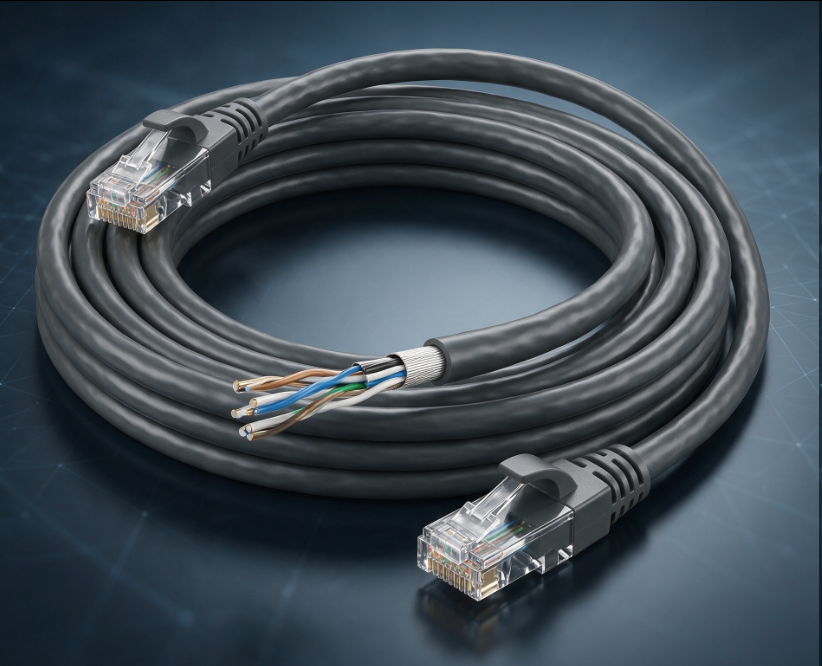
CAT6 Ethernet Gigabit Cable
Aug 15, 2026907
-

Media Converter Network Patch Cord
Jun 27, 2026906
-
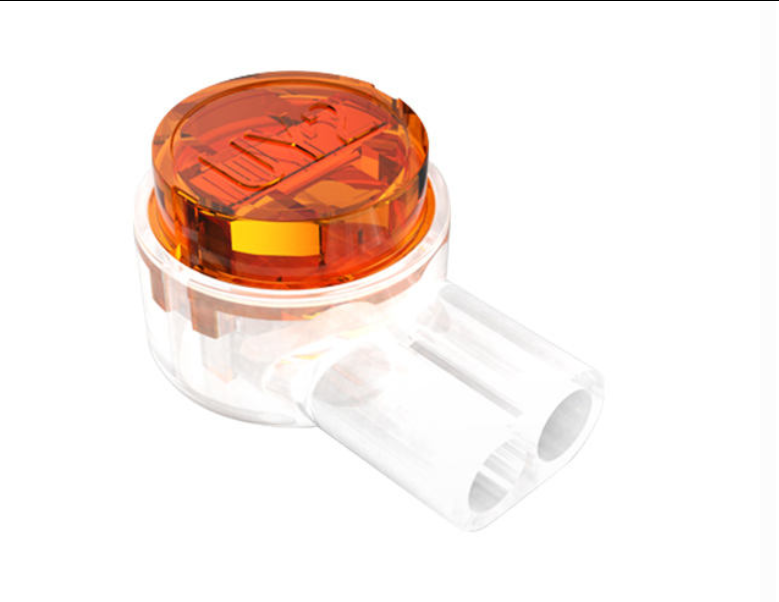
UY2 Connector for Telephone Wire
Jul 08, 2026897
-
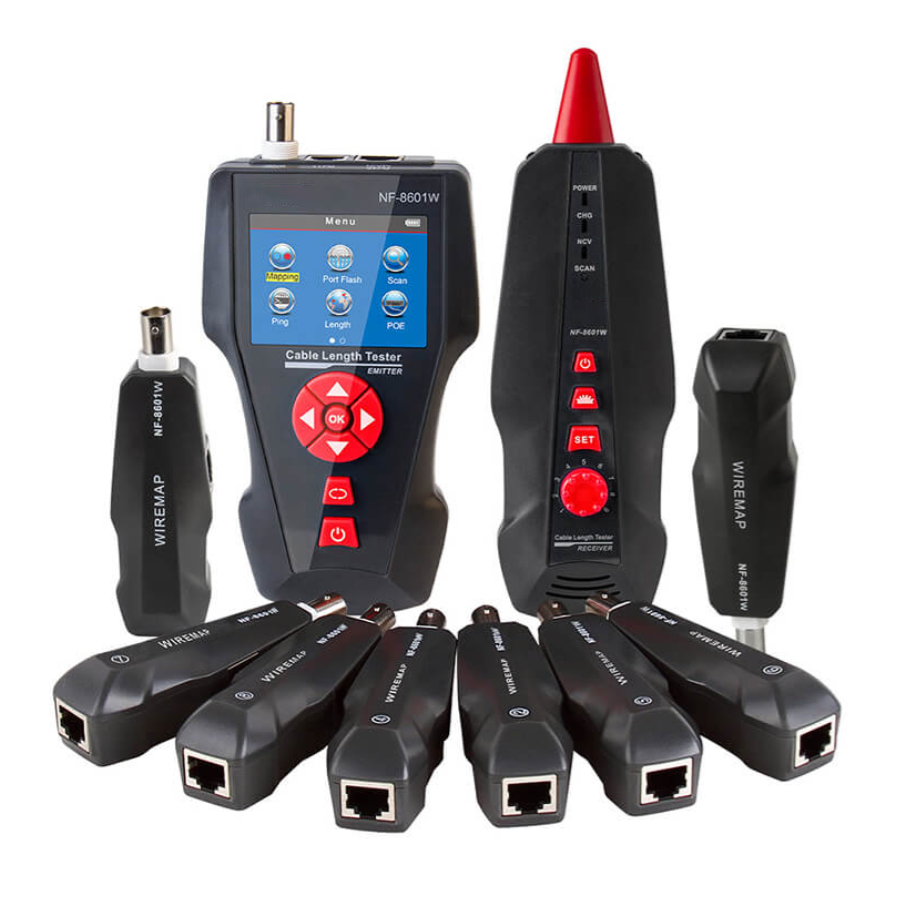
Network Cable Bandwidth Capacity
Jul 06, 2026897
-
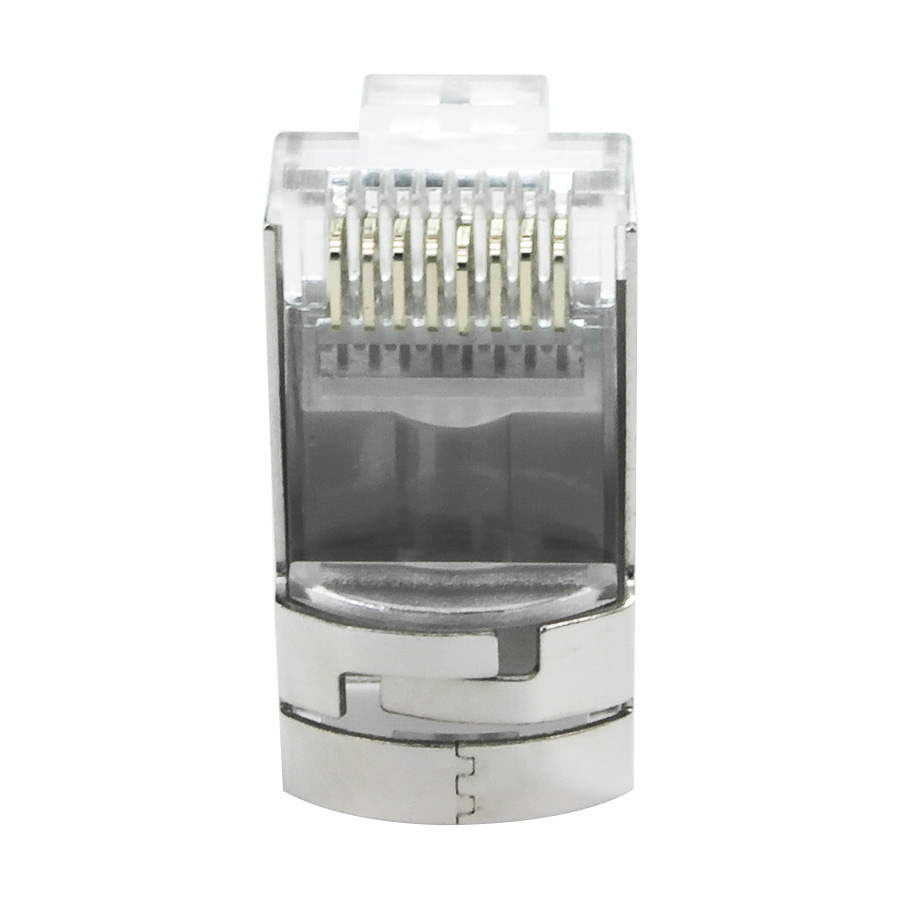
Flame Retardant Cat7 Boot Cover
Jul 14, 2026888