- Language
Intelligent Monitor system
Intelligent Monitor system is the core monitoring equipment for modern security protection, industrial production, outdoor infrastructure and smart parks. Relying on high-definition collection, data transmission and intelligent analysis functions, it realizes all-weather environmental monitoring, equipment status early warning and safety risk management and control. Most intelligent monitoring devices are deployed in complex working conditions such as open outdoor environments, humid workshops, dusty construction sites and alternating high and low temperatures. As the core of the equipment protection system, sealing performance directly determines the operational stability, dust and water resistance and overall service life of the system, and serves as a key indicator to ensure the long-term uninterrupted operation of the intelligent monitor system. A large number of on-site operation and maintenance data shows that most faults of the intelligent monitor system, such as blurred images, lens fogging, internal dust accumulation, circuit short circuit and equipment crash, are not caused by aging components, but by the failure of the body sealing structure. Therefore, systematically analyzing the sealing structure, failure mechanism, working condition loss problems and optimized operation and maintenance schemes of the Intelligent Monitor system from the perspective of sealing can avoid equipment faults caused by sealing defects from the source and greatly improve the all-weather operation reliability of the system.
The complete machine sealing system of the Intelligent Monitor system is a multi-part collaborative protection structure, mainly covering three core areas: lens sealing, body shell sealing and wiring port sealing. The sealing technology of each part adapts to equipment operation scenarios to form a complete closed protective barrier. As the core monitoring component, the lens adopts an embedded sealing process with double-layer tempered glass and silicone sealing rubber rings. The sealing rubber rings fit closely without gaps, which can effectively isolate water vapor and dust from penetrating into the lens, prevent fogging and dust blurring of images, and ensure the clarity of video collection. The body shell adopts an integrated sealing design of buckle compression and sealing rubber strips. The splicing parts of the equipment shell are fully covered with high-elasticity weather-resistant sealing rubber strips and fixed with uniform compression by screws to achieve complete body sealing and resist outdoor rain erosion, dust accumulation and humid air invasion. As a weak sealing point, the wiring port adopts a triple protection structure of sealing plugs, waterproof rubber rings and potting sealing to prevent water and dust from penetrating through interface gaps and protect the stable operation of internal circuits and transmission modules.
Although the Intelligent Monitor system is equipped with a standardized sealing structure, sealing failures still easily occur under complex working conditions, mainly divided into three categories: natural aging, construction defects and working condition loss. Natural aging is the most common cause. Long-term exposure to ultraviolet radiation, alternating high and low temperatures, wind and rain erosion will gradually harden, crack and reduce the elasticity of silicone sealing rings and rubber strips, expanding sealing gaps and continuously reducing protective performance. Non-standard construction and installation will cause hidden sealing defects. Misaligned rubber strips, uncompressed buckles and unrecovered port sealing during installation leave tiny gaps, leading to continuous penetration of water vapor and dust and subsequent equipment faults after long-term use. In addition, harsh working conditions such as outdoor rain immersion, strong wind and dust, and construction site vibration will accelerate the wear and loosening of sealing structures and greatly shorten the service life of sealing protection.
According to the sealing loss rules of the Intelligent Monitor system, three major strategies including standardized installation, regular inspection and working condition-based protection should be adopted to optimize sealing performance and realize long-term protection. During the installation stage, strictly implement sealing processes, calibrate the position of sealing rubber strips, compress shell buckles and screws, and timely seal waterproof plugs after wiring to eliminate installation-induced sealing defects. In daily operation and maintenance, regularly inspect sealing accessories of all parts, replace hardened, cracked and aging sealing rings and rubber strips in a timely manner, clean impurities in interface gaps, and restore sealing integrity. For outdoor scenarios with high humidity, heavy dust and frequent rainfall, additional waterproof sealant coating and external protective shell installation can be adopted to strengthen the overall sealing grade. Perfect sealing protection and operation and maintenance can completely avoid erosion of water vapor and dust, ensure the all-weather stable operation of the Intelligent Monitor system, effectively reduce the fault repair rate and operation and maintenance costs, and extend the overall service cycle of the equipment.
-
-
-
-
-
-
-
-
-
-
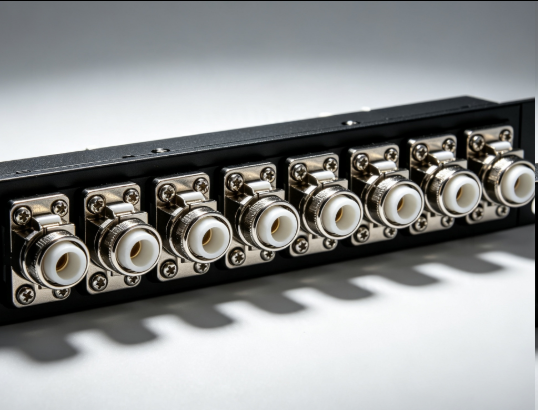
Flange Type Fixed Fiber Optic Adapter for Rack Panel
Sep 19, 2026956
-
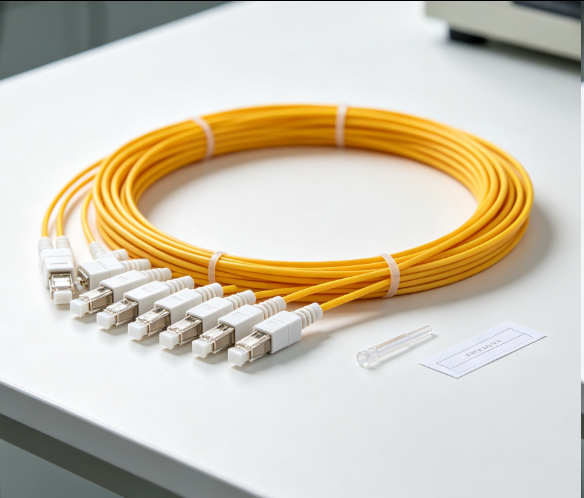
Fiber Pigtail 12 Cores SC UPC Single Mode
Sep 04, 2026930
-
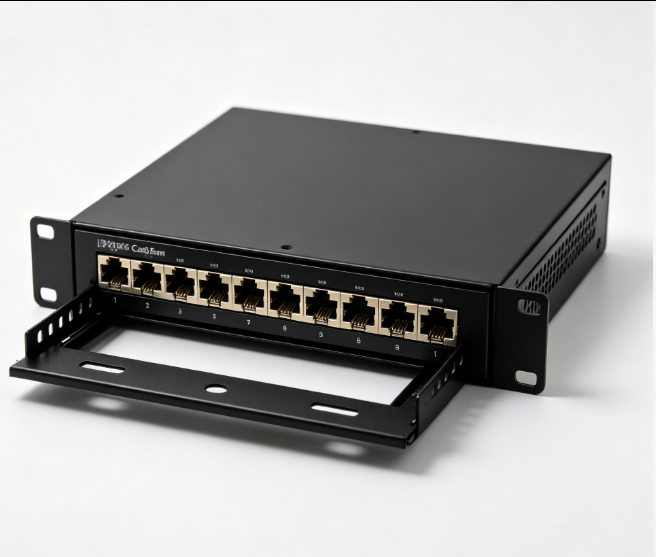
12 Port Cat6 Patch Panel Small Cabinet
Sep 12, 2026929
-
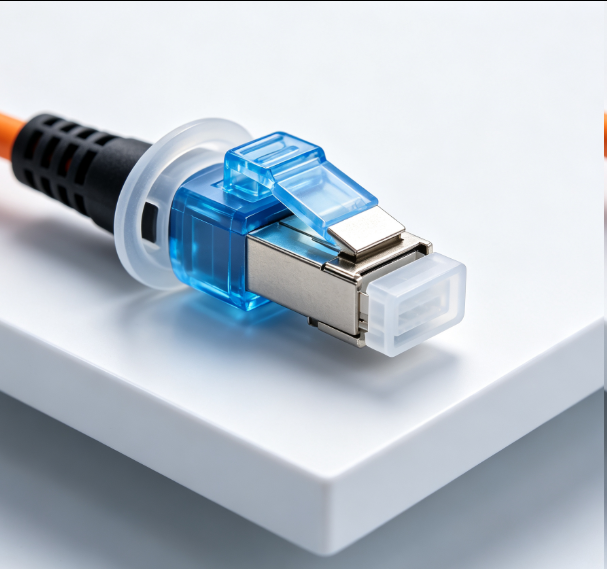
Dust Cap Equipped Fiber Patch Cable Protective
Sep 03, 2026929
-
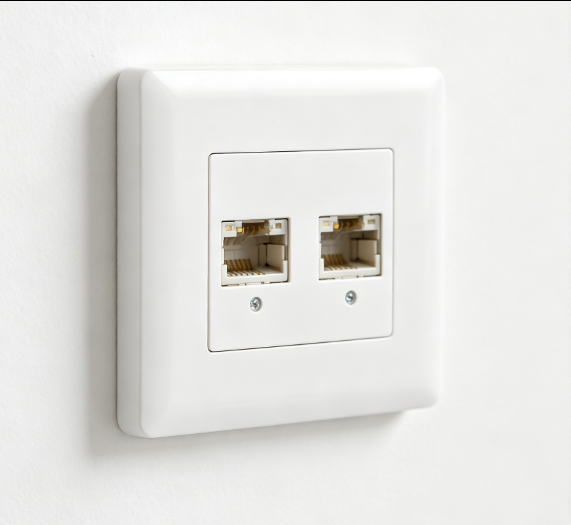
EU Standard Network Faceplate
Sep 11, 2026927